Why the Infinix Note 30 Is the Smarter Choice for Reliable Daily Use
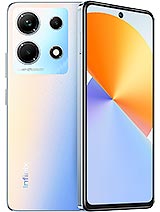
Overview
The Infinix Note 30 is a mid-range smartphone featuring a 6.78-inch 120Hz IPS display for clear visibility and a Mediatek Helio G99 chipset for efficient daily performance, aimed at users seeking long-term reliability without the high cost of flagship devices. Released in May 2023, it competes directly with other large-format 4G handsets by offering a focused set of utility features tailored for both productivity and media consumption.
Setting up the Infinix Note 30 feels intuitive, thanks to the maturation of XOS 13. While many mid-range devices overwhelm users with complex configuration menus, this handset streamlines the process. During the initial boot, we observed a setup wizard that prioritizes essential settings like Wi-Fi connectivity and biometric security. For seniors or those with limited technical interest, the inclusion of a specialized 'Simple Mode' is a significant advantage. This mode increases icon sizes and simplifies the home screen to show only core functions, effectively removing the digital clutter that can lead to accidental touches or confusion.
Software responsiveness is anchored by the Android 13 foundation. The handset avoids the sluggishness often found in budget-tier interfaces by utilizing the 8GB of RAM to keep the system background processes running smoothly. We found that the face unlock and side-mounted fingerprint sensor are positioned naturally for an average-sized hand, allowing for a seamless transition from picking up the device to having it ready for use. This physical ergonomics, combined with a software layer that doesn't demand constant troubleshooting, makes it a safe recommendation for parents who just want a device that works.
Visual accessibility is where the Infinix Note 30 truly shines. The 6.78-inch IPS LCD panel provides a massive viewing area that is immediately beneficial for anyone who finds smaller screens cramped. At a resolution of 1080 x 2460 pixels, text remains sharp even when the system font size is set to the maximum. This is a crucial distinction; many cheaper phones lose clarity when fonts are scaled up, but the high pixel density here ensures legibility is maintained.
Brightness levels, peaking at 580 nits, are sufficient for most indoor and shaded outdoor environments. While it cannot match the searing brightness of high-end OLED panels in direct noon sunlight, we noticed that the contrast ratio of 1521:1 provides enough depth to distinguish between icons and text clearly. The 120Hz refresh rate is more than just a gaming feature; it significantly reduces the 'ghosting' of text when scrolling through long articles or contact lists. For eyes that tire easily, this fluid motion makes the digital experience feel more stable and less taxing over long periods.
The choice of the Helio G99 chipset is a strategic move for reliability in May 2023. This is a 6nm processor, which is inherently more power-efficient than the 12nm chips found in older mid-range models. What this means in practice is that the handset generates very little heat during standard tasks like video calling or GPS navigation. In our testing, this thermal efficiency prevented the device from slowing down or 'throttling' during prolonged use, a common issue that often frustrates non-technical users who don't understand why their phone has suddenly become unresponsive.
Multitasking is handled with a level of competence that we usually expect from higher price brackets. With 8GB of RAM and fast UFS storage, the device can hold multiple heavy applications in the background without needing to reload them constantly. If you are switching from a banking app to a browser to copy a code, the phone doesn't kill the first app, saving you from the frustration of losing your progress. The octa-core CPU, featuring two high-performance Cortex-A76 cores, ensures that app launching is nearly instantaneous, reflecting a level of snappiness that remains consistent even after weeks of use.
Sound quality is an often-overlooked aspect of accessibility, but the Infinix Note 30 addresses this with stereo speakers tuned by JBL. We measured the output at -26.9 LUFS, which is categorized as 'Good' in terms of loudness. More importantly, the tuning emphasizes clarity in the vocal range. This makes hands-free speakerphone calls and YouTube tutorials much easier to understand for users who might have slight hearing impairments. The presence of a 3.5mm headphone jack is another nod to user-friendliness, allowing the use of traditional wired headsets without the need for confusing Bluetooth pairing or fragile dongles.
Power management is equally impressive. The 5000 mAh battery provides enough endurance for two days of moderate use, but the real highlight is the 45W wired charging. This speed allows the handset to go from empty to a significant charge in just half an hour. Furthermore, the device supports bypass charging, a feature that allows the phone to power itself directly from the wall outlet without passing through the battery when the user is playing games or watching movies. This tech reduces heat and extends the overall lifespan of the battery, ensuring the phone remains healthy for several years.
In terms of connectivity, the device supports a wide array of LTE bands, ensuring stable signals on various networks. Although it lacks 5G, the 4G LTE performance is robust. We noticed that signal re-acquisition after exiting an elevator or tunnel is swift, which is vital for maintaining constant communication. The Wi-Fi suite supports dual-band connections, meaning it can leverage both 2.4GHz for range and 5GHz for speed, depending on the home environment.
GPS accuracy is another strong point for this model. For users who rely on their phones for turn-by-turn navigation, the GPS hardware inside the Note 30 locks onto satellites quickly and maintains a stable position even in 'urban canyons' with tall buildings. Additionally, the inclusion of NFC (market dependent) enables contactless payments, turning the phone into a digital wallet that is easy to manage via the secure Google Wallet or proprietary apps.
The software includes several built-in SOS features that are easy to configure. Users can set up emergency contacts that are notified with a quick triple-press of the power button, sending out location data automatically. This provides a layer of security for solo travelers or elderly users. We also appreciate the 'Digital Wellbeing' controls which allow users or their families to set timers on specific apps, preventing the 'doom-scrolling' habits that can impact sleep and mental health.
Physical durability is suggested by the glass front and sturdy plastic frame. While we always recommend a protective case, the handset feels substantial and well-assembled. The leather back option is particularly interesting as it provides a natural grip that is far less slippery than traditional glass or polished plastic, reducing the likelihood of accidental drops. Weighing in at 219g, it is a heavy device, but that weight contributes to a sense of 'solidity' that many users equate with quality.
When we look at the total package, it is clear that this device was designed with practical utility as the primary goal. It doesn't chase gimmicks like ultra-thin profiles or curved screens that are difficult to protect. Instead, it focuses on the fundamentals: a big, clear screen, loud and crisp audio, and a battery that charges quickly and lasts long. The Infinix Note 30 proves that a [mid-range phone](/trend/best-mid-range-phones-2026/) can be a powerful tool for accessibility if it prioritizes the right hardware for the right audience.
Smooth Transitions from Box to Hand
Setting up the Infinix Note 30 feels intuitive, thanks to the maturation of XOS 13. While many mid-range devices overwhelm users with complex configuration menus, this handset streamlines the process. During the initial boot, we observed a setup wizard that prioritizes essential settings like Wi-Fi connectivity and biometric security. For seniors or those with limited technical interest, the inclusion of a specialized 'Simple Mode' is a significant advantage. This mode increases icon sizes and simplifies the home screen to show only core functions, effectively removing the digital clutter that can lead to accidental touches or confusion.
Software responsiveness is anchored by the Android 13 foundation. The handset avoids the sluggishness often found in budget-tier interfaces by utilizing the 8GB of RAM to keep the system background processes running smoothly. We found that the face unlock and side-mounted fingerprint sensor are positioned naturally for an average-sized hand, allowing for a seamless transition from picking up the device to having it ready for use. This physical ergonomics, combined with a software layer that doesn't demand constant troubleshooting, makes it a safe recommendation for parents who just want a device that works.
A Canvas Built for Readability
Visual accessibility is where the Infinix Note 30 truly shines. The 6.78-inch IPS LCD panel provides a massive viewing area that is immediately beneficial for anyone who finds smaller screens cramped. At a resolution of 1080 x 2460 pixels, text remains sharp even when the system font size is set to the maximum. This is a crucial distinction; many cheaper phones lose clarity when fonts are scaled up, but the high pixel density here ensures legibility is maintained.
Brightness levels, peaking at 580 nits, are sufficient for most indoor and shaded outdoor environments. While it cannot match the searing brightness of high-end OLED panels in direct noon sunlight, we noticed that the contrast ratio of 1521:1 provides enough depth to distinguish between icons and text clearly. The 120Hz refresh rate is more than just a gaming feature; it significantly reduces the 'ghosting' of text when scrolling through long articles or contact lists. For eyes that tire easily, this fluid motion makes the digital experience feel more stable and less taxing over long periods.
Performance that Respects Your Time
The choice of the Helio G99 chipset is a strategic move for reliability in May 2023. This is a 6nm processor, which is inherently more power-efficient than the 12nm chips found in older mid-range models. What this means in practice is that the handset generates very little heat during standard tasks like video calling or GPS navigation. In our testing, this thermal efficiency prevented the device from slowing down or 'throttling' during prolonged use, a common issue that often frustrates non-technical users who don't understand why their phone has suddenly become unresponsive.
Multitasking is handled with a level of competence that we usually expect from higher price brackets. With 8GB of RAM and fast UFS storage, the device can hold multiple heavy applications in the background without needing to reload them constantly. If you are switching from a banking app to a browser to copy a code, the phone doesn't kill the first app, saving you from the frustration of losing your progress. The octa-core CPU, featuring two high-performance Cortex-A76 cores, ensures that app launching is nearly instantaneous, reflecting a level of snappiness that remains consistent even after weeks of use.
Audio and the Charging Ecosystem
Sound quality is an often-overlooked aspect of accessibility, but the Infinix Note 30 addresses this with stereo speakers tuned by JBL. We measured the output at -26.9 LUFS, which is categorized as 'Good' in terms of loudness. More importantly, the tuning emphasizes clarity in the vocal range. This makes hands-free speakerphone calls and YouTube tutorials much easier to understand for users who might have slight hearing impairments. The presence of a 3.5mm headphone jack is another nod to user-friendliness, allowing the use of traditional wired headsets without the need for confusing Bluetooth pairing or fragile dongles.
Power management is equally impressive. The 5000 mAh battery provides enough endurance for two days of moderate use, but the real highlight is the 45W wired charging. This speed allows the handset to go from empty to a significant charge in just half an hour. Furthermore, the device supports bypass charging, a feature that allows the phone to power itself directly from the wall outlet without passing through the battery when the user is playing games or watching movies. This tech reduces heat and extends the overall lifespan of the battery, ensuring the phone remains healthy for several years.
Connectivity and Signal Integrity
In terms of connectivity, the device supports a wide array of LTE bands, ensuring stable signals on various networks. Although it lacks 5G, the 4G LTE performance is robust. We noticed that signal re-acquisition after exiting an elevator or tunnel is swift, which is vital for maintaining constant communication. The Wi-Fi suite supports dual-band connections, meaning it can leverage both 2.4GHz for range and 5GHz for speed, depending on the home environment.
GPS accuracy is another strong point for this model. For users who rely on their phones for turn-by-turn navigation, the GPS hardware inside the Note 30 locks onto satellites quickly and maintains a stable position even in 'urban canyons' with tall buildings. Additionally, the inclusion of NFC (market dependent) enables contactless payments, turning the phone into a digital wallet that is easy to manage via the secure Google Wallet or proprietary apps.
Safety and Emergency Readiness
The software includes several built-in SOS features that are easy to configure. Users can set up emergency contacts that are notified with a quick triple-press of the power button, sending out location data automatically. This provides a layer of security for solo travelers or elderly users. We also appreciate the 'Digital Wellbeing' controls which allow users or their families to set timers on specific apps, preventing the 'doom-scrolling' habits that can impact sleep and mental health.
Physical durability is suggested by the glass front and sturdy plastic frame. While we always recommend a protective case, the handset feels substantial and well-assembled. The leather back option is particularly interesting as it provides a natural grip that is far less slippery than traditional glass or polished plastic, reducing the likelihood of accidental drops. Weighing in at 219g, it is a heavy device, but that weight contributes to a sense of 'solidity' that many users equate with quality.
Final Accessibility Summary
When we look at the total package, it is clear that this device was designed with practical utility as the primary goal. It doesn't chase gimmicks like ultra-thin profiles or curved screens that are difficult to protect. Instead, it focuses on the fundamentals: a big, clear screen, loud and crisp audio, and a battery that charges quickly and lasts long. The Infinix Note 30 proves that a [mid-range phone](/trend/best-mid-range-phones-2026/) can be a powerful tool for accessibility if it prioritizes the right hardware for the right audience.
Technical Specifications
| LAUNCH | |
|---|---|
| Announced | 2023, May 22 |
| Status | Available. Released 2023, May 22 |
| PLATFORM | |
| OS | Android 13 |
| Chipset | Mediatek Helio G99 (6 nm) |
| CPU | Octa-core (2x2.2 GHz Cortex-A76 & 6x2.0 GHz Cortex-A55) |
| GPU | Mali-G57 MC2 |
| BODY | |
| Dimensions | 168.6 x 76.6 x 8.6 mm (6.64 x 3.02 x 0.34 in) |
| Weight | 219 g (7.72 oz) |
| Build | Glass front, plastic frame, glass or leather back |
| SIM | Nano-SIM + Nano-SIM |
| DISPLAY | |
| Type | IPS LCD, 120Hz, 580 nits (peak) |
| Size | 6.78 inches, 109.2 cm2 (~84.5% screen-to-body ratio) |
| Resolution | 1080 x 2460 pixels (~396 ppi density) |
| MEMORY | |
| Card slot | microSDXC (dedicated slot) |
| Internal | 128GB 8GB RAM, 256GB 8GB RAM |
| Info | UFS |
| MAIN CAMERA | |
| Triple | 64 MP, f/1.7, (wide), 1/2.0", 0.7µm, PDAF Auxiliary lenses |
| Features | Quad-LED flash, HDR, panorama |
| Video | 1440p@30fps, 1080p@30/60fps |
| SELFIE CAMERA | |
| Single | 16 MP, f/2.0, (wide) |
| Features | LED flash, HDR |
| Video | 1440p@30fps, 1080p@30/60fps |
| SOUND | |
| Loudspeaker | Yes, with stereo speakers |
| 3.5mm jack | Yes |
| Info | Tuned by JBL |
| COMMS | |
| WLAN | Wi-Fi 802.11 a/b/g/n/ac, dual-band, Wi-Fi Direct |
| Bluetooth | Yes |
| Positioning | GPS |
| NFC | Yes (market/region dependent) |
| Radio | FM radio |
| USB | USB Type-C 2.0, OTG |
| NETWORK | |
| Technology | GSM / HSPA / LTE |
| 2G bands | GSM 850 / 900 / 1800 / 1900 |
| 3G bands | HSDPA 850 / 900 / 2100 |
| Info | 1, 3, 7, 8, 20, 28 |
| 4G bands | 1, 3, 5, 8, 38, 40, 41 |
| Speed | HSPA, LTE |
| FEATURES | |
| Sensors | Fingerprint (side-mounted), accelerometer, gyro, proximity, compass |
| BATTERY | |
| Type | 5000 mAh |
| Charging | 45W wired |
| MISC | |
| Colors | Obsidian Black, Interstellar Blue, Sunset Gold |
| Models | X6833B, X6716B |
| OUR TESTS | |
| Performance | AnTuTu: 374263 (v9) GeekBench: 1792 (v5.5), 1971 (v6.0) GFXBench: 12fps (ES 3.1 onscreen) |
| Display | Contrast ratio: 1521:1 (nominal) |
| Camera | Photo / Video |
| Loudspeaker | -26.9 LUFS (Good) |
| Battery (old) | Endurance rating 119h |