Why the itel A100C Is the Smartest Way to Avoid the Carrier Trap
Overview
The Identity of Utility
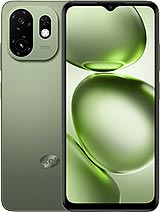
The itel A100C is an ultra-budget smartphone featuring a 6.6-inch 90Hz display for smoother scrolling and a 5000 mAh battery for multi-day endurance, aimed at first-time smartphone buyers and those requiring a durable secondary device. Released in October 2025, it competes in the sub-$100 market where durability and battery life are prioritized over raw processing power.
Looking at the landscape of late 2025, we see a market saturated with high-priced flagships and mid-range devices that often provide more power than the average user needs. The itel A100C ignores the race for megapixels and focuses on the economic reality of the budget-conscious consumer. It serves as a stark reminder that a smartphone is, first and foremost, a tool for communication and basic digital access.
The Hidden Tax of the Zero-Dollar Contract
Carrier stores frequently use devices like the itel A100C as bait for 'free' phone deals. While the sticker price of $0 sounds enticing, our economic analysis shows this is often a trap. Most carriers require a minimum monthly service plan that ranges from $30 to $60 to qualify for these 'free' upgrades. Over a 24-month period, a user could end up paying over $1,400 for a device that actually costs less than $100 upfront.
We recommend purchasing the itel A100C unlocked. By buying the device outright, users maintain the freedom to switch to low-cost MVNO carriers that offer plans for as little as $10 per month. This strategy results in a total cost of ownership that is roughly $1,000 cheaper over two years compared to standard carrier contracts. In the current economic climate of October 2025, that is a significant amount of liquidity to keep in your pocket.
Furthermore, carrier-branded versions of [budget phones](/trend/best-budget-phones-2026/) often come laden with bloatware—apps that cannot be deleted and consume precious system resources. Since this device runs Android 15 (Go edition), every megabyte of RAM is critical. The factory-unlocked itel A100C provides a cleaner software experience that allows the Unisoc T7100 chipset to operate without the extra weight of pre-installed marketing software.
Durability Over Aesthetics
While the military standard doesn't guarantee the device is indestructible, it implies a level of testing for vibration, shock, and temperature extremes that is rarely seen at this price point. For workers in construction, logistics, or outdoor environments, the hardware provides a safety net. The plastic shell might not feel premium, but it won't crack like the glass panels found on more expensive competitors from brands like Samsung or Xiaomi.
The IPS LCD display is protected by toughened glass, though it lacks the high-end Gorilla Glass certifications found in the flagship tier. At 400 nits, outdoor visibility remains a challenge under direct October sunlight, but the 90Hz refresh rate is a welcome addition. This higher refresh rate makes the interface feel more responsive than older 60Hz panels, partially masking the limitations of the entry-level processor during daily navigation.
Economic Depreciation and the Sunk Cost Fallacy
We must address the elephant in the room: resale value. The itel A100C is not an investment; it is a consumable tool. Historical data for the itel brand suggests that these devices lose approximately 60% of their market value within the first six months. Unlike an iPhone or a high-end Galaxy, you won't be trading this in for a significant discount on your next phone in 2027.
This lack of value retention means the itel A100C should be purchased with the intent of using it until it reaches its end-of-life. The 5000 mAh battery is designed for longevity, but the limited 2GB to 4GB of RAM means the phone will likely struggle with software updates by 2027. We suggest buyers opt for the 128GB/4GB variant whenever possible to extend the usable lifespan of the device by at least a year.
The PowerVR GE8322 GPU is another factor in this depreciation. While it handles basic 2D graphics and social media apps well enough today, it will not keep up with the increasing graphical demands of future apps. If your goal is a device that will still be 'snappy' in three years, the itel A100C is not the right choice. However, as a functional bridge or a reliable backup, its value is unmatched.
The Peripheral Ecosystem
The inclusion of a 3.5mm headphone jack is another economic win. It allows users to use inexpensive wired earbuds rather than being forced into the ecosystem of wireless Bluetooth buds, which require their own charging cycles and have limited battery lifespans. For the value hunter, the ability to use reliable $10 wired headphones is a major plus.
We also noticed the inclusion of an Infrared port. This is a rare feature in 2025 outside of some niche Chinese flagships. It allows the itel A100C to function as a universal remote for TVs and air conditioners. In a household with lost remotes, this single feature adds a layer of utility that transcends the phone's primary purpose as a communication device.
Peeling Back the Plastic
The Pure Black, Titanium Gold, Blaze Blue, and Silk Green color options are vibrant, but the material is clearly polycarbonate. This is a practical choice. Plastic doesn't interfere with the LTE signal as much as metal does, and it doesn't shatter like glass. The side-mounted fingerprint sensor is integrated into the power button, providing a natural way to unlock the device while maintaining a clean back design.
Inside, the Android 15 (Go edition) environment is optimized for the 64GB or 128GB of internal storage. The Go edition apps (like Google Go and Gallery Go) are designed to take up less space and use less data. This is critical because, after the OS and system files, users are left with about 48GB of usable space on the base model. The microSDXC slot is therefore an essential component for anyone planning to store photos or offline videos.
Software Sovereignty and Network Shackles
For those who like to tinker with their devices, the itel A100C presents some hurdles. The bootloader on itel devices is notoriously difficult to unlock, meaning you won't be installing custom ROMs to escape the itel OS 15 skin. While the skin is relatively light, it does push its own ecosystem of services and notifications that some users may find intrusive.
Network compatibility is another area for caution. The itel A100C supports GSM, HSPA, and LTE, but it lacks 5G support. By late 2025, 5G coverage has become the standard in most urban areas. While LTE is still perfectly capable of streaming 1080p video and handling video calls, you will not experience the ultra-low latency or peak speeds of 5G. This makes the A100C a better fit for rural areas where 5G hasn't arrived or for users who simply don't care about high-speed data.
On the plus side, the Nano-SIM + Nano-SIM tray allows for dual-line usage. This is perfect for users who want to keep their work and personal numbers separate on a single device without paying for two expensive monthly plans. It is this kind of practical, cost-saving hardware feature that defines the itel A100C's place in the market.
Final Calculations
If you are looking for a phone that will take professional-grade photos with its 8 MP camera, you will be disappointed. The sensor provides the hardware potential for basic documentation and clear video calls, but it lacks the dynamic range for artistic photography. However, if you need a phone that can survive a drop on a warehouse floor, stay charged for two days, and handle your WhatsApp messages without a hiccup, the itel A100C is a logical choice.
In our final estimation, the itel A100C is the ultimate 'anti-flagship.' It rejects the lifestyle marketing of the $1,000 smartphone in favor of raw utility. Buy it unlocked, pair it with a cheap data plan, and enjoy the financial freedom of not being tied to a carrier's expensive leash. For the senior budget economist, that is the ultimate win.
Technical Specifications
| LAUNCH | |
|---|---|
| Announced | 2025, October 06 |
| Status | Available. Released 2025, October |
| PLATFORM | |
| OS | Android 15 (Go edition), itel OS 15 |
| Chipset | Unisoc T7100 |
| CPU | Octa-core 1.8 GHz |
| GPU | PowerVR GE8322 |
| BODY | |
| Dimensions | 8.5 mm thickness |
| Weight | - |
| SIM | Nano-SIM + Nano-SIM |
| Info | MIL-STD-810H compliant* * does not guarantee ruggedness or use in extreme conditions Drop resistant up to 1.2m |
| DISPLAY | |
| Type | IPS LCD, 90Hz, 400 nits |
| Size | 6.6 inches, 104.6 cm2 |
| Resolution | 720 x 1612 pixels, 20:9 ratio (~267 ppi density) |
| MEMORY | |
| Card slot | microSDXC |
| Internal | 64GB 2GB RAM, 64GB 3GB RAM, 64GB 4GB RAM, 128GB 4GB RAM |
| MAIN CAMERA | |
| Single | 8 MP |
| Features | LED flash |
| Video | 1080p@30fps |
| SELFIE CAMERA | |
| Single | 5 MP |
| Video | Yes |
| SOUND | |
| Loudspeaker | Yes |
| 3.5mm jack | Yes |
| COMMS | |
| WLAN | Yes |
| Bluetooth | Yes |
| Positioning | GPS |
| NFC | No |
| Infrared port | Yes |
| Radio | Unspecified |
| USB | USB Type-C |
| NETWORK | |
| Technology | GSM / HSPA / LTE |
| 2G bands | GSM 850 / 900 / 1800 / 1900 |
| 3G bands | HSDPA 850 / 900 / 2100 |
| 4G bands | LTE |
| Speed | HSPA, LTE |
| FEATURES | |
| Sensors | Fingerprint (side-mounted), accelerometer |
| BATTERY | |
| Type | 5000 mAh |
| MISC | |
| Colors | Pure Black, Titanium Gold, Blaze Blue, Silk Green |