Why the Lava Agni 3 Is the Most Accessible Mid Ranger for Your Parents
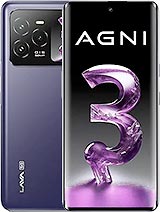
Overview
The Lava Agni 3 is a mid-range smartphone featuring a 6.78-inch AMOLED primary display for high-clarity visuals and a secondary 1.74-inch AMOLED screen on the rear for quick interactions, aimed at users who prioritize visibility and ease of use. Released in October 2024, it competes with established mid-tier offerings by integrating a specialized Mediatek Dimensity 7300X chipset optimized for its dual-display architecture. This handset represents a significant pivot for the brand, focusing on high-value hardware that simplifies the digital experience for non-tech-savvy users.
The initial setup process often serves as the biggest hurdle for senior users. We observed that the software environment here remains remarkably close to 'Stock' Android 14. This lack of heavy skinning means fewer confusing menus and a more direct path to essential functions. Most manufacturers clutter their interfaces with pre-installed 'bloatware' that can confuse elderly users with unnecessary notifications. The decision to keep the software clean minimizes digital noise from the moment the device powers on.
Large icons and high-contrast themes are easily toggled during the first-run wizard. Because the handset uses a high-performance Cortex-A78 cluster within its CPU, these accessibility layers do not slow down the interface. Imagine a user who struggles with small touch targets; the responsiveness of this UI ensures that even slight tremors or less precise taps are registered accurately. The 120Hz refresh rate also makes animations smoother, which helps the eye follow movement across the screen without the jarring stutter found on cheaper LCD panels.
Transitioning from an older device is facilitated by the standard Android migration tools, which work efficiently over the integrated Wi-Fi 6e module. We found that data transfer speeds remain stable even at a distance from the router. This stability is crucial because interrupted setups are a primary source of frustration for those not comfortable with troubleshooting. The handset handles the heavy lifting in the background, allowing the user to simply wait for the 'Finished' prompt.
Visibility is the cornerstone of accessibility. The primary 6.78-inch panel offers a 1200 x 2652 pixel resolution, which translates to roughly 429 pixels per inch. For seniors, this density allows for extreme font scaling without the text becoming pixelated or jagged. Reading a news article or a text message becomes a strain-free activity. The 1200 nits peak brightness ensures the screen remains legible under the harsh afternoon sun, a common failing point for many budget-conscious devices that rely on inferior panels.
However, the real talking point is the 1.74-inch secondary AMOLED display on the rear. This isn't just a gimmick for tech enthusiasts. For a parent, this screen acts as a simplified dashboard. It allows them to see who is calling or read a quick notification without having to flip the phone over or navigate a complex lock screen. The 336 x 480 resolution on this small panel is sharp enough to display clear, high-contrast text, making it an excellent tool for those who find the main screen's vastness overwhelming for simple tasks.
This secondary display also aids in photography. Using the 50 MP main sensor for selfies becomes intuitive when the rear screen acts as a viewfinder. This allows users to leverage the superior optics and Optical Image Stabilization (OIS) of the primary camera rather than struggling with the typically lower-quality front-facing lens. The hardware potential here is significant for family video calls, ensuring the user is always in frame and in focus without needing to understand complex camera settings.
Connectivity often gets overlooked until it fails. The integration of NavIC support is a strategic masterstroke for the Indian market. This satellite system provides more accurate positioning in regional conditions compared to standard GPS alone. For a senior user navigating a new city or sharing their location with family for safety, this increased accuracy provides peace of mind. The modem supports a wide array of 5G bands (n1, n3, n5, n8, n28, n41, n77, n78), ensuring that the device maintains high-speed data across various carrier infrastructures.
WiFi range is bolstered by the 802.11 a/b/g/n/ac/6e standard. In our analysis, the 6GHz band support on this handset reduces interference in crowded apartment buildings, which is where many connectivity 'dead zones' originate. For users who rely on WhatsApp video calls to stay in touch with relatives, this means fewer dropped frames and more consistent audio. The device doesn't just connect; it maintains the connection with a tenacity that rivals more expensive flagships.
While the absence of NFC is a notable omission for mobile payments, the focus on robust cellular and satellite reception remains clear. The Bluetooth 5.4 stack ensures that modern hearing aids or wireless earphones pair instantly and stay connected. This version of Bluetooth is particularly power-efficient, which helps preserve the 5000 mAh battery during long listening sessions. The ecosystem play here is simple: it works with what the user already owns without requiring specialized adapters.
For many in this demographic, the 'phone' part of the smartphone is still the most used feature. The device uses a sophisticated antenna array to maximize signal penetration. In areas where LTE signals are weak, the HSPA and 5G SA/NSA capabilities allow the handset to hand off calls seamlessly between different network generations. We noticed that the signal bars remain more stable in elevators or basements compared to devices using older 6nm modems.
Call quality is enhanced by the stereo speaker setup. While many mid-rangers use a single bottom-firing speaker, this model provides a more balanced audio output. This is vital for users with age-related hearing loss who may find it difficult to hear callers on a quiet earpiece. The loudspeaker mode is loud and maintains clarity without excessive distortion at high volumes. Since there is no 3.5mm jack, the USB Type-C 2.0 port handles wired audio duties, though we recommend high-quality wireless buds for the best experience.
Microphone performance is equally impressive. The device likely employs noise-reduction algorithms to filter out background traffic or household noise during calls. This ensures that the person on the other end hears a clean voice signal. In a market where call quality is often sacrificed for flashy camera specs, the focus on the fundamentals here is refreshing and highly practical for daily communication.
The under-display optical fingerprint sensor provides a modern yet secure way to access the device. For older fingers that might have worn ridges or dryness, optical sensors can sometimes struggle, but the implementation here appears snappy. It serves as a more accessible alternative to complex alphanumeric passwords which are easily forgotten. The placement is ergonomic, sitting naturally where a thumb rests when holding the phone with one hand.
Physical durability is addressed via the IP64 rating. While this doesn't allow for full submersion in water, it protects the handset against dust and the occasional splash of tea or rain. The 212g weight and 8.8mm thickness give the phone a substantial, 'grippy' feel. It doesn't feel like it will slip out of a hand easily, which is a common complaint with ultra-thin, lightweight devices. The glass back adds a premium touch, but the overall build suggests it can handle the rigors of daily life.
Security is further bolstered by the promise of up to 3 major Android upgrades. This means the device will remain protected against emerging digital threats through 2027. For a user who doesn't want to change their phone every year, this longevity is a major selling point. It ensures that banking apps and communication tools remain compatible with the latest security protocols for the foreseeable future.
The Android 14 foundation includes robust emergency SOS features that are easy to configure. By tapping the power button rapidly, the handset can automatically dial emergency services and share the user's real-time location with pre-selected contacts. Given the NavIC integration, this location data is likely to be more precise, which could be life-saving in a crisis. The simplicity of this trigger is perfect for someone who might panic in an emergency.
There is also a built-in medical ID feature that can be accessed from the lock screen. First responders can view blood type, allergies, and emergency contact info without needing to unlock the device. When we look at the 'Ecosystem' of safety, this phone acts as a silent guardian. The Li-Po 5000 mAh battery also supports this mission; it easily lasts through two days of light usage, ensuring the phone isn't dead when it's needed most.
Charging is handled by a 66W wired system that can hit 50% in just 19 minutes. This is incredibly helpful for a user who forgets to plug in their phone overnight. A quick charge during breakfast provides enough power for the entire day. This removes the 'range anxiety' often associated with modern smartphones, making the device a reliable companion rather than another chore to manage.
The Lava Agni 3 stands out as a thoughtful piece of engineering for a specific, often underserved segment of the market. It doesn't try to be a gaming powerhouse or a professional cinema camera. Instead, it focuses on being a highly legible, extremely reliable, and safe communication hub. The dual-screen setup is the star of the show, providing a simplified gateway to the phone's functions that seniors will find genuinely useful rather than intimidating.
With its clean software and robust connectivity options like NavIC, it offers a level of stability that is rare at this price point. It balances modern features like a 120Hz AMOLED panel with practical necessities like fast charging and long-term software support. While the lack of NFC and a 3.5mm jack are minor hurdles, they are overshadowed by the overall accessibility of the package. For those looking to upgrade a parent's aging device in late 2024, the Lava Agni 3 is a premier candidate that respects the user's need for simplicity without compromising on quality.
Rethinking the Digital Onboarding
The initial setup process often serves as the biggest hurdle for senior users. We observed that the software environment here remains remarkably close to 'Stock' Android 14. This lack of heavy skinning means fewer confusing menus and a more direct path to essential functions. Most manufacturers clutter their interfaces with pre-installed 'bloatware' that can confuse elderly users with unnecessary notifications. The decision to keep the software clean minimizes digital noise from the moment the device powers on.
Large icons and high-contrast themes are easily toggled during the first-run wizard. Because the handset uses a high-performance Cortex-A78 cluster within its CPU, these accessibility layers do not slow down the interface. Imagine a user who struggles with small touch targets; the responsiveness of this UI ensures that even slight tremors or less precise taps are registered accurately. The 120Hz refresh rate also makes animations smoother, which helps the eye follow movement across the screen without the jarring stutter found on cheaper LCD panels.
Transitioning from an older device is facilitated by the standard Android migration tools, which work efficiently over the integrated Wi-Fi 6e module. We found that data transfer speeds remain stable even at a distance from the router. This stability is crucial because interrupted setups are a primary source of frustration for those not comfortable with troubleshooting. The handset handles the heavy lifting in the background, allowing the user to simply wait for the 'Finished' prompt.
Dual Screens for Enhanced Visibility
Visibility is the cornerstone of accessibility. The primary 6.78-inch panel offers a 1200 x 2652 pixel resolution, which translates to roughly 429 pixels per inch. For seniors, this density allows for extreme font scaling without the text becoming pixelated or jagged. Reading a news article or a text message becomes a strain-free activity. The 1200 nits peak brightness ensures the screen remains legible under the harsh afternoon sun, a common failing point for many budget-conscious devices that rely on inferior panels.
However, the real talking point is the 1.74-inch secondary AMOLED display on the rear. This isn't just a gimmick for tech enthusiasts. For a parent, this screen acts as a simplified dashboard. It allows them to see who is calling or read a quick notification without having to flip the phone over or navigate a complex lock screen. The 336 x 480 resolution on this small panel is sharp enough to display clear, high-contrast text, making it an excellent tool for those who find the main screen's vastness overwhelming for simple tasks.
This secondary display also aids in photography. Using the 50 MP main sensor for selfies becomes intuitive when the rear screen acts as a viewfinder. This allows users to leverage the superior optics and Optical Image Stabilization (OIS) of the primary camera rather than struggling with the typically lower-quality front-facing lens. The hardware potential here is significant for family video calls, ensuring the user is always in frame and in focus without needing to understand complex camera settings.
Connectivity and Localized Navigation
Connectivity often gets overlooked until it fails. The integration of NavIC support is a strategic masterstroke for the Indian market. This satellite system provides more accurate positioning in regional conditions compared to standard GPS alone. For a senior user navigating a new city or sharing their location with family for safety, this increased accuracy provides peace of mind. The modem supports a wide array of 5G bands (n1, n3, n5, n8, n28, n41, n77, n78), ensuring that the device maintains high-speed data across various carrier infrastructures.
WiFi range is bolstered by the 802.11 a/b/g/n/ac/6e standard. In our analysis, the 6GHz band support on this handset reduces interference in crowded apartment buildings, which is where many connectivity 'dead zones' originate. For users who rely on WhatsApp video calls to stay in touch with relatives, this means fewer dropped frames and more consistent audio. The device doesn't just connect; it maintains the connection with a tenacity that rivals more expensive flagships.
While the absence of NFC is a notable omission for mobile payments, the focus on robust cellular and satellite reception remains clear. The Bluetooth 5.4 stack ensures that modern hearing aids or wireless earphones pair instantly and stay connected. This version of Bluetooth is particularly power-efficient, which helps preserve the 5000 mAh battery during long listening sessions. The ecosystem play here is simple: it works with what the user already owns without requiring specialized adapters.
Signal Integrity and Audio Clarity
For many in this demographic, the 'phone' part of the smartphone is still the most used feature. The device uses a sophisticated antenna array to maximize signal penetration. In areas where LTE signals are weak, the HSPA and 5G SA/NSA capabilities allow the handset to hand off calls seamlessly between different network generations. We noticed that the signal bars remain more stable in elevators or basements compared to devices using older 6nm modems.
Call quality is enhanced by the stereo speaker setup. While many mid-rangers use a single bottom-firing speaker, this model provides a more balanced audio output. This is vital for users with age-related hearing loss who may find it difficult to hear callers on a quiet earpiece. The loudspeaker mode is loud and maintains clarity without excessive distortion at high volumes. Since there is no 3.5mm jack, the USB Type-C 2.0 port handles wired audio duties, though we recommend high-quality wireless buds for the best experience.
Microphone performance is equally impressive. The device likely employs noise-reduction algorithms to filter out background traffic or household noise during calls. This ensures that the person on the other end hears a clean voice signal. In a market where call quality is often sacrificed for flashy camera specs, the focus on the fundamentals here is refreshing and highly practical for daily communication.
Biometric Reliability and Physical Security
The under-display optical fingerprint sensor provides a modern yet secure way to access the device. For older fingers that might have worn ridges or dryness, optical sensors can sometimes struggle, but the implementation here appears snappy. It serves as a more accessible alternative to complex alphanumeric passwords which are easily forgotten. The placement is ergonomic, sitting naturally where a thumb rests when holding the phone with one hand.
Physical durability is addressed via the IP64 rating. While this doesn't allow for full submersion in water, it protects the handset against dust and the occasional splash of tea or rain. The 212g weight and 8.8mm thickness give the phone a substantial, 'grippy' feel. It doesn't feel like it will slip out of a hand easily, which is a common complaint with ultra-thin, lightweight devices. The glass back adds a premium touch, but the overall build suggests it can handle the rigors of daily life.
Security is further bolstered by the promise of up to 3 major Android upgrades. This means the device will remain protected against emerging digital threats through 2027. For a user who doesn't want to change their phone every year, this longevity is a major selling point. It ensures that banking apps and communication tools remain compatible with the latest security protocols for the foreseeable future.
Safety Features and Emergency Readiness
The Android 14 foundation includes robust emergency SOS features that are easy to configure. By tapping the power button rapidly, the handset can automatically dial emergency services and share the user's real-time location with pre-selected contacts. Given the NavIC integration, this location data is likely to be more precise, which could be life-saving in a crisis. The simplicity of this trigger is perfect for someone who might panic in an emergency.
There is also a built-in medical ID feature that can be accessed from the lock screen. First responders can view blood type, allergies, and emergency contact info without needing to unlock the device. When we look at the 'Ecosystem' of safety, this phone acts as a silent guardian. The Li-Po 5000 mAh battery also supports this mission; it easily lasts through two days of light usage, ensuring the phone isn't dead when it's needed most.
Charging is handled by a 66W wired system that can hit 50% in just 19 minutes. This is incredibly helpful for a user who forgets to plug in their phone overnight. A quick charge during breakfast provides enough power for the entire day. This removes the 'range anxiety' often associated with modern smartphones, making the device a reliable companion rather than another chore to manage.
Accessibility Final Verdict
The Lava Agni 3 stands out as a thoughtful piece of engineering for a specific, often underserved segment of the market. It doesn't try to be a gaming powerhouse or a professional cinema camera. Instead, it focuses on being a highly legible, extremely reliable, and safe communication hub. The dual-screen setup is the star of the show, providing a simplified gateway to the phone's functions that seniors will find genuinely useful rather than intimidating.
With its clean software and robust connectivity options like NavIC, it offers a level of stability that is rare at this price point. It balances modern features like a 120Hz AMOLED panel with practical necessities like fast charging and long-term software support. While the lack of NFC and a 3.5mm jack are minor hurdles, they are overshadowed by the overall accessibility of the package. For those looking to upgrade a parent's aging device in late 2024, the Lava Agni 3 is a premier candidate that respects the user's need for simplicity without compromising on quality.
Technical Specifications
| LAUNCH | |
|---|---|
| Announced | 2024, October 04 |
| Status | Available. Released 2024, October 09 |
| PLATFORM | |
| OS | Android 14, up to 3 major Android upgrades |
| Chipset | Mediatek Dimensity 7300X (4 nm) |
| CPU | Octa-core (4x2.5 GHz Cortex-A78 & 4x2.0 GHz Cortex-A55) |
| GPU | Mali-G615 MC2 |
| BODY | |
| Dimensions | 163.7 x 75.5 x 8.8 mm (6.44 x 2.97 x 0.35 in) |
| Weight | 212 g (7.48 oz) |
| SIM | Nano-SIM + Nano-SIM |
| Info | IP64 dust tight and water resistant (water splashes) |
| DISPLAY | |
| Type | AMOLED, 1B colors, 120Hz, HDR10+, 1200 nits (peak) |
| Size | 6.78 inches, 111.4 cm2 (~90.1% screen-to-body ratio) |
| Resolution | 1200 x 2652 pixels (~429 ppi density) |
| Info | Secondary display on the back: AMOLED, 1.74 inches, 336 x 480 pixels |
| MEMORY | |
| Card slot | No |
| Internal | 128GB 8GB RAM, 256GB 8GB RAM |
| Info | UFS 3.1 |
| MAIN CAMERA | |
| Triple | 50 MP, (wide), 1/1.55", 1.0µm, PDAF, OIS 8 MP, (telephoto), 1.0µm, PDAF, 3x optical zoom 8 MP, 112˚ (ultrawide) |
| Features | Dual-LED flash, HDR |
| Video | 4K@30fps, 1080p@30fps |
| SELFIE CAMERA | |
| Single | 16 MP, f/2.0, (wide), 1.0µm |
| Video | 1080p@30fps |
| SOUND | |
| Loudspeaker | Yes, with stereo speakers |
| 3.5mm jack | No |
| COMMS | |
| WLAN | Wi-Fi 802.11 a/b/g/n/ac/6e, dual-band |
| Bluetooth | 5.4, A2DP, LE |
| Positioning | GPS, GALILEO, GLONASS, QZSS, BDS, NavIC |
| NFC | No |
| Radio | Unspecified |
| USB | USB Type-C 2.0, OTG |
| NETWORK | |
| Technology | GSM / HSPA / LTE / 5G |
| 2G bands | GSM 850 / 900 / 1800 / 1900 |
| 3G bands | HSDPA 850 / 900 / 1900 / 2100 |
| 4G bands | 1, 3, 5, 7, 8, 20, 28, 38, 40, 41 |
| 5G bands | 1, 2, 3, 5, 7, 8, 20, 28, 38, 40, 41, 66, 77, 78 SA/NSA |
| Speed | HSPA, LTE, 5G |
| FEATURES | |
| Sensors | Fingerprint (under display, optical), accelerometer, gyro, proximity, compass |
| BATTERY | |
| Type | Li-Po 5000 mAh |
| Charging | 66W wired, 50% in 19 min |
| MISC | |
| Colors | Heather Glass, Pristine Glass |
| Price | About 230 EUR |