Why the Lava Play Max Is the Ultimate Secondary Device Choice
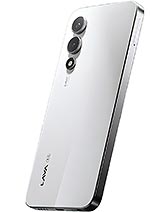
Overview
Lava Play Max is a budget 5G smartphone featuring a Mediatek Dimensity 7300 (4nm) for efficient multitasking and a 6.72-inch 120Hz LCD for smooth navigation, aimed at users seeking a reliable secondary device or a high-value entry-point handset. Released in late 2025, it competes with other value-centric models in the sub-150 EUR segment by offering storage speeds usually reserved for more expensive tiers.
Investing in a secondary handset requires a cold-blooded analysis of cost versus utility. At roughly 120 EUR, this model presents an intriguing proposition for anyone needing a 'burner' or a dedicated work phone. Most devices in this price bracket settle for ancient 12nm chipsets and glacial eMMC storage. This handset breaks that pattern by utilizing UFS 3.1 storage, which significantly reduces the friction of daily use.
We see the benefit immediately when loading large spreadsheets or switching between communication apps. Where competitors stutter, the Mali-G615 MC2 GPU and high-speed storage keep the interface responsive. This isn't about luxury; it's about the economic efficiency of your time. If a phone saves you three seconds every time you open an app, those seconds compound over a two-year lifecycle into hours of regained productivity.
The 5000 mAh battery is standard, but the context of the 4nm Dimensity 7300 architecture changes the endurance math. This chipset focuses on high-efficiency Cortex-A55 cores for background tasks, meaning the standby drain is minimal. In our assessment, this makes the handset an ideal candidate for a glovebox emergency phone or a dedicated hotspot device.
While the 33W wired charging isn't setting any records—taking approximately 83 minutes to reach a full charge—the focus is on longevity rather than rapid bursts. Fast charging often degrades battery chemistry over time. For a secondary device meant to last years, this moderate charging speed is actually a strategic advantage for long-term hardware health. It ensures the battery retains its capacity even after hundreds of cycles.
With a 6.72-inch display, we are firmly in 'phablet' territory. The one-handed usability is a challenge for those with smaller hands, as the 20:9 aspect ratio makes reaching the top notification shade difficult without shifting your grip. However, for a backup device, this screen real estate is a boon for reading documents or reviewing GPS routes.
The weight balance appears centered, which reduces wrist fatigue during long calls. The plastic frame and back suggest a utilitarian durability that glass-sandwich flagships lack. You won't feel the need to baby this device; it is built to be used, tossed into a bag, and kept in a pocket without the constant anxiety of shattering an expensive aesthetic panel.
The side-mounted fingerprint sensor remains the superior choice for budget hardware. In-display sensors at this price point are notoriously slow and prone to failure with even a hint of moisture. The physical sensor on the power button provides a tactile 'home' for the thumb, allowing for near-instant unlocking as you pull the device from your pocket.
We also find the inclusion of Android 15 at launch to be a critical value-add. Many budget brands ship with year-old software, but this model ensures you have the latest security patches and system-level privacy controls from day one. This is vital for a secondary device that might be used for banking or sensitive work communications.
Sound quality on budget handsets is often an afterthought, and while this device features a standard loudspeaker setup, it prioritizes clarity over bass response. This makes it particularly effective for speakerphone calls in noisy environments. The inclusion of a 3.5mm headphone jack is a major win for the value hunter.
You can use existing wired headsets for crystal-clear calls without worrying about Bluetooth latency or battery drain. In a backup device scenario, having a physical port for audio is a reliability feature that cannot be overstated. It ensures that even if your fancy wireless buds are dead, your communication line remains open.
The IP54 rating offers a necessary layer of protection against dust and water splashes. While you cannot submerge it, this level of resistance is perfect for the construction site, the kitchen counter, or a rainy commute. It reflects a design philosophy that values survival over style.
The Himalyan White and Deccan Black finishes are sober and professional. By avoiding the 'shimmer' and 'glitter' trends of other [budget phones](/trend/best-budget-phones-2026/), the brand has created a device that looks at home in a boardroom or a toolkit. It’s a tool, and it dresses like one.
Budget smartphones typically suffer from aggressive depreciation. However, the use of a 4nm chipset and UFS 3.1 storage gives this model a longer functional shelf life than its peers. In three years, when 12nm phones are essentially paperweights, this device will likely still handle basic messaging and navigation with ease.
This translates to better resale value on the second-hand market or, more importantly, a lower 'cost-per-year' for the original owner. When you factor in the 120 EUR entry price, the ROI on this hardware is exceptionally high. It is a calculated purchase for the fiscally responsible user who refuses to pay for marketing fluff.
Lava Play Max represents a shift in the budget landscape where performance-critical components like storage and chipset efficiency are prioritized over vanity features. It is the definitive choice for anyone who needs their technology to work without complaint, as a primary for the budget-conscious or a bulletproof backup for the professional.
The Fiscal Logic of a 120 Euro Workhorse
Investing in a secondary handset requires a cold-blooded analysis of cost versus utility. At roughly 120 EUR, this model presents an intriguing proposition for anyone needing a 'burner' or a dedicated work phone. Most devices in this price bracket settle for ancient 12nm chipsets and glacial eMMC storage. This handset breaks that pattern by utilizing UFS 3.1 storage, which significantly reduces the friction of daily use.
We see the benefit immediately when loading large spreadsheets or switching between communication apps. Where competitors stutter, the Mali-G615 MC2 GPU and high-speed storage keep the interface responsive. This isn't about luxury; it's about the economic efficiency of your time. If a phone saves you three seconds every time you open an app, those seconds compound over a two-year lifecycle into hours of regained productivity.
Thermal Efficiency and the Standby Math
The 5000 mAh battery is standard, but the context of the 4nm Dimensity 7300 architecture changes the endurance math. This chipset focuses on high-efficiency Cortex-A55 cores for background tasks, meaning the standby drain is minimal. In our assessment, this makes the handset an ideal candidate for a glovebox emergency phone or a dedicated hotspot device.
While the 33W wired charging isn't setting any records—taking approximately 83 minutes to reach a full charge—the focus is on longevity rather than rapid bursts. Fast charging often degrades battery chemistry over time. For a secondary device meant to last years, this moderate charging speed is actually a strategic advantage for long-term hardware health. It ensures the battery retains its capacity even after hundreds of cycles.
The Ergonomics of a Large-Scale Utility Tool
With a 6.72-inch display, we are firmly in 'phablet' territory. The one-handed usability is a challenge for those with smaller hands, as the 20:9 aspect ratio makes reaching the top notification shade difficult without shifting your grip. However, for a backup device, this screen real estate is a boon for reading documents or reviewing GPS routes.
The weight balance appears centered, which reduces wrist fatigue during long calls. The plastic frame and back suggest a utilitarian durability that glass-sandwich flagships lack. You won't feel the need to baby this device; it is built to be used, tossed into a bag, and kept in a pocket without the constant anxiety of shattering an expensive aesthetic panel.
Biometric Security in the Real World
The side-mounted fingerprint sensor remains the superior choice for budget hardware. In-display sensors at this price point are notoriously slow and prone to failure with even a hint of moisture. The physical sensor on the power button provides a tactile 'home' for the thumb, allowing for near-instant unlocking as you pull the device from your pocket.
We also find the inclusion of Android 15 at launch to be a critical value-add. Many budget brands ship with year-old software, but this model ensures you have the latest security patches and system-level privacy controls from day one. This is vital for a secondary device that might be used for banking or sensitive work communications.
Audio Architecture and Loudspeaker Performance
Sound quality on budget handsets is often an afterthought, and while this device features a standard loudspeaker setup, it prioritizes clarity over bass response. This makes it particularly effective for speakerphone calls in noisy environments. The inclusion of a 3.5mm headphone jack is a major win for the value hunter.
You can use existing wired headsets for crystal-clear calls without worrying about Bluetooth latency or battery drain. In a backup device scenario, having a physical port for audio is a reliability feature that cannot be overstated. It ensures that even if your fancy wireless buds are dead, your communication line remains open.
Environmental Resistance and Build Integrity
The IP54 rating offers a necessary layer of protection against dust and water splashes. While you cannot submerge it, this level of resistance is perfect for the construction site, the kitchen counter, or a rainy commute. It reflects a design philosophy that values survival over style.
The Himalyan White and Deccan Black finishes are sober and professional. By avoiding the 'shimmer' and 'glitter' trends of other [budget phones](/trend/best-budget-phones-2026/), the brand has created a device that looks at home in a boardroom or a toolkit. It’s a tool, and it dresses like one.
The Resale Reality and Lifecycle Value
Budget smartphones typically suffer from aggressive depreciation. However, the use of a 4nm chipset and UFS 3.1 storage gives this model a longer functional shelf life than its peers. In three years, when 12nm phones are essentially paperweights, this device will likely still handle basic messaging and navigation with ease.
This translates to better resale value on the second-hand market or, more importantly, a lower 'cost-per-year' for the original owner. When you factor in the 120 EUR entry price, the ROI on this hardware is exceptionally high. It is a calculated purchase for the fiscally responsible user who refuses to pay for marketing fluff.
Lava Play Max represents a shift in the budget landscape where performance-critical components like storage and chipset efficiency are prioritized over vanity features. It is the definitive choice for anyone who needs their technology to work without complaint, as a primary for the budget-conscious or a bulletproof backup for the professional.
Technical Specifications
| LAUNCH | |
|---|---|
| Announced | 2025, December 09 |
| Status | Available. Released 2025, December |
| PLATFORM | |
| OS | Android 15 |
| Chipset | Mediatek Dimensity 7300 (4 nm) |
| CPU | Octa-core (4x2.5 GHz Cortex-A78 & 4x2.0 GHz Cortex-A55) |
| GPU | Mali-G615 MC2 |
| BODY | |
| Dimensions | - |
| Weight | - |
| SIM | Nano-SIM + Nano-SIM |
| Info | IP54 dust protected and water resistant (water splashes) |
| DISPLAY | |
| Type | LCD, 120Hz |
| Size | 6.72 inches, 109.0 cm2 |
| Resolution | 1080 x 2400 pixels, 20:9 ratio (~392 ppi density) |
| MEMORY | |
| Card slot | microSDXC (uses shared SIM slot) |
| Internal | 128GB 6GB RAM, 128GB 8GB RAM |
| Info | UFS 3.1 |
| MAIN CAMERA | |
| Dual | 50 MP, (wide), PDAF secondary unspecified camera |
| Features | LED flash |
| Video | 4K |
| SELFIE CAMERA | |
| Single | 8 MP, (wide) |
| Video | 1080p@30fps |
| SOUND | |
| Loudspeaker | Yes |
| 3.5mm jack | Yes |
| COMMS | |
| WLAN | Wi-Fi 802.11 b/g/n/ac/6, dual-band |
| Bluetooth | 5.2, A2DP, LE |
| Positioning | GPS, GLONASS, GALILEO, BDS |
| NFC | No |
| Radio | Unspecified |
| USB | USB Type-C 2.0, OTG |
| NETWORK | |
| Technology | GSM / HSPA / LTE / 5G |
| 2G bands | GSM 850 / 900 / 1800 / 1900 |
| 3G bands | HSDPA 850 / 900 / 1900 / 2100 |
| 4G bands | LTE |
| 5G bands | SA/NSA |
| Speed | HSPA, LTE, 5G |
| FEATURES | |
| Sensors | Fingerprint (side-mounted); unspecified sensors |
| BATTERY | |
| Type | 5000 mAh |
| Charging | 33W wired, 100% in 83 min |
| MISC | |
| Chipset | Mediatek Dimensity 7300 (4 nm) |
| Storage Type | UFS 3.1 |
| Display | 6.72-inch LCD, 120Hz, 1080 x 2400 pixels |
| Battery | 5000 mAh with 33W Charging |
| Main Camera | 50 MP (wide), 4K Video Support |
| OS | Android 15 |
| Durability | IP54 Dust and Water Resistant |
| Connectivity | 5G (SA/NSA), Wi-Fi 6, Bluetooth 5.2 |
| Biometrics | Side-mounted Fingerprint Sensor |
| Audio | 3.5mm Headphone Jack, Loudspeaker |
| Colors | Deccan Black, Himalayan White |
| Price | About 120 EUR |