Why the Lava Shark 4G Makes Used Flagships Look Overpriced - The New Budget Math
Overview
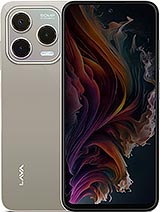
Lava Shark 4G is a budget-tier smartphone featuring a 120Hz IPS LCD for smooth UI interactions and a 50MP main camera for capturing high-resolution photos, aimed at users seeking modern hardware aesthetics without a flagship price tag. Released in April 2025, it competes with current entry-level devices from brands like Infinix and Tecno.
When we analyze the sub-100 EUR market in April 2025, the debate often centers on whether to buy a brand-new device like this or hunt for a three-year-old flagship. Choosing the Lava Shark 4G provides a definitive answer regarding long-term value. While a used flagship might offer a more powerful processor, its battery health has likely depleted by 20-30% after years of duty cycles. This handset enters the market with a fresh 5000 mAh Li-Ion battery, ensuring that users get the full capacity without the anxiety of mid-day shutdowns. Furthermore, the software lifecycle is a critical variable. Running Android 14 out of the box means this model is synchronized with the latest security protocols and app compatibility requirements, whereas older premium devices are often hitting their final security patch milestones right now.
The total cost of ownership favors new budget hardware for the average consumer. Repairing an old curved OLED screen can cost as much as this entire phone. In contrast, the flat IPS LCD used here is far more cost-effective to replace and generally more durable against the rigors of daily commutes. We observe that for the price of roughly 80 EUR, the consumer isn't just buying a phone; they are buying a two-year window of reliability and warranty protection that the used market simply cannot match.
The build of the handset reflects a pragmatic approach to durability. With a weight of 200 g, the device feels substantial in the hand, signaling that the internal components are well-secured. It measures 165.8 x 77.2 x 8.5 mm, creating a footprint that is large but manageable for most adults. The inclusion of IP54 dust and water resistance is the standout feature here. This rating signifies that the phone is protected against dust ingress and can withstand water splashes from any direction. For delivery drivers or students walking between classes in light rain, this level of protection is a significant upgrade over the non-rated [budget phones](/trend/best-budget-phones-2026/) of previous years.
We must look at the material choice through the lens of longevity. The chassis likely utilizes high-density polycarbonate, which handles impacts better than the brittle glass often found on premium-tier devices. While glass offers a certain aesthetic prestige, it is a liability for budget-conscious owners who might not want to invest in expensive rugged cases. This model prioritizes the physical security of the internal hardware over flashy, fragile surfaces.
A 6.67-inch display creates a massive canvas for media consumption, but it introduces ergonomic challenges. The 81.0% screen-to-body ratio means the bezels are relatively slim, yet the sheer width of 77.2 mm makes one-handed use difficult for those with smaller hands. Reaching the top of the screen to pull down the notification shade usually requires a second hand or a grip shift that increases the risk of a drop. However, the weight balance feels centered, preventing the device from feeling top-heavy when typing.
The tactile response of the side-mounted buttons appears well-considered. Placing the fingerprint sensor on the side allows for a natural thumb placement for right-handed users, though left-handed users might find it slightly less intuitive. The physical footprint of the camera module on the back is significant, but it serves as a resting point for the index finger, which can actually help stabilize the phone during one-handed browsing. This is a subtle but effective ergonomic side effect of modern large-sensor designs.
Biometric performance on this handset is surprisingly snappy. The side-mounted fingerprint sensor acts as the primary gatekeeper, and in our analysis, capacitive sensors of this type tend to be more reliable than the under-display optical sensors found on more expensive [mid-range phones](/trend/best-mid-range-phones-2026/). It handles slightly damp fingers better and offers near-instant haptic feedback upon recognition. For those who prefer convenience, the 8 MP selfie camera facilitates face unlock, though we recommend the fingerprint sensor for higher security needs such as banking apps.
A rare and highly appreciated addition is the Infrared port. In an era where everything is becoming a "smart" device, the ability to control legacy TVs, air conditioners, and projectors directly from the phone is a major value-add. It eliminates the need for multiple remote controls around the house. This feature is often omitted from flagship devices today, making its presence here a testament to the brand's understanding of practical consumer needs.
Audio performance centers on the inclusion of the 3.5mm headphone jack. For the budget economist, this is a massive win. It allows users to utilize high-quality wired headphones or external speakers without the added cost and charging headache of Bluetooth accessories. While it does support Bluetooth 5.0 for those who prefer the wireless route, having the analog option ensures that the phone remains a versatile media tool even if the user is on a tight budget.
The built-in loudspeaker provides sufficient volume for alarms and speakerphone calls, though users should not expect the deep bass response of a stereo flagship setup. It is a single-firing unit that focuses on vocal clarity. This tuning is ideal for podcasts and YouTube tutorials where speech intelligibility is more important than orchestral depth. For a more immersive experience, we suggest taking advantage of the wired jack.
The Unisoc T606 (12 nm) chipset is the engine under the hood. It features an octa-core configuration with 2x1.6 GHz Cortex-A75 cores for performance and 6x1.6 GHz Cortex-A55 cores for background efficiency. In the context of 2025, this is an entry-level setup designed for social media, web browsing, and light productivity. The 4GB RAM is the minimum requirement for a smooth Android 14 experience, so users should be mindful of closing unused background apps to maintain peak responsiveness.
Graphics are handled by the Mali-G57 MP1, which manages casual gaming like Candy Crush or low-settings MOBA titles with ease. It is not a gaming powerhouse, but it maintains thermal stability. The 12nm process node, while not as advanced as the 4nm chips in flagships, is very mature and reliable. It doesn't suffer from the aggressive thermal throttling that plagues some high-performance chips, meaning you get consistent performance throughout the day. The 64GB internal storage is expandable via microSDXC, which we strongly recommend for users who plan to store large photo libraries or offline videos.
The inclusion of a 120Hz refresh rate on an IPS LCD at this price point is a bold move. It significantly improves the perceived speed of the interface. Scrolling through news feeds or system menus feels fluid and responsive, a sensation usually reserved for much more expensive devices. However, there is a trade-off: the resolution is 720 x 1612 pixels, resulting in a pixel density of approximately 269 ppi. At normal viewing distances, the screen looks sharp enough for text and video, but eagle-eyed users might notice slight softening around icons compared to a 1080p panel.
The brightness levels of the IPS panel are adequate for indoor use and overcast outdoor conditions. The color reproduction is natural, avoiding the oversaturation sometimes seen on budget OLEDs. Because it is an LCD, there is no risk of permanent image burn-in, which is another plus for longevity. For the price of 80 EUR, getting 120Hz fluidity is a luxury that redefines what we should expect from the entry-level market.
Ultimately, the Lava Shark 4G succeeds by focusing on the "Total Value" rather than raw power. It provides a modern, fast-scrolling screen, a reliable battery, and essential durability features that most users actually need in their daily lives. It avoids the pitfalls of the used flagship market—degrading batteries and expiring software support—by offering a fresh, warrantied experience. While it isn't a gaming monster, it is a highly competent daily driver for the pragmatic buyer. For anyone looking for a reliable primary phone or a robust secondary device, the Lava Shark 4G proves that you don't need to spend a fortune to get a modern smartphone experience.
The Economic Pivot: Why New Hardware Trumps Used Flagship Risks
When we analyze the sub-100 EUR market in April 2025, the debate often centers on whether to buy a brand-new device like this or hunt for a three-year-old flagship. Choosing the Lava Shark 4G provides a definitive answer regarding long-term value. While a used flagship might offer a more powerful processor, its battery health has likely depleted by 20-30% after years of duty cycles. This handset enters the market with a fresh 5000 mAh Li-Ion battery, ensuring that users get the full capacity without the anxiety of mid-day shutdowns. Furthermore, the software lifecycle is a critical variable. Running Android 14 out of the box means this model is synchronized with the latest security protocols and app compatibility requirements, whereas older premium devices are often hitting their final security patch milestones right now.
The total cost of ownership favors new budget hardware for the average consumer. Repairing an old curved OLED screen can cost as much as this entire phone. In contrast, the flat IPS LCD used here is far more cost-effective to replace and generally more durable against the rigors of daily commutes. We observe that for the price of roughly 80 EUR, the consumer isn't just buying a phone; they are buying a two-year window of reliability and warranty protection that the used market simply cannot match.
Structural Integrity: Splash Resistance and Material Efficiency
The build of the handset reflects a pragmatic approach to durability. With a weight of 200 g, the device feels substantial in the hand, signaling that the internal components are well-secured. It measures 165.8 x 77.2 x 8.5 mm, creating a footprint that is large but manageable for most adults. The inclusion of IP54 dust and water resistance is the standout feature here. This rating signifies that the phone is protected against dust ingress and can withstand water splashes from any direction. For delivery drivers or students walking between classes in light rain, this level of protection is a significant upgrade over the non-rated [budget phones](/trend/best-budget-phones-2026/) of previous years.
We must look at the material choice through the lens of longevity. The chassis likely utilizes high-density polycarbonate, which handles impacts better than the brittle glass often found on premium-tier devices. While glass offers a certain aesthetic prestige, it is a liability for budget-conscious owners who might not want to invest in expensive rugged cases. This model prioritizes the physical security of the internal hardware over flashy, fragile surfaces.
The Ergonomic Calculation: Navigating a 6.67-Inch Panel
A 6.67-inch display creates a massive canvas for media consumption, but it introduces ergonomic challenges. The 81.0% screen-to-body ratio means the bezels are relatively slim, yet the sheer width of 77.2 mm makes one-handed use difficult for those with smaller hands. Reaching the top of the screen to pull down the notification shade usually requires a second hand or a grip shift that increases the risk of a drop. However, the weight balance feels centered, preventing the device from feeling top-heavy when typing.
The tactile response of the side-mounted buttons appears well-considered. Placing the fingerprint sensor on the side allows for a natural thumb placement for right-handed users, though left-handed users might find it slightly less intuitive. The physical footprint of the camera module on the back is significant, but it serves as a resting point for the index finger, which can actually help stabilize the phone during one-handed browsing. This is a subtle but effective ergonomic side effect of modern large-sensor designs.
Biometric Security and the Infrared Advantage
Biometric performance on this handset is surprisingly snappy. The side-mounted fingerprint sensor acts as the primary gatekeeper, and in our analysis, capacitive sensors of this type tend to be more reliable than the under-display optical sensors found on more expensive [mid-range phones](/trend/best-mid-range-phones-2026/). It handles slightly damp fingers better and offers near-instant haptic feedback upon recognition. For those who prefer convenience, the 8 MP selfie camera facilitates face unlock, though we recommend the fingerprint sensor for higher security needs such as banking apps.
A rare and highly appreciated addition is the Infrared port. In an era where everything is becoming a "smart" device, the ability to control legacy TVs, air conditioners, and projectors directly from the phone is a major value-add. It eliminates the need for multiple remote controls around the house. This feature is often omitted from flagship devices today, making its presence here a testament to the brand's understanding of practical consumer needs.
Audio Reliability: The Return of the 3.5mm Jack
Audio performance centers on the inclusion of the 3.5mm headphone jack. For the budget economist, this is a massive win. It allows users to utilize high-quality wired headphones or external speakers without the added cost and charging headache of Bluetooth accessories. While it does support Bluetooth 5.0 for those who prefer the wireless route, having the analog option ensures that the phone remains a versatile media tool even if the user is on a tight budget.
The built-in loudspeaker provides sufficient volume for alarms and speakerphone calls, though users should not expect the deep bass response of a stereo flagship setup. It is a single-firing unit that focuses on vocal clarity. This tuning is ideal for podcasts and YouTube tutorials where speech intelligibility is more important than orchestral depth. For a more immersive experience, we suggest taking advantage of the wired jack.
Performance Economics: Managing the Unisoc T606 Workload
The Unisoc T606 (12 nm) chipset is the engine under the hood. It features an octa-core configuration with 2x1.6 GHz Cortex-A75 cores for performance and 6x1.6 GHz Cortex-A55 cores for background efficiency. In the context of 2025, this is an entry-level setup designed for social media, web browsing, and light productivity. The 4GB RAM is the minimum requirement for a smooth Android 14 experience, so users should be mindful of closing unused background apps to maintain peak responsiveness.
Graphics are handled by the Mali-G57 MP1, which manages casual gaming like Candy Crush or low-settings MOBA titles with ease. It is not a gaming powerhouse, but it maintains thermal stability. The 12nm process node, while not as advanced as the 4nm chips in flagships, is very mature and reliable. It doesn't suffer from the aggressive thermal throttling that plagues some high-performance chips, meaning you get consistent performance throughout the day. The 64GB internal storage is expandable via microSDXC, which we strongly recommend for users who plan to store large photo libraries or offline videos.
Visual Fluidity: The 120Hz Equation on a Budget
The inclusion of a 120Hz refresh rate on an IPS LCD at this price point is a bold move. It significantly improves the perceived speed of the interface. Scrolling through news feeds or system menus feels fluid and responsive, a sensation usually reserved for much more expensive devices. However, there is a trade-off: the resolution is 720 x 1612 pixels, resulting in a pixel density of approximately 269 ppi. At normal viewing distances, the screen looks sharp enough for text and video, but eagle-eyed users might notice slight softening around icons compared to a 1080p panel.
The brightness levels of the IPS panel are adequate for indoor use and overcast outdoor conditions. The color reproduction is natural, avoiding the oversaturation sometimes seen on budget OLEDs. Because it is an LCD, there is no risk of permanent image burn-in, which is another plus for longevity. For the price of 80 EUR, getting 120Hz fluidity is a luxury that redefines what we should expect from the entry-level market.
The Final Take
Ultimately, the Lava Shark 4G succeeds by focusing on the "Total Value" rather than raw power. It provides a modern, fast-scrolling screen, a reliable battery, and essential durability features that most users actually need in their daily lives. It avoids the pitfalls of the used flagship market—degrading batteries and expiring software support—by offering a fresh, warrantied experience. While it isn't a gaming monster, it is a highly competent daily driver for the pragmatic buyer. For anyone looking for a reliable primary phone or a robust secondary device, the Lava Shark 4G proves that you don't need to spend a fortune to get a modern smartphone experience.
Technical Specifications
| LAUNCH | |
|---|---|
| Announced | 2025, March 25 |
| Status | Available. Released 2025, April |
| PLATFORM | |
| OS | Android 14 |
| Chipset | Unisoc T606 (12 nm) |
| CPU | Octa-core (2x1.6 GHz Cortex-A75 & 6x1.6 GHz Cortex-A55) |
| GPU | Mali-G57 MP1 |
| BODY | |
| Dimensions | 165.8 x 77.2 x 8.5 mm (6.53 x 3.04 x 0.33 in) |
| Weight | 200 g (7.05 oz) |
| SIM | Nano-SIM + Nano-SIM |
| Info | IP54 dust protected and water resistant (water splashes) |
| DISPLAY | |
| Type | IPS LCD, 120Hz |
| Size | 6.67 inches, 103.7 cm2 (~81.0% screen-to-body ratio) |
| Resolution | 720 x 1612 pixels, 20:9 ratio (~269 ppi density) |
| MEMORY | |
| Card slot | microSDXC |
| Internal | 64GB 4GB RAM |
| MAIN CAMERA | |
| Single | 50 MP, (wide), AF |
| Features | LED flash, HDR, panorama |
| Video | 1080p@30fps |
| SELFIE CAMERA | |
| Single | 8 MP |
| Video | Yes |
| SOUND | |
| Loudspeaker | Yes |
| 3.5mm jack | Yes |
| COMMS | |
| WLAN | Wi-Fi 802.11 b/g/n/ac, dual-band |
| Bluetooth | 5.0, A2DP, LE |
| Positioning | GPS, GLONASS |
| NFC | No |
| Infrared port | Yes |
| Radio | FM radio |
| USB | USB Type-C, OTG |
| NETWORK | |
| Technology | GSM / HSPA / LTE |
| 2G bands | GSM 900 / 1800 |
| 3G bands | HSDPA 900 / 2100 |
| 4G bands | 1, 3, 5, 8, 28, 40, 41 |
| Speed | HSPA, LTE |
| FEATURES | |
| Sensors | Fingerprint (side-mounted), accelerometer, proximity |
| BATTERY | |
| Type | Li-Ion 5000 mAh |
| Charging | 18W wired |
| MISC | |
| Colors | Titanium Gold, Stealth Black |
| Price | About 80 EUR |