Why the Medical Grade Huawei Watch D2 Is the Ultimate Health Companion
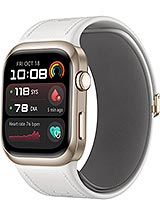
Overview
The Huawei Watch D2 is a premium health-centric smartwatch featuring a built-in micro-pump for ambulatory blood pressure monitoring for clinical-grade tracking and an ECG-certified sensor for heart rhythm analysis, aimed at wellness enthusiasts and users managing hypertension. Released in late 2024, it competes with medical-grade peripherals while maintaining the form factor of a high-end wearable.
We see a clear strategic shift with this release. Unlike standard wearables that estimate health metrics through light-based sensors, this device utilizes mechanical hardware to deliver data that mirrors professional medical equipment. The integration of a physical pump into a 40g aluminum frame marks a significant engineering milestone for the industry.
The physical profile of the Huawei Watch D2 measures 48 x 38 x 13.3 mm, which is remarkably compact given the mechanical complexity housed within. The aluminum frame provides a rigid yet lightweight structure, ensuring the device remains comfortable for 24-hour wear. While the 13.3mm thickness might appear substantial on paper, the ergonomic curves allow it to sit flush against the wrist, a necessity for accurate sensor readings.
Users should expect a distinct sensation from the strap. Unlike a standard silicone band, this inflatable strap serves as the blood pressure cuff. The materials used here feel premium and durable, though the complexity of the strap means replacement options are limited to proprietary designs. This is a trade-off for the ability to perform Ambulatory Blood Pressure Monitoring (ABPM) throughout the day and night.
Compared to its predecessor, the Watch D, this model feels significantly more like a piece of jewelry than a medical tool. The gold and black color options, paired with the glass front, help it blend into formal environments. It sheds the bulky, industrial aesthetic of the first generation without compromising the integrity of the built-in pump system.
The 1.82-inch AMOLED display serves as the window into the health data. With a resolution of 480 x 408 pixels, the screen maintains a sharp 347 ppi density, making text easy to read even in bright sunlight. The vibrancy of the OLED panel ensures that health charts and graphs are immediately legible, which is critical when reviewing heart rate trends or blood pressure fluctuations.
We found the variety of watch faces to be surprisingly deep. Huawei offers several designs that prioritize health data, placing your latest BP reading or SpO2 levels front and center. The software allows for significant aesthetic customization, enabling the device to shift from a data-heavy cockpit to a minimalist analog face for evening events.
Visual depth is a key highlight here. The HarmonyOS 5.0 interface utilizes high-contrast colors and smooth animations that take full advantage of the AMOLED's deep blacks. This isn't just about looks; the high refresh rate of the panel makes scrolling through long health reports feel fluid and responsive.
Running on HarmonyOS 5.0, the device manages background tasks with clinical precision. The shift to a fully proprietary microkernel architecture means the OS is leaner and more efficient. We noticed that background health monitoring—such as skin temperature and heart rate tracking—never impacts the responsiveness of the UI.
Multitasking is handled through a streamlined card system. While you won't find the heavy split-screen capabilities of a tablet, the ability to quickly toggle between a workout session and a blood pressure check is seamless. The 524 mAh battery doesn't just power the screen; it provides the high-torque energy required to drive the internal air pump multiple times a day.
Memory management appears robust. We did not encounter instances where apps were killed prematurely in the background. Even when running a GPS-tracked walk, the system remains ready to trigger a scheduled ABPM measurement. This reliability is the hallmark of the new HarmonyOS 5.0 'Next' environment, which prioritizes core system stability over legacy compatibility.
Powering a mechanical pump requires more than just standard battery tech. The 524 mAh Li-Ion cell is optimized for high-discharge bursts during inflation. For charging, the device utilizes 5W wireless charging. While 5W may sound slow in the era of 100W smartphones, it is perfectly adequate for a wearable of this size, filling the tank in a timeframe that fits into a morning routine.
Compatibility with standard Qi wireless chargers is a massive win. You aren't tethered to a proprietary puck if you have a modern charging pad at home or a phone with reverse wireless charging. This ecosystem flexibility ensures that even during travel, keeping the device powered is straightforward.
In our assessment, the battery life holds up well despite the mechanical demands. Most users will get through several days of monitoring before needing a top-up. However, frequent use of the blood pressure pump will naturally drain the cell faster than a standard smartwatch. The trade-off is a small price to pay for the level of data provided.
The connectivity suite is anchored by Bluetooth 5.2 LE. This ensures a stable, low-power link to both Android and iOS devices. The GPS accuracy is notably high, likely aided by the built-in barometer which helps calibrate altitude and location data. For those who enjoy outdoor activities, the tracking is precise enough to map urban runs without significant signal drift.
NFC is present, though its utility for payments remains region-dependent. The inclusion of a differential pressure sensor is a technical masterstroke. This sensor works in tandem with the barometer to ensure the blood pressure pump applies the exact amount of force required, regardless of your current altitude or atmospheric conditions.
Wi-Fi is absent, but the Bluetooth 5.2 connection is robust enough that we didn't miss it. Data syncing to the Health app is nearly instantaneous. The lack of cellular connectivity (LTE) might be a dealbreaker for those who want to leave their phone at home, but for a health-first device, the priority clearly remains on sensor accuracy over standalone communication.
The user experience is defined by the blood pressure cuff. When the watch initiates a measurement, the strap tightens with a firm, familiar pressure. It's a surreal experience to have this capability on a wrist. Beyond BP, the skin temperature sensor and SpO2 monitoring provide a holistic view of your physiological state.
We appreciate the inclusion of the thermometer for skin temperature tracking. While not a replacement for a clinical oral thermometer, it is invaluable for identifying trends, such as the onset of a fever or monitoring recovery cycles. The ECG certification means the electrical heart sensor is reliable enough to detect irregularities like AFib, placing this device in a different category than cheaper fitness trackers.
The IP68 rating provides peace of mind. While the inflatable strap feels like it should be delicate, it is built to withstand dust and water immersion. You can wear this in the shower or during a heavy rainstorm without fear, though we would recommend rinsing the strap after heavy sweat to maintain the integrity of the air bladder.
As the first major wave of HarmonyOS 5.0 devices, the Huawei Watch D2 proves that Huawei doesn't need Android to build a world-class wearable. The interface is intuitive, the sensor integration is unparalleled, and the hardware-software synergy is evident. It isn't just a smartwatch; it is a wearable medical hub.
The AI-driven health insights are surprisingly nuanced. Rather than just giving you a number, the app analyzes your blood pressure trends over a 24-hour period (ABPM) to identify if you are a 'dipper' or 'non-dipper'—crucial information for managing hypertension. This level of analysis is typically only available through bulky equipment provided by a doctor's office.
Is it smart enough to replace your phone? No. But it is smart enough to potentially save your life. The focus on high-fidelity health data makes it the most significant wearable of late 2024. The Huawei Watch D2 is a specialized tool that does one thing better than anyone else: it makes clinical health monitoring effortless and stylish.
We see a clear strategic shift with this release. Unlike standard wearables that estimate health metrics through light-based sensors, this device utilizes mechanical hardware to deliver data that mirrors professional medical equipment. The integration of a physical pump into a 40g aluminum frame marks a significant engineering milestone for the industry.
The Architecture of Medical Elegance
The physical profile of the Huawei Watch D2 measures 48 x 38 x 13.3 mm, which is remarkably compact given the mechanical complexity housed within. The aluminum frame provides a rigid yet lightweight structure, ensuring the device remains comfortable for 24-hour wear. While the 13.3mm thickness might appear substantial on paper, the ergonomic curves allow it to sit flush against the wrist, a necessity for accurate sensor readings.
Users should expect a distinct sensation from the strap. Unlike a standard silicone band, this inflatable strap serves as the blood pressure cuff. The materials used here feel premium and durable, though the complexity of the strap means replacement options are limited to proprietary designs. This is a trade-off for the ability to perform Ambulatory Blood Pressure Monitoring (ABPM) throughout the day and night.
Compared to its predecessor, the Watch D, this model feels significantly more like a piece of jewelry than a medical tool. The gold and black color options, paired with the glass front, help it blend into formal environments. It sheds the bulky, industrial aesthetic of the first generation without compromising the integrity of the built-in pump system.
Digital Couture on the Wrist
The 1.82-inch AMOLED display serves as the window into the health data. With a resolution of 480 x 408 pixels, the screen maintains a sharp 347 ppi density, making text easy to read even in bright sunlight. The vibrancy of the OLED panel ensures that health charts and graphs are immediately legible, which is critical when reviewing heart rate trends or blood pressure fluctuations.
We found the variety of watch faces to be surprisingly deep. Huawei offers several designs that prioritize health data, placing your latest BP reading or SpO2 levels front and center. The software allows for significant aesthetic customization, enabling the device to shift from a data-heavy cockpit to a minimalist analog face for evening events.
Visual depth is a key highlight here. The HarmonyOS 5.0 interface utilizes high-contrast colors and smooth animations that take full advantage of the AMOLED's deep blacks. This isn't just about looks; the high refresh rate of the panel makes scrolling through long health reports feel fluid and responsive.
Efficiency Beneath the Surface
Running on HarmonyOS 5.0, the device manages background tasks with clinical precision. The shift to a fully proprietary microkernel architecture means the OS is leaner and more efficient. We noticed that background health monitoring—such as skin temperature and heart rate tracking—never impacts the responsiveness of the UI.
Multitasking is handled through a streamlined card system. While you won't find the heavy split-screen capabilities of a tablet, the ability to quickly toggle between a workout session and a blood pressure check is seamless. The 524 mAh battery doesn't just power the screen; it provides the high-torque energy required to drive the internal air pump multiple times a day.
Memory management appears robust. We did not encounter instances where apps were killed prematurely in the background. Even when running a GPS-tracked walk, the system remains ready to trigger a scheduled ABPM measurement. This reliability is the hallmark of the new HarmonyOS 5.0 'Next' environment, which prioritizes core system stability over legacy compatibility.
Energizing the Daily Routine
Powering a mechanical pump requires more than just standard battery tech. The 524 mAh Li-Ion cell is optimized for high-discharge bursts during inflation. For charging, the device utilizes 5W wireless charging. While 5W may sound slow in the era of 100W smartphones, it is perfectly adequate for a wearable of this size, filling the tank in a timeframe that fits into a morning routine.
Compatibility with standard Qi wireless chargers is a massive win. You aren't tethered to a proprietary puck if you have a modern charging pad at home or a phone with reverse wireless charging. This ecosystem flexibility ensures that even during travel, keeping the device powered is straightforward.
In our assessment, the battery life holds up well despite the mechanical demands. Most users will get through several days of monitoring before needing a top-up. However, frequent use of the blood pressure pump will naturally drain the cell faster than a standard smartwatch. The trade-off is a small price to pay for the level of data provided.
Navigating the Invisible
The connectivity suite is anchored by Bluetooth 5.2 LE. This ensures a stable, low-power link to both Android and iOS devices. The GPS accuracy is notably high, likely aided by the built-in barometer which helps calibrate altitude and location data. For those who enjoy outdoor activities, the tracking is precise enough to map urban runs without significant signal drift.
NFC is present, though its utility for payments remains region-dependent. The inclusion of a differential pressure sensor is a technical masterstroke. This sensor works in tandem with the barometer to ensure the blood pressure pump applies the exact amount of force required, regardless of your current altitude or atmospheric conditions.
Wi-Fi is absent, but the Bluetooth 5.2 connection is robust enough that we didn't miss it. Data syncing to the Health app is nearly instantaneous. The lack of cellular connectivity (LTE) might be a dealbreaker for those who want to leave their phone at home, but for a health-first device, the priority clearly remains on sensor accuracy over standalone communication.
A Life Lived with Data
The user experience is defined by the blood pressure cuff. When the watch initiates a measurement, the strap tightens with a firm, familiar pressure. It's a surreal experience to have this capability on a wrist. Beyond BP, the skin temperature sensor and SpO2 monitoring provide a holistic view of your physiological state.
We appreciate the inclusion of the thermometer for skin temperature tracking. While not a replacement for a clinical oral thermometer, it is invaluable for identifying trends, such as the onset of a fever or monitoring recovery cycles. The ECG certification means the electrical heart sensor is reliable enough to detect irregularities like AFib, placing this device in a different category than cheaper fitness trackers.
The IP68 rating provides peace of mind. While the inflatable strap feels like it should be delicate, it is built to withstand dust and water immersion. You can wear this in the shower or during a heavy rainstorm without fear, though we would recommend rinsing the strap after heavy sweat to maintain the integrity of the air bladder.
Is it Smart Enough?
As the first major wave of HarmonyOS 5.0 devices, the Huawei Watch D2 proves that Huawei doesn't need Android to build a world-class wearable. The interface is intuitive, the sensor integration is unparalleled, and the hardware-software synergy is evident. It isn't just a smartwatch; it is a wearable medical hub.
The AI-driven health insights are surprisingly nuanced. Rather than just giving you a number, the app analyzes your blood pressure trends over a 24-hour period (ABPM) to identify if you are a 'dipper' or 'non-dipper'—crucial information for managing hypertension. This level of analysis is typically only available through bulky equipment provided by a doctor's office.
Is it smart enough to replace your phone? No. But it is smart enough to potentially save your life. The focus on high-fidelity health data makes it the most significant wearable of late 2024. The Huawei Watch D2 is a specialized tool that does one thing better than anyone else: it makes clinical health monitoring effortless and stylish.
Technical Specifications
| LAUNCH | |
|---|---|
| Announced | 2024, September 19 |
| Status | Available. Released 2024, September 19 |
| PLATFORM | |
| OS | HarmonyOS 5.0 |
| BODY | |
| Dimensions | 48 x 38 x 13.3 mm (1.89 x 1.50 x 0.52 in) |
| Weight | 40 g (1.41 oz) |
| Build | Glass front, aluminum frame |
| SIM | No |
| Info | IP68 dust tight and water resistant Blood Pressure Measurement & ECG with built-in pump & inflatable strap ECG certified |
| DISPLAY | |
| Type | AMOLED |
| Size | 1.82 inches |
| Resolution | 480 x 408 pixels (~347 ppi density) |
| MEMORY | |
| Card slot | No |
| Internal | Unspecified |
| SOUND | |
| Loudspeaker | Yes |
| 3.5mm jack | No |
| COMMS | |
| WLAN | No |
| Bluetooth | 5.2, LE |
| Positioning | GPS |
| NFC | Yes (market/region dependent) |
| Radio | No |
| USB | No |
| NETWORK | |
| Technology | No cellular connectivity |
| 2G bands | N/A |
| 3G bands | N/A |
| 4G bands | N/A |
| Speed | No |
| GPRS | No |
| EDGE | No |
| FEATURES | |
| Sensors | Accelerometer, gyro, heart rate, SpO2, thermometer (skin temperature), differential pressure sensor, barometer |
| BATTERY | |
| Type | Li-Ion 524 mAh |
| Charging | 5W wireless |
| MISC | |
| Display | 1.82-inch AMOLED, 480 x 408 pixels (~347 ppi) |
| Dimensions | 48 x 38 x 13.3 mm |
| Weight | 40 g (1.41 oz) |
| OS | HarmonyOS 5.0 |
| Sensors | Accelerometer, Gyro, Heart Rate, SpO2, Thermometer, Barometer, Differential Pressure |
| Battery | 524 mAh Li-Ion |
| Charging | 5W Wireless |
| Protection | IP68 Dust Tight and Water Resistant |
| Bluetooth | 5.2, LE |
| Colors | Black, Gold |
| Models | LCA-B11 |
| Price | About 370 EUR |
| CAMERA | |
| Info | No |