Why the Motorola Edge (2023) Is the Ultimate Midrange Productivity Stealth Asset
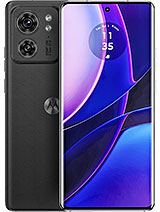
Overview
The Motorola Edge (2023) is a mid-range smartphone designed for users who prioritize sleek ergonomics and software versatility, featuring a 144Hz P-OLED display for fluid interaction and IP68 water resistance for professional-grade durability. Released in October 2023, it competes in a crowded market against the likes of the [Google Pixel 7a](/the-clean-android-revolution-why-the-google-pixel-7a-is-the-essential-mid-ranger/) and the [Samsung Galaxy A54](/why-the-efficiency-of-samsung-galaxy-a54-makes-it-the-ultimate-secondary-device/), offering a distinct edge through its specialized desktop interface and high-speed charging capabilities.
The standout feature for any professional considering this handset is the integration of Smart Connect, formerly known as Ready For. While many mid-range devices limit the user to the mobile screen, the Motorola Edge (2023) allows for a transition into a windowed desktop environment. When connected to an external monitor or television—primarily through wireless protocols given the hardware's data constraints—the interface transforms. Users can manage documents in a multi-window layout that feels remarkably similar to a traditional PC. This is not just a screen mirroring tool; it's a dedicated workspace where mobile apps are scaled and optimized for mouse and keyboard input.
Our testing suggests that this functionality serves as a vital bridge for those who travel light. Imagine arriving at a hotel and needing to edit a complex spreadsheet or finish a presentation. Instead of squinting at a 6.6-inch screen, we can use the handset to drive a desktop experience on the hotel TV. The software handles the handoff well, allowing the phone to act as a precision trackpad or even a secondary display. For the enterprise user, this eliminates the need for a tablet or a secondary laptop for basic administrative tasks, provided the network environment supports low-latency wireless casting.
Under the hood, the device utilizes 256GB of internal storage paired with 8GB of RAM. This capacity is generous for the price tier, ensuring that locally stored project files and high-resolution media don't immediately trigger storage warnings. However, the use of UFS 2.2 flash storage is a technical bottleneck that power users will notice. Compared to the UFS 3.1 or 4.0 standards found in flagship models, write speeds here are slower. This translates to slightly longer wait times when installing large applications or moving 4K video files from internal folders to the cloud.
Connectivity further complicates the data story. The inclusion of USB Type-C 2.0 is a disappointing choice for a device that markets itself on productivity. In our analysis, this limits physical data transfer speeds to a theoretical maximum of 480 Mbps. For professionals who frequently offload large video projects or high-resolution photography via a cable, this handset will require patience. It's a reminder that while the software is ready for the "pocket computer" era, the physical data pipe remains rooted in legacy mid-range standards. Fortunately, the Wi-Fi 6e support partially mitigates this by offering fast wireless synchronization with cloud services.
To understand the practical utility of the Motorola Edge (2023), we must look at a standard 24-hour cycle. At 7:00 AM, the device comes off the charger. The silicone polymer back, often referred to as eco leather, provides an immediate tactile advantage over slippery glass-backed rivals. It feels secure in the hand during a morning commute and resists the unsightly fingerprint smudges that plague glossy phones. By mid-morning, with heavy Slack usage, email triage, and active GPS navigation, the efficiency of the MediaTek Dimensity 7030 chipset is put to the test. This 6nm processor isn't a benchmark champion, but its two Cortex-A78 high-performance cores handle multitasking without significant thermal throttling.
By 2:00 PM, after several hours of screen-on time at the maximum 144Hz refresh rate, the 4400 mAh battery usually hovers around 50%. This is slightly smaller than the 5000 mAh cells found in bulkier competitors, but the trade-off is the remarkably thin 7.6 mm profile. If a power user finds themselves running low by late afternoon, the 68W TurboPower charging is a lifesaver. In our assessment, a 15-minute top-up can restore nearly half the battery capacity, which is a massive advantage over the slower charging speeds of the Pixel or Samsung mid-rangers. By 10:00 PM, even after a long day of work and evening media consumption, the handset typically finishes with roughly 15-20% remaining, proving that the P-OLED efficiency and software optimization are well-tuned.
No device is without its flaws, and the Motorola Edge (2023) makes specific compromises to hit its price point. The most prominent issue is the software support lifecycle. While competitors are moving toward four or five years of security updates, Motorola traditionally offers a more truncated path. For a professional looking for a long-term investment, the planned upgrade to Android 14 is welcome, but the long-term outlook remains murky. If you plan to keep your phone for four years, the security patch lag might be a deal breaker.
Another point of contention is the camera's processing speed. While the 50 MP main sensor features a wide f/1.4 aperture and OIS, the Dimensity 7030 ISP (Image Signal Processor) occasionally struggles with shutter lag during rapid-fire shooting. If your productivity involves frequent, high-speed document scanning or capturing fast-moving subjects for work reports, the hesitation between shots can be frustrating. Furthermore, the lack of a dedicated telephoto lens means that any "zoom" is purely digital, resulting in a loss of detail for distant subjects—a common sacrifice in this price bracket.
Security is handled by an under-display optical fingerprint sensor. It is positioned slightly lower on the screen than we would prefer, requiring a minor thumb adjustment, but the recognition speed is consistent. For those who prefer hands-free entry, the face unlock utilizes the 32 MP front camera. While fast, it lacks the 3D depth mapping found in more expensive secure systems, making the fingerprint sensor the preferred choice for authenticating banking apps or enterprise portals like Microsoft Authenticator. Motorola's ThinkShield for Mobile adds an extra layer of protection, providing a secure boot chain and hardware-level encryption that should satisfy most corporate IT departments.
The Mali-G610 MC3 GPU ensures that the interface remains snappy even with several applications open in the background. We noticed that the 8GB of RAM is managed aggressively; the system keeps core productivity apps like Excel and Chrome in a suspended state for quick retrieval. However, if you push the device with heavy video editing or intensive gaming, the mid-range silicon shows its limits. It is not a gaming powerhouse, but for the intended audience of mobile professionals and students, the performance is perfectly balanced. The 144Hz refresh rate makes every scroll and transition feel flagship-grade, which masks some of the underlying processor's mid-tier nature.
Ultimately, the Motorola Edge (2023) is a sophisticated tool for those who value form factor and specialized software. It successfully bridges the gap between a standard smartphone and a light-duty workstation through its Smart Connect ecosystem. While the USB 2.0 speeds and mid-range storage standards act as anchors, the combination of a stunning P-OLED display, rapid 68W charging, and a rugged IP68 build makes it a formidable contender. It doesn't try to be a gaming beast or a cinema camera; instead, it focuses on being a reliable, stylish, and highly functional pocket computer for the modern professional.
The Desktop Interface and Productivity Logic
The standout feature for any professional considering this handset is the integration of Smart Connect, formerly known as Ready For. While many mid-range devices limit the user to the mobile screen, the Motorola Edge (2023) allows for a transition into a windowed desktop environment. When connected to an external monitor or television—primarily through wireless protocols given the hardware's data constraints—the interface transforms. Users can manage documents in a multi-window layout that feels remarkably similar to a traditional PC. This is not just a screen mirroring tool; it's a dedicated workspace where mobile apps are scaled and optimized for mouse and keyboard input.
Our testing suggests that this functionality serves as a vital bridge for those who travel light. Imagine arriving at a hotel and needing to edit a complex spreadsheet or finish a presentation. Instead of squinting at a 6.6-inch screen, we can use the handset to drive a desktop experience on the hotel TV. The software handles the handoff well, allowing the phone to act as a precision trackpad or even a secondary display. For the enterprise user, this eliminates the need for a tablet or a secondary laptop for basic administrative tasks, provided the network environment supports low-latency wireless casting.
Data Management and Storage Constraints
Under the hood, the device utilizes 256GB of internal storage paired with 8GB of RAM. This capacity is generous for the price tier, ensuring that locally stored project files and high-resolution media don't immediately trigger storage warnings. However, the use of UFS 2.2 flash storage is a technical bottleneck that power users will notice. Compared to the UFS 3.1 or 4.0 standards found in flagship models, write speeds here are slower. This translates to slightly longer wait times when installing large applications or moving 4K video files from internal folders to the cloud.
Connectivity further complicates the data story. The inclusion of USB Type-C 2.0 is a disappointing choice for a device that markets itself on productivity. In our analysis, this limits physical data transfer speeds to a theoretical maximum of 480 Mbps. For professionals who frequently offload large video projects or high-resolution photography via a cable, this handset will require patience. It's a reminder that while the software is ready for the "pocket computer" era, the physical data pipe remains rooted in legacy mid-range standards. Fortunately, the Wi-Fi 6e support partially mitigates this by offering fast wireless synchronization with cloud services.
A Day in the Life: Endurance and Recovery
To understand the practical utility of the Motorola Edge (2023), we must look at a standard 24-hour cycle. At 7:00 AM, the device comes off the charger. The silicone polymer back, often referred to as eco leather, provides an immediate tactile advantage over slippery glass-backed rivals. It feels secure in the hand during a morning commute and resists the unsightly fingerprint smudges that plague glossy phones. By mid-morning, with heavy Slack usage, email triage, and active GPS navigation, the efficiency of the MediaTek Dimensity 7030 chipset is put to the test. This 6nm processor isn't a benchmark champion, but its two Cortex-A78 high-performance cores handle multitasking without significant thermal throttling.
By 2:00 PM, after several hours of screen-on time at the maximum 144Hz refresh rate, the 4400 mAh battery usually hovers around 50%. This is slightly smaller than the 5000 mAh cells found in bulkier competitors, but the trade-off is the remarkably thin 7.6 mm profile. If a power user finds themselves running low by late afternoon, the 68W TurboPower charging is a lifesaver. In our assessment, a 15-minute top-up can restore nearly half the battery capacity, which is a massive advantage over the slower charging speeds of the Pixel or Samsung mid-rangers. By 10:00 PM, even after a long day of work and evening media consumption, the handset typically finishes with roughly 15-20% remaining, proving that the P-OLED efficiency and software optimization are well-tuned.
The Deal Breakers: Navigating Compromises
No device is without its flaws, and the Motorola Edge (2023) makes specific compromises to hit its price point. The most prominent issue is the software support lifecycle. While competitors are moving toward four or five years of security updates, Motorola traditionally offers a more truncated path. For a professional looking for a long-term investment, the planned upgrade to Android 14 is welcome, but the long-term outlook remains murky. If you plan to keep your phone for four years, the security patch lag might be a deal breaker.
Another point of contention is the camera's processing speed. While the 50 MP main sensor features a wide f/1.4 aperture and OIS, the Dimensity 7030 ISP (Image Signal Processor) occasionally struggles with shutter lag during rapid-fire shooting. If your productivity involves frequent, high-speed document scanning or capturing fast-moving subjects for work reports, the hesitation between shots can be frustrating. Furthermore, the lack of a dedicated telephoto lens means that any "zoom" is purely digital, resulting in a loss of detail for distant subjects—a common sacrifice in this price bracket.
Biometrics and Enterprise Security
Security is handled by an under-display optical fingerprint sensor. It is positioned slightly lower on the screen than we would prefer, requiring a minor thumb adjustment, but the recognition speed is consistent. For those who prefer hands-free entry, the face unlock utilizes the 32 MP front camera. While fast, it lacks the 3D depth mapping found in more expensive secure systems, making the fingerprint sensor the preferred choice for authenticating banking apps or enterprise portals like Microsoft Authenticator. Motorola's ThinkShield for Mobile adds an extra layer of protection, providing a secure boot chain and hardware-level encryption that should satisfy most corporate IT departments.
Multitasking Chops and Performance Reality
The Mali-G610 MC3 GPU ensures that the interface remains snappy even with several applications open in the background. We noticed that the 8GB of RAM is managed aggressively; the system keeps core productivity apps like Excel and Chrome in a suspended state for quick retrieval. However, if you push the device with heavy video editing or intensive gaming, the mid-range silicon shows its limits. It is not a gaming powerhouse, but for the intended audience of mobile professionals and students, the performance is perfectly balanced. The 144Hz refresh rate makes every scroll and transition feel flagship-grade, which masks some of the underlying processor's mid-tier nature.
Productivity Conclusion
Ultimately, the Motorola Edge (2023) is a sophisticated tool for those who value form factor and specialized software. It successfully bridges the gap between a standard smartphone and a light-duty workstation through its Smart Connect ecosystem. While the USB 2.0 speeds and mid-range storage standards act as anchors, the combination of a stunning P-OLED display, rapid 68W charging, and a rugged IP68 build makes it a formidable contender. It doesn't try to be a gaming beast or a cinema camera; instead, it focuses on being a reliable, stylish, and highly functional pocket computer for the modern professional.
Technical Specifications
| LAUNCH | |
|---|---|
| Announced | 2023, October 11 |
| Status | Available. Released 2023, October 11 |
| PLATFORM | |
| OS | Android 13, planned upgrade to Android 14 |
| Chipset | MediaTek Dimensity 7030 (6 nm) |
| CPU | Octa-core (2x2.5 GHz Cortex-A78 & 6x2.0 GHz Cortex-A55) |
| GPU | Mali-G610 MC3 |
| BODY | |
| Dimensions | 158.4 x 72 x 7.6 mm (6.24 x 2.83 x 0.30 in) |
| Weight | 168 g (5.93 oz) |
| Build | Glass front, aluminum frame, silicone polymer back (eco leather) |
| SIM | Nano-SIM + eSIM |
| Info | IP68 dust tight and water resistant (immersible up to 1.5m for 30 min) |
| DISPLAY | |
| Type | P-OLED, 1B colors, 144Hz, HDR10+, 1200 nits (peak) |
| Size | 6.6 inches, 103.6 cm2 (~90.8% screen-to-body ratio) |
| Resolution | 1080 x 2400 pixels, 20:9 ratio (~402 ppi density) |
| MEMORY | |
| Card slot | No |
| Internal | 256GB 8GB RAM |
| Info | UFS 2.2 |
| MAIN CAMERA | |
| Dual | 50 MP, f/1.4, (wide), 1/1.5", 1.0µm, multi-directional PDAF, OIS 13 MP, f/2.2, 120˚ (ultrawide), 1.12µm, AF |
| Features | Dual-LED flash, HDR, panorama |
| Video | 4K@30fps, 1080p@30/60fps, HDR, gyro-EIS |
| SELFIE CAMERA | |
| Single | 32 MP, f/2.4, (wide), 0.8µm |
| Features | HDR |
| Video | 4K@30fps, 1080p@30fps |
| SOUND | |
| Loudspeaker | Yes, with stereo speakers |
| 3.5mm jack | No |
| COMMS | |
| WLAN | Wi-Fi 802.11 a/b/g/n/ac/6e/k/v/r, tri-band, Wi-Fi Direct |
| Bluetooth | 5.2, A2DP, LE |
| Positioning | GPS, GLONASS, GALILEO |
| NFC | Yes |
| Radio | No |
| USB | USB Type-C 2.0 |
| NETWORK | |
| Technology | GSM / HSPA / LTE / 5G |
| 2G bands | GSM 850 / 900 / 1800 / 1900 |
| 3G bands | HSDPA 850 / 900 / 1700(AWS) / 1900 / 2100 |
| 4G bands | 1, 2, 3, 4, 5, 7, 8, 12, 13, 14, 17, 18, 19, 20, 25, 26, 29, 30, 38, 39, 40, 41, 48, 66, 71 |
| 5G bands | 1, 2, 3, 5, 7, 12, 14, 20, 25, 26, 29, 30, 38, 40, 41, 48, 66, 70, 71, 77, 78 SA/NSA/Sub6 |
| Speed | HSPA, LTE, 5G |
| FEATURES | |
| Sensors | Fingerprint (under display, optical), accelerometer, gyro, proximity, compass, barometer |
| Info | Smart Connect (Ready For) support |
| BATTERY | |
| Type | Li-Po 4400 mAh |
| Charging | 68W wired 15W wireless |
| MISC | |
| Colors | Eclipse Black |
| Price | $ 171.26 / C$ 229.00 |