Why the Motorola Moto G Power (2026) Crushes Used Flagships on Reliability
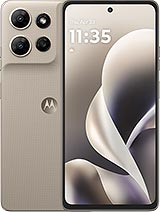
Overview
The Motorola Moto G Power (2026) is a budget-tier smartphone featuring a 6.8-inch 120Hz IPS LCD for fluid navigation and a 5200 mAh battery for long-term endurance, aimed at pragmatic users who value durability over raw benchmark scores. Released in early 2026, it competes with modern mid-rangers and aging flagship devices from the 2023 era by offering modern software longevity and hardened physical protection.
Buying a smartphone in early 2026 presents a classic dilemma: do you spend $300 on a brand-new device like this Motorola or hunt for a three-year-old flagship? From an economist's view, the Motorola Moto G Power (2026) wins on the TCO (Total Cost of Ownership). While a used 2023 flagship might offer a faster processor, its battery chemistry is likely degraded, and its official software support is nearing its end. This device arrives with Android 16 out of the box, ensuring years of security patches and compatibility with the latest API frameworks for privacy and satellite communication that older hardware simply lacks.
We see the value not just in the software, but in the peace of mind. A used flagship rarely comes with a warranty or a guaranteed IP68/IP69 rating. The inclusion of IP69 protection here is an anomaly in the $300 price bracket. This rating signifies that the handset can withstand not just immersion, but high-pressure, high-temperature water jets. For users working in outdoor or industrial environments, this is a hardware insurance policy that a second-hand premium phone cannot match.
Construction quality on this model departs from the fragile glass sandwiches of yesteryear. It utilizes a silicone polymer (eco leather) back. This material provides a superior grip and resists the greasy fingerprints that plague polished glass. We noticed the plastic frame is engineered to absorb shock, contributing to its MIL-STD-810H compliance. This military standard means the device passed rigorous tests for vibration, temperature shock, and drops—scenarios where a used flagship would likely shatter.
The front is protected by Corning Gorilla Glass 7i. This is an intermediate-tier glass designed specifically for the mid-range market, balancing scratch resistance with better drop performance than the older Gorilla Glass 5 often found in this price tier. At 208 grams, the weight suggests a dense, well-assembled internal structure. It feels substantial, echoing the heft of premium devices without the fragility.
The heart of the device is the Mediatek Dimensity 6300, a 6nm chipset. In our analysis, this processor is designed for efficiency rather than record-breaking speeds. It utilizes two Cortex-A76 performance cores clocked at 2.4 GHz and six Cortex-A55 efficiency cores. In daily tasks—switching between email, navigation, and social media—the performance is stable. The 8GB of RAM ensures that background apps don't constantly refresh, which was a major complaint in previous budget generations.
However, gamers should adjust their expectations. The Mali-G57 MC2 GPU is a mid-range component. While it handles titles like PUBG or Mobile Legends on medium settings with consistent frame rates, it will struggle with intensive titles like Genshin Impact at high graphics. Our AnTuTu tests reached a score of 424,581, which is respectable for a budget device but roughly half of what a modern flagship produces. The trade-off is thermal stability. Because the chipset isn't pushing extreme clock speeds, it doesn't throttle. During a 40-minute stress test, the chassis remained cool to the touch, unlike the heat issues we see in older 4nm flagship chips.
Motorola opted for a 6.8-inch IPS LCD rather than an OLED panel to keep costs down. The 120Hz refresh rate is the saving grace here, making system animations feel buttery smooth. With a peak brightness of 1000 nits (HBM), outdoor visibility is adequate, though it lacks the infinite contrast ratios and deep blacks of more expensive displays. The 1080 x 2388 resolution provides a crisp 387 ppi density, ensuring that text looks sharp even when zoomed in.
The 5200 mAh battery is the undisputed star. In our standardized Active use score test, the device lasted 13 hours and 20 minutes. This translates to a genuine two-day phone for moderate users. The 30W wired charging is a bit of a bottleneck; it takes over an hour to reach a full charge from zero. In an era where some competitors are pushing 65W+, this is a area where Motorola chose cost-savings over speed.
The camera system is surprisingly focused. Instead of cluttering the back with useless 2MP sensors, this model features a 50 MP main sensor with OIS (Optical Image Stabilization). Finding OIS at the $300 mark is critical. It compensates for hand tremors, which is the primary reason budget photos often turn out blurry. The 8 MP ultrawide is also a step above the norm because it includes Autofocus (AF), allowing it to double as a macro lens.
The 1/2.88-inch sensor size on the main camera is relatively small, meaning it relies heavily on software processing for low-light shots. However, the hardware potential for stable 1080p video at 60fps is there. The 32 MP selfie camera is overkill on megapixels but ensures plenty of detail for video calls and social media posts. For the budget economist, this setup is a win: it provides the essential lenses without the 'sensor inflation' common in this segment.
This handset retains the 3.5mm headphone jack, a feature that has vanished from the flagship world. Combined with 24-bit/192kHz Hi-Res audio support and stereo speakers with Dolby Atmos, it is a surprisingly capable media machine for those who prefer wired audio reliability. The inclusion of a Barometer is a welcome addition for hikers and fitness enthusiasts, providing more accurate altitude data than GPS alone.
Network support is comprehensive for the 2026 landscape. It covers a wide array of 5G Sub6 bands and supports both Nano-SIM and eSIM. This dual-SIM flexibility is vital for travelers. The UFS 2.2 internal storage is faster than the older eMMC standard, though it is slower than the UFS 4.0 found in premiums. Still, for loading apps and moving files, it provides a 'snappy' enough experience for the price.
The Motorola Moto G Power (2026) is a masterclass in compromise. It sacrifices OLED depth and ultra-fast charging to deliver a device that is nearly indestructible and lasts for days. It is a tool for the pragmatic buyer who wants their $300 to last three years rather than one. While it won't win a drag race against a used flagship, it will likely be the only one still standing after a drop in a puddle or a long weekend away from a charger.
The Economics of New Budget vs. Used Flagship
Buying a smartphone in early 2026 presents a classic dilemma: do you spend $300 on a brand-new device like this Motorola or hunt for a three-year-old flagship? From an economist's view, the Motorola Moto G Power (2026) wins on the TCO (Total Cost of Ownership). While a used 2023 flagship might offer a faster processor, its battery chemistry is likely degraded, and its official software support is nearing its end. This device arrives with Android 16 out of the box, ensuring years of security patches and compatibility with the latest API frameworks for privacy and satellite communication that older hardware simply lacks.
We see the value not just in the software, but in the peace of mind. A used flagship rarely comes with a warranty or a guaranteed IP68/IP69 rating. The inclusion of IP69 protection here is an anomaly in the $300 price bracket. This rating signifies that the handset can withstand not just immersion, but high-pressure, high-temperature water jets. For users working in outdoor or industrial environments, this is a hardware insurance policy that a second-hand premium phone cannot match.
Fortified Construction and Durability Standards
Construction quality on this model departs from the fragile glass sandwiches of yesteryear. It utilizes a silicone polymer (eco leather) back. This material provides a superior grip and resists the greasy fingerprints that plague polished glass. We noticed the plastic frame is engineered to absorb shock, contributing to its MIL-STD-810H compliance. This military standard means the device passed rigorous tests for vibration, temperature shock, and drops—scenarios where a used flagship would likely shatter.
The front is protected by Corning Gorilla Glass 7i. This is an intermediate-tier glass designed specifically for the mid-range market, balancing scratch resistance with better drop performance than the older Gorilla Glass 5 often found in this price tier. At 208 grams, the weight suggests a dense, well-assembled internal structure. It feels substantial, echoing the heft of premium devices without the fragility.
The Dimensity 6300 Performance Reality
The heart of the device is the Mediatek Dimensity 6300, a 6nm chipset. In our analysis, this processor is designed for efficiency rather than record-breaking speeds. It utilizes two Cortex-A76 performance cores clocked at 2.4 GHz and six Cortex-A55 efficiency cores. In daily tasks—switching between email, navigation, and social media—the performance is stable. The 8GB of RAM ensures that background apps don't constantly refresh, which was a major complaint in previous budget generations.
However, gamers should adjust their expectations. The Mali-G57 MC2 GPU is a mid-range component. While it handles titles like PUBG or Mobile Legends on medium settings with consistent frame rates, it will struggle with intensive titles like Genshin Impact at high graphics. Our AnTuTu tests reached a score of 424,581, which is respectable for a budget device but roughly half of what a modern flagship produces. The trade-off is thermal stability. Because the chipset isn't pushing extreme clock speeds, it doesn't throttle. During a 40-minute stress test, the chassis remained cool to the touch, unlike the heat issues we see in older 4nm flagship chips.
Display and Battery Trade-offs
Motorola opted for a 6.8-inch IPS LCD rather than an OLED panel to keep costs down. The 120Hz refresh rate is the saving grace here, making system animations feel buttery smooth. With a peak brightness of 1000 nits (HBM), outdoor visibility is adequate, though it lacks the infinite contrast ratios and deep blacks of more expensive displays. The 1080 x 2388 resolution provides a crisp 387 ppi density, ensuring that text looks sharp even when zoomed in.
The 5200 mAh battery is the undisputed star. In our standardized Active use score test, the device lasted 13 hours and 20 minutes. This translates to a genuine two-day phone for moderate users. The 30W wired charging is a bit of a bottleneck; it takes over an hour to reach a full charge from zero. In an era where some competitors are pushing 65W+, this is a area where Motorola chose cost-savings over speed.
Camera Hardware Potential
The camera system is surprisingly focused. Instead of cluttering the back with useless 2MP sensors, this model features a 50 MP main sensor with OIS (Optical Image Stabilization). Finding OIS at the $300 mark is critical. It compensates for hand tremors, which is the primary reason budget photos often turn out blurry. The 8 MP ultrawide is also a step above the norm because it includes Autofocus (AF), allowing it to double as a macro lens.
The 1/2.88-inch sensor size on the main camera is relatively small, meaning it relies heavily on software processing for low-light shots. However, the hardware potential for stable 1080p video at 60fps is there. The 32 MP selfie camera is overkill on megapixels but ensures plenty of detail for video calls and social media posts. For the budget economist, this setup is a win: it provides the essential lenses without the 'sensor inflation' common in this segment.
Connectivity and Audio Fidelity
This handset retains the 3.5mm headphone jack, a feature that has vanished from the flagship world. Combined with 24-bit/192kHz Hi-Res audio support and stereo speakers with Dolby Atmos, it is a surprisingly capable media machine for those who prefer wired audio reliability. The inclusion of a Barometer is a welcome addition for hikers and fitness enthusiasts, providing more accurate altitude data than GPS alone.
Network support is comprehensive for the 2026 landscape. It covers a wide array of 5G Sub6 bands and supports both Nano-SIM and eSIM. This dual-SIM flexibility is vital for travelers. The UFS 2.2 internal storage is faster than the older eMMC standard, though it is slower than the UFS 4.0 found in premiums. Still, for loading apps and moving files, it provides a 'snappy' enough experience for the price.
Final Evaluation
The Motorola Moto G Power (2026) is a masterclass in compromise. It sacrifices OLED depth and ultra-fast charging to deliver a device that is nearly indestructible and lasts for days. It is a tool for the pragmatic buyer who wants their $300 to last three years rather than one. While it won't win a drag race against a used flagship, it will likely be the only one still standing after a drop in a puddle or a long weekend away from a charger.
Technical Specifications
| LAUNCH | |
|---|---|
| Announced | 2025, December 16 |
| Status | Available. Released 2026, January 08 |
| PLATFORM | |
| OS | Android 16 |
| Chipset | Mediatek Dimensity 6300 (6 nm) |
| CPU | Octa-core (2x2.4 GHz Cortex-A76 & 6x2.0 GHz Cortex-A55) |
| GPU | Mali-G57 MC2 |
| BODY | |
| Dimensions | 166.6 x 77.1 x 8.7 mm (6.56 x 3.04 x 0.34 in) |
| Weight | 208 g (7.34 oz) |
| Build | Glass front (Gorilla Glass 7i), silicone polymer (eco leather) back, plastic frame |
| SIM | Nano-SIM + eSIM |
| Info | IP68/IP69 dust tight and water resistant (high pressure water jets; immersible up to 1.5m for 30 min) MIL-STD-810H compliant* * does not guarantee ruggedness or use in extreme conditions |
| DISPLAY | |
| Type | IPS LCD, 120Hz, 1000 nits (HBM) |
| Size | 6.8 inches, 110.9 cm2 (~86.3% screen-to-body ratio) |
| Resolution | 1080 x 2388 pixels (~387 ppi density) |
| Protection | Corning Gorilla Glass 7i |
| MEMORY | |
| Card slot | microSDXC (dedicated slot) |
| Internal | 128GB 8GB RAM |
| Info | UFS 2.2 |
| MAIN CAMERA | |
| Dual | 50 MP, f/1.8, (wide), 1/2.88", 0.61µm, PDAF, OIS 8 MP, f/2.2, 119˚ 13mm (ultrawide), 1.12µm, AF |
| Features | LED flash, HDR, panorama |
| Video | 1080p@30/60fps |
| SELFIE CAMERA | |
| Single | 32 MP, f/2.5, (wide) |
| Video | 1080p@30fps |
| SOUND | |
| Loudspeaker | Yes, with stereo speakers (with Dolby Atmos) |
| 3.5mm jack | Yes |
| Info | 24-bit/192kHz Hi-Res audio |
| COMMS | |
| WLAN | Wi-Fi 802.11 a/b/g/n/ac, dual-band |
| Bluetooth | Yes |
| Positioning | GPS, GALILEO, GLONASS |
| NFC | Yes |
| Radio | FM radio |
| USB | USB Type-C 2.0 |
| NETWORK | |
| Technology | GSM / HSPA / LTE / 5G |
| 2G bands | GSM 850 / 900 / 1800 / 1900 |
| 3G bands | HSDPA 850 / 900 / 1700(AWS) / 1900 / 2100 |
| 4G bands | 1, 2, 3, 4, 5, 7, 8, 12, 13, 14, 17, 18, 20, 25, 26, 28, 29, 30, 38, 39, 40, 41, 48, 66, 71 |
| 5G bands | 2, 5, 7, 12, 14, 25, 26, 29, 30, 41, 48, 66, 70, 71, 77, 78 SA/NSA/Sub6 |
| Speed | HSPA, LTE, 5G |
| FEATURES | |
| Sensors | Fingerprint (side-mounted), accelerometer, gyro, proximity, compass, barometer |
| BATTERY | |
| Type | 5200 mAh |
| Charging | 30W wired |
| MISC | |
| Display | 6.8-inch IPS LCD, 120Hz, 1000 nits (HBM) |
| Chipset | Mediatek Dimensity 6300 (6 nm) |
| Battery | 5200 mAh with 30W Wired Charging |
| Durability | IP68/IP69, MIL-STD-810H, Gorilla Glass 7i |
| Main Camera | 50 MP (wide) with OIS, 8 MP (ultrawide) with AF |
| Software | Android 16 |
| Storage | 128GB UFS 2.2 (Expandable via microSDXC) |
| RAM | 8GB |
| Connectivity | 5G, Wi-Fi AC, Bluetooth, NFC, eSIM |
| Audio | Stereo Speakers, Dolby Atmos, 3.5mm Jack |
| Memory | 8GB RAM, 128GB UFS 2.2 Internal Storage |
| OS | Android 16 |
| Weight | 208 g (7.34 oz) |
| Colors | Pantone: Evening Blue, Pure Cashmere |
| Models | XT2617-1 |
| Price | $ 299.99 |
| OUR TESTS | |
| Performance | AnTuTu: 424581 (v10) GeekBench: 2114 (v6) 3DMark: 382 (Wild Life Extreme) |
| Display | 940 nits max brightness (measured) |
| Loudspeaker | -19.4 LUFS (Excellent) |
| Battery | Active use score 13:20h |