Why the Motorola Moto G04 Is the Best Budget Strategy for a Secondary Handset
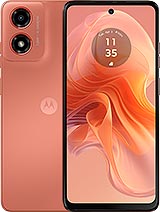
Overview
The Motorola Moto G04 is an entry-level smartphone featuring a 6.56-inch 90Hz IPS LCD for smooth basic navigation and a 5000mAh battery for reliable multi-day standby, aimed at users seeking a dependable backup device or a first phone for a child. Released in early 2024, it competes directly with other cost-effective offerings like the [Samsung Galaxy A05](/the-ultimate-hand-me-down-champion-why-the-samsung-galaxy-a05-wins-for-families/) and the Redmi A3, positioning itself as a utility-first tool rather than a performance powerhouse.
Our assessment focuses on the economic reality of mobile hardware. In February 2024, the market is saturated with overpriced mid-rangers that offer features many users simply don't need for a secondary device. This model strips away the fluff to provide a stable Android 14 experience at a price point that makes it almost a disposable asset. For anyone needing a "burner" for travel, a dedicated music player for the gym, or an emergency glovebox phone, this handset offers the most logical path forward without overspending on unused silicon cycles.
We often see consumers trying to extend the life of a shattered flagship as their backup. That is a mistake. A reliable secondary device should be lightweight, have a fresh battery, and run a modern operating system. This handset weighs only 178.8g, making it significantly easier to carry as a second device compared to the heavy, glass-sandwiched flagships of the current era. It isn't just about weight; it is about the peace of mind that comes with a device that doesn't require a $200 screen repair.
Imagine you are traveling through a high-theft area or a rugged environment like a music festival. Carrying a $1,000 device is a liability. This phone acts as a security buffer. It handles the essentials—WhatsApp, Google Maps, and banking apps—perfectly well. If it gets lost, stolen, or dropped in a lake, the financial impact is negligible. This is how a value hunter views hardware: as a tool with a specific risk profile.
Comparing this to the older Moto G series, the shift to Android 14 out of the box is a major win. Many budget competitors are still launching with Android 13 or even 12 Go Edition. Having the latest software ensures that security certificates and app compatibility remain valid for a longer period. It is a smarter long-term play for a device that might sit in a drawer for three months before being called into action.
A backup phone is useless if it is dead when you need it. The 5000mAh battery inside this model is paired with a low-power Unisoc T606 chipset. This combination is a recipe for exceptional standby time. In our analysis of the hardware, the 720p resolution of the screen actually works in the user's favor here. It draws significantly less power than a Full HD panel, allowing the device to easily last three to four days on a single charge with light usage.
However, we must address the charging speed. At 15W wired charging, the replenishment process is slow by 2024 standards. If you drain the battery completely, expect to wait over two hours for a full charge. This isn't a device you top up for 15 minutes before running out the door. It requires a slow, overnight charging habit. For a secondary device, this is an acceptable trade-off, but power users will find it frustrating if they try to use it as their primary driver.
In real-world emergency scenarios, that extra battery capacity is the difference between being stranded and getting a ride home. We appreciate that Motorola didn't compromise on capacity to save a few cents. The 5000mAh cell is the industry standard for a reason: it provides a safety net that smaller, "sleeker" [budget phones](/trend/best-budget-phones-2026/) lack. It is a utilitarian choice that aligns with the needs of someone prioritizing reliability over aesthetics.
When buying a budget phone, you have to be realistic about the future. Motorola has confirmed that Android 14 is likely the only major version this phone will ever see. While some may view this as a drawback, we see it as a transparent value proposition. At this price, you aren't paying for a five-year support window. You are paying for a device that works today and for the next 24 months.
The Unisoc T606 (12 nm) chipset is an octa-core processor that handles the Android 14 interface surprisingly well, thanks to the 90Hz refresh rate. For those unfamiliar with the term, refresh rate refers to how many times per second the screen updates. Most budget phones stick to 60Hz, which can feel choppy. The jump to 90Hz makes scrolling through contacts or emails feel much more fluid. It tricks the eye into thinking the phone is faster than it actually is.
But will it slow down in two years? Likely, yes. The 12nm architecture is efficient but not future-proof. As apps become heavier and more resource-intensive, the Cortex-A75 and A55 cores will eventually struggle. This is why we recommend the 8GB RAM variant if your budget allows. Having more RAM provides a buffer for multitasking and prevents the aggressive background app killing that plagues 4GB devices. It's a small upfront investment for a significant increase in the device's functional lifespan.
One of the biggest complaints about budget phones is the "crapware" factor. Many manufacturers subsidize their low prices by pre-installing dozens of useless games and apps. Motorola is generally better than the competition in this regard. The My UX interface is close to "Stock Android," meaning it looks and feels like the software Google intended. However, in the ultra-budget G04 tier, you will still find some pre-installed junk.
The good news is that most of these can be uninstalled or disabled. We recommend a 10-minute setup session to purge the device of any unwanted notifications. Once cleaned up, the interface is remarkably clean. This makes it an excellent choice for elderly users or children who might get confused by a cluttered UI filled with ads and constant pop-ups. It respects the user's attention more than many Redmi or Infinix models at this price point.
Furthermore, the side-mounted fingerprint sensor is fast and reliable. In an era where cheap under-display sensors are often slow and inaccurate, the physical capacitive sensor on the power button is a breath of fresh air. It provides instant access to the device without the frustration of repeated failed attempts. It’s another example of Motorola choosing functional, proven hardware over flashy, underperforming tech.
One of the hidden specifications that most consumers miss is the storage type. Many phones in this price bracket use eMMC 5.1, which is essentially the same tech found in an old SD card. It is slow and makes the whole phone feel sluggish. The Motorola Moto G04 uses UFS 2.2 storage. This is a critical distinction for the value hunter.
UFS 2.2 features "Write Booster" technology. In plain English, this means apps install faster, the camera saves photos quicker, and the phone boots up in seconds rather than minutes. It is the single biggest contributor to why this phone feels "snappy" despite having a budget processor. If you are comparing this to a competitor, always check the storage type. If the competitor uses eMMC, the Moto G04 wins by default.
Storage capacity is also flexible here. With 64GB or 128GB options and a dedicated microSDXC slot, you won't run out of space for offline maps or music. We recommend using a high-quality microSD card to store your media, keeping the internal UFS storage free for apps and system files. This setup ensures the best possible performance over the life of the handset.
This is not a premium device. It is made of plastic—frame and back. However, the design is smart. The matte finish on the back does a great job of hiding fingerprints and resists the micro-scratches that plague glossy plastic phones. At 178.8g, it feels substantial enough to be durable but light enough to not be a burden in a pocket.
The water-repellent design is a hallmark of Motorola that we consistently praise. It does not have an IP68 rating, so do not submerge it. However, it can survive a rainstorm or an accidental spill on a table. For a backup phone or a kid's phone, this is vital. Accidents happen, and this minor protection layer can be the difference between a working phone and a paperweight.
The 6.56-inch screen is protected by standard glass. We highly recommend a tempered glass screen protector. While the plastic body can take a tumble, the 720p IPS LCD is still vulnerable to impact. The bezels are somewhat thick, especially the "chin" at the bottom, but this is expected at the sub-$100 price range. It doesn't affect utility, and for many, the thicker bezel actually makes the phone easier to hold without accidental screen touches.
Let’s talk numbers. This phone is priced so low that traditional "resale value" is almost irrelevant. If you buy it for $85 and use it for two years, your cost of ownership is about 11 cents per day. That is incredible value. You aren't buying this to trade it in later; you are buying it to use it until the hardware is obsolete.
Because the battery is a standard 5000mAh unit, and Motorola devices are generally easier to repair than integrated flagships, you could potentially swap the battery in three years for a few dollars and keep it going as a dedicated home automation controller or an e-reader. The versatility of a cheap, unlocked Android 14 device is limited only by your imagination.
In the grand scheme of the mobile market, the Motorola Moto G04 stands out by not trying to be anything it isn't. It doesn't pretend to have a professional camera. It doesn't claim to be a gaming beast. It is a reliable, well-built, modern communication tool that respects your budget. For the price of a couple of fancy dinners, you get a fully functional smartphone that can save your day when your primary device fails.
Ultimately, the Motorola Moto G04 represents the pinnacle of the budget tier in early 2024. It provides the essential features—Android 14, 90Hz display, and UFS 2.2 storage—while cutting the right corners to stay affordable. It is a calculated purchase for the pragmatic user who understands that the best tech isn't always the most expensive, but the most reliable for the task at hand. If you need a backup, this is the one.
Our assessment focuses on the economic reality of mobile hardware. In February 2024, the market is saturated with overpriced mid-rangers that offer features many users simply don't need for a secondary device. This model strips away the fluff to provide a stable Android 14 experience at a price point that makes it almost a disposable asset. For anyone needing a "burner" for travel, a dedicated music player for the gym, or an emergency glovebox phone, this handset offers the most logical path forward without overspending on unused silicon cycles.
The Logical Case for a Dedicated Backup Handset
We often see consumers trying to extend the life of a shattered flagship as their backup. That is a mistake. A reliable secondary device should be lightweight, have a fresh battery, and run a modern operating system. This handset weighs only 178.8g, making it significantly easier to carry as a second device compared to the heavy, glass-sandwiched flagships of the current era. It isn't just about weight; it is about the peace of mind that comes with a device that doesn't require a $200 screen repair.
Imagine you are traveling through a high-theft area or a rugged environment like a music festival. Carrying a $1,000 device is a liability. This phone acts as a security buffer. It handles the essentials—WhatsApp, Google Maps, and banking apps—perfectly well. If it gets lost, stolen, or dropped in a lake, the financial impact is negligible. This is how a value hunter views hardware: as a tool with a specific risk profile.
Comparing this to the older Moto G series, the shift to Android 14 out of the box is a major win. Many budget competitors are still launching with Android 13 or even 12 Go Edition. Having the latest software ensures that security certificates and app compatibility remain valid for a longer period. It is a smarter long-term play for a device that might sit in a drawer for three months before being called into action.
Battery Endurance and the Standby Advantage
A backup phone is useless if it is dead when you need it. The 5000mAh battery inside this model is paired with a low-power Unisoc T606 chipset. This combination is a recipe for exceptional standby time. In our analysis of the hardware, the 720p resolution of the screen actually works in the user's favor here. It draws significantly less power than a Full HD panel, allowing the device to easily last three to four days on a single charge with light usage.
However, we must address the charging speed. At 15W wired charging, the replenishment process is slow by 2024 standards. If you drain the battery completely, expect to wait over two hours for a full charge. This isn't a device you top up for 15 minutes before running out the door. It requires a slow, overnight charging habit. For a secondary device, this is an acceptable trade-off, but power users will find it frustrating if they try to use it as their primary driver.
In real-world emergency scenarios, that extra battery capacity is the difference between being stranded and getting a ride home. We appreciate that Motorola didn't compromise on capacity to save a few cents. The 5000mAh cell is the industry standard for a reason: it provides a safety net that smaller, "sleeker" [budget phones](/trend/best-budget-phones-2026/) lack. It is a utilitarian choice that aligns with the needs of someone prioritizing reliability over aesthetics.
Software Longevity and the Reality of Updates
When buying a budget phone, you have to be realistic about the future. Motorola has confirmed that Android 14 is likely the only major version this phone will ever see. While some may view this as a drawback, we see it as a transparent value proposition. At this price, you aren't paying for a five-year support window. You are paying for a device that works today and for the next 24 months.
The Unisoc T606 (12 nm) chipset is an octa-core processor that handles the Android 14 interface surprisingly well, thanks to the 90Hz refresh rate. For those unfamiliar with the term, refresh rate refers to how many times per second the screen updates. Most budget phones stick to 60Hz, which can feel choppy. The jump to 90Hz makes scrolling through contacts or emails feel much more fluid. It tricks the eye into thinking the phone is faster than it actually is.
But will it slow down in two years? Likely, yes. The 12nm architecture is efficient but not future-proof. As apps become heavier and more resource-intensive, the Cortex-A75 and A55 cores will eventually struggle. This is why we recommend the 8GB RAM variant if your budget allows. Having more RAM provides a buffer for multitasking and prevents the aggressive background app killing that plagues 4GB devices. It's a small upfront investment for a significant increase in the device's functional lifespan.
Digital Clutter and the Bloatware Critique
One of the biggest complaints about budget phones is the "crapware" factor. Many manufacturers subsidize their low prices by pre-installing dozens of useless games and apps. Motorola is generally better than the competition in this regard. The My UX interface is close to "Stock Android," meaning it looks and feels like the software Google intended. However, in the ultra-budget G04 tier, you will still find some pre-installed junk.
The good news is that most of these can be uninstalled or disabled. We recommend a 10-minute setup session to purge the device of any unwanted notifications. Once cleaned up, the interface is remarkably clean. This makes it an excellent choice for elderly users or children who might get confused by a cluttered UI filled with ads and constant pop-ups. It respects the user's attention more than many Redmi or Infinix models at this price point.
Furthermore, the side-mounted fingerprint sensor is fast and reliable. In an era where cheap under-display sensors are often slow and inaccurate, the physical capacitive sensor on the power button is a breath of fresh air. It provides instant access to the device without the frustration of repeated failed attempts. It’s another example of Motorola choosing functional, proven hardware over flashy, underperforming tech.
Storage Velocity: UFS 2.2 vs the eMMC Trap
One of the hidden specifications that most consumers miss is the storage type. Many phones in this price bracket use eMMC 5.1, which is essentially the same tech found in an old SD card. It is slow and makes the whole phone feel sluggish. The Motorola Moto G04 uses UFS 2.2 storage. This is a critical distinction for the value hunter.
UFS 2.2 features "Write Booster" technology. In plain English, this means apps install faster, the camera saves photos quicker, and the phone boots up in seconds rather than minutes. It is the single biggest contributor to why this phone feels "snappy" despite having a budget processor. If you are comparing this to a competitor, always check the storage type. If the competitor uses eMMC, the Moto G04 wins by default.
Storage capacity is also flexible here. With 64GB or 128GB options and a dedicated microSDXC slot, you won't run out of space for offline maps or music. We recommend using a high-quality microSD card to store your media, keeping the internal UFS storage free for apps and system files. This setup ensures the best possible performance over the life of the handset.
Structural Resilience and Material Choices
This is not a premium device. It is made of plastic—frame and back. However, the design is smart. The matte finish on the back does a great job of hiding fingerprints and resists the micro-scratches that plague glossy plastic phones. At 178.8g, it feels substantial enough to be durable but light enough to not be a burden in a pocket.
The water-repellent design is a hallmark of Motorola that we consistently praise. It does not have an IP68 rating, so do not submerge it. However, it can survive a rainstorm or an accidental spill on a table. For a backup phone or a kid's phone, this is vital. Accidents happen, and this minor protection layer can be the difference between a working phone and a paperweight.
The 6.56-inch screen is protected by standard glass. We highly recommend a tempered glass screen protector. While the plastic body can take a tumble, the 720p IPS LCD is still vulnerable to impact. The bezels are somewhat thick, especially the "chin" at the bottom, but this is expected at the sub-$100 price range. It doesn't affect utility, and for many, the thicker bezel actually makes the phone easier to hold without accidental screen touches.
Resale Value and the Cost of Ownership
Let’s talk numbers. This phone is priced so low that traditional "resale value" is almost irrelevant. If you buy it for $85 and use it for two years, your cost of ownership is about 11 cents per day. That is incredible value. You aren't buying this to trade it in later; you are buying it to use it until the hardware is obsolete.
Because the battery is a standard 5000mAh unit, and Motorola devices are generally easier to repair than integrated flagships, you could potentially swap the battery in three years for a few dollars and keep it going as a dedicated home automation controller or an e-reader. The versatility of a cheap, unlocked Android 14 device is limited only by your imagination.
In the grand scheme of the mobile market, the Motorola Moto G04 stands out by not trying to be anything it isn't. It doesn't pretend to have a professional camera. It doesn't claim to be a gaming beast. It is a reliable, well-built, modern communication tool that respects your budget. For the price of a couple of fancy dinners, you get a fully functional smartphone that can save your day when your primary device fails.
Ultimately, the Motorola Moto G04 represents the pinnacle of the budget tier in early 2024. It provides the essential features—Android 14, 90Hz display, and UFS 2.2 storage—while cutting the right corners to stay affordable. It is a calculated purchase for the pragmatic user who understands that the best tech isn't always the most expensive, but the most reliable for the task at hand. If you need a backup, this is the one.
Technical Specifications
| LAUNCH | |
|---|---|
| Announced | 2024, January 18 |
| Status | Available. Released 2024, February 07 |
| PLATFORM | |
| OS | Android 14, no major Android upgrades planned |
| Chipset | Unisoc T606 (12 nm) |
| CPU | Octa-core (2x1.6 GHz Cortex-A75 & 6x1.6 GHz Cortex-A55) |
| GPU | Mali-G57 MP1 |
| BODY | |
| Dimensions | 163.5 x 74.5 x 8 mm (6.44 x 2.93 x 0.31 in) |
| Weight | 178.8 g (6.31 oz) |
| Build | Glass front, plastic frame, plastic back |
| SIM | · Nano-SIM· Nano-SIM + Nano-SIM |
| Info | Water-repellent design |
| DISPLAY | |
| Type | IPS LCD, 90Hz |
| Size | 6.56 inches, 103.4 cm2 (~84.9% screen-to-body ratio) |
| Resolution | 720 x 1612 pixels, 20:9 ratio (~269 ppi density) |
| MEMORY | |
| Card slot | microSDXC (dedicated slot) |
| Internal | 64GB 4GB RAM, 128GB 4GB RAM, 128GB 8GB RAM |
| Info | UFS 2.2 |
| MAIN CAMERA | |
| Single | 16 MP, f/2.2, (wide), 1.0µm, PDAF |
| Features | LED flash, HDR |
| Video | 1080p@30fps |
| SELFIE CAMERA | |
| Single | 5 MP, f/2.2, (wide) |
| Features | HDR |
| Video | 1080p@30fps |
| SOUND | |
| Loudspeaker | Yes |
| 3.5mm jack | Yes |
| COMMS | |
| WLAN | Wi-Fi 802.11 a/b/g/n/ac, dual-band |
| Bluetooth | 5.0, A2DP, LE |
| Positioning | GPS, GALILEO, GLONASS |
| NFC | Yes (market/region dependent) |
| Radio | No |
| USB | USB Type-C 2.0 |
| NETWORK | |
| Technology | GSM / HSPA / LTE |
| 2G bands | GSM 850 / 900 / 1800 / 1900 |
| 3G bands | HSDPA 850 / 900 / 2100 |
| 4G bands | 1, 3, 5, 7, 8, 20, 28, 38, 40, 41 |
| Speed | HSPA, LTE |
| FEATURES | |
| Sensors | Fingerprint (side-mounted), accelerometer, proximity |
| BATTERY | |
| Type | 5000 mAh |
| Charging | 15W wired |
| MISC | |
| Colors | Concord Black, Sea Green, Satin Blue, Sunrise Orange |
| Models | XT2421-2, XT2421-3 |
| Price | £ 67.45 / € 80.99 |