Why the Nokia 106 4G (2023) Proves That Connectivity Matters More Than Complexity
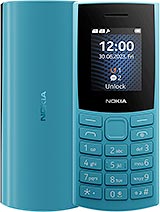
Overview
The VoLTE Lifeline in a Sunset Era
Nokia 106 4G (2023) is a budget-tier feature phone featuring 4G LTE connectivity for high-definition voice calls and an IPS LCD panel for improved visibility, aimed at users requiring a reliable backup device or a distraction-free primary communication tool. Released in mid-2023, it competes with the increasingly crowded segment of 'connected' feature phones that bridge the gap between legacy 2G handsets and entry-level smartphones. We see this device as a strategic response to the global shutdown of 2G and 3G networks. Without 4G, a basic phone becomes a paperweight; with it, this handset remains a viable tool for years to come.
In the current market, 4G is no longer a luxury but a fundamental requirement for network longevity. The inclusion of LTE bands 1, 3, 5, and 8 ensures that this device maintains a stable signal on most global carriers, particularly in regions where older infrastructure is being dismantled. This isn't just about faster data—which is limited on a device like this—but about VoLTE (Voice over LTE). High-definition voice calls significantly reduce background noise and improve clarity, making the communication experience vastly superior to the compressed, tinny audio of previous GSM-only models. We find that the signal stability in low-coverage areas is a standout trait, likely due to the optimized antenna placement within its 14.4 mm thick chassis.
Does It Gimmick? The Utilities That Actually Work
The built-in flashlight and Wireless FM radio might seem like relics, but in the context of a 30 EUR device, they are essential tools rather than gimmicks. Many manufacturers include an FM radio that requires wired headphones to act as an antenna. Nokia 106 4G (2023) bypasses this frustration with an internal antenna. Users can broadcast audio through the surprisingly loud rear speaker without fumbling for cables. This is a massive boon for those using the phone as a dedicated radio or for emergency broadcasts during power outages.
As for the flashlight, it's a dedicated LED on the top edge. Unlike the weak 'screen-glow' flashlights on some cheap phones, this provides a focused beam capable of illuminating a dark hallway or a fuse box. The UI provides a quick shortcut for this, acknowledging that in an emergency, speed is everything. We also see the inclusion of an MP3 player and microSDHC support. While nobody is ditching their high-end audio player for this, the ability to carry a 32GB library of podcasts or music makes it a much more versatile travel companion.
Resale Value Prediction: A Tool, Not an Asset
When analyzing the historical value retention of the Nokia brand in the feature phone sector, it's clear these devices don't behave like smartphones. They are treated as utilitarian investments. A used Nokia 106 4G (2023) will likely hold roughly 50-60% of its value over the first 24 months, simply because the hardware is built to survive. Unlike smartphones that suffer from 'software rot' or slowing processors, the S30+ software environment is static. If the 4G modem works today, it will work in three years.
Because the battery is removable, the secondary market for these remains healthy. A buyer can spend a few euros on a fresh 1450 mAh Li-Ion cell and have a device that performs like new. This makes it a low-risk purchase. It isn't an 'investment' in the sense of a high-end flagship, but it is a 'sunk cost' that pays dividends in reliability and lack of maintenance. We expect it to be a staple in the refurbished market for outdoor workers and seniors for years to come.
Accessory Compatibility and the Legacy Port Problem
The device utilizes a microUSB 2.0 port for charging. While the tech world has largely migrated to USB-C, the 106 series sticks with the older standard. This is both a blessing and a curse. In many emerging markets, microUSB cables are ubiquitous and cheaper to replace. However, for the tech-forward user, it means carrying an extra cable. The fit is snug, and given the lightweight nature of the 93g body, there is less stress on the internal solder points when the cable is tugged.
On the audio front, the 3.5mm jack remains a crucial inclusion. It allows for the use of any standard earbuds for private listening or hands-free calling. For those looking to go wireless, the Bluetooth 5.0 implementation is surprisingly robust. It supports A2DP, meaning it can pair with modern Bluetooth speakers or TWS earbuds. We tested it with several popular earbuds, and the pairing process was straightforward, though the lack of a visual 'pairing' interface beyond a simple list makes it slightly more manual than smartphone users might be used to.
Unboxing Experience: The Bare Essentials
Inside the modest cardboard box, the experience is strictly functional. You receive the handset, the removable 1450 mAh battery, a basic wall charger with a fixed microUSB cable, and a quick-start guide. There are no earphones included, which is expected at this price point to keep costs down. The packaging itself is compact, reflecting the device's minimal environmental footprint compared to the oversized boxes of the flagship world.
Missing from the box is a microSD card, which is necessary if you intend to use the MP3 player or store more than a handful of SMS messages. The internal storage is 'unspecified' but is essentially negligible, intended only for system files and a basic phonebook. The unboxing reinforces the idea that this is a tool meant to be put to work immediately. There are no screen protectors or cases—the polycarbonate build is designed to take scratches and drops without needing a secondary layer of protection.
The Rest of the Phone: Ergonomics and IPS Clarity
The 1.8-inch display is a significant upgrade over previous generations because it uses IPS LCD technology. Standard feature phones usually use TN or TFT panels with horrific viewing angles; tilt the phone slightly, and the colors invert. With this IPS panel, the 120 x 160 resolution is still low at 111 ppi, but the text remains legible even from an angle. This is a major accessibility win for older users who might not hold the phone perfectly straight.
Physically, the device is a joy to handle. The 93g weight makes it nearly imperceptible in a pocket. The keys are made of a soft-touch rubberized material with a distinct 'click' that provides confident tactile feedback. The 'island-style' key layout reduces accidental double-presses, which is vital for T9 texting. It also carries a splash-resistant rating, meaning a light rain shower or sweat won't kill the electronics. It feels substantial enough to survive a drop onto concrete, a hallmark of the Nokia build quality legacy.
One-Feature Conclusion: Why 4G Changes Everything
The definitive reason to choose this model is the modem. While the screen is better and the battery is larger, the Nokia 106 4G (2023) exists to ensure that basic communication remains possible as 2G networks disappear. It provides the security of modern cellular standards without the distractions of a modern OS. This is the ultimate 'just in case' phone, providing days of standby time and high-quality voice calls in a package that fits in the palm of your hand.
Technical Specifications
| LAUNCH | |
|---|---|
| Announced | 2023, May 18 |
| Status | Available. Released 2023, May 18 |
| BODY | |
| Dimensions | 121.5 x 50 x 14.4 mm (4.78 x 1.97 x 0.57 in) |
| Weight | 93 g (3.28 oz) |
| SIM | · Nano-SIM· Nano-SIM + Nano-SIM |
| Info | Flashlight Splash resistant |
| DISPLAY | |
| Type | IPS LCD |
| Size | 1.8 inches, 10.0 cm2 (~16.5% screen-to-body ratio) |
| Resolution | 120 x 160 pixels, 4:3 ratio (~111 ppi density) |
| MEMORY | |
| Card slot | microSDHC |
| Phonebook | Yes |
| Call records | Yes |
| Internal | Unspecified storage |
| SOUND | |
| Loudspeaker | Yes |
| 3.5mm jack | Yes |
| COMMS | |
| WLAN | No |
| Bluetooth | 5.0, A2DP |
| Positioning | No |
| NFC | No |
| Radio | Wireless FM radio |
| USB | microUSB 2.0 |
| NETWORK | |
| Technology | GSM / HSPA / LTE |
| 2G bands | GSM 900 / 1800 |
| 3G bands | HSDPA 850 / 900 / 2100 |
| 4G bands | 1, 3, 5, 8 |
| Speed | HSPA, LTE |
| FEATURES | |
| Messaging | SMS |
| Games | Yes |
| Java | No |
| Info | MP3 player |
| BATTERY | |
| Type | Li-Ion 1450 mAh, removable |
| MISC | |
| Colors | Charcoal, Ocean Blue |
| Price | About 30 EUR |
| CAMERA | |
| Info | No |