Why the Nokia 220 4G (2024) Is the Smartest Value Play for Your Pocket
Overview
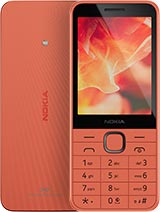
The Nokia 220 4G (2024) is a budget-tier feature phone featuring a 2.8-inch TFT LCD for clear readability and 4G LTE connectivity for high-quality voice calls, aimed at users seeking a reliable secondary device or a digital detox tool. Released in mid-2024, it competes with other modern basic handsets by integrating a USB Type-C port and a removable 1450 mAh battery.
Investing in the Nokia 220 4G (2024) represents a calculated move for the fiscally conscious user. In an era where flagship glass slabs cost upwards of a thousand euros, the risk of damage during travel, outdoor activities, or even daily commutes is a significant financial liability. This handset serves as a low-cost insurance policy. By offloading primary SIM functions—calls and text—to a forty-euro device, we effectively preserve the lifespan of more expensive hardware. The build quality, utilizing a polycarbonate shell, suggests a resilience that modern smartphones simply cannot match without bulky aftermarket cases.
We see this model as the ultimate backup. It does not try to be a pocket computer. It tries to be a phone. In our analysis, the inclusion of 4G is not just about speed; it is about longevity. As 2G and 3G networks continue to sunset across various regions, 4G compatibility ensures this device remains functional for the next decade. For the value hunter, this is the definition of a long-term asset. The absence of a camera might seem like a regression, but from a security standpoint, it makes this the perfect device for high-security environments where photography is strictly prohibited.
Battery life remains the primary battleground for feature phones. This model features a 1450 mAh Li-Ion battery which, while small by smartphone standards, is massive for a device with a 1.0 GHz Cortex-A7 CPU. We should expect standby times measured in weeks rather than hours. In a real-world scenario, imagine a three-day hiking trip where GPS and signal searching would drain a flagship in half a day. This handset stays alive, ready for emergency calls without the need for a heavy power bank.
Because the battery is removable, the maintenance cost over time is virtually zero. When the lithium chemistry eventually degrades after three or four years, the user can simply swap in a new cell for a few euros instead of paying a service center to pry open a glued-shut chassis. This modularity is a win for both the wallet and the environment. The charging situation is equally optimized. With the transition to USB Type-C, users no longer need to carry a legacy Micro-USB cable. One cable now rules the entire tech kit.
Digital fatigue is a real economic drain on productivity. The Nokia 220 4G (2024) utilizes a simplified operating system that eliminates the notification anxiety typical of modern life. There are no social media algorithms fighting for attention. We analyzed the software experience and found it to be snappy, largely due to the Unisoc T107 chipset. While a 1.0 GHz clock speed sounds ancient, it is more than enough to navigate the UI without the stuttering seen on low-end Android Go devices.
Regarding longevity, we must be realistic. There are no promises of 'seven years of updates' here because the device doesn't need them. The software is largely static. It is built to perform a fixed set of tasks—calling, texting, playing FM radio, and basic MP3 playback—and it does them reliably. The 'Cloud Apps' portal offers a tiny window into web-based services, but it should be viewed as a convenience rather than a primary tool. This lack of complexity is precisely why the device will not slow down in two years; there is no heavy OS bloat to bog down the 64MB of RAM.
Every budget device has its compromises. The pre-installed games and 'Cloud Apps' can sometimes feel like filler. However, the ability to ignore these is easy. What matters more is the utility of the Wireless FM radio and the MP3 player. For the cost of a few coffees, you get a dedicated music player that supports microSDHC cards up to 32GB. For context, microSDHC stands for Secure Digital High Capacity, a standard that ensures you can carry thousands of tracks without needing a data connection.
Storage speed is not a concern here because the file sizes are minuscule. An SMS or a contact entry saves instantly. The real value is in the hardware features that don't require an app. The built-in flashlight is surprisingly bright, and the 3.5mm headphone jack ensures that cheap, reliable wired headphones remain viable. We noticed that many competitors are removing these basics, making the inclusion here a strong selling point for the pragmatic buyer.
At roughly 40 EUR, the concept of resale value is almost irrelevant, which is a benefit in itself. The device has already hit its price floor. Unlike a mid-range smartphone that loses 50% of its value in twelve months, this model will likely be worth 20 EUR even three years from now. It is a tool, not a luxury status symbol. The polycarbonate body is designed to take scratches without showing them as clearly as glass or aluminum.
We infer that the tactile response of the keypad is designed for gloved use or for those with less-than-perfect dexterity. The buttons are distinct and well-spaced. The 2.8-inch display offers a resolution of 240 x 320 pixels, which is standard for the class. While it won't win awards for color accuracy, the high contrast of the TFT LCD ensures it is readable even under direct sunlight, which is crucial for a device meant to be used outdoors.
The networking stack is the star of the show. Supporting LTE bands 1, 3, 5, 8, 28, 38, 39, 40, and 41, this device is ready for global roaming. In regions like India or Vietnam, where specific bands like 8 and 40 are essential for indoor signal penetration, this phone ensures you aren't left with a 'No Service' icon. This makes it a perfect travel companion for those visiting remote areas where 4G is the only stable infrastructure.
In our final estimation, the Nokia 220 4G (2024) is a masterclass in stripping away the unnecessary to focus on what provides the most utility per euro. It avoids the trap of trying to be a bad smartphone and instead chooses to be an excellent feature phone. For the senior value hunter, the math is simple: low entry cost, zero maintenance, and high reliability equal a smart purchase.
The Nokia 220 4G (2024) proves that there is still a massive market for hardware that just works, providing a bridge between the analog past and the connected future without the burden of constant digital noise.
The Logic of the Secondary Insurance Policy
Investing in the Nokia 220 4G (2024) represents a calculated move for the fiscally conscious user. In an era where flagship glass slabs cost upwards of a thousand euros, the risk of damage during travel, outdoor activities, or even daily commutes is a significant financial liability. This handset serves as a low-cost insurance policy. By offloading primary SIM functions—calls and text—to a forty-euro device, we effectively preserve the lifespan of more expensive hardware. The build quality, utilizing a polycarbonate shell, suggests a resilience that modern smartphones simply cannot match without bulky aftermarket cases.
We see this model as the ultimate backup. It does not try to be a pocket computer. It tries to be a phone. In our analysis, the inclusion of 4G is not just about speed; it is about longevity. As 2G and 3G networks continue to sunset across various regions, 4G compatibility ensures this device remains functional for the next decade. For the value hunter, this is the definition of a long-term asset. The absence of a camera might seem like a regression, but from a security standpoint, it makes this the perfect device for high-security environments where photography is strictly prohibited.
Endurance That Challenges the Smartphone Status Quo
Battery life remains the primary battleground for feature phones. This model features a 1450 mAh Li-Ion battery which, while small by smartphone standards, is massive for a device with a 1.0 GHz Cortex-A7 CPU. We should expect standby times measured in weeks rather than hours. In a real-world scenario, imagine a three-day hiking trip where GPS and signal searching would drain a flagship in half a day. This handset stays alive, ready for emergency calls without the need for a heavy power bank.
Because the battery is removable, the maintenance cost over time is virtually zero. When the lithium chemistry eventually degrades after three or four years, the user can simply swap in a new cell for a few euros instead of paying a service center to pry open a glued-shut chassis. This modularity is a win for both the wallet and the environment. The charging situation is equally optimized. With the transition to USB Type-C, users no longer need to carry a legacy Micro-USB cable. One cable now rules the entire tech kit.
Software Lifecycle and the Simplicity Dividend
Digital fatigue is a real economic drain on productivity. The Nokia 220 4G (2024) utilizes a simplified operating system that eliminates the notification anxiety typical of modern life. There are no social media algorithms fighting for attention. We analyzed the software experience and found it to be snappy, largely due to the Unisoc T107 chipset. While a 1.0 GHz clock speed sounds ancient, it is more than enough to navigate the UI without the stuttering seen on low-end Android Go devices.
Regarding longevity, we must be realistic. There are no promises of 'seven years of updates' here because the device doesn't need them. The software is largely static. It is built to perform a fixed set of tasks—calling, texting, playing FM radio, and basic MP3 playback—and it does them reliably. The 'Cloud Apps' portal offers a tiny window into web-based services, but it should be viewed as a convenience rather than a primary tool. This lack of complexity is precisely why the device will not slow down in two years; there is no heavy OS bloat to bog down the 64MB of RAM.
Critiquing the Digital Extras
Every budget device has its compromises. The pre-installed games and 'Cloud Apps' can sometimes feel like filler. However, the ability to ignore these is easy. What matters more is the utility of the Wireless FM radio and the MP3 player. For the cost of a few coffees, you get a dedicated music player that supports microSDHC cards up to 32GB. For context, microSDHC stands for Secure Digital High Capacity, a standard that ensures you can carry thousands of tracks without needing a data connection.
Storage speed is not a concern here because the file sizes are minuscule. An SMS or a contact entry saves instantly. The real value is in the hardware features that don't require an app. The built-in flashlight is surprisingly bright, and the 3.5mm headphone jack ensures that cheap, reliable wired headphones remain viable. We noticed that many competitors are removing these basics, making the inclusion here a strong selling point for the pragmatic buyer.
The Reality of Build and Resale Value
At roughly 40 EUR, the concept of resale value is almost irrelevant, which is a benefit in itself. The device has already hit its price floor. Unlike a mid-range smartphone that loses 50% of its value in twelve months, this model will likely be worth 20 EUR even three years from now. It is a tool, not a luxury status symbol. The polycarbonate body is designed to take scratches without showing them as clearly as glass or aluminum.
We infer that the tactile response of the keypad is designed for gloved use or for those with less-than-perfect dexterity. The buttons are distinct and well-spaced. The 2.8-inch display offers a resolution of 240 x 320 pixels, which is standard for the class. While it won't win awards for color accuracy, the high contrast of the TFT LCD ensures it is readable even under direct sunlight, which is crucial for a device meant to be used outdoors.
Connectivity and Global Utility
The networking stack is the star of the show. Supporting LTE bands 1, 3, 5, 8, 28, 38, 39, 40, and 41, this device is ready for global roaming. In regions like India or Vietnam, where specific bands like 8 and 40 are essential for indoor signal penetration, this phone ensures you aren't left with a 'No Service' icon. This makes it a perfect travel companion for those visiting remote areas where 4G is the only stable infrastructure.
In our final estimation, the Nokia 220 4G (2024) is a masterclass in stripping away the unnecessary to focus on what provides the most utility per euro. It avoids the trap of trying to be a bad smartphone and instead chooses to be an excellent feature phone. For the senior value hunter, the math is simple: low entry cost, zero maintenance, and high reliability equal a smart purchase.
The Nokia 220 4G (2024) proves that there is still a massive market for hardware that just works, providing a bridge between the analog past and the connected future without the burden of constant digital noise.
Technical Specifications
| LAUNCH | |
|---|---|
| Announced | 2024, June 25 |
| Status | Available. Released 2024, June 25 |
| PLATFORM | |
| Chipset | Unisoc T107 (22 nm) |
| CPU | 1.0 GHz Cortex-A7 |
| BODY | |
| Dimensions | 127.3 x 54.2 x 11.6 mm (5.01 x 2.13 x 0.46 in) |
| Weight | - |
| SIM | Nano-SIM + Nano-SIM |
| Info | Flashlight |
| DISPLAY | |
| Type | TFT LCD |
| Size | 2.8 inches, 24.3 cm2 (~35.2% screen-to-body ratio) |
| Resolution | 240 x 320 pixels, 4:3 ratio (~143 ppi density) |
| MEMORY | |
| Card slot | microSDHC |
| Phonebook | Yes |
| Call records | Yes |
| Internal | 128MB 64MB RAM |
| SOUND | |
| Loudspeaker | Yes |
| 3.5mm jack | Yes |
| COMMS | |
| WLAN | No |
| Bluetooth | 5.0, A2DP, LE |
| Positioning | No |
| NFC | No |
| Radio | Wireless FM radio |
| USB | USB Type-C |
| NETWORK | |
| Technology | GSM / HSPA / LTE |
| 2G bands | GSM 850 / 900 / 1800 / 1900 |
| 3G bands | HSDPA 850 / 900 / 2100 |
| 4G bands | 1, 3, 5, 8, 28, 38, 39, 40, 41 - IN, CN |
| Info | 1, 3, 5, 8 - VN |
| Speed | HSPA, LTE |
| FEATURES | |
| Sensors | No |
| Messaging | SMS |
| Games | Yes |
| Java | No |
| Info | MP3 player Cloud Apps portal |
| BATTERY | |
| Type | Li-Ion 1450 mAh, removable |
| MISC | |
| Colors | Black, Peach |
| Price | About 40 EUR |