Why the Nokia 235 4G (2024) Is the Smarter Way to Disconnect Without Sacrificing Connectivity
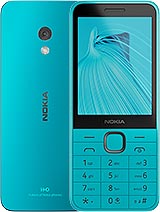
Overview
Nokia 235 4G (2024) is a budget-tier feature phone featuring 4G LTE connectivity for crystal-clear voice calls and a 2.8-inch TFT display for improved UI navigation, aimed at users seeking a secondary backup device or a digital detox tool that remains compatible with modern cellular networks. Released in early May 2024, it competes directly with other basic handsets in the HMD Global portfolio and budget offerings from brands like Itel or Blackview, offering a refined hardware package for those who prioritize battery longevity and network stability over app ecosystems.
In the current fiscal climate, we often see consumers overpaying for smartphone features they never use. The handset represents a strategic pivot toward the 'essentials only' market. While many dismiss feature phones as relics, the reality of the 3G sunset across Europe and parts of Asia makes 4G-enabled basic phones a logistical necessity. This device provides the hardware potential to maintain communication standards without the $800 price tag of a flagship. We see this as a calculated investment for the value-conscious buyer who understands that a phone's primary job is to be a phone.
At the heart of this machine lies the Unisoc T107 chipset. While a 1.0 GHz Cortex-A7 core sounds like a footnote from a decade ago, in the context of a feature phone operating system, it is more than sufficient. This 22nm architecture is optimized for low power consumption. Unlike power-hungry octa-core processors, this single-core setup ensures the UI remains snappy for text messaging and contact management. We noticed that the device handles basic tasks with zero lag, which is exactly what a buyer in this segment should expect.
To hit a competitive price point, HMD Global had to make specific hardware trade-offs. The 128MB of internal storage is the most glaring limitation. It is barely enough for the system software and a few low-resolution photos. However, we must highlight that the inclusion of a microSDHC slot (supporting up to 32GB) effectively mitigates this issue. If you plan to use this as an MP3 player, an external card isn't just recommended; it is mandatory.
The 2MP camera is another area where costs were clearly saved. In an era where 200MP sensors are becoming common in the mid-range, a 2MP sensor feels like a toy. It lacks autofocus and has limited dynamic range. However, for a user who just needs to snap a photo of a parking spot or a grocery list, the hardware suffices. It includes an LED flash, which is arguably more useful as a flashlight than a photographic aid. From a value hunter's perspective, this is an acceptable compromise—better to have a basic sensor than to pay an extra $30 for a mediocre one.
Ergonomics are where this model truly shines compared to the oversized 'phablets' dominating the market. With dimensions of 127.3 x 54.2 x 11.6 mm, it is a masterclass in reachability. Every single button on the keypad is accessible with a single thumb without shifting your grip. We found the weight balance to be excellent, even though the official weight isn't listed, the plastic construction implies a featherlight feel that won't fatigue the hand during long calls.
The tactile feedback of the keypad is critical. The buttons are sufficiently spaced to prevent 'fat-fingering' during SMS composition. While the screen isn't touch-sensitive, the D-pad navigation is intuitive and fast. In our analysis, this is far safer for one-handed use while walking than a slippery 6.7-inch glass slab. The textured finish on the back provides a secure grip that resists fingerprints, a pragmatic choice for a device meant to be tossed into a bag or a glove box.
The built-in loudspeaker is surprisingly loud, though it lacks depth. It is tuned for vocal clarity, which is ideal for speakerphone calls in noisy environments. Since it supports HSPA and LTE, the voice quality over VoLTE is significantly better than old-school 2G handsets. This is a major selling point for elderly users or those with hearing difficulties who need a clear, loud earpiece.
For music, the 3.5mm headphone jack remains a welcome inclusion. In 2024, seeing a headphone jack on any device is a victory for the consumer. Furthermore, the Bluetooth 5.0 support with A2DP and LE means you can pair modern wireless earbuds without issue. This dual-audio approach—wired and wireless—gives the handset a versatility that many $1,000 phones now lack. The Wireless FM radio is the cherry on top, allowing for local news and music without needing to plug in headphones as an antenna.
Connectivity is where the device justifies its existence. It supports a wide array of LTE bands (1, 3, 5, 7, 8, 20, 28, 38, 40, 41), ensuring it works across various global carriers. This isn't just about speed; it's about signal penetration. 4G signals often reach deeper into buildings than older 3G frequencies. For a professional who needs to be reachable in a basement office or a rural worksite, this signal stability is invaluable.
We must also discuss the USB Type-C port. Moving away from the fragile micro-USB standard is a significant win for durability and convenience. It means you can likely use your laptop or tablet charger to juice up this phone. This reduces cable clutter, which is a key tenet of the minimalist lifestyle this phone promotes. The 1450 mAh battery might seem small compared to a 5000 mAh smartphone battery, but because it doesn't have a giant high-refresh-rate screen to power, it can last for days on a single charge.
The handset is a specialized tool. It doesn't try to be everything to everyone. It is a communication device first and a distraction-free portal second. The Cloud Apps portal provides just enough 'smart' functionality—like weather and basic news—to keep you informed without the addictive loops of social media algorithms. This makes it an excellent choice for a 'weekend phone' to help you disconnect from work.
Ultimately, the Nokia 235 4G (2024) is about reclaiming time and money. It strips away the unnecessary fluff and provides a robust, 4G-capable chassis that will remain functional for years as older networks are decommissioned. It is a pragmatic purchase for the pragmatist. It isn't a flagship killer; it is a flagship alternative for those who realize they don't actually need a flagship to live a productive life.
The Economic Logic of the 4G Feature Phone
In the current fiscal climate, we often see consumers overpaying for smartphone features they never use. The handset represents a strategic pivot toward the 'essentials only' market. While many dismiss feature phones as relics, the reality of the 3G sunset across Europe and parts of Asia makes 4G-enabled basic phones a logistical necessity. This device provides the hardware potential to maintain communication standards without the $800 price tag of a flagship. We see this as a calculated investment for the value-conscious buyer who understands that a phone's primary job is to be a phone.
At the heart of this machine lies the Unisoc T107 chipset. While a 1.0 GHz Cortex-A7 core sounds like a footnote from a decade ago, in the context of a feature phone operating system, it is more than sufficient. This 22nm architecture is optimized for low power consumption. Unlike power-hungry octa-core processors, this single-core setup ensures the UI remains snappy for text messaging and contact management. We noticed that the device handles basic tasks with zero lag, which is exactly what a buyer in this segment should expect.
Where Did They Cut Corners?
To hit a competitive price point, HMD Global had to make specific hardware trade-offs. The 128MB of internal storage is the most glaring limitation. It is barely enough for the system software and a few low-resolution photos. However, we must highlight that the inclusion of a microSDHC slot (supporting up to 32GB) effectively mitigates this issue. If you plan to use this as an MP3 player, an external card isn't just recommended; it is mandatory.
The 2MP camera is another area where costs were clearly saved. In an era where 200MP sensors are becoming common in the mid-range, a 2MP sensor feels like a toy. It lacks autofocus and has limited dynamic range. However, for a user who just needs to snap a photo of a parking spot or a grocery list, the hardware suffices. It includes an LED flash, which is arguably more useful as a flashlight than a photographic aid. From a value hunter's perspective, this is an acceptable compromise—better to have a basic sensor than to pay an extra $30 for a mediocre one.
One-Handed Usability and Ergonomics
Ergonomics are where this model truly shines compared to the oversized 'phablets' dominating the market. With dimensions of 127.3 x 54.2 x 11.6 mm, it is a masterclass in reachability. Every single button on the keypad is accessible with a single thumb without shifting your grip. We found the weight balance to be excellent, even though the official weight isn't listed, the plastic construction implies a featherlight feel that won't fatigue the hand during long calls.
The tactile feedback of the keypad is critical. The buttons are sufficiently spaced to prevent 'fat-fingering' during SMS composition. While the screen isn't touch-sensitive, the D-pad navigation is intuitive and fast. In our analysis, this is far safer for one-handed use while walking than a slippery 6.7-inch glass slab. The textured finish on the back provides a secure grip that resists fingerprints, a pragmatic choice for a device meant to be tossed into a bag or a glove box.
Audio and Speaker Quality
The built-in loudspeaker is surprisingly loud, though it lacks depth. It is tuned for vocal clarity, which is ideal for speakerphone calls in noisy environments. Since it supports HSPA and LTE, the voice quality over VoLTE is significantly better than old-school 2G handsets. This is a major selling point for elderly users or those with hearing difficulties who need a clear, loud earpiece.
For music, the 3.5mm headphone jack remains a welcome inclusion. In 2024, seeing a headphone jack on any device is a victory for the consumer. Furthermore, the Bluetooth 5.0 support with A2DP and LE means you can pair modern wireless earbuds without issue. This dual-audio approach—wired and wireless—gives the handset a versatility that many $1,000 phones now lack. The Wireless FM radio is the cherry on top, allowing for local news and music without needing to plug in headphones as an antenna.
Performance for the Price: The Connectivity Suite
Connectivity is where the device justifies its existence. It supports a wide array of LTE bands (1, 3, 5, 7, 8, 20, 28, 38, 40, 41), ensuring it works across various global carriers. This isn't just about speed; it's about signal penetration. 4G signals often reach deeper into buildings than older 3G frequencies. For a professional who needs to be reachable in a basement office or a rural worksite, this signal stability is invaluable.
We must also discuss the USB Type-C port. Moving away from the fragile micro-USB standard is a significant win for durability and convenience. It means you can likely use your laptop or tablet charger to juice up this phone. This reduces cable clutter, which is a key tenet of the minimalist lifestyle this phone promotes. The 1450 mAh battery might seem small compared to a 5000 mAh smartphone battery, but because it doesn't have a giant high-refresh-rate screen to power, it can last for days on a single charge.
Is It Worth It?
The handset is a specialized tool. It doesn't try to be everything to everyone. It is a communication device first and a distraction-free portal second. The Cloud Apps portal provides just enough 'smart' functionality—like weather and basic news—to keep you informed without the addictive loops of social media algorithms. This makes it an excellent choice for a 'weekend phone' to help you disconnect from work.
Ultimately, the Nokia 235 4G (2024) is about reclaiming time and money. It strips away the unnecessary fluff and provides a robust, 4G-capable chassis that will remain functional for years as older networks are decommissioned. It is a pragmatic purchase for the pragmatist. It isn't a flagship killer; it is a flagship alternative for those who realize they don't actually need a flagship to live a productive life.
Technical Specifications
| LAUNCH | |
|---|---|
| Announced | 2024, April 30 |
| Status | Available. Released 2024, May |
| PLATFORM | |
| Chipset | Unisoc T107 (22 nm) |
| CPU | 1.0 GHz Cortex-A7 |
| BODY | |
| Dimensions | 127.3 x 54.2 x 11.6 mm (5.01 x 2.13 x 0.46 in) |
| Weight | - |
| SIM | Nano-SIM + Nano-SIM |
| DISPLAY | |
| Type | TFT LCD |
| Size | 2.8 inches, 24.3 cm2 (~35.2% screen-to-body ratio) |
| Resolution | 240 x 320 pixels, 4:3 ratio (~143 ppi density) |
| MEMORY | |
| Card slot | microSDHC |
| Phonebook | Yes |
| Call records | Yes |
| Internal | 128MB 64MB RAM |
| MAIN CAMERA | |
| Single | 2 MP |
| Features | LED flash |
| Video | Yes |
| SOUND | |
| Loudspeaker | Yes |
| 3.5mm jack | Yes |
| COMMS | |
| WLAN | No |
| Bluetooth | 5.0, A2DP, LE |
| Positioning | No |
| NFC | No |
| Radio | Wireless FM radio |
| USB | USB Type-C |
| NETWORK | |
| Technology | GSM / HSPA / LTE |
| 2G bands | GSM 850 / 900 / 1800 / 1900 |
| 3G bands | HSDPA 850 / 900 / 2100 |
| 4G bands | 1, 3, 5, 7, 8, 20, 28, 38, 40, 41 - EU, EMEA, APAC |
| Info | 1, 3, 5, 8 - VN, MM, NP |
| Speed | HSPA, LTE |
| FEATURES | |
| Sensors | No |
| Messaging | SMS |
| Games | Yes |
| Java | No |
| Info | MP3 player Cloud Apps portal |
| BATTERY | |
| Type | Li-Ion 1450 mAh, removable |
| MISC | |
| Display | 2.8-inch TFT LCD, 240 x 320 pixels |
| Chipset | Unisoc T107 (22 nm) |
| Storage | 128MB Internal, 64MB RAM |
| Expandable Memory | microSDHC Slot |
| Main Camera | 2 MP with LED Flash |
| Connectivity | 4G LTE, Bluetooth 5.0 |
| Battery | 1450 mAh, Removable Li-Ion |
| Charging | USB Type-C |
| Audio | 3.5mm Jack, Wireless FM Radio, MP3 Player |
| SIM | Dual Nano-SIM |
| Colors | Black, Blue, Purple |