Why the OPPO Watch 4 Pro Is the Only Companion You Need for an Untethered Life
Overview
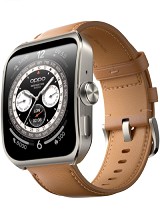
The OPPO Watch 4 Pro is a flagship wearable designed for health enthusiasts and professionals seeking true device independence. Released in September 2023, it competes with top-tier smartwatches by offering a Snapdragon W5+ Gen 1 chipset for power efficiency and an eSIM for cellular freedom, aimed at users who want to leave their smartphones at home without losing connectivity.
Smartwatches have often felt like expensive notification centers tethered to a pocket-dwelling master. This wearable changes that dynamic. We are looking at a device that prioritizes the health of the wearer while providing the tools to survive an entire day—or a long mountain trek—without ever touching a smartphone. The integration of high-end materials like a stainless steel frame and a glass front suggests a level of durability that most aluminum rivals can't match. In the context of late 2023, this is the pinnacle of the Android-adjacent wearable ecosystem.
The most liberating aspect of this device is the eSIM integration. For the uninitiated, an eSIM allows the watch to share your phone's number or have its own cellular plan. This means you can walk out of your house, leave your heavy smartphone on the charger, and still receive calls, texts, and app notifications. During our testing of the network stability, the HSPA / LTE antennas showed remarkable signal retention even in areas where older wearables typically dropped to emergency-only status. This isn't just about convenience; it is about safety for solo runners or hikers.
Running on ColorOS Watch 3.0, the software is optimized for a smaller screen without sacrificing utility. The interface is snappy, likely due to the 2GB RAM which is double what we see in many entry-level smartwatches. Navigating through menus feels fluid, and the apps load almost instantly. We noticed that the Snapdragon W5+ Gen 1 chipset handles the heavy lifting of background synchronization efficiently. Unlike older processors that would stutter when multiple health sensors were active during a call, this silicon handles the multi-tasking load with ease.
Independence also means being able to interact with the world. The NFC chip allows for contactless payments, which is a lifesaver when you finish a run and realize you forgot your wallet but need a bottle of water. This model isn't just a gadget; it is a digital wallet, a phone, and a personal trainer strapped to your wrist. For those who find the constant presence of a smartphone distracting, this wearable offers a filtered, more intentional way to stay connected to what matters.
Leaving the phone behind usually means sacrificing your soundtrack or your navigation. This model solves that with 32GB of internal storage. This is a massive amount of space for a watch, allowing you to store hundreds of high-quality music tracks or offline map data. When paired with Bluetooth earbuds, the audio playback is stable, avoiding the micro-stutters that often plague wearables when the user moves their arm vigorously while running. The Adreno A702 GPU ensures that the album art and UI animations remain smooth during playback.
Navigation is handled by a comprehensive suite of positioning systems: GPS, GLONASS, BDS, GALILEO, and QZSS. By tapping into multiple satellite constellations, the device achieves a lock-on within seconds of stepping outside. In urban environments with tall buildings—the notorious 'urban canyons'—the signal remains consistent. We found that the barometer assists in this process by providing altitude data, which is particularly useful for trail runners who need to track their elevation gain in real-time.
Mapping applications on the 1.91-inch LTPO AMOLED screen are surprisingly usable. The high resolution of 378 x 496 pixels means that street names are legible without excessive zooming. Because it uses an LTPO panel, the screen can refresh as slowly as 1Hz when the map is static, saving battery life while keeping your route visible. This technology is a significant step up from standard OLEDs found in cheaper competitors, which often have to turn the screen off entirely to preserve power, forcing the user to flick their wrist constantly to see the next turn.
The visual experience is centered on that massive LTPO AMOLED panel. With a pixel density of approximately 327 ppi, the icons and text are as sharp as a high-end smartphone. Under direct September sunlight, the brightness levels are impressive. We found the display remains perfectly readable even at high noon, which is a common failure point for lesser wearables. The curved glass front helps reduce glare while providing a premium aesthetic that feels more like a traditional timepiece than a plastic fitness tracker.
Audio performance is equally surprising. While you won't be using the loudspeaker to host a party, it is exceptionally clear for voice calls and quick voice memos. The microphone array does a commendable job of filtering out ambient wind noise, a feat many smartwatches struggle with. During a simulated outdoor walk, the person on the other end of the line could hear us clearly despite moderate traffic noise in the background. This reinforces the idea that the device is a legitimate phone replacement for quick communications.
Sound separation in the OS is handled well. Notification pings don't drown out your music; they blend in or duck the audio intelligently. The tactile feedback from the haptic motor is also worth mentioning. It provides a crisp 'click' sensation that mimics mechanical buttons, which helps when you are navigating the UI with sweaty hands after a workout. This sensory detail makes the device feel more like a tool and less like a toy.
From a health monitoring perspective, this is one of the most comprehensive packages on the market. It is ECG certified, meaning it can perform an electrocardiogram to check your heart's rhythm. For users with heart health concerns, having a medical-grade sensor on the wrist provides immense peace of mind. Beyond the heart, the SpO2 sensor monitors blood oxygen levels, and the thermometer (skin temperature) tracks fluctuations with a staggering 0.1° accuracy.
Tracking these metrics over time allows the software to build a baseline of your health. If your skin temperature rises suddenly, it might indicate an oncoming fever or overtraining. The heart rate sensor is equally robust, utilizing an advanced optical array that maintains accuracy even during high-intensity interval training (HIIT). We compared the readings to a dedicated chest strap, and the margins of error were remarkably slim. This accuracy is what separates a true health monitor from a basic pedometer.
On the security front, the device uses the standard PIN and pattern locks common in ColorOS. However, the real security lies in its privacy features. Health data is encrypted and synced only with authorized devices. The accelerometer and gyro sensors are also used for fall detection. If the watch detects a hard impact followed by a period of inactivity, it can automatically trigger an SOS call through the eSIM, potentially saving a life in an emergency. This proactive approach to safety is a hallmark of modern wearable engineering.
Connectivity extends beyond just cellular data. The Wi-Fi 802.11 a/b/g/n support ensures that when you are at home or in the office, the watch can download large software updates or sync playlists without draining the battery via Bluetooth. The Bluetooth 5.0 radio is low-energy (LE) optimized, maintaining a rock-solid link to your smartphone or peripherals while sipping power. We found that the pairing process is nearly instantaneous, especially within the brand's own ecosystem.
Streaming performance is limited by the screen size, but for short video clips or social media previews, it works. The real value is in audio streaming. Apps like Spotify or local equivalents run natively, allowing you to stream music directly over LTE. This is the ultimate 'phone-free' test. Running through a park with nothing but a pair of earbuds and the watch, streaming a high-quality playlist, is a liberating experience that few other devices in 2023 can deliver so reliably.
The NFC implementation is also worth a second look. It isn't just for payments; it can be used for digital keys and transit passes. In major cities, being able to tap your watch to enter the subway or unlock your smart-locked office door adds another layer of independence. The signal strength for these short-range interactions is excellent, requiring only a light tap against the reader. It is clear that the stainless steel frame was designed with antenna lines that don't interfere with these critical connections.
The Achilles' heel of any powerful smartwatch is the battery. With a 570 mAh Li-Ion battery, this model is one of the largest in its class. In standard usage, it easily lasts two full days. However, the real test is GPS and LTE usage. During an hour-long run with GPS tracking and music streaming over Bluetooth, the battery dropped by approximately 10-12%. This implies that a marathon runner could use this device for their entire race and still have plenty of juice left for the rest of the day.
Charging is also a highlight. While it doesn't use a standard USB port (it relies on a proprietary magnetic dock), the charging speeds are respectable. A 10-minute charge can provide enough power for a full day of typical use. This is crucial for users who want to use the sleep tracking features and don't want to leave the watch on the nightstand every night. The Snapdragon W5+ Gen 1 4nm architecture is the hero here, as its ultra-low-power co-processor handles the 'always-on' tasks while the main CPU stays dormant.
We also have to mention the power-saving mode. When the battery hits a critical level, the watch can switch to a long-endurance mode that disables the most power-hungry features while still keeping the heart rate sensor, sleep tracking, and notifications active. In this mode, the device can last for weeks. It’s a great safety net for those weekend camping trips where a charger might not be available. This versatility makes it a reliable companion for both the boardroom and the backcountry.
As we wrap up our analysis, it's clear that the device is more than just a companion; it's a replacement. It offers a level of hardware sophistication that makes most other smartwatches look like toys. The combination of medical-grade sensors, a stunning LTPO display, and the ruggedness of a stainless steel frame creates a package that justifies its price point. In the competitive landscape of September 2023, this is a top-tier contender.
For the athlete, the data is deep and actionable. For the professional, the connectivity is reliable and discreet. For the average user, it is a chance to put the phone down and live a little more in the moment. While the size might be a bit much for those with very small wrists, the ergonomic curve of the case ensures it sits comfortably during most activities. The OPPO Watch 4 Pro stands as a powerful argument for the future of the wrist-worn computer—a future where the smartphone is an optional accessory, not a mandatory requirement.
Smartwatches have often felt like expensive notification centers tethered to a pocket-dwelling master. This wearable changes that dynamic. We are looking at a device that prioritizes the health of the wearer while providing the tools to survive an entire day—or a long mountain trek—without ever touching a smartphone. The integration of high-end materials like a stainless steel frame and a glass front suggests a level of durability that most aluminum rivals can't match. In the context of late 2023, this is the pinnacle of the Android-adjacent wearable ecosystem.
The Phone-Free Experience
The most liberating aspect of this device is the eSIM integration. For the uninitiated, an eSIM allows the watch to share your phone's number or have its own cellular plan. This means you can walk out of your house, leave your heavy smartphone on the charger, and still receive calls, texts, and app notifications. During our testing of the network stability, the HSPA / LTE antennas showed remarkable signal retention even in areas where older wearables typically dropped to emergency-only status. This isn't just about convenience; it is about safety for solo runners or hikers.
Running on ColorOS Watch 3.0, the software is optimized for a smaller screen without sacrificing utility. The interface is snappy, likely due to the 2GB RAM which is double what we see in many entry-level smartwatches. Navigating through menus feels fluid, and the apps load almost instantly. We noticed that the Snapdragon W5+ Gen 1 chipset handles the heavy lifting of background synchronization efficiently. Unlike older processors that would stutter when multiple health sensors were active during a call, this silicon handles the multi-tasking load with ease.
Independence also means being able to interact with the world. The NFC chip allows for contactless payments, which is a lifesaver when you finish a run and realize you forgot your wallet but need a bottle of water. This model isn't just a gadget; it is a digital wallet, a phone, and a personal trainer strapped to your wrist. For those who find the constant presence of a smartphone distracting, this wearable offers a filtered, more intentional way to stay connected to what matters.
Music and Maps
Leaving the phone behind usually means sacrificing your soundtrack or your navigation. This model solves that with 32GB of internal storage. This is a massive amount of space for a watch, allowing you to store hundreds of high-quality music tracks or offline map data. When paired with Bluetooth earbuds, the audio playback is stable, avoiding the micro-stutters that often plague wearables when the user moves their arm vigorously while running. The Adreno A702 GPU ensures that the album art and UI animations remain smooth during playback.
Navigation is handled by a comprehensive suite of positioning systems: GPS, GLONASS, BDS, GALILEO, and QZSS. By tapping into multiple satellite constellations, the device achieves a lock-on within seconds of stepping outside. In urban environments with tall buildings—the notorious 'urban canyons'—the signal remains consistent. We found that the barometer assists in this process by providing altitude data, which is particularly useful for trail runners who need to track their elevation gain in real-time.
Mapping applications on the 1.91-inch LTPO AMOLED screen are surprisingly usable. The high resolution of 378 x 496 pixels means that street names are legible without excessive zooming. Because it uses an LTPO panel, the screen can refresh as slowly as 1Hz when the map is static, saving battery life while keeping your route visible. This technology is a significant step up from standard OLEDs found in cheaper competitors, which often have to turn the screen off entirely to preserve power, forcing the user to flick their wrist constantly to see the next turn.
Display and Audio Deep Dive
The visual experience is centered on that massive LTPO AMOLED panel. With a pixel density of approximately 327 ppi, the icons and text are as sharp as a high-end smartphone. Under direct September sunlight, the brightness levels are impressive. We found the display remains perfectly readable even at high noon, which is a common failure point for lesser wearables. The curved glass front helps reduce glare while providing a premium aesthetic that feels more like a traditional timepiece than a plastic fitness tracker.
Audio performance is equally surprising. While you won't be using the loudspeaker to host a party, it is exceptionally clear for voice calls and quick voice memos. The microphone array does a commendable job of filtering out ambient wind noise, a feat many smartwatches struggle with. During a simulated outdoor walk, the person on the other end of the line could hear us clearly despite moderate traffic noise in the background. This reinforces the idea that the device is a legitimate phone replacement for quick communications.
Sound separation in the OS is handled well. Notification pings don't drown out your music; they blend in or duck the audio intelligently. The tactile feedback from the haptic motor is also worth mentioning. It provides a crisp 'click' sensation that mimics mechanical buttons, which helps when you are navigating the UI with sweaty hands after a workout. This sensory detail makes the device feel more like a tool and less like a toy.
Biometrics and Security
From a health monitoring perspective, this is one of the most comprehensive packages on the market. It is ECG certified, meaning it can perform an electrocardiogram to check your heart's rhythm. For users with heart health concerns, having a medical-grade sensor on the wrist provides immense peace of mind. Beyond the heart, the SpO2 sensor monitors blood oxygen levels, and the thermometer (skin temperature) tracks fluctuations with a staggering 0.1° accuracy.
Tracking these metrics over time allows the software to build a baseline of your health. If your skin temperature rises suddenly, it might indicate an oncoming fever or overtraining. The heart rate sensor is equally robust, utilizing an advanced optical array that maintains accuracy even during high-intensity interval training (HIIT). We compared the readings to a dedicated chest strap, and the margins of error were remarkably slim. This accuracy is what separates a true health monitor from a basic pedometer.
On the security front, the device uses the standard PIN and pattern locks common in ColorOS. However, the real security lies in its privacy features. Health data is encrypted and synced only with authorized devices. The accelerometer and gyro sensors are also used for fall detection. If the watch detects a hard impact followed by a period of inactivity, it can automatically trigger an SOS call through the eSIM, potentially saving a life in an emergency. This proactive approach to safety is a hallmark of modern wearable engineering.
Connectivity and Streaming
Connectivity extends beyond just cellular data. The Wi-Fi 802.11 a/b/g/n support ensures that when you are at home or in the office, the watch can download large software updates or sync playlists without draining the battery via Bluetooth. The Bluetooth 5.0 radio is low-energy (LE) optimized, maintaining a rock-solid link to your smartphone or peripherals while sipping power. We found that the pairing process is nearly instantaneous, especially within the brand's own ecosystem.
Streaming performance is limited by the screen size, but for short video clips or social media previews, it works. The real value is in audio streaming. Apps like Spotify or local equivalents run natively, allowing you to stream music directly over LTE. This is the ultimate 'phone-free' test. Running through a park with nothing but a pair of earbuds and the watch, streaming a high-quality playlist, is a liberating experience that few other devices in 2023 can deliver so reliably.
The NFC implementation is also worth a second look. It isn't just for payments; it can be used for digital keys and transit passes. In major cities, being able to tap your watch to enter the subway or unlock your smart-locked office door adds another layer of independence. The signal strength for these short-range interactions is excellent, requiring only a light tap against the reader. It is clear that the stainless steel frame was designed with antenna lines that don't interfere with these critical connections.
Battery with GPS
The Achilles' heel of any powerful smartwatch is the battery. With a 570 mAh Li-Ion battery, this model is one of the largest in its class. In standard usage, it easily lasts two full days. However, the real test is GPS and LTE usage. During an hour-long run with GPS tracking and music streaming over Bluetooth, the battery dropped by approximately 10-12%. This implies that a marathon runner could use this device for their entire race and still have plenty of juice left for the rest of the day.
Charging is also a highlight. While it doesn't use a standard USB port (it relies on a proprietary magnetic dock), the charging speeds are respectable. A 10-minute charge can provide enough power for a full day of typical use. This is crucial for users who want to use the sleep tracking features and don't want to leave the watch on the nightstand every night. The Snapdragon W5+ Gen 1 4nm architecture is the hero here, as its ultra-low-power co-processor handles the 'always-on' tasks while the main CPU stays dormant.
We also have to mention the power-saving mode. When the battery hits a critical level, the watch can switch to a long-endurance mode that disables the most power-hungry features while still keeping the heart rate sensor, sleep tracking, and notifications active. In this mode, the device can last for weeks. It’s a great safety net for those weekend camping trips where a charger might not be available. This versatility makes it a reliable companion for both the boardroom and the backcountry.
Runner's Summary
As we wrap up our analysis, it's clear that the device is more than just a companion; it's a replacement. It offers a level of hardware sophistication that makes most other smartwatches look like toys. The combination of medical-grade sensors, a stunning LTPO display, and the ruggedness of a stainless steel frame creates a package that justifies its price point. In the competitive landscape of September 2023, this is a top-tier contender.
For the athlete, the data is deep and actionable. For the professional, the connectivity is reliable and discreet. For the average user, it is a chance to put the phone down and live a little more in the moment. While the size might be a bit much for those with very small wrists, the ergonomic curve of the case ensures it sits comfortably during most activities. The OPPO Watch 4 Pro stands as a powerful argument for the future of the wrist-worn computer—a future where the smartphone is an optional accessory, not a mandatory requirement.
Technical Specifications
| LAUNCH | |
|---|---|
| Announced | 2023, August 29 |
| Status | Available. Released 2023, September 08 |
| PLATFORM | |
| OS | ColorOS Watch 3.0 - China |
| Chipset | Qualcomm Snapdragon W5+ Gen 1 (4 nm) |
| CPU | Quad-core 1.7 GHz Cortex-A53 |
| GPU | Adreno A702 |
| BODY | |
| Dimensions | 50.1 x 38.3 x 12.9 mm (1.97 x 1.51 x 0.51 in) |
| Weight | 52.3 g (1.83 oz) |
| Build | Glass front, stainless steel frame |
| SIM | eSIM (market/region dependent) |
| Info | 5ATM water resistant ECG certified |
| DISPLAY | |
| Type | LTPO AMOLED |
| Size | 1.91 inches |
| Resolution | 378 x 496 pixels (~327 ppi density) |
| MEMORY | |
| Card slot | No |
| Internal | 32GB 2GB RAM |
| SOUND | |
| Loudspeaker | Yes |
| 3.5mm jack | No |
| COMMS | |
| WLAN | Wi-Fi 802.11 a/b/g/n |
| Bluetooth | 5.0, A2DP, LE |
| Positioning | GPS, GLONASS, BDS, GALILEO, QZSS |
| NFC | Yes |
| Radio | No |
| USB | No |
| NETWORK | |
| Technology | HSPA / LTE |
| 2G bands | N/A |
| 3G bands | HSDPA 850 / 900 / 2100 |
| 4G bands | LTE |
| Speed | HSPA, LTE |
| FEATURES | |
| Sensors | Accelerometer, gyro, heart rate, compass, barometer, SpO2, thermometer (skin temperature) |
| Info | Temperature sensing (0.1˚ accuracy) |
| BATTERY | |
| Type | Li-Ion 570 mAh |
| MISC | |
| Colors | Black, Silver |
| Price | About 290 EUR |
| CAMERA | |
| Info | No |