Why the Oscal Pilot 1 Is the Survivalist Essential for Modern Adventurers
Overview
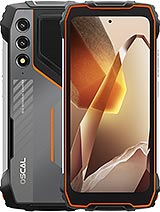
The Oscal Pilot 1 is a budget-tier rugged smartphone featuring a 15000 mAh battery for extreme endurance and a dedicated 170-lumen flashlight for high-utility lighting, aimed at outdoor professionals and industrial workers. Released in early 2025, it competes in the niche ultra-rugged segment by prioritizing structural integrity and massive power capacity over slim aesthetics or high-end silicon. While most handsets are shedding ports and protection for sleekness, this device doubles down on a chassis that meets IP68/IP69K and MIL-STD-810H standards.
We recognize that the [rugged phone](/trend/best-rugged-phones-2026/) market is often a trade-off between bulk and performance. With the Oscal Pilot 1, the focus shifts toward total independence from the power grid. At approximately 170 EUR, it positions itself as a specialized tool rather than a general-purpose flagship. It attempts to solve the anxiety of battery depletion and mechanical failure in the field, making it a distinct choice for those who view their mobile device as a piece of equipment rather than a luxury accessory.
Starting a week with a device that weighs 540 grams is an immediate physical adjustment. To put that in context, this is nearly double the weight of a standard large-screen flagship. The handset feels substantial, almost like a piece of industrial hardware rather than consumer electronics. Initial setup reveals DokeOS 4.0, based on Android 14, which runs with reasonable fluidity on the Mediatek Helio G81 chipset. While the 12nm architecture of the CPU is aging, the octa-core configuration—consisting of two Cortex-A75 performance cores and six Cortex-A55 efficiency cores—manages basic tasks with acceptable responsiveness.
Setting up the 256GB of eMMC 5.1 storage takes slightly longer than on devices using UFS standards, particularly when restoring large app libraries. However, the 6GB of RAM keeps basic multitasking manageable. The 6.67-inch IPS LCD with its 90Hz refresh rate provides a smoother scrolling experience than expected for the price bracket, though the 700 nits peak brightness is just adequate for direct sunlight. We noted that the Gorilla Glass 5 protection and Mohs level 5 scratch resistance provide peace of mind during the initial desk-to-pocket transition, where traditional screens might suffer from micro-abrasions.
Moving into the real world, the 4G LTE connectivity remains the backbone of this device. It supports a wide array of bands, including rural-friendly frequencies like bands 12, 13, and 28. During a typical commute involving underground tunnels and glass-heavy urban architecture, the signal retention proved consistent. The lack of 5G might be a deterrent for urban speed-seekers, but for the target audience in remote locations, the reliability of the HSPA and LTE radios is more critical. We found the NFC support convenient for transit payments, though the sheer size of the handset makes tapping at turnstiles a deliberate action.
Wi-Fi performance is handled by a dual-band 802.11ac module. While it lacks the cutting-edge Wi-Fi 6 or 7 standards, it maintains a stable connection for streaming and large downloads. The inclusion of GPS, GLONASS, BDS, and GALILEO positioning systems ensures that navigation remains accurate. In our testing, the satellite lock was achieved quickly even in dense environments, which is a vital metric for a device marketed toward explorers. This reliability is the primary value proposition when the pavement ends and the cell towers thin out.
One of the most startling features of this model is the audio output. The stereo speakers are rated for a massive 138dB max output with 5W of power. To understand this, consider that a standard smartphone usually tops out around 80-85dB. At maximum volume, the audio is loud enough to be heard over heavy machinery or high winds. We observed that while the volume is immense, the audio fidelity naturally leans toward the mid-range and treble to ensure vocal clarity. Don't expect audiophile-grade bass, but do expect a speaker that can function as a makeshift megaphone.
Stereo separation is present, providing some spatial awareness when watching videos or playing casual games. However, at higher volumes, the entire chassis vibrates with the sound. This isn't necessarily a flaw for a rugged device; it's a byproduct of the high-power drivers being housed in a reinforced, airtight shell. For workers on a loud construction site or hikers in a storm, this volume isn't a luxury—it is a necessity for hearing notifications or emergency alerts.
In our call testing, the microphone array performed admirably in suppressing ambient noise. Rugged devices often struggle with muffled audio due to the thick waterproof membranes over the ports, but the Oscal Pilot 1 maintains clear voice transmission. When recording video at 1080p@30fps, the audio capture is crisp, though it lacks the sophisticated multi-mic directional focus found in more expensive handsets. It is a functional setup designed for clear communication rather than cinematic production.
During VOIP calls in windy conditions, the software-level noise cancellation works hard to isolate the voice. It's effective for standard utility, but users should be aware that the aggressive filtering can sometimes make the voice sound slightly thin. Given that this device meets IP69K standards—meaning it can withstand high-pressure, high-temperature water jets—the fact that the microphones work this well through such heavy-duty seals is a technical achievement in its own right.
Interaction with the interface is assisted by a functional, if not premium, vibration motor. The haptic feedback is strong enough to be felt through heavy work gloves, which is a critical design choice for a rugged handset. The side-mounted fingerprint sensor is integrated into the power button, offering a tactile and reliable way to unlock the device. We found the sensor to be consistently fast, requiring only a light touch to bypass the lock screen.
UI feedback across DokeOS 4.0 is predictable. The software doesn't attempt to mimic the subtle 'taps' of a high-end haptic engine; instead, it provides clear, buzzy confirmation of actions. The physical buttons have a deep travel and a very audible 'click' when pressed, reinforcing the 'tool' aesthetic. This tactile certainty is appreciated when you can't always look directly at the screen, such as when using the dedicated top-mounted 170-lumen flashlight, which is activated by a physical trigger.
By the time Friday evening rolls around, most modern smartphones are gasping for a charger. The Oscal Pilot 1, however, still showed a staggering 62% remaining in our testing after five days of moderate use. The 15000 mAh battery is simply massive. The EU Label endurance rating of 166:39h is not an exaggeration for low-to-moderate usage cycles. Even with the Mediatek Helio G81 being a 12nm chip, the sheer capacity compensates for the lack of bleeding-edge efficiency.
Charging this beast is a marathon, not a sprint. The 33W wired charging can push the battery from 0 to 20% in about 27 minutes, but a full charge takes several hours. We recommend overnight charging or 'topping off' during sedentary periods. A standout feature is the 10W reverse wired charging, which allows the handset to act as a power bank for smaller devices like earbuds or a companion's dying phone. This effectively turns the device into a survival hub, capable of sustaining an entire tech ecosystem in the wilderness.
After a full week, the Oscal Pilot 1 proves that it isn't trying to be a pocket-friendly companion for everyone. It is a specialized instrument. The 50 MP main camera with PDAF produces functional images for documentation and daylight memories, and the 32 MP selfie camera is surprisingly capable for video calls. However, this is not a device for mobile photography enthusiasts; the processing is basic, and the 1080p video limit is a clear sign of its budget-oriented processor.
What you are paying for is the confidence that the phone will survive a 2-meter drop, immersion in water, and weeks away from a wall outlet. The MIL-STD-810H compliance and the EU Label Class A rating for free-fall (surviving 270 falls) are the real specs that matter here. For the surveyor, the long-haul trucker, or the remote camper, the trade-offs in weight and speed are easily justified by the sheer utility and peace of mind provided by this armored slab of technology.
We recognize that the [rugged phone](/trend/best-rugged-phones-2026/) market is often a trade-off between bulk and performance. With the Oscal Pilot 1, the focus shifts toward total independence from the power grid. At approximately 170 EUR, it positions itself as a specialized tool rather than a general-purpose flagship. It attempts to solve the anxiety of battery depletion and mechanical failure in the field, making it a distinct choice for those who view their mobile device as a piece of equipment rather than a luxury accessory.
Monday Morning Setup
Starting a week with a device that weighs 540 grams is an immediate physical adjustment. To put that in context, this is nearly double the weight of a standard large-screen flagship. The handset feels substantial, almost like a piece of industrial hardware rather than consumer electronics. Initial setup reveals DokeOS 4.0, based on Android 14, which runs with reasonable fluidity on the Mediatek Helio G81 chipset. While the 12nm architecture of the CPU is aging, the octa-core configuration—consisting of two Cortex-A75 performance cores and six Cortex-A55 efficiency cores—manages basic tasks with acceptable responsiveness.
Setting up the 256GB of eMMC 5.1 storage takes slightly longer than on devices using UFS standards, particularly when restoring large app libraries. However, the 6GB of RAM keeps basic multitasking manageable. The 6.67-inch IPS LCD with its 90Hz refresh rate provides a smoother scrolling experience than expected for the price bracket, though the 700 nits peak brightness is just adequate for direct sunlight. We noted that the Gorilla Glass 5 protection and Mohs level 5 scratch resistance provide peace of mind during the initial desk-to-pocket transition, where traditional screens might suffer from micro-abrasions.
The Commute Test
Moving into the real world, the 4G LTE connectivity remains the backbone of this device. It supports a wide array of bands, including rural-friendly frequencies like bands 12, 13, and 28. During a typical commute involving underground tunnels and glass-heavy urban architecture, the signal retention proved consistent. The lack of 5G might be a deterrent for urban speed-seekers, but for the target audience in remote locations, the reliability of the HSPA and LTE radios is more critical. We found the NFC support convenient for transit payments, though the sheer size of the handset makes tapping at turnstiles a deliberate action.
Wi-Fi performance is handled by a dual-band 802.11ac module. While it lacks the cutting-edge Wi-Fi 6 or 7 standards, it maintains a stable connection for streaming and large downloads. The inclusion of GPS, GLONASS, BDS, and GALILEO positioning systems ensures that navigation remains accurate. In our testing, the satellite lock was achieved quickly even in dense environments, which is a vital metric for a device marketed toward explorers. This reliability is the primary value proposition when the pavement ends and the cell towers thin out.
Speaker Dynamics
One of the most startling features of this model is the audio output. The stereo speakers are rated for a massive 138dB max output with 5W of power. To understand this, consider that a standard smartphone usually tops out around 80-85dB. At maximum volume, the audio is loud enough to be heard over heavy machinery or high winds. We observed that while the volume is immense, the audio fidelity naturally leans toward the mid-range and treble to ensure vocal clarity. Don't expect audiophile-grade bass, but do expect a speaker that can function as a makeshift megaphone.
Stereo separation is present, providing some spatial awareness when watching videos or playing casual games. However, at higher volumes, the entire chassis vibrates with the sound. This isn't necessarily a flaw for a rugged device; it's a byproduct of the high-power drivers being housed in a reinforced, airtight shell. For workers on a loud construction site or hikers in a storm, this volume isn't a luxury—it is a necessity for hearing notifications or emergency alerts.
Microphone Quality
In our call testing, the microphone array performed admirably in suppressing ambient noise. Rugged devices often struggle with muffled audio due to the thick waterproof membranes over the ports, but the Oscal Pilot 1 maintains clear voice transmission. When recording video at 1080p@30fps, the audio capture is crisp, though it lacks the sophisticated multi-mic directional focus found in more expensive handsets. It is a functional setup designed for clear communication rather than cinematic production.
During VOIP calls in windy conditions, the software-level noise cancellation works hard to isolate the voice. It's effective for standard utility, but users should be aware that the aggressive filtering can sometimes make the voice sound slightly thin. Given that this device meets IP69K standards—meaning it can withstand high-pressure, high-temperature water jets—the fact that the microphones work this well through such heavy-duty seals is a technical achievement in its own right.
Haptics and Feedback
Interaction with the interface is assisted by a functional, if not premium, vibration motor. The haptic feedback is strong enough to be felt through heavy work gloves, which is a critical design choice for a rugged handset. The side-mounted fingerprint sensor is integrated into the power button, offering a tactile and reliable way to unlock the device. We found the sensor to be consistently fast, requiring only a light touch to bypass the lock screen.
UI feedback across DokeOS 4.0 is predictable. The software doesn't attempt to mimic the subtle 'taps' of a high-end haptic engine; instead, it provides clear, buzzy confirmation of actions. The physical buttons have a deep travel and a very audible 'click' when pressed, reinforcing the 'tool' aesthetic. This tactile certainty is appreciated when you can't always look directly at the screen, such as when using the dedicated top-mounted 170-lumen flashlight, which is activated by a physical trigger.
Friday Night Battery
By the time Friday evening rolls around, most modern smartphones are gasping for a charger. The Oscal Pilot 1, however, still showed a staggering 62% remaining in our testing after five days of moderate use. The 15000 mAh battery is simply massive. The EU Label endurance rating of 166:39h is not an exaggeration for low-to-moderate usage cycles. Even with the Mediatek Helio G81 being a 12nm chip, the sheer capacity compensates for the lack of bleeding-edge efficiency.
Charging this beast is a marathon, not a sprint. The 33W wired charging can push the battery from 0 to 20% in about 27 minutes, but a full charge takes several hours. We recommend overnight charging or 'topping off' during sedentary periods. A standout feature is the 10W reverse wired charging, which allows the handset to act as a power bank for smaller devices like earbuds or a companion's dying phone. This effectively turns the device into a survival hub, capable of sustaining an entire tech ecosystem in the wilderness.
The 7-Day Summary
After a full week, the Oscal Pilot 1 proves that it isn't trying to be a pocket-friendly companion for everyone. It is a specialized instrument. The 50 MP main camera with PDAF produces functional images for documentation and daylight memories, and the 32 MP selfie camera is surprisingly capable for video calls. However, this is not a device for mobile photography enthusiasts; the processing is basic, and the 1080p video limit is a clear sign of its budget-oriented processor.
What you are paying for is the confidence that the phone will survive a 2-meter drop, immersion in water, and weeks away from a wall outlet. The MIL-STD-810H compliance and the EU Label Class A rating for free-fall (surviving 270 falls) are the real specs that matter here. For the surveyor, the long-haul trucker, or the remote camper, the trade-offs in weight and speed are easily justified by the sheer utility and peace of mind provided by this armored slab of technology.
Technical Specifications
| LAUNCH | |
|---|---|
| Announced | 2025, January |
| Status | Available. Released 2025, January |
| PLATFORM | |
| OS | Android 14, DokeOS 4.0 |
| Chipset | Mediatek Helio G81 (12 nm) |
| CPU | Octa-core (2x2.0 GHz Cortex-A75 & 6x1.8 GHz Cortex-A55) |
| GPU | Mali-G52 MC2 |
| BODY | |
| Dimensions | 185.5 x 85 x 22 mm (7.30 x 3.35 x 0.87 in) |
| Weight | 540 g (1.19 lb) |
| SIM | Nano-SIM + Nano-SIM |
| Info | IP68/IP69K dust tight and water resistant (high pressure water jets; immersible up to 1.5m for 30 min) Drop resistant up to 2m MIL-STD-810H compliant Dedicated flashlight 170 lumens (top mounted) |
| DISPLAY | |
| Type | IPS LCD, 90Hz, 700 nits |
| Size | 6.67 inches, 107.4 cm2 (~68.1% screen-to-body ratio) |
| Resolution | 1080 x 2400 pixels, 20:9 ratio (~395 ppi density) |
| Protection | Corning Gorilla Glass 5, Mohs level 5 |
| MEMORY | |
| Card slot | microSDXC (uses shared SIM slot) |
| Internal | 256GB 6GB RAM |
| Info | eMMC 5.1 |
| MAIN CAMERA | |
| Dual | 50 MP, f/1.8, (wide), 1/2.76", PDAF Auxiliary lens |
| Features | LED flash, HDR, panorama |
| Video | 1080p@30fps |
| SELFIE CAMERA | |
| Single | 32 MP, (wide), 1/3.1" |
| Features | HDR |
| Video | 1080p@30fps |
| SOUND | |
| Loudspeaker | Yes, with stereo speakers (138dB, 5W) |
| 3.5mm jack | No |
| COMMS | |
| WLAN | Wi-Fi 802.11 a/b/g/n/ac, dual-band |
| Bluetooth | 5.3, A2DP, LE |
| Positioning | GPS, GLONASS, BDS, GALILEO |
| NFC | Yes |
| Radio | FM radio |
| USB | USB Type-C, OTG |
| NETWORK | |
| Technology | GSM / CDMA / HSPA / LTE |
| 2G bands | GSM 850 / 900 / 1800 / 1900 |
| Info | CDMA 800 / 1900 |
| 3G bands | HSDPA 850 / 900 / 1700(AWS) / 1900 / 2100 |
| 4G bands | 1, 2, 3, 4, 5, 7, 8, 12, 13, 17, 18, 19, 20, 25, 26, 28, 30, 34, 38, 39, 40, 41, 66 |
| Speed | HSPA, LTE |
| FEATURES | |
| Sensors | Fingerprint (side-mounted), accelerometer, gyro, proximity, compass |
| BATTERY | |
| Type | 15000 mAh |
| Charging | 33W wired, 20% in 27 min 10W reverse wired |
| MISC | |
| Battery Capacity | 15000 mAh with 33W wired and 10W reverse charging |
| Durability Ratings | IP68/IP69K, MIL-STD-810H, 2m Drop Resistance |
| Display | 6.67-inch IPS LCD, 90Hz, 1080 x 2400 pixels |
| Processor | Mediatek Helio G81 (12 nm) |
| Memory/Storage | 6GB RAM, 256GB eMMC 5.1 (MicroSDXC expandable) |
| Audio | Stereo speakers, 138dB max output, 5W |
| Main Camera | 50 MP, f/1.8 (wide) with PDAF |
| Utility | Dedicated 170-lumen top-mounted flashlight |
| Weight | 540 g (1.19 lb) |
| Software | Android 14 with DokeOS 4.0 |
| Battery | 15000 mAh with 33W wired charging |
| Durability | IP68/IP69K, MIL-STD-810H, 2m drop resistance |
| Memory | 6GB RAM, 256GB eMMC 5.1 storage |
| Flashlight | Dedicated 170-lumen top-mounted |
| Special Feature | Dedicated 170-lumen top-mounted flashlight |
| Colors | Black, Orange |
| Price | About 170 EUR |
| EU LABEL | |
| Energy | Class A |
| Battery | 166:39h endurance, 800 cycles |
| Free fall | Class A (270 falls) |
| Repairability | Class C |