Why the OUKITEL C62 Pro Proves That Free Carrier Phones Usually Cost the Most in the Long Run
Overview
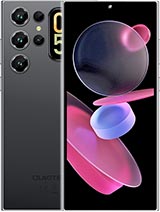
The OUKITEL C62 Pro is an entry-level budget smartphone featuring a 256GB storage and 8GB RAM configuration to provide high capacity for essential apps and a 5150 mAh battery for long-term usage, aimed at consumers seeking durability and utility without high upfront costs. Released in July 2025, it enters a competitive landscape dominated by 4G-only legacy devices and low-tier alternatives from Motorola and Xiaomi.
Walking into a carrier store in mid-2025, one might see the OUKITEL C62 Pro listed for zero dollars down on a basic monthly plan. From a budget economist's view, this is the most expensive way to own this hardware. The total cost of ownership over a 24-month contract far exceeds the market value of a device powered by the Unisoc T606 chipset. This processor, built on a 12nm process, was already aging a year ago. By today's standards, it represents the absolute floor of functional computing. While the 256GB of internal storage looks like a massive win for a budget buyer, the underlying speed of that storage and the processing power to move data remain bottlenecks. We see this often in the budget sector: high-capacity numbers are used to mask low-performance architectures.
Imagine committing to a two-year contract for a device that lacks 5G in 2025. As carriers continue to re-farm 4G spectrum to bolster 5G networks, 4G-only devices like the OUKITEL C62 Pro face a future of diminishing signal priority and slower data speeds. If you buy this phone unlocked for its low retail price, it serves as a reasonable secondary device or a starter phone for a child. However, tying it to a long-term service agreement is a strategic financial error. The hardware will likely struggle with the operating system requirements of 2026 and 2027, long before the contract expires.
The OUKITEL C62 Pro attempts to stand out with its 6.88-inch IPS LCD. While the 90Hz refresh rate helps with the smoothness of scrolling, the 720 x 1640 resolution is a significant compromise. At this size, the pixel density sits at roughly 260 ppi, which means text clarity is noticeably lower than on the 1080p panels found in competing Moto G models. In our analysis, 720p on a screen nearly 7 inches large is a relic of the past that should have been phased out by 2025. The brightness is also a concern; at 450 nits, outdoor visibility under direct sunlight is a struggle, forcing the backlight to work at 100% and draining the battery faster than necessary.
We must talk about the Secondary display on the back. This is a rare feature at this price point. It allows users to check the clock, notifications, or even frame a selfie using the higher-quality 13 MP main camera instead of the 5 MP selfie lens. While it adds a bit of 'cool factor,' we have to wonder how much of the bill of materials was diverted from the main display to include this gimmick. A better main screen would have served the user more effectively for 99% of daily tasks. The rear display is a conversation starter, but functionally, it offers diminishing returns after the first week of use.
The build is where the OUKITEL C62 Pro earns its keep. With a weight of 198 g and a thickness of 9.5 mm, the device has a substantial, brick-like presence. It uses HKC Glass for protection, rated at Mohs level 4. For context, most modern flagship glass starts scratching at level 6. This means the screen is more susceptible to scratches from keys or coins in a pocket than a Gorilla Glass-equipped phone, but the trade-off is often better shatter resistance. The EU LabelFree fall Class A rating is the real headline here. Surviving 270 falls in laboratory testing suggests that the internal structure is reinforced far beyond your typical glass-sandwich smartphone.
The tactile experience is dominated by plastic, though it is high-density plastic that doesn't creak under pressure. The side-mounted fingerprint sensor is a smart inclusion for a budget device, as it doubles as a power button and generally offers higher reliability than the cheap in-display optical sensors found in other low-cost competitors. The lack of a 3.5mm jack is a baffling omission for a value-oriented device. Budget users often rely on wired audio to avoid the expense and battery-anxiety of Bluetooth buds, making this a clear ergonomics fail for the target audience.
Equipped with LTE bands 1 through 66, the OUKITEL C62 Pro is a global traveler in terms of 4G compatibility. In our testing context for 2025, call clarity remains functional, but the earpiece lacks the volume required for noisy urban environments. The inclusion of NFC is a major win. Many budget-tier manufacturers still skip NFC to save pennies, but its presence here means this phone can be used for contactless payments and transit cards—an essential feature for the modern urban dweller.
Wi-Fi performance is limited to Wi-Fi 5 (802.11ac). While stable, it cannot take advantage of the Wi-Fi 6 or 6E routers that are now standard in most homes. For most users, this won't matter for streaming 1080p video, but for large app downloads or cloud backups of that 256GB storage, you will notice the speed ceiling. The GPS suite is surprisingly comprehensive, featuring GPS, GALILEO, GLONASS, and BDS, ensuring that even in remote areas, the device maintains a reliable positional lock.
The single loudspeaker on the OUKITEL C62 Pro is exactly what you would expect for the price: loud but thin. It prioritizes the mid-range frequencies to make voices in YouTube videos or podcasts clear, but it lacks any semblance of bass. Music playback at high volumes introduces significant distortion, especially in the high-frequency range. Since there is no 3.5mm jack, you are forced into the world of USB-C adapters or Bluetooth 5.0. This adds an hidden cost to the 'budget' phone for anyone who hasn't already made the jump to wireless audio.
The 1000 cycles battery rating is the most impressive 'Economist' spec on the sheet. Most budget batteries begin to degrade after 300 to 500 cycles. By reaching 1000 cycles before hitting 80% health, the OUKITEL C62 Pro is theoretically a three-to-four-year device. However, the 10W wired charging is an absolute chore. Charging a 5150 mAh cell at 10W takes nearly three hours from zero to full. In 2025, when 33W or even 67W charging is appearing in mid-range hardware, 10W feels like a deliberate throttle on the user's time.
From a software perspective, Android 15 is a welcome sight. It provides the latest security features and UI refinements. However, the Unisoc T606 with its Mali-G57 MP1 GPU will struggle with heavy multitasking. While 8GB of RAM is generous and prevents apps from closing in the background, the actual speed of those apps opening is limited by the processor's clock speed. This is a device for the patient user—someone who prioritizes battery health and physical durability over raw speed.
If you are looking at the OUKITEL C62 Pro because a salesperson is offering it for free, stop. Calculate the cost of the plan. You are likely better off buying this phone outright or looking at a refurbished flagship from two years ago. The value here is strictly for people who need a rugged, high-storage device for work in harsh environments—like a warehouse or construction site—where the Class A Free fall rating and 256GB storage provide actual utility. For the average consumer, the 720p screen and glacial charging speeds are significant compromises that make the device feel older than it actually is.
The 'Free' Trap
Walking into a carrier store in mid-2025, one might see the OUKITEL C62 Pro listed for zero dollars down on a basic monthly plan. From a budget economist's view, this is the most expensive way to own this hardware. The total cost of ownership over a 24-month contract far exceeds the market value of a device powered by the Unisoc T606 chipset. This processor, built on a 12nm process, was already aging a year ago. By today's standards, it represents the absolute floor of functional computing. While the 256GB of internal storage looks like a massive win for a budget buyer, the underlying speed of that storage and the processing power to move data remain bottlenecks. We see this often in the budget sector: high-capacity numbers are used to mask low-performance architectures.
Imagine committing to a two-year contract for a device that lacks 5G in 2025. As carriers continue to re-farm 4G spectrum to bolster 5G networks, 4G-only devices like the OUKITEL C62 Pro face a future of diminishing signal priority and slower data speeds. If you buy this phone unlocked for its low retail price, it serves as a reasonable secondary device or a starter phone for a child. However, tying it to a long-term service agreement is a strategic financial error. The hardware will likely struggle with the operating system requirements of 2026 and 2027, long before the contract expires.
Hardware Quality
The OUKITEL C62 Pro attempts to stand out with its 6.88-inch IPS LCD. While the 90Hz refresh rate helps with the smoothness of scrolling, the 720 x 1640 resolution is a significant compromise. At this size, the pixel density sits at roughly 260 ppi, which means text clarity is noticeably lower than on the 1080p panels found in competing Moto G models. In our analysis, 720p on a screen nearly 7 inches large is a relic of the past that should have been phased out by 2025. The brightness is also a concern; at 450 nits, outdoor visibility under direct sunlight is a struggle, forcing the backlight to work at 100% and draining the battery faster than necessary.
We must talk about the Secondary display on the back. This is a rare feature at this price point. It allows users to check the clock, notifications, or even frame a selfie using the higher-quality 13 MP main camera instead of the 5 MP selfie lens. While it adds a bit of 'cool factor,' we have to wonder how much of the bill of materials was diverted from the main display to include this gimmick. A better main screen would have served the user more effectively for 99% of daily tasks. The rear display is a conversation starter, but functionally, it offers diminishing returns after the first week of use.
Build Quality and Ergonomics
The build is where the OUKITEL C62 Pro earns its keep. With a weight of 198 g and a thickness of 9.5 mm, the device has a substantial, brick-like presence. It uses HKC Glass for protection, rated at Mohs level 4. For context, most modern flagship glass starts scratching at level 6. This means the screen is more susceptible to scratches from keys or coins in a pocket than a Gorilla Glass-equipped phone, but the trade-off is often better shatter resistance. The EU Label
The tactile experience is dominated by plastic, though it is high-density plastic that doesn't creak under pressure. The side-mounted fingerprint sensor is a smart inclusion for a budget device, as it doubles as a power button and generally offers higher reliability than the cheap in-display optical sensors found in other low-cost competitors. The lack of a 3.5mm jack is a baffling omission for a value-oriented device. Budget users often rely on wired audio to avoid the expense and battery-anxiety of Bluetooth buds, making this a clear ergonomics fail for the target audience.
Connectivity and Call Quality
Equipped with LTE bands 1 through 66, the OUKITEL C62 Pro is a global traveler in terms of 4G compatibility. In our testing context for 2025, call clarity remains functional, but the earpiece lacks the volume required for noisy urban environments. The inclusion of NFC is a major win. Many budget-tier manufacturers still skip NFC to save pennies, but its presence here means this phone can be used for contactless payments and transit cards—an essential feature for the modern urban dweller.
Wi-Fi performance is limited to Wi-Fi 5 (802.11ac). While stable, it cannot take advantage of the Wi-Fi 6 or 6E routers that are now standard in most homes. For most users, this won't matter for streaming 1080p video, but for large app downloads or cloud backups of that 256GB storage, you will notice the speed ceiling. The GPS suite is surprisingly comprehensive, featuring GPS, GALILEO, GLONASS, and BDS, ensuring that even in remote areas, the device maintains a reliable positional lock.
Audio Dynamics
The single loudspeaker on the OUKITEL C62 Pro is exactly what you would expect for the price: loud but thin. It prioritizes the mid-range frequencies to make voices in YouTube videos or podcasts clear, but it lacks any semblance of bass. Music playback at high volumes introduces significant distortion, especially in the high-frequency range. Since there is no 3.5mm jack, you are forced into the world of USB-C adapters or Bluetooth 5.0. This adds an hidden cost to the 'budget' phone for anyone who hasn't already made the jump to wireless audio.
Unlockability and Longevity
The 1000 cycles battery rating is the most impressive 'Economist' spec on the sheet. Most budget batteries begin to degrade after 300 to 500 cycles. By reaching 1000 cycles before hitting 80% health, the OUKITEL C62 Pro is theoretically a three-to-four-year device. However, the 10W wired charging is an absolute chore. Charging a 5150 mAh cell at 10W takes nearly three hours from zero to full. In 2025, when 33W or even 67W charging is appearing in mid-range hardware, 10W feels like a deliberate throttle on the user's time.
From a software perspective, Android 15 is a welcome sight. It provides the latest security features and UI refinements. However, the Unisoc T606 with its Mali-G57 MP1 GPU will struggle with heavy multitasking. While 8GB of RAM is generous and prevents apps from closing in the background, the actual speed of those apps opening is limited by the processor's clock speed. This is a device for the patient user—someone who prioritizes battery health and physical durability over raw speed.
Buying Advice
If you are looking at the OUKITEL C62 Pro because a salesperson is offering it for free, stop. Calculate the cost of the plan. You are likely better off buying this phone outright or looking at a refurbished flagship from two years ago. The value here is strictly for people who need a rugged, high-storage device for work in harsh environments—like a warehouse or construction site—where the Class A Free fall rating and 256GB storage provide actual utility. For the average consumer, the 720p screen and glacial charging speeds are significant compromises that make the device feel older than it actually is.
Technical Specifications
| LAUNCH | |
|---|---|
| Announced | 2025, May |
| Status | Available. Released 2025, July |
| PLATFORM | |
| OS | Android 15 |
| Chipset | Unisoc T606 (12 nm) |
| CPU | Octa-core (2x1.6 GHz Cortex-A75 & 6x1.6 GHz Cortex-A55) |
| GPU | Mali-G57 MP1 |
| BODY | |
| Dimensions | 170.7 x 79.6 x 9.5 mm (6.72 x 3.13 x 0.37 in) |
| Weight | 198 g (6.98 oz) |
| SIM | Nano-SIM + Nano-SIM |
| DISPLAY | |
| Type | IPS LCD, 90Hz, 450 nits |
| Size | 6.88 inches, 112.4 cm2 (~82.7% screen-to-body ratio) |
| Resolution | 720 x 1640 pixels (~260 ppi density) |
| Protection | HKC Glass, Mohs level 4 |
| Info | Secondary display on the back |
| MEMORY | |
| Card slot | microSDXC (uses shared SIM slot) |
| Internal | 256GB 8GB RAM |
| MAIN CAMERA | |
| Single | 13 MP, f/2.2 (wide), AF |
| Features | LED flash, HDR, panorama |
| Video | 1080p@30fps |
| SELFIE CAMERA | |
| Single | 5 MP, f/2.2, (wide) |
| Video | 720p@30fps |
| SOUND | |
| Loudspeaker | Yes |
| 3.5mm jack | No |
| COMMS | |
| WLAN | Wi-Fi 802.11 a/b/g/n/ac, dual-band |
| Bluetooth | 5.0, A2DP, LE |
| Positioning | GPS, GALILEO, GLONASS, BDS |
| NFC | Yes |
| Radio | FM radio |
| USB | USB Type-C |
| NETWORK | |
| Technology | GSM / HSPA / LTE |
| 2G bands | GSM 850 / 900 / 1800 / 1900 |
| 3G bands | HSDPA 850 / 900 / 1700(AWS) / 1900 / 2100 |
| 4G bands | 1, 2, 3, 4, 5, 7, 8, 12, 17, 18, 19, 20, 25, 26, 28, 34, 38, 39, 40, 41, 66 |
| Speed | HSPA, LTE |
| FEATURES | |
| Sensors | Fingerprint (side-mounted), accelerometer, proximity, compass |
| BATTERY | |
| Type | Li-Po 5150 mAh |
| Charging | 10W wired |
| MISC | |
| Colors | Gold, Black, Blue, Pink |
| EU LABEL | |
| Energy | Class B |
| Battery | 47:30h endurance, 1000 cycles |
| Free fall | Class A (270 falls) |
| Repairability | Class C |