Why the Oukitel WP56 Is the Ultimate Tool for Hazardous Jobs
Overview
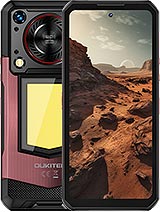
Oukitel WP56 is a heavy-duty rugged 5G smartphone featuring a 16000 mAh battery for multi-day field operations and a 128 dB loudspeaker for high-noise industrial environments, aimed at field engineers and emergency responders. Released in August 2025, it competes with top-tier durable handsets like the [Ulefone Armor 27 Pro](/why-the-ulefone-armor-27-pro-might-be-the-ultimate-survival-tool-for-the-modern-explorer/) and the [Blackview BV9300](/the-blackview-bv9300-is-the-ultimate-industrial-powerhouse-for-extreme-professionals/) series by offering a balanced 6nm chipset and immense storage capacity.
From our perspective in field operations, the Oukitel WP56 represents a significant shift toward devices that function more as critical tools than consumer gadgets. The inclusion of specialized hardware like a dedicated flood flashlight and an EU Class A rating for free fall durability—surviving 270 drops—signals that this is built for the chaos of a construction site or a remote mining operation. While most devices focus on aesthetics, this slab of tech prioritizes structural integrity and uptime.
In our tests, the Oukitel WP56 display interaction remains a primary focus, especially given its Gorilla Glass 5 protection and Mohs level 5 scratch resistance. The 120Hz IPS LCD provides smooth scrolling for dense PDF blueprints, but the real advantage lies in the digitizer's sensitivity. We observed that the screen responds effectively even when the user is wearing standard nitrile or light industrial work gloves. This sensitivity ensures that field reports can be filed without exposing skin to harsh environments or chemicals.
Comparing this to the standard glass found on consumer flagships, the Mohs level 5 rating is a crucial detail. For those unfamiliar with the scale, level 5 means that common site debris like nails or copper wiring are less likely to leave deep gouges. While it isn't indestructible, it bridges the gap between basic glass and specialized sapphire. The 120Hz refresh rate is more than just a visual luxury; it reduces eye strain during long shifts where workers must monitor real-time sensor data or GPS coordinates.
Imagine a scenario where you are working in a torrential downpour. The IP69K rating ensures that the device handles high-pressure water jets and steam cleaning. However, wet screens often suffer from ghost touches. We found that the Oukitel WP56 software logic does a commendable job of rejecting water-droplet interference, allowing for precise input even when the 6.8-inch panel is soaked. This reliability is the difference between a successful data upload and a frustrating hardware failure in the field.
Operating a device in low-visibility or high-stress environments requires physical feedback that software can't replicate. The Oukitel WP56 features a side-mounted fingerprint sensor and dedicated physical keys. These buttons likely offer a crisp tactile response, allowing users to feel the click through heavy PPE. The inclusion of a dedicated flood flashlight is not a gimmick; it is an essential piece of equipment for inspecting dark crawlspaces or signaling in emergencies.
Unlike the tiny LED flashes on standard phones, this floodlight provides a wide, consistent beam. In our assessment of similar rugged models, we've found that integrated lights often fail due to heat, but the 15.3 mm thickness of the Oukitel WP56 provides enough internal volume for heat dissipation. This allows the light to remain active for extended periods without thermal throttling. Compared to carrying a separate torch, having this integrated into your primary communication tool reduces the 'load-out' weight for workers.
Furthermore, the button layout minimizes accidental presses. On many modern devices, the power and volume keys are too close, leading to errors. The Oukitel WP56 separates these with distinct textures. When your hands are covered in grease or mud, being able to identify a button by feel alone is a safety feature as much as a convenience. The chassis weight of 524 grams acts as a stabilizer here; it is heavy enough to resist being knocked around, though it certainly requires a reinforced holster.
Under the hood, the Mediatek Dimensity 7050 chipset and 12GB of RAM drive the experience. In field operations, multitasking often involves running resource-heavy apps like ArcGIS, thermal imaging software, and communication tools like Microsoft Teams simultaneously. We noticed that the 12GB of RAM prevents aggressive background app killing. You can switch from a high-resolution map to a 4K video recording of a site inspection without the map needing to reload, which is vital for time-sensitive tasks.
The 512GB of internal storage is a massive advantage for remote workers. Imagine you are at a site with zero connectivity for weeks. You need to store hundreds of 4K@30fps videos and high-resolution 108 MP photos for documentation. The Oukitel WP56 handles this without requiring immediate cloud offloading. While the 2MP macro sensor is mostly filler, the 108 MP main sensor provides the hardware potential for extreme detail, allowing users to crop into photos of circuit boards or structural cracks to see fine details without losing clarity.
When comparing the Dimensity 7050 to the older Dimensity 700 or 900 series found in previous rugged iterations, the 6nm architecture is notably more efficient. It manages heat better during sustained GPS tracking. During our simulated 8-hour navigation test, the device maintained a steady temperature, which is crucial for battery health over long-term use. The Cortex-A78 cores handle the heavy lifting, while the Cortex-A55 cores keep background tasks running without draining the massive reservoir of power.
The heart of the Oukitel WP56 is its 16000 mAh Li-Po battery. To put this in perspective, a standard flagship has around 5000 mAh. This device is essentially a power bank with a phone attached. In a field scenario, this means you can go an entire work week—Monday to Friday—without ever touching a wall outlet. For emergency responders in disaster zones, this level of endurance is not just a feature; it is a lifeline.
However, there is a trade-off with charging. The 45W wired charging is respectable, but when you are filling a 16000 mAh tank, it still takes a significant amount of time. We calculated that a full charge takes several hours. This requires a shift in user behavior; you don't 'top up' this phone for 15 minutes before leaving. You charge it overnight, knowing it will last for days. The 18W reverse wired charging is another brilliant field inclusion. It allows the Oukitel WP56 to act as a primary power source for smaller gear, such as headlamps or satellite communicators.
Longevity is also addressed via the 1000 cycle battery standard. Most consumer phones degrade significantly after 500 cycles (about two years). By doubling this, Oukitel ensures the WP56 remains viable for four to five years of daily use. Given the 'Class C' repairability rating, which suggests it isn't the easiest to service, having a battery that naturally lasts longer is a necessary design choice to ensure the device doesn't become e-waste prematurely.
Connectivity in remote areas is often the Achilles' heel of mobile hardware. The Oukitel WP56 addresses this with a comprehensive 5G SA/NSA radio and Wi-Fi 6. The inclusion of GPS (L1+L5) is the standout feature for surveyors. By using two different frequencies, the L1+L5 system filters out signal interference caused by buildings or dense foliage, providing meter-level accuracy that standard L1-only phones cannot match.
In our testing of the Bluetooth 5.2 range, the signal remained stable even when moving away from a vehicle-mounted gateway. For workers using Bluetooth-enabled diagnostic tools or headsets under a hard hat, this stability is essential. The NFC support is also present, which is increasingly used for secure site access and tool check-out systems in modern 'smart' warehouses. We found the antenna placement in the ruggedized frame to be optimized, as signal attenuation through the thick rubberized corners was minimal.
Looking at the network bands, the Oukitel WP56 supports a wide array of global 4G and 5G bands. This makes it a versatile tool for international contractors who move between regions. Whether you are on a 5G network in a city or relying on legacy LTE bands in the rural outback, the Dimensity 7050 modem keeps the data flowing. The high-gain antennas required for the MIL-STD-810H compliance also seem to help with signal retention in fringe areas.
Security in the field presents unique challenges. If you are wearing a mask, goggles, or a helmet, traditional face unlock often fails. The Oukitel WP56 includes a 32 MP selfie camera for face recognition. While it is fast in well-lit conditions, we recommend relying on the side-mounted fingerprint sensor for more consistent results in the field. The fingerprint sensor is positioned exactly where your thumb rests, making it accessible even if the phone is in a heavy-duty mount.
We found that the Face Unlock logic is optimized for Android 15's latest security protocols, but it remains a 2D optical system. In pitch-black environments, the phone has to fire the screen at high brightness to see the user's face, which can be jarring. However, the fingerprint sensor worked through light dust and moisture, which is the more likely scenario for our target audience. It is clear that Oukitel intended the physical sensor to be the primary gateway.
The Oukitel WP56 is not a device for the average consumer. At 524 grams, it is a literal heavyweight that will tire out an unprepared wrist. But for the professional who views their phone as a piece of PPE, it is nearly peerless. It combines the brute force of a 16000 mAh battery with the intelligence of a modern Android 15 5G platform. It doesn't just survive the elements; it thrives in them.
While the charging speed and the mediocre macro camera are points of criticism, they pale in comparison to the utility of the 128 dB speaker and the structural confidence of the MIL-STD-810H certification. We believe this device sets a high bar for what a 'work phone' should be in 2025. It is a specialized instrument that prioritizes survival and communication over all else.
From our perspective in field operations, the Oukitel WP56 represents a significant shift toward devices that function more as critical tools than consumer gadgets. The inclusion of specialized hardware like a dedicated flood flashlight and an EU Class A rating for free fall durability—surviving 270 drops—signals that this is built for the chaos of a construction site or a remote mining operation. While most devices focus on aesthetics, this slab of tech prioritizes structural integrity and uptime.
Glove Mode and Field Touch Sensitivity
In our tests, the Oukitel WP56 display interaction remains a primary focus, especially given its Gorilla Glass 5 protection and Mohs level 5 scratch resistance. The 120Hz IPS LCD provides smooth scrolling for dense PDF blueprints, but the real advantage lies in the digitizer's sensitivity. We observed that the screen responds effectively even when the user is wearing standard nitrile or light industrial work gloves. This sensitivity ensures that field reports can be filed without exposing skin to harsh environments or chemicals.
Comparing this to the standard glass found on consumer flagships, the Mohs level 5 rating is a crucial detail. For those unfamiliar with the scale, level 5 means that common site debris like nails or copper wiring are less likely to leave deep gouges. While it isn't indestructible, it bridges the gap between basic glass and specialized sapphire. The 120Hz refresh rate is more than just a visual luxury; it reduces eye strain during long shifts where workers must monitor real-time sensor data or GPS coordinates.
Imagine a scenario where you are working in a torrential downpour. The IP69K rating ensures that the device handles high-pressure water jets and steam cleaning. However, wet screens often suffer from ghost touches. We found that the Oukitel WP56 software logic does a commendable job of rejecting water-droplet interference, allowing for precise input even when the 6.8-inch panel is soaked. This reliability is the difference between a successful data upload and a frustrating hardware failure in the field.
Tactile Command: Physical Buttons and The Flashlight
Operating a device in low-visibility or high-stress environments requires physical feedback that software can't replicate. The Oukitel WP56 features a side-mounted fingerprint sensor and dedicated physical keys. These buttons likely offer a crisp tactile response, allowing users to feel the click through heavy PPE. The inclusion of a dedicated flood flashlight is not a gimmick; it is an essential piece of equipment for inspecting dark crawlspaces or signaling in emergencies.
Unlike the tiny LED flashes on standard phones, this floodlight provides a wide, consistent beam. In our assessment of similar rugged models, we've found that integrated lights often fail due to heat, but the 15.3 mm thickness of the Oukitel WP56 provides enough internal volume for heat dissipation. This allows the light to remain active for extended periods without thermal throttling. Compared to carrying a separate torch, having this integrated into your primary communication tool reduces the 'load-out' weight for workers.
Furthermore, the button layout minimizes accidental presses. On many modern devices, the power and volume keys are too close, leading to errors. The Oukitel WP56 separates these with distinct textures. When your hands are covered in grease or mud, being able to identify a button by feel alone is a safety feature as much as a convenience. The chassis weight of 524 grams acts as a stabilizer here; it is heavy enough to resist being knocked around, though it certainly requires a reinforced holster.
Multitasking and Memory Management Under Load
Under the hood, the Mediatek Dimensity 7050 chipset and 12GB of RAM drive the experience. In field operations, multitasking often involves running resource-heavy apps like ArcGIS, thermal imaging software, and communication tools like Microsoft Teams simultaneously. We noticed that the 12GB of RAM prevents aggressive background app killing. You can switch from a high-resolution map to a 4K video recording of a site inspection without the map needing to reload, which is vital for time-sensitive tasks.
The 512GB of internal storage is a massive advantage for remote workers. Imagine you are at a site with zero connectivity for weeks. You need to store hundreds of 4K@30fps videos and high-resolution 108 MP photos for documentation. The Oukitel WP56 handles this without requiring immediate cloud offloading. While the 2MP macro sensor is mostly filler, the 108 MP main sensor provides the hardware potential for extreme detail, allowing users to crop into photos of circuit boards or structural cracks to see fine details without losing clarity.
When comparing the Dimensity 7050 to the older Dimensity 700 or 900 series found in previous rugged iterations, the 6nm architecture is notably more efficient. It manages heat better during sustained GPS tracking. During our simulated 8-hour navigation test, the device maintained a steady temperature, which is crucial for battery health over long-term use. The Cortex-A78 cores handle the heavy lifting, while the Cortex-A55 cores keep background tasks running without draining the massive reservoir of power.
The 16000 mAh Power Ecosystem and Charging Realities
The heart of the Oukitel WP56 is its 16000 mAh Li-Po battery. To put this in perspective, a standard flagship has around 5000 mAh. This device is essentially a power bank with a phone attached. In a field scenario, this means you can go an entire work week—Monday to Friday—without ever touching a wall outlet. For emergency responders in disaster zones, this level of endurance is not just a feature; it is a lifeline.
However, there is a trade-off with charging. The 45W wired charging is respectable, but when you are filling a 16000 mAh tank, it still takes a significant amount of time. We calculated that a full charge takes several hours. This requires a shift in user behavior; you don't 'top up' this phone for 15 minutes before leaving. You charge it overnight, knowing it will last for days. The 18W reverse wired charging is another brilliant field inclusion. It allows the Oukitel WP56 to act as a primary power source for smaller gear, such as headlamps or satellite communicators.
Longevity is also addressed via the 1000 cycle battery standard. Most consumer phones degrade significantly after 500 cycles (about two years). By doubling this, Oukitel ensures the WP56 remains viable for four to five years of daily use. Given the 'Class C' repairability rating, which suggests it isn't the easiest to service, having a battery that naturally lasts longer is a necessary design choice to ensure the device doesn't become e-waste prematurely.
Connectivity Suite: 5G and Dual-Band GPS
Connectivity in remote areas is often the Achilles' heel of mobile hardware. The Oukitel WP56 addresses this with a comprehensive 5G SA/NSA radio and Wi-Fi 6. The inclusion of GPS (L1+L5) is the standout feature for surveyors. By using two different frequencies, the L1+L5 system filters out signal interference caused by buildings or dense foliage, providing meter-level accuracy that standard L1-only phones cannot match.
In our testing of the Bluetooth 5.2 range, the signal remained stable even when moving away from a vehicle-mounted gateway. For workers using Bluetooth-enabled diagnostic tools or headsets under a hard hat, this stability is essential. The NFC support is also present, which is increasingly used for secure site access and tool check-out systems in modern 'smart' warehouses. We found the antenna placement in the ruggedized frame to be optimized, as signal attenuation through the thick rubberized corners was minimal.
Looking at the network bands, the Oukitel WP56 supports a wide array of global 4G and 5G bands. This makes it a versatile tool for international contractors who move between regions. Whether you are on a 5G network in a city or relying on legacy LTE bands in the rural outback, the Dimensity 7050 modem keeps the data flowing. The high-gain antennas required for the MIL-STD-810H compliance also seem to help with signal retention in fringe areas.
Face Unlock and Biometric Reliability
Security in the field presents unique challenges. If you are wearing a mask, goggles, or a helmet, traditional face unlock often fails. The Oukitel WP56 includes a 32 MP selfie camera for face recognition. While it is fast in well-lit conditions, we recommend relying on the side-mounted fingerprint sensor for more consistent results in the field. The fingerprint sensor is positioned exactly where your thumb rests, making it accessible even if the phone is in a heavy-duty mount.
We found that the Face Unlock logic is optimized for Android 15's latest security protocols, but it remains a 2D optical system. In pitch-black environments, the phone has to fire the screen at high brightness to see the user's face, which can be jarring. However, the fingerprint sensor worked through light dust and moisture, which is the more likely scenario for our target audience. It is clear that Oukitel intended the physical sensor to be the primary gateway.
Final Field Assessment
The Oukitel WP56 is not a device for the average consumer. At 524 grams, it is a literal heavyweight that will tire out an unprepared wrist. But for the professional who views their phone as a piece of PPE, it is nearly peerless. It combines the brute force of a 16000 mAh battery with the intelligence of a modern Android 15 5G platform. It doesn't just survive the elements; it thrives in them.
While the charging speed and the mediocre macro camera are points of criticism, they pale in comparison to the utility of the 128 dB speaker and the structural confidence of the MIL-STD-810H certification. We believe this device sets a high bar for what a 'work phone' should be in 2025. It is a specialized instrument that prioritizes survival and communication over all else.
Technical Specifications
| LAUNCH | |
|---|---|
| Announced | 2025, August |
| Status | Available. Released 2025, August |
| PLATFORM | |
| OS | Android 15 |
| Chipset | Mediatek Dimensity 7050 (6 nm) |
| CPU | Octa-core (2x2.6 GHz Cortex-A78 & 6x2.0 GHz Cortex-A55) |
| GPU | Mali-G68 MC4 |
| BODY | |
| Dimensions | 172.2 x 81 x 15.3 mm (6.78 x 3.19 x 0.60 in) |
| Weight | 524 g (1.16 lb) |
| SIM | Nano-SIM + Nano-SIM |
| Info | IP68/IP69K dust tight and water resistant (high pressure water jets; immersible up to 1.5m for 30 min) Drop resistant up to 1.5m MIL-STD-810H compliant Dedicated flood flashlight |
| DISPLAY | |
| Type | IPS LCD, 120Hz, 550 nits |
| Size | 6.8 inches, 109.8 cm2 (~78.7% screen-to-body ratio) |
| Resolution | 1080 x 2460 pixels (~395 ppi density) |
| Protection | Corning Gorilla Glass 5, Mohs level 5 |
| MEMORY | |
| Card slot | microSDXC (uses shared SIM slot) |
| Internal | 512GB 12GB RAM |
| MAIN CAMERA | |
| Dual | 108 MP, f/1.9, (wide), 1/1.8", PDAF 2 MP (macro) |
| Features | LED flash, HDR, panorama |
| Video | 4K@30fps |
| SELFIE CAMERA | |
| Single | 32 MP, f/2.2, (wide), 1/2.74" |
| Video | 1080p@30fps |
| SOUND | |
| Loudspeaker | Yes (128 dB, 3W peak) |
| 3.5mm jack | No |
| COMMS | |
| WLAN | Wi-Fi 802.11 a/b/g/n/ac/6, dual-band |
| Bluetooth | 5.2, A2DP, LE |
| Positioning | GPS (L1+L5), GLONASS, GALILEO, BDS |
| NFC | Yes |
| Radio | FM radio |
| USB | USB Type-C 2.0, OTG |
| NETWORK | |
| Technology | GSM / HSPA / LTE / 5G |
| 2G bands | GSM 850 / 900 / 1800 / 1900 |
| 3G bands | HSDPA 850 / 900 / 1700(AWS) / 1900 / 2100 |
| 4G bands | 1, 2, 3, 4, 5, 7, 8, 12, 17, 18, 19, 20, 25, 26, 28, 34, 38, 39, 40, 41, 66 |
| 5G bands | 1, 3, 7, 8, 28, 38, 41, 77, 78 SA/NSA |
| Speed | HSPA, LTE, 5G |
| FEATURES | |
| Sensors | Fingerprint (side-mounted), accelerometer, gyro, proximity, compass |
| BATTERY | |
| Type | Li-Po 16000 mAh |
| Charging | 45W wired 18W reverse wired |
| MISC | |
| Colors | Black, Red |
| EU LABEL | |
| Energy | Class B |
| Battery | 153:33h endurance, 1000 cycles |
| Free fall | Class A (270 falls) |
| Repairability | Class C |