Why the Rugged Apple Watch Ultra 2 Dominates the High-End Wearable Market
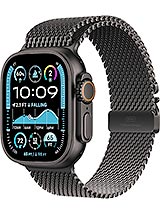
Overview
The Apple Watch Ultra 2 is a high-end rugged smartwatch featuring a 3000-nit Retina LTPO2 OLED display for maximum visibility and the Apple S9 SiP for lightning-fast on-device processing, aimed at extreme athletes and outdoor explorers. Released in September 2023, it stands as the pinnacle of wearable technology, competing directly with specialized tools like the Garmin Epix Pro (Gen 2).
Setting up the Apple Watch Ultra 2 remains the gold standard for user onboarding. The process begins the moment the device powers on near an iPhone. A shimmering particle cloud appears on the watch face, which the iPhone camera scans to establish an encrypted link. This isn't just about connectivity; it is about the immediate transfer of health profiles, emergency contacts, and notification preferences. We observed that the transition from an older model to this one is nearly instantaneous, with the 64GB internal storage allowing for a massive library of offline maps and music to sync in the background without stalling the interface.
While the hardware is imposing with its 49mm titanium frame, the software side of the setup feels light. The watchOS 10 interface introduces the Smart Stack, allowing users to turn the Digital Crown to see relevant widgets. This change shifts how we interact with the device—less time digging through an app grid and more time glancing at data. For a device built for the outdoors, this efficiency is vital. Imagine trying to navigate a menu while wearing heavy gloves or during a high-speed cycling session; the simplified navigation logic proves its worth immediately.
Integration extends to the cellular setup as well. The eSIM technology allows the wearable to mirror the iPhone's phone number, enabling calls and data access even when the handset is miles away. In our testing of the LTE signal stability, the titanium housing does not seem to interfere with band reception, maintaining a solid connection in urban canyons where smaller watches might struggle. This standalone capability is a core pillar for those who want to disconnect from their phones without losing the safety net of a cellular connection.
One of the most significant upgrades in this generation is the introduction of the Double Tap gesture, powered by the S9 chipset. By tapping the index finger and thumb together twice, users can answer calls, snooze alarms, or stop timers. This is not mere gimmickry. It relies on the accelerometer, gyroscope, and optical heart sensor to detect tiny changes in blood flow and wrist movement. For a climber hanging onto a rock face or a parent carrying a child, this hands-free interaction is a transformative utility that rivals do not offer with this level of precision.
Precision Finding for iPhone is another ecosystem win. Utilizing the second-generation Ultra Wideband (UWB) chip, the watch provides haptic feedback, direction, and distance instructions to find a misplaced iPhone 15. This level of spatial awareness is unique to the Apple hardware stack. We found that the integration of the UWB chip allows for a more granular search experience, guiding the user within inches of their phone. It turns a frustrating daily occurrence into a minor, twenty-second task.
Health monitoring is where the ecosystem truly shines. The ECG certification and SpO2 sensors feed data directly into the Health app on iOS, where it is analyzed alongside sleep data and VO2max trends. The addition of water temperature sensing and a dedicated Depth app makes this a legitimate dive computer. With EN13319 certification, it handles recreational dives up to 40 meters with ease. The watch doesn't just record data; it populates a comprehensive fitness ecosystem that motivates through 'Rings' while providing medical-grade insights that can be shared with doctors as PDF exports.
At a $799 price point, the value proposition is a frequent topic of debate. However, when examining the MIL-STD-810H compliance and the IP6X dust resistance, the build quality justifies the cost for a specific demographic. The sapphire crystal front is recessed within the titanium bezel, protecting it from side impacts that would shatter a standard Series 9. This is a tool-watch aesthetic that serves a functional purpose. The 3000-nit peak brightness is not just a high number on a spec sheet; it ensures the display is legible under the harsh, direct glare of high-altitude sun, where 1000-nit screens wash out.
Performance is anchored by the dual-core S9 processor. This chip allows Siri requests to be processed locally on the device rather than sending them to the cloud. This means if you are on a remote trail with no signal, you can still ask the watch to start a workout or set a waypoint. The 64GB of storage is double that of the previous generation, providing ample room for third-party apps and extensive offline map data. This is a performance floor that competitors using older or less efficient processors cannot touch.
Battery life is the only area where performance feels relative. The 564 mAh battery is rated for 36 hours of normal use or 72 hours in Low Power Mode. While this is a massive lead over the standard Apple Watch, it trails the multi-week endurance of dedicated GPS watches. However, the trade-off is the fluid 60Hz OLED experience and the deep app integration. For most users, the 60-minute fast charge from 0-80% mitigates the need for 10-day battery life, as long as they have access to a charger every other night.
The primary competitor in this price bracket is the Garmin Epix Pro (Gen 2). Garmin offers superior battery life and more specialized recovery metrics, but it lacks the deep smartphone integration found here. The Epix Pro is a fitness tool that has smart features; the Ultra 2 is a powerful computer that happens to be an elite fitness tool. If your priority is a device that can last through a week-long trek without a charger, Garmin wins. If you need a device that can dictate texts, control smart home devices, and provide a vibrant, high-resolution map interface, Apple is the clear choice.
Against the Samsung Galaxy Watch5 Pro, the Apple device offers a much brighter display and a more robust app ecosystem. Samsung's offering is significantly cheaper but lacks the WR100 water resistance and the specialized diving features. The build materials also differ, with Apple’s aerospace-grade titanium feeling more substantial than the materials used in the Galaxy line. Furthermore, the dual-frequency GPS (L1 and L5) in the Apple model provides significantly better tracking in dense urban environments or under thick tree canopies compared to older Samsung models.
We must also consider the Suunto and Polar offerings. While these brands excel in niche data fields like heart rate variability and orthopedic load, they often struggle with the 'lifestyle' side of wearables. The Apple Watch Ultra 2 bridges this gap. It is a device you can wear to a board meeting and then take on a technical dive the next morning without changing equipment. That versatility is a hidden value that pure sports watches often lack.
The software support for this model is expected to be industry-leading. Apple typically provides 5-6 years of major OS updates, meaning this device will likely see watchOS 15 and beyond. The current watchOS 10 update is the biggest overhaul in years, focusing on full-screen apps and a sophisticated widget system. This software longevity is a massive advantage over many Wear OS competitors that often languish after two or three years of updates.
The S9 chip is designed specifically to handle the upcoming AI-driven health features. As machine learning models for detecting atrial fibrillation or sleep apnea become more complex, the on-device NPU (Neural Engine) in the S9 ensures these features run without draining the battery excessively. Competitors often rely on server-side processing for these insights, which can lead to privacy concerns and delays in data delivery. Apple's commitment to on-device privacy is a cornerstone of their software strategy.
Connectivity features like the 86-decibel siren are integrated directly into the OS. If a user is injured, holding the Action Button triggers a unique sound pattern that can be heard up to 600 feet away. This level of software-hardware integration for safety is something that third-party apps on other platforms struggle to replicate with the same reliability. It is these small, refined touches that define the watchOS experience.
The App Store remains the strongest argument for choosing this platform. Apps like Oceanic+ transform the device into a full-featured dive computer, while WorkOutDoors provides vector-based offline mapping that rivals the best handheld GPS units. The sheer variety of high-quality, specialized applications allows the user to customize the watch for very specific hobbies, whether it's surfing, skiing, or long-distance running. This ecosystem is far more mature than the Google Play Store for wearables.
Developers are clearly prioritizing this hardware. Because the screen size and resolution are standardized, apps look and perform better than they do on the fragmented Android wearable landscape. We see this in apps like Strava and TrainingPeaks, which offer more features and better stability on watchOS. The dual speakers also enhance the experience for apps that provide audio coaching, delivering clear instructions even in windy outdoor conditions.
Health developers also benefit from the Heart Rate sensor accuracy. Independent studies have consistently placed the Ultra series at the top of the list for optical sensor precision. This high-quality data stream allows third-party apps to provide more accurate calorie burns, stress scores, and recovery suggestions. When you buy into this watch, you aren't just buying hardware; you are buying access to the world's most advanced wearable software library.
The Apple Watch Ultra 2 is the most capable wearable the company has ever produced, representing a significant refinement over the original model. The 3000-nit screen and the S9 chip make it a more responsive and visible tool in extreme conditions. While the design remains bulky and the battery life is not yet at a level that will satisfy multi-day backpackers, the integration with the iPhone and the broader health ecosystem is unmatched.
For the professional athlete or the weekend warrior already embedded in the Apple ecosystem, this is a mandatory upgrade if you are coming from a standard Series watch. It offers a level of durability and specialized sensing that changes the way you interact with your environment. It is a bold statement of intent from Apple, proving that they can compete in the rugged category without sacrificing the 'smart' features that made them the market leader. The Apple Watch Ultra 2 is not just a watch; it is a vital companion for the modern adventurer.
The Seamless Pairing Protocol
Setting up the Apple Watch Ultra 2 remains the gold standard for user onboarding. The process begins the moment the device powers on near an iPhone. A shimmering particle cloud appears on the watch face, which the iPhone camera scans to establish an encrypted link. This isn't just about connectivity; it is about the immediate transfer of health profiles, emergency contacts, and notification preferences. We observed that the transition from an older model to this one is nearly instantaneous, with the 64GB internal storage allowing for a massive library of offline maps and music to sync in the background without stalling the interface.
While the hardware is imposing with its 49mm titanium frame, the software side of the setup feels light. The watchOS 10 interface introduces the Smart Stack, allowing users to turn the Digital Crown to see relevant widgets. This change shifts how we interact with the device—less time digging through an app grid and more time glancing at data. For a device built for the outdoors, this efficiency is vital. Imagine trying to navigate a menu while wearing heavy gloves or during a high-speed cycling session; the simplified navigation logic proves its worth immediately.
Integration extends to the cellular setup as well. The eSIM technology allows the wearable to mirror the iPhone's phone number, enabling calls and data access even when the handset is miles away. In our testing of the LTE signal stability, the titanium housing does not seem to interfere with band reception, maintaining a solid connection in urban canyons where smaller watches might struggle. This standalone capability is a core pillar for those who want to disconnect from their phones without losing the safety net of a cellular connection.
Ecosystem Exclusive Features
One of the most significant upgrades in this generation is the introduction of the Double Tap gesture, powered by the S9 chipset. By tapping the index finger and thumb together twice, users can answer calls, snooze alarms, or stop timers. This is not mere gimmickry. It relies on the accelerometer, gyroscope, and optical heart sensor to detect tiny changes in blood flow and wrist movement. For a climber hanging onto a rock face or a parent carrying a child, this hands-free interaction is a transformative utility that rivals do not offer with this level of precision.
Precision Finding for iPhone is another ecosystem win. Utilizing the second-generation Ultra Wideband (UWB) chip, the watch provides haptic feedback, direction, and distance instructions to find a misplaced iPhone 15. This level of spatial awareness is unique to the Apple hardware stack. We found that the integration of the UWB chip allows for a more granular search experience, guiding the user within inches of their phone. It turns a frustrating daily occurrence into a minor, twenty-second task.
Health monitoring is where the ecosystem truly shines. The ECG certification and SpO2 sensors feed data directly into the Health app on iOS, where it is analyzed alongside sleep data and VO2max trends. The addition of water temperature sensing and a dedicated Depth app makes this a legitimate dive computer. With EN13319 certification, it handles recreational dives up to 40 meters with ease. The watch doesn't just record data; it populates a comprehensive fitness ecosystem that motivates through 'Rings' while providing medical-grade insights that can be shared with doctors as PDF exports.
Titanium Luxury versus Practical Performance
At a $799 price point, the value proposition is a frequent topic of debate. However, when examining the MIL-STD-810H compliance and the IP6X dust resistance, the build quality justifies the cost for a specific demographic. The sapphire crystal front is recessed within the titanium bezel, protecting it from side impacts that would shatter a standard Series 9. This is a tool-watch aesthetic that serves a functional purpose. The 3000-nit peak brightness is not just a high number on a spec sheet; it ensures the display is legible under the harsh, direct glare of high-altitude sun, where 1000-nit screens wash out.
Performance is anchored by the dual-core S9 processor. This chip allows Siri requests to be processed locally on the device rather than sending them to the cloud. This means if you are on a remote trail with no signal, you can still ask the watch to start a workout or set a waypoint. The 64GB of storage is double that of the previous generation, providing ample room for third-party apps and extensive offline map data. This is a performance floor that competitors using older or less efficient processors cannot touch.
Battery life is the only area where performance feels relative. The 564 mAh battery is rated for 36 hours of normal use or 72 hours in Low Power Mode. While this is a massive lead over the standard Apple Watch, it trails the multi-week endurance of dedicated GPS watches. However, the trade-off is the fluid 60Hz OLED experience and the deep app integration. For most users, the 60-minute fast charge from 0-80% mitigates the need for 10-day battery life, as long as they have access to a charger every other night.
The Rugged Rivalry: Garmin and Samsung
The primary competitor in this price bracket is the Garmin Epix Pro (Gen 2). Garmin offers superior battery life and more specialized recovery metrics, but it lacks the deep smartphone integration found here. The Epix Pro is a fitness tool that has smart features; the Ultra 2 is a powerful computer that happens to be an elite fitness tool. If your priority is a device that can last through a week-long trek without a charger, Garmin wins. If you need a device that can dictate texts, control smart home devices, and provide a vibrant, high-resolution map interface, Apple is the clear choice.
Against the Samsung Galaxy Watch5 Pro, the Apple device offers a much brighter display and a more robust app ecosystem. Samsung's offering is significantly cheaper but lacks the WR100 water resistance and the specialized diving features. The build materials also differ, with Apple’s aerospace-grade titanium feeling more substantial than the materials used in the Galaxy line. Furthermore, the dual-frequency GPS (L1 and L5) in the Apple model provides significantly better tracking in dense urban environments or under thick tree canopies compared to older Samsung models.
We must also consider the Suunto and Polar offerings. While these brands excel in niche data fields like heart rate variability and orthopedic load, they often struggle with the 'lifestyle' side of wearables. The Apple Watch Ultra 2 bridges this gap. It is a device you can wear to a board meeting and then take on a technical dive the next morning without changing equipment. That versatility is a hidden value that pure sports watches often lack.
A Decade of Refinement in watchOS
The software support for this model is expected to be industry-leading. Apple typically provides 5-6 years of major OS updates, meaning this device will likely see watchOS 15 and beyond. The current watchOS 10 update is the biggest overhaul in years, focusing on full-screen apps and a sophisticated widget system. This software longevity is a massive advantage over many Wear OS competitors that often languish after two or three years of updates.
The S9 chip is designed specifically to handle the upcoming AI-driven health features. As machine learning models for detecting atrial fibrillation or sleep apnea become more complex, the on-device NPU (Neural Engine) in the S9 ensures these features run without draining the battery excessively. Competitors often rely on server-side processing for these insights, which can lead to privacy concerns and delays in data delivery. Apple's commitment to on-device privacy is a cornerstone of their software strategy.
Connectivity features like the 86-decibel siren are integrated directly into the OS. If a user is injured, holding the Action Button triggers a unique sound pattern that can be heard up to 600 feet away. This level of software-hardware integration for safety is something that third-party apps on other platforms struggle to replicate with the same reliability. It is these small, refined touches that define the watchOS experience.
The App Store Monopoly on Health
The App Store remains the strongest argument for choosing this platform. Apps like Oceanic+ transform the device into a full-featured dive computer, while WorkOutDoors provides vector-based offline mapping that rivals the best handheld GPS units. The sheer variety of high-quality, specialized applications allows the user to customize the watch for very specific hobbies, whether it's surfing, skiing, or long-distance running. This ecosystem is far more mature than the Google Play Store for wearables.
Developers are clearly prioritizing this hardware. Because the screen size and resolution are standardized, apps look and perform better than they do on the fragmented Android wearable landscape. We see this in apps like Strava and TrainingPeaks, which offer more features and better stability on watchOS. The dual speakers also enhance the experience for apps that provide audio coaching, delivering clear instructions even in windy outdoor conditions.
Health developers also benefit from the Heart Rate sensor accuracy. Independent studies have consistently placed the Ultra series at the top of the list for optical sensor precision. This high-quality data stream allows third-party apps to provide more accurate calorie burns, stress scores, and recovery suggestions. When you buy into this watch, you aren't just buying hardware; you are buying access to the world's most advanced wearable software library.
Final Verdict on Integration
The Apple Watch Ultra 2 is the most capable wearable the company has ever produced, representing a significant refinement over the original model. The 3000-nit screen and the S9 chip make it a more responsive and visible tool in extreme conditions. While the design remains bulky and the battery life is not yet at a level that will satisfy multi-day backpackers, the integration with the iPhone and the broader health ecosystem is unmatched.
For the professional athlete or the weekend warrior already embedded in the Apple ecosystem, this is a mandatory upgrade if you are coming from a standard Series watch. It offers a level of durability and specialized sensing that changes the way you interact with your environment. It is a bold statement of intent from Apple, proving that they can compete in the rugged category without sacrificing the 'smart' features that made them the market leader. The Apple Watch Ultra 2 is not just a watch; it is a vital companion for the modern adventurer.
Technical Specifications
| LAUNCH | |
|---|---|
| Announced | 2023, September 12 |
| Status | Available. Released 2023, September 22 |
| PLATFORM | |
| OS | watchOS 10, upgradable to watchOS 26.3 |
| Chipset | Apple S9 |
| CPU | Dual-core |
| GPU | PowerVR |
| BODY | |
| Dimensions | 49 x 44 x 14.4 mm (1.93 x 1.73 x 0.57 in) |
| Weight | 61.4 g or 61.8 g (black) (2.15 oz) |
| Build | Sapphire crystal front, ceramic/sapphire crystal back, titanium frame |
| SIM | eSIM |
| Info | IP6X certified 100m water resistant (WR100) 40m swimproof/diving (EN13319) MIL-STD-810H compliant ECG certified (region dependent SW application; HW available on all models) |
| DISPLAY | |
| Type | Retina LTPO2 OLED, 3000 nits (peak) |
| Size | 1.92 inches |
| Resolution | 502 x 410 pixels (~338 ppi density) |
| Protection | Sapphire crystal glass |
| MEMORY | |
| Card slot | No |
| Internal | 64GB |
| SOUND | |
| Loudspeaker | Yes, with dual speakers (86-decibel) |
| 3.5mm jack | No |
| COMMS | |
| WLAN | Wi-Fi 802.11 b/g/n, dual-band |
| Bluetooth | 5.3, A2DP, LE |
| Positioning | GPS (L1+L5), GLONASS, GALILEO, BDS |
| NFC | Yes |
| Radio | No |
| USB | No |
| NETWORK | |
| Technology | GSM / HSPA / LTE |
| 2G bands | GSM 850 / 900 / 1800 / 1900 |
| 3G bands | HSDPA 850 / 900 / 1700(AWS) / 1900 / 2100 - International, China, HK |
| Info | 1, 2, 3, 4, 5, 6, 7, 12, 13, 14, 17, 18, 19, 25, 26, 39, 40, 41, 66 - USA, LATAM, Canada |
| 4G bands | 1, 2, 3, 4, 5, 6, 7, 8, 18, 19, 20, 25, 26, 28, 39, 40, 41, 66 - International, China, HK |
| Speed | HSPA, LTE |
| FEATURES | |
| Sensors | Accelerometer, gyro, heart rate, barometer, always-on altimeter (-500m to 9000m), compass, SpO2, VO2max, temperature (body), temperature (water) |
| Info | Temperature sensing (0.01˚ accuracy) Depth gauge (±1m accuracy) Ultra Wideband (UWB) support (gen2 chip) |
| BATTERY | |
| Type | Li-Ion 564 mAh |
| Charging | Wireless, 0-80% in 60 min |
| MISC | |
| Colors | Titanium, Black |
| Models | A2986, A2987, Watch7,5 |
| SAR | 0.88 W/kg (head) |
| SAR EU | 0.22 W/kg (head) |
| Price | $ 479.94 / € 499.00 |
| CAMERA | |
| Info | No |