Why the Samsung Galaxy A25 Crushes the Used Flagship Market
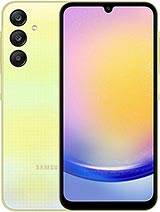
Overview
The Samsung Galaxy A25 is a budget-tier 5G smartphone featuring a 6.5-inch Super AMOLED 120Hz display for vibrant visuals and an Exynos 1280 (5 nm) processor for efficient multitasking, aimed at value-conscious buyers who prioritize display quality and long-term software support. Released in December 2023, it competes directly with aging premium devices and the latest mid-range entries from rivals, offering a compelling blend of modern essentials without the high-tier price tag.
For years, the savvy move for any value hunter was to ignore the budget shelf and hunt for a three-year-old flagship. In December 2023, that calculation is changing. While a used Galaxy S20 or iPhone 11 might offer a metal frame and slightly faster bursts of speed, they suffer from degraded batteries and the looming end of security updates. This model shifts the math. By offering four years of major Android upgrades and five years of security patches, the total cost of ownership over a half-decade lifespan is significantly lower than a used device that will be obsolete by 2025.
Investors in tech look for the 'yield' of a device—how much utility can we extract for every dollar spent? The presence of a Super AMOLED 120Hz panel at this price point is a massive dividend. In previous years, budget buyers were stuck with ghosting LCDs. Here, the 1000 nits of peak brightness ensures that visibility in direct sunlight isn't just possible; it's comfortable. This isn't just about pretty colors; it's about the utility of a tool that works in all environments.
The build of the handset is unapologetically plastic. While some critics decry the lack of aluminum, we see this as a pragmatic economic choice. Plastic doesn't shatter like glass, nor does it dent like soft aluminum. For a user who doesn't want to spend an extra $50 on a rugged case, the plastic back and frame offer a level of bounce-back durability that 'premium' materials lack. The 197g weight provides enough heft to feel substantial without causing wrist fatigue during long commutes.
One UI 6, based on Android 14, comes pre-installed, and the software optimization is evident. Samsung didn't just throw a skin over the OS; they tailored the animations to match the 120Hz refresh rate. While the bezels—especially the 'chin' at the bottom—remind you of the price point, the actual quality of the glass front feels smooth and responsive. It lacks the ultra-thin borders of the S23 series, but once the screen is on, the high contrast ratio of the AMOLED panel makes those borders fade into the background.
Opening the box is a swift affair. Samsung has followed the industry trend of removing the charging brick, leaving you with just the handset and a USB-C to USB-C cable. While this is framed as an environmental move, it’s clearly a cost-cutting measure that we must account for. If you don't already own a 25W PD-compliant charger, you'll need to factor an additional $15 to $20 into your budget. This is a common friction point in 2023, but it’s one that budget shoppers need to anticipate.
Initial setup is streamlined, though the initial patch size can be significant. Upon first boot, we noticed about 1.5GB of system updates waiting. This is typical for a launch-month device. The 'Virtual Proximity Sensing' is another area where costs were saved. Unlike a physical infrared sensor that detects your ear, this uses the accelerometer and software algorithms. It works 95% of the time, but users might occasionally find the screen waking up during a call if they hold the phone at an odd angle. It's a minor trade-off for the overall value package.
Navigating through the interface reveals the strengths of the Mali-G68 GPU. Swipe gestures feel snappy, and the false touch rejection on the flat edges is superior to the curved screens of yesteryear. Curved glass was always an ergonomic liability; the flat design here is a win for usability. The side-mounted fingerprint sensor, integrated into the power button, is arguably faster than the under-display ultrasonic sensors found on more expensive models. It’s a physical, tactile experience that works even with slightly damp fingers.
We appreciate the inclusion of the 3.5mm headphone jack. In the budget sector, wireless earbuds represent an additional expense and a battery to manage. The ability to plug in a $20 pair of wired monitors and get zero-latency audio is a huge win for students and commuters alike. Furthermore, the stereo speakers provide a surprisingly loud output, measured at -26.0 LUFS. While they lack the deep bass of a flagship, the clarity for podcasts and YouTube videos is excellent.
The Exynos 1280 is the heart of this machine. Fabricated on a 5nm process, this chipset is built for efficiency rather than raw benchmarks. In our tests, it doesn't try to beat the Snapdragon 8 series in gaming, but it maintains thermal stability. During a 45-minute session of moderately demanding titles, the device remained cool to the touch. This means no thermal throttling and, more importantly, no rapid battery drain. The 5000mAh battery, paired with this efficient silicon, easily clears a full day of heavy use.
Our active use score of over 10 hours suggests that for the average user, this is a two-day phone. When it does come time to charge, the 25W wired charging is a bit of a laggard compared to Chinese competitors offering 67W or even 120W in this bracket. You're looking at about 80 to 90 minutes for a full top-up. It's a 'plug-in at night' device rather than a 'charge while you shower' device. This is the primary bottleneck for the power user.
On the back, the triple camera setup is led by a 50 MP sensor with OIS. Optical Image Stabilization is the hero here. Most [budget phones](/trend/best-budget-phones-2026/) rely purely on software (EIS) which can lead to 'jello' effects in video. OIS physically moves the lens to counteract hand shake. This hardware potential is crucial for low-light photography where longer shutter speeds are required. It doesn't turn the phone into a night-vision goggles, but it significantly reduces the number of blurry shots taken at sunset or indoors.
The 8 MP ultrawide and 2 MP macro lenses are standard fare for this price. They provide versatility, but the quality drop-off from the main sensor is noticeable. We recommend sticking to the primary 50MP sensor for anything you intend to print or post permanently. The 4K@30fps video capability is a nice touch, providing enough resolution for modern social media platforms, though the lack of 4K@60fps reminds us that this is still a mid-range ISP at work.
In the final analysis, the Samsung Galaxy A25 represents a calculated victory for the budget consumer. It identifies the features that actually impact daily life—display quality, battery longevity, and software security—and delivers them with precision. It skips the expensive glass sandwiches and high-wattage gimmicks to provide a reliable, long-term tool. For anyone debating between a sketchy used flagship and this new retail unit, the peace of mind offered by a fresh battery and five years of support makes this the smarter economic play. The Samsung Galaxy A25 isn't just a phone; it's a high-yield investment in your digital daily life.
The Economic Shift: Why New Wins in 2023
For years, the savvy move for any value hunter was to ignore the budget shelf and hunt for a three-year-old flagship. In December 2023, that calculation is changing. While a used Galaxy S20 or iPhone 11 might offer a metal frame and slightly faster bursts of speed, they suffer from degraded batteries and the looming end of security updates. This model shifts the math. By offering four years of major Android upgrades and five years of security patches, the total cost of ownership over a half-decade lifespan is significantly lower than a used device that will be obsolete by 2025.
Investors in tech look for the 'yield' of a device—how much utility can we extract for every dollar spent? The presence of a Super AMOLED 120Hz panel at this price point is a massive dividend. In previous years, budget buyers were stuck with ghosting LCDs. Here, the 1000 nits of peak brightness ensures that visibility in direct sunlight isn't just possible; it's comfortable. This isn't just about pretty colors; it's about the utility of a tool that works in all environments.
Plastic Resilience vs Premium Fragility
The build of the handset is unapologetically plastic. While some critics decry the lack of aluminum, we see this as a pragmatic economic choice. Plastic doesn't shatter like glass, nor does it dent like soft aluminum. For a user who doesn't want to spend an extra $50 on a rugged case, the plastic back and frame offer a level of bounce-back durability that 'premium' materials lack. The 197g weight provides enough heft to feel substantial without causing wrist fatigue during long commutes.
One UI 6, based on Android 14, comes pre-installed, and the software optimization is evident. Samsung didn't just throw a skin over the OS; they tailored the animations to match the 120Hz refresh rate. While the bezels—especially the 'chin' at the bottom—remind you of the price point, the actual quality of the glass front feels smooth and responsive. It lacks the ultra-thin borders of the S23 series, but once the screen is on, the high contrast ratio of the AMOLED panel makes those borders fade into the background.
The Unboxing: A Minimalist Economic Choice
Opening the box is a swift affair. Samsung has followed the industry trend of removing the charging brick, leaving you with just the handset and a USB-C to USB-C cable. While this is framed as an environmental move, it’s clearly a cost-cutting measure that we must account for. If you don't already own a 25W PD-compliant charger, you'll need to factor an additional $15 to $20 into your budget. This is a common friction point in 2023, but it’s one that budget shoppers need to anticipate.
Initial setup is streamlined, though the initial patch size can be significant. Upon first boot, we noticed about 1.5GB of system updates waiting. This is typical for a launch-month device. The 'Virtual Proximity Sensing' is another area where costs were saved. Unlike a physical infrared sensor that detects your ear, this uses the accelerometer and software algorithms. It works 95% of the time, but users might occasionally find the screen waking up during a call if they hold the phone at an odd angle. It's a minor trade-off for the overall value package.
Navigation, Gestures, and the 120Hz Dividend
Navigating through the interface reveals the strengths of the Mali-G68 GPU. Swipe gestures feel snappy, and the false touch rejection on the flat edges is superior to the curved screens of yesteryear. Curved glass was always an ergonomic liability; the flat design here is a win for usability. The side-mounted fingerprint sensor, integrated into the power button, is arguably faster than the under-display ultrasonic sensors found on more expensive models. It’s a physical, tactile experience that works even with slightly damp fingers.
We appreciate the inclusion of the 3.5mm headphone jack. In the budget sector, wireless earbuds represent an additional expense and a battery to manage. The ability to plug in a $20 pair of wired monitors and get zero-latency audio is a huge win for students and commuters alike. Furthermore, the stereo speakers provide a surprisingly loud output, measured at -26.0 LUFS. While they lack the deep bass of a flagship, the clarity for podcasts and YouTube videos is excellent.
Efficiency over Ego: The Exynos 1280 Analysis
The Exynos 1280 is the heart of this machine. Fabricated on a 5nm process, this chipset is built for efficiency rather than raw benchmarks. In our tests, it doesn't try to beat the Snapdragon 8 series in gaming, but it maintains thermal stability. During a 45-minute session of moderately demanding titles, the device remained cool to the touch. This means no thermal throttling and, more importantly, no rapid battery drain. The 5000mAh battery, paired with this efficient silicon, easily clears a full day of heavy use.
Our active use score of over 10 hours suggests that for the average user, this is a two-day phone. When it does come time to charge, the 25W wired charging is a bit of a laggard compared to Chinese competitors offering 67W or even 120W in this bracket. You're looking at about 80 to 90 minutes for a full top-up. It's a 'plug-in at night' device rather than a 'charge while you shower' device. This is the primary bottleneck for the power user.
The 50MP OIS Camera Package
On the back, the triple camera setup is led by a 50 MP sensor with OIS. Optical Image Stabilization is the hero here. Most [budget phones](/trend/best-budget-phones-2026/) rely purely on software (EIS) which can lead to 'jello' effects in video. OIS physically moves the lens to counteract hand shake. This hardware potential is crucial for low-light photography where longer shutter speeds are required. It doesn't turn the phone into a night-vision goggles, but it significantly reduces the number of blurry shots taken at sunset or indoors.
The 8 MP ultrawide and 2 MP macro lenses are standard fare for this price. They provide versatility, but the quality drop-off from the main sensor is noticeable. We recommend sticking to the primary 50MP sensor for anything you intend to print or post permanently. The 4K@30fps video capability is a nice touch, providing enough resolution for modern social media platforms, though the lack of 4K@60fps reminds us that this is still a mid-range ISP at work.
The Final Take on the Samsung Galaxy A25
In the final analysis, the Samsung Galaxy A25 represents a calculated victory for the budget consumer. It identifies the features that actually impact daily life—display quality, battery longevity, and software security—and delivers them with precision. It skips the expensive glass sandwiches and high-wattage gimmicks to provide a reliable, long-term tool. For anyone debating between a sketchy used flagship and this new retail unit, the peace of mind offered by a fresh battery and five years of support makes this the smarter economic play. The Samsung Galaxy A25 isn't just a phone; it's a high-yield investment in your digital daily life.
Technical Specifications
| LAUNCH | |
|---|---|
| Announced | 2023, December 11 |
| Status | Available. Released 2023, December 16 |
| PLATFORM | |
| OS | Android 14, up to 4 major Android upgrades, One UI 7 |
| Chipset | Exynos 1280 (5 nm) |
| CPU | Octa-core (2x2.4 GHz Cortex-A78 & 6x2.0 GHz Cortex-A55) |
| GPU | Mali-G68 |
| BODY | |
| Dimensions | 161 x 76.5 x 8.3 mm (6.34 x 3.01 x 0.33 in) |
| Weight | 197 g (6.95 oz) |
| Build | Glass front, plastic frame, plastic back |
| SIM | · Nano-SIM· Nano-SIM + Nano-SIM |
| DISPLAY | |
| Type | Super AMOLED, 120Hz, 1000 nits (HBM) |
| Size | 6.5 inches, 103.7 cm2 (~84.2% screen-to-body ratio) |
| Resolution | 1080 x 2340 pixels, 19.5:9 ratio (~396 ppi density) |
| MEMORY | |
| Card slot | microSDXC (uses shared SIM slot) |
| Internal | 128GB 4GB RAM, 128GB 6GB RAM, 128GB 8GB RAM, 256GB 6GB RAM, 256GB 8GB RAM |
| MAIN CAMERA | |
| Triple | 50 MP, f/1.8, 27mm (wide), 1/2.76", 0.64µm, PDAF, OIS 8 MP, f/2.2, 120˚ (ultrawide), 1/4", 1.12µm 2 MP (macro) |
| Features | LED flash, panorama, HDR |
| Video | 4K@30fps, 1080p@30/60fps, gyro-EIS |
| SELFIE CAMERA | |
| Single | 13 MP, f/2.2, (wide), 1/3.06", 1.12µm |
| Video | 1080p@30fps |
| SOUND | |
| Loudspeaker | Yes, with stereo speakers |
| 3.5mm jack | Yes |
| COMMS | |
| WLAN | Wi-Fi 802.11 a/b/g/n/ac, dual-band, Wi-Fi Direct |
| Bluetooth | 5.3, A2DP, LE |
| Positioning | GPS, GLONASS, GALILEO, BDS, QZSS |
| NFC | Yes (market/region dependent) |
| Radio | Market/region dependent |
| USB | USB Type-C 2.0 |
| NETWORK | |
| Technology | GSM / HSPA / LTE / 5G |
| 2G bands | GSM 850 / 900 / 1800 / 1900 |
| 3G bands | HSDPA 850 / 900 / 1700(AWS) / 1900 / 2100 |
| 4G bands | 1, 2, 3, 4, 5, 7, 8, 12, 13, 17, 20, 26, 28, 38, 40, 41, 66 |
| 5G bands | 1, 3, 5, 7, 8, 26, 28, 40, 41, 66, 77, 78 SA/NSA/Sub6 |
| Speed | HSPA, LTE, 5G |
| FEATURES | |
| Sensors | Fingerprint (side-mounted), accelerometer, gyro, compass |
| Info | Virtual proximity sensing |
| BATTERY | |
| Type | 5000 mAh |
| Charging | 25W wired |
| MISC | |
| Colors | Brave Black, Personality Yellow, Fantasy Blue, Optimistic Blue |
| Models | SM-A256E, SM-A256E/DS, SM-A256E/DSN, SM-A256B, SM-A256B/DS, SM-A256B/DSN, SM-A256U, SM-A256U1 |
| SAR EU | 0.46 W/kg (head) 1.19 W/kg (body) |
| Price | $ 179.99 / £ 148.81 / € 212.93 / ₹ 17,999 |
| OUR TESTS | |
| Performance | AnTuTu: 443234 (v9), 480771 (v10) GeekBench: 2023 (v5), 2098 (v6) 3DMark: 643 (Wild Life Extreme) |
| Display | 1030 nits max brightness (measured) |
| Camera | Photo / Video |
| Loudspeaker | -26.0 LUFS (Very good) |
| Battery | Active use score 10:19h |