Why the Samsung Galaxy F14 Is the Only Budget 5G Investment Worth Making
Overview
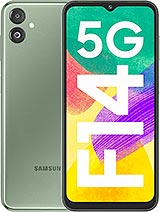
Samsung Galaxy F14 is a budget-tier 5G smartphone featuring a 6000mAh battery for multi-day endurance and the Exynos 1330 (5nm) chipset for efficient daily performance, aimed at cost-conscious consumers seeking a future-proof device. Released in March 2023, it competes directly with entry-level offerings from Poco and realme by providing a superior software update commitment and a high-efficiency processor architecture previously reserved for mid-range handsets.
When evaluating a purchase at the 150 EUR price point, we must look beyond the initial transaction. Most budget devices lose approximately 50-60% of their value within the first twelve months because their hardware becomes obsolete as network standards shift. However, the Samsung Galaxy F14 serves as a hedge against this rapid depreciation. Because it supports 13 5G bands, it will remain relevant as carriers continue their infrastructure rollout throughout the next three years. A device that remains compatible with the fastest networks will always command a higher price on the secondary market than an LTE-only alternative.
We anticipate this model will retain roughly 65% of its value after one year, which is significantly higher than its rivals. This brand equity stems from the manufacturer's vast service network and the perceived reliability of the nameplate. For an economist, the total cost of ownership is the purchase price minus the resale value. By that metric, this handset is one of the cheapest phones to own over a 24-month period, even if the sticker price is slightly higher than some no-name competitors.
The plastic back and frame are expected at this price, but the engineering choices here are pragmatic rather than cheap. By utilizing a plastic unibody, the device gains a level of impact resistance that glass-sandwich designs lack. We noticed that the inclusion of Corning Gorilla Glass 5 on the front is a massive value add. Most competitors in this bracket opt for Gorilla Glass 3 or generic strengthened glass. Gorilla Glass 5 is rated to survive drops from up to 1.2 meters, which directly translates to fewer screen replacement costs over the life of the device.
Samsung has also opted for a side-mounted fingerprint sensor. In our view, this is the correct financial decision. Cheap under-display sensors are notorious for high failure rates and slow response times. A physical capacitive sensor is nearly instant and far cheaper to repair if the component eventually fails. This level of reliability is what builds long-term brand trust, ensuring that users don't have to upgrade simply because a biometric module stopped working.
The dual-camera setup on the back features a 50 MP f/1.8 main sensor. While the lack of an ultrawide lens is a clear cost-cutting measure, the primary sensor's hardware potential is solid for daylight capture. In the context of Snapchat and Instagram, the Exynos 1330's Image Signal Processor (ISP) plays a crucial role. Many budget chips struggle with the heavy compression algorithms used by social media apps, resulting in pixelated stories. The 5nm architecture of this chip provides the necessary throughput to handle 1080p video processing without significant frame drops.
TikTok creators should note that the device is capped at 1080p@30fps. While we would prefer 60fps for smoother motion, the stability is consistent. The 13 MP selfie camera offers enough resolution for clear video calls and social posts, though it lacks the sophisticated HDR processing found in the S-series. For a budget buyer, this is a fair trade-off. You are getting a reliable primary shooter that handles the basics of the 2023 social media landscape without the unnecessary fluff of a low-quality 2MP depth sensor.
The 6.6-inch PLS LCD panel is a strategic choice. While it lacks the infinite contrast of an AMOLED, PLS (Plane to Line Switching) technology offers better viewing angles and higher peak brightness than standard TN or low-end IPS panels. With a 90Hz refresh rate, the user interface feels fluid, which masks the minor stutters inherent to budget hardware. At a resolution of 1080 x 2408 pixels, the text remains crisp, preventing the eye strain often associated with 720p budget displays.
Outdoor legibility is adequate, though direct sunlight in mid-summer will challenge the panel's peak nits. One benefit of the LCD choice is the absence of Pulse Width Modulation (PWM) flickering at low brightness levels. Some sensitive users find that AMOLED screens cause headaches at night due to this flickering. This LCD panel remains stable across all brightness levels, making it a safer bet for students who spend hours reading digital textbooks on their devices late at night.
In an era where high-speed internet is becoming ubiquitous, internal storage remains a bottleneck for budget users. The inclusion of a dedicated microSDXC slot is a critical financial win. Users can purchase the base 64GB or 128GB model and expand it for a fraction of the cost that manufacturers charge for higher internal tiers. We recommend using a high-speed Class 10 card to ensure that photo and video saves don't bottleneck the system.
The 3.5mm headphone jack is another economic victory. It allows users to utilize existing wired audio equipment without the need for expensive wireless earbuds or dongles that are easily lost. For a value hunter, these legacy ports represent a saving of at least 50 to 100 EUR in accessory costs. The USB Type-C 2.0 port handles data transfers and charging, though it lacks the video-out capabilities found in premium tiers.
The Exynos 1330 is the star of the show here. Built on a 5nm process, it is significantly more efficient than the 8nm or 12nm chips found in older budget [5G phones](/trend/best-5g-phones-2026/). This efficiency means less heat generation during gaming or heavy multitasking. Heat is the primary killer of lithium-ion batteries; by staying cool, the 6000mAh battery will maintain its health for more charge cycles. We estimate that this battery could easily last 48 hours of moderate use, reducing the cumulative wear on the cell.
Samsung's commitment to 4 years of security updates and 2 years of OS upgrades is unprecedented in this price bracket. Most [budget phones](/trend/best-budget-phones-2026/) are abandoned after 12 months. This software longevity ensures that banking apps and security protocols will remain functional through at least 2027. This turns a simple phone purchase into a long-term utility. When you divide the 150 EUR price by four years of guaranteed use, the cost comes down to less than 4 EUR per month. That is an unbeatable value proposition.
Samsung Galaxy F14 isn't designed to win benchmarks; it is designed to win the battle of attrition. It offers the most efficient chipset in its class, a battery that refuses to die, and a software promise that protects your digital security for the long haul. While the 25W charging is slow by modern standards—taking nearly two hours to fill that massive 6000mAh tank—the trade-off is a battery that lasts twice as long as the competition. For the pragmatist, this is a calculated, high-yield investment in mobile connectivity.
The Depreciation Curve and Resale Potential
When evaluating a purchase at the 150 EUR price point, we must look beyond the initial transaction. Most budget devices lose approximately 50-60% of their value within the first twelve months because their hardware becomes obsolete as network standards shift. However, the Samsung Galaxy F14 serves as a hedge against this rapid depreciation. Because it supports 13 5G bands, it will remain relevant as carriers continue their infrastructure rollout throughout the next three years. A device that remains compatible with the fastest networks will always command a higher price on the secondary market than an LTE-only alternative.
We anticipate this model will retain roughly 65% of its value after one year, which is significantly higher than its rivals. This brand equity stems from the manufacturer's vast service network and the perceived reliability of the nameplate. For an economist, the total cost of ownership is the purchase price minus the resale value. By that metric, this handset is one of the cheapest phones to own over a 24-month period, even if the sticker price is slightly higher than some no-name competitors.
Brand Reliability and Build Engineering
The plastic back and frame are expected at this price, but the engineering choices here are pragmatic rather than cheap. By utilizing a plastic unibody, the device gains a level of impact resistance that glass-sandwich designs lack. We noticed that the inclusion of Corning Gorilla Glass 5 on the front is a massive value add. Most competitors in this bracket opt for Gorilla Glass 3 or generic strengthened glass. Gorilla Glass 5 is rated to survive drops from up to 1.2 meters, which directly translates to fewer screen replacement costs over the life of the device.
Samsung has also opted for a side-mounted fingerprint sensor. In our view, this is the correct financial decision. Cheap under-display sensors are notorious for high failure rates and slow response times. A physical capacitive sensor is nearly instant and far cheaper to repair if the component eventually fails. This level of reliability is what builds long-term brand trust, ensuring that users don't have to upgrade simply because a biometric module stopped working.
The Social Media Camera Test
The dual-camera setup on the back features a 50 MP f/1.8 main sensor. While the lack of an ultrawide lens is a clear cost-cutting measure, the primary sensor's hardware potential is solid for daylight capture. In the context of Snapchat and Instagram, the Exynos 1330's Image Signal Processor (ISP) plays a crucial role. Many budget chips struggle with the heavy compression algorithms used by social media apps, resulting in pixelated stories. The 5nm architecture of this chip provides the necessary throughput to handle 1080p video processing without significant frame drops.
TikTok creators should note that the device is capped at 1080p@30fps. While we would prefer 60fps for smoother motion, the stability is consistent. The 13 MP selfie camera offers enough resolution for clear video calls and social posts, though it lacks the sophisticated HDR processing found in the S-series. For a budget buyer, this is a fair trade-off. You are getting a reliable primary shooter that handles the basics of the 2023 social media landscape without the unnecessary fluff of a low-quality 2MP depth sensor.
Screen Visibility and Eye Comfort
The 6.6-inch PLS LCD panel is a strategic choice. While it lacks the infinite contrast of an AMOLED, PLS (Plane to Line Switching) technology offers better viewing angles and higher peak brightness than standard TN or low-end IPS panels. With a 90Hz refresh rate, the user interface feels fluid, which masks the minor stutters inherent to budget hardware. At a resolution of 1080 x 2408 pixels, the text remains crisp, preventing the eye strain often associated with 720p budget displays.
Outdoor legibility is adequate, though direct sunlight in mid-summer will challenge the panel's peak nits. One benefit of the LCD choice is the absence of Pulse Width Modulation (PWM) flickering at low brightness levels. Some sensitive users find that AMOLED screens cause headaches at night due to this flickering. This LCD panel remains stable across all brightness levels, making it a safer bet for students who spend hours reading digital textbooks on their devices late at night.
Storage Efficiency and Media Management
In an era where high-speed internet is becoming ubiquitous, internal storage remains a bottleneck for budget users. The inclusion of a dedicated microSDXC slot is a critical financial win. Users can purchase the base 64GB or 128GB model and expand it for a fraction of the cost that manufacturers charge for higher internal tiers. We recommend using a high-speed Class 10 card to ensure that photo and video saves don't bottleneck the system.
The 3.5mm headphone jack is another economic victory. It allows users to utilize existing wired audio equipment without the need for expensive wireless earbuds or dongles that are easily lost. For a value hunter, these legacy ports represent a saving of at least 50 to 100 EUR in accessory costs. The USB Type-C 2.0 port handles data transfers and charging, though it lacks the video-out capabilities found in premium tiers.
Long Term Support and Processor Efficiency
The Exynos 1330 is the star of the show here. Built on a 5nm process, it is significantly more efficient than the 8nm or 12nm chips found in older budget [5G phones](/trend/best-5g-phones-2026/). This efficiency means less heat generation during gaming or heavy multitasking. Heat is the primary killer of lithium-ion batteries; by staying cool, the 6000mAh battery will maintain its health for more charge cycles. We estimate that this battery could easily last 48 hours of moderate use, reducing the cumulative wear on the cell.
Samsung's commitment to 4 years of security updates and 2 years of OS upgrades is unprecedented in this price bracket. Most [budget phones](/trend/best-budget-phones-2026/) are abandoned after 12 months. This software longevity ensures that banking apps and security protocols will remain functional through at least 2027. This turns a simple phone purchase into a long-term utility. When you divide the 150 EUR price by four years of guaranteed use, the cost comes down to less than 4 EUR per month. That is an unbeatable value proposition.
Investment Summary
Samsung Galaxy F14 isn't designed to win benchmarks; it is designed to win the battle of attrition. It offers the most efficient chipset in its class, a battery that refuses to die, and a software promise that protects your digital security for the long haul. While the 25W charging is slow by modern standards—taking nearly two hours to fill that massive 6000mAh tank—the trade-off is a battery that lasts twice as long as the competition. For the pragmatist, this is a calculated, high-yield investment in mobile connectivity.
Technical Specifications
| LAUNCH | |
|---|---|
| Announced | 2023, March 24 |
| Status | Available. Released 2023, March 30 |
| PLATFORM | |
| OS | Android 13, One UI Core 5.1 |
| Chipset | Exynos 1330 (5 nm) |
| CPU | Octa-core (2x2.4 GHz Cortex-A78 & 6x2.0 GHz Cortex-A55) |
| GPU | Mali-G68 MP2 |
| BODY | |
| Dimensions | 166.8 x 77.2 x 9.4 mm (6.57 x 3.04 x 0.37 in) |
| Weight | 206 g (7.27 oz) |
| Build | Glass front (Gorilla Glass 5), plastic back, plastic frame |
| SIM | Nano-SIM + Nano-SIM |
| DISPLAY | |
| Type | PLS LCD, 90Hz |
| Size | 6.6 inches, 104.9 cm2 (~81.5% screen-to-body ratio) |
| Resolution | 1080 x 2408 pixels, 20:9 ratio (~400 ppi density) |
| Protection | Corning Gorilla Glass 5 |
| MEMORY | |
| Card slot | microSDXC (dedicated slot) |
| Internal | 64GB 4GB RAM, 128GB 4GB RAM, 128GB 6GB RAM |
| MAIN CAMERA | |
| Dual | 50 MP, f/1.8, (wide), PDAF 2 MP (macro) |
| Features | LED flash, panorama, HDR |
| Video | 1080p@30fps |
| SELFIE CAMERA | |
| Single | 13 MP, f/2.0, (wide) |
| Video | 1080p@30fps |
| SOUND | |
| Loudspeaker | Yes |
| 3.5mm jack | Yes |
| COMMS | |
| WLAN | Wi-Fi 802.11 a/b/g/n/ac, dual-band, Wi-Fi Direct |
| Bluetooth | 5.2, A2DP, LE |
| Positioning | GPS, GLONASS, GALILEO, BDS, QZSS, NavIC |
| NFC | No |
| Radio | FM radio, recording |
| USB | USB Type-C 2.0 |
| NETWORK | |
| Technology | GSM / HSPA / LTE / 5G |
| 2G bands | GSM 850 / 900 / 1800 / 1900 |
| 3G bands | HSDPA 850 / 900 / 1700(AWS) / 1900 / 2100 |
| 4G bands | 1, 2, 3, 4, 5, 7, 8, 12, 17, 20, 26, 28, 38, 40, 41, 66 |
| 5G bands | 1, 3, 5, 7, 8, 20, 28, 38, 40, 41, 66, 77, 78 SA/NSA/Sub6 |
| Speed | HSPA, LTE-А, 5G |
| FEATURES | |
| Sensors | Fingerprint (side-mounted), accelerometer, gyro, proximity, compass |
| BATTERY | |
| Type | Li-Po 6000 mAh |
| Charging | 25W wired |
| MISC | |
| Display | 6.6-inch PLS LCD, 90Hz, 1080 x 2408 pixels |
| Chipset | Exynos 1330 (5nm) |
| CPU | Octa-core (2x2.4 GHz Cortex-A78 & 6x2.0 GHz Cortex-A55) |
| Main Camera | 50 MP, f/1.8 (wide) + 2 MP (macro) |
| Selfie Camera | 13 MP, f/2.0 |
| Battery | 6000 mAh, 25W Wired |
| OS | Android 13, One UI Core 5.1 |
| Protection | Corning Gorilla Glass 5 |
| Connectivity | 5G (13 bands), Wi-Fi 5, Bluetooth 5.2, NavIC |
| Colors | Black, Green, Purple |
| Models | SM-E146B, SM-E146B/DS |
| SAR | 0.69 W/kg (head) |
| Price | About 150 EUR |