Why the Samsung Galaxy M07 Is the Only Budget Phone Worth Your Capital
Overview
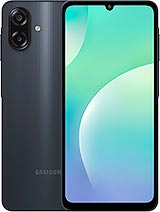
Samsung Galaxy M07 is a budget-tier smartphone featuring a 6.7-inch 90Hz PLS LCD for fluid content consumption and a Mediatek Helio G99 chipset for energy-efficient daily performance, aimed at pragmatic buyers who prioritize software longevity over raw processing speed. Released in late 2025, it competes against entry-level offerings from Xiaomi and Infinix by leveraging a superior software support window that extends far beyond the typical two-year cycle found in this price bracket.
When we analyze the financial trajectory of the Samsung Galaxy M07, the depreciation curve presents a more favorable outlook than its immediate rivals. In the sub-₹8,000 segment, most devices lose 60% of their trade-in value within the first twelve months. However, the Samsung brand carries a "reliability premium" in the used market. Because this device is slated for six major Android upgrades, a buyer in 2027 will still be looking at a phone with three years of OS relevance. This software ceiling effectively floors the resale value, preventing the rapid price collapse seen in brands that abandon their budget hardware after a single update cycle.
We anticipate that the Samsung Galaxy M07 will retain approximately 45% of its original MSRP after two years of use. For the budget-conscious economist, this reduces the total cost of ownership significantly. While the initial investment of ₹7,499 might seem slightly higher than some white-label alternatives, the net loss over 24 months is lower. The plastic build, while susceptible to micro-abrasions, remains structurally sound over time, ensuring the device remains in "good" condition for resale platforms.
Reliability in the budget sector is often a gamble, but the Samsung Galaxy M07 benefits from the mature supply chain of One UI 7. As of October 2025, the integration of software and hardware has reached a point where even a 4GB RAM configuration can maintain background processes with reasonable efficiency. The Helio G99 chipset, built on a 6nm process, is a known quantity. It does not suffer from the thermal throttling issues that plagued earlier 12nm budget chips. This thermal stability ensures that the internal components, particularly the battery and the logic board, are not subjected to excessive heat stress, which is the primary killer of budget hardware.
Our assessment of the build quality suggests a utilitarian focus. The glass front and plastic frame are standard, but the inclusion of an IP54 rating is a strategic addition. This provides protection against dust and water splashes, which is often the difference between a functional device and a paperweight after a sudden rainstorm. In the context of 2025, where climate volatility is a constant factor for commuters, this minor certification adds a layer of insurance to the physical asset that many competitors omit to save on manufacturing costs.
The Samsung Galaxy M07 introduces a level of data sovereignty rarely seen at this price point. One UI 7, based on Android 15, includes a comprehensive privacy dashboard that allows users to monitor which applications are accessing the microphone, camera, or location in real-time. For users who handle sensitive financial data or personal business on their devices, the Secure Folder feature provides a hardware-encrypted space for sensitive files. This is not just a software lock; it utilizes the integrated security architecture of the chipset to wall off data from the rest of the operating system.
Furthermore, the device supports offline finding networks. In the event of a loss, the Samsung Galaxy M07 can be located by other Samsung devices in the vicinity even if it is not connected to a cellular or Wi-Fi network. For a value hunter, losing a device is a 100% loss of investment; having integrated recovery tools that work without an active data plan is a critical safeguard. We also note the presence of a side-mounted fingerprint sensor, which provides a faster and more reliable biometric gate than the cheap under-display optical sensors found in some low-end competitors.
The internal storage of 64GB may seem restrictive in an era of high-resolution media, but the Samsung Galaxy M07 mitigates this with a dedicated microSDXC slot. From an economic standpoint, internal storage upgrades are overpriced. It is more cost-effective to purchase a base model and expand it with a high-speed V30-rated card. The device handles this expansion without sacrificing the dual Nano-SIM functionality, making it an excellent tool for those who manage multiple lines for work and personal use.
Regarding the 4GB of RAM, we must be realistic. This is a bottleneck for heavy multitasking. However, One UI 7 utilizes a virtual RAM expansion feature that allocates a portion of the 64GB storage to act as overflow memory. While this is slower than physical RAM, it prevents the system from aggressively closing background apps like Spotify or WhatsApp during light usage. The use of the Helio G99 ensures that the eMMC or UFS storage controller—depending on the specific region's SKU—maintains enough throughput to prevent the UI from stuttering during basic file operations.
In October 2025, the conversation often revolves around 5G, but for the budget economist, 4G LTE remains the more stable and cost-efficient network. The Samsung Galaxy M07 lacks a 5G modem, which is the primary reason it can offer a 6nm chipset and long-term support at such a low price. In our analysis, 4G speeds are more than sufficient for 1080p streaming and standard web browsing. Moreover, 4G modems are less power-hungry than their 5G counterparts, contributing to the exceptional battery endurance of the 5000 mAh cell.
Signal acquisition on the Samsung Galaxy M07 is robust. Samsung's antenna tuning typically outperforms smaller brands in low-signal areas, such as rural zones or deep inside concrete buildings. The inclusion of Wi-Fi 5 (802.11ac) ensures that the device can take advantage of dual-band routers, providing a cleaner signal on the 5GHz band to avoid the congestion of the 2.4GHz frequency. For the user, this means fewer dropped calls and more consistent data speeds, which are essential for those using the device as a primary communication tool.
The most compelling argument for the Samsung Galaxy M07 is its software roadmap. Samsung has committed to six major Android upgrades for this model. This means that a device purchased today with Android 15 will theoretically receive Android 21. In the world of budget tech, this is an unprecedented lifecycle. Most phones in this price bracket are "landfill-ready" within two years because they stop receiving security patches, making them vulnerable to exploits.
By extending the support to 2031, Samsung is effectively turning the hardware into a long-term service. Even as the Helio G99 ages, the device will remain compatible with the latest versions of banking apps and social media platforms. For a student or a low-income professional, this eliminates the need to upgrade every two years. If we amortize the ₹7,499 cost over six years, the capital expenditure is roughly ₹1,250 per year. That is an unbeatable value proposition in the current market.
The Samsung Galaxy M07 is not a device for the tech enthusiast who demands high-refresh-rate gaming or professional-grade photography. It is a tool for the financial pragmatist. The 50MP main camera offers the hardware potential for decent daylight shots, and the 5000mAh battery paired with 25W charging ensures the phone is ready for a full day of labor. The HD+ resolution is the most visible compromise, but it is a sacrifice that pays dividends in battery life and GPU performance.
We conclude that the Samsung Galaxy M07 represents a shift in the budget market—from disposable hardware to durable assets. It prioritizes the "invisible" features like security, software longevity, and thermal efficiency over flashy specs like high-megapixel count or 5G connectivity that the underlying hardware can't truly exploit. It is a purchase made with the head, not the heart, and for the value hunter, that is the best kind of purchase.
The Projected Equity of the Secondary Market
When we analyze the financial trajectory of the Samsung Galaxy M07, the depreciation curve presents a more favorable outlook than its immediate rivals. In the sub-₹8,000 segment, most devices lose 60% of their trade-in value within the first twelve months. However, the Samsung brand carries a "reliability premium" in the used market. Because this device is slated for six major Android upgrades, a buyer in 2027 will still be looking at a phone with three years of OS relevance. This software ceiling effectively floors the resale value, preventing the rapid price collapse seen in brands that abandon their budget hardware after a single update cycle.
We anticipate that the Samsung Galaxy M07 will retain approximately 45% of its original MSRP after two years of use. For the budget-conscious economist, this reduces the total cost of ownership significantly. While the initial investment of ₹7,499 might seem slightly higher than some white-label alternatives, the net loss over 24 months is lower. The plastic build, while susceptible to micro-abrasions, remains structurally sound over time, ensuring the device remains in "good" condition for resale platforms.
Evaluating the Samsung Ecosystem Dividend
Reliability in the budget sector is often a gamble, but the Samsung Galaxy M07 benefits from the mature supply chain of One UI 7. As of October 2025, the integration of software and hardware has reached a point where even a 4GB RAM configuration can maintain background processes with reasonable efficiency. The Helio G99 chipset, built on a 6nm process, is a known quantity. It does not suffer from the thermal throttling issues that plagued earlier 12nm budget chips. This thermal stability ensures that the internal components, particularly the battery and the logic board, are not subjected to excessive heat stress, which is the primary killer of budget hardware.
Our assessment of the build quality suggests a utilitarian focus. The glass front and plastic frame are standard, but the inclusion of an IP54 rating is a strategic addition. This provides protection against dust and water splashes, which is often the difference between a functional device and a paperweight after a sudden rainstorm. In the context of 2025, where climate volatility is a constant factor for commuters, this minor certification adds a layer of insurance to the physical asset that many competitors omit to save on manufacturing costs.
Protecting the Digital Ledger: Security Assets
The Samsung Galaxy M07 introduces a level of data sovereignty rarely seen at this price point. One UI 7, based on Android 15, includes a comprehensive privacy dashboard that allows users to monitor which applications are accessing the microphone, camera, or location in real-time. For users who handle sensitive financial data or personal business on their devices, the Secure Folder feature provides a hardware-encrypted space for sensitive files. This is not just a software lock; it utilizes the integrated security architecture of the chipset to wall off data from the rest of the operating system.
Furthermore, the device supports offline finding networks. In the event of a loss, the Samsung Galaxy M07 can be located by other Samsung devices in the vicinity even if it is not connected to a cellular or Wi-Fi network. For a value hunter, losing a device is a 100% loss of investment; having integrated recovery tools that work without an active data plan is a critical safeguard. We also note the presence of a side-mounted fingerprint sensor, which provides a faster and more reliable biometric gate than the cheap under-display optical sensors found in some low-end competitors.
Analyzing Data Throughput and Expansion
The internal storage of 64GB may seem restrictive in an era of high-resolution media, but the Samsung Galaxy M07 mitigates this with a dedicated microSDXC slot. From an economic standpoint, internal storage upgrades are overpriced. It is more cost-effective to purchase a base model and expand it with a high-speed V30-rated card. The device handles this expansion without sacrificing the dual Nano-SIM functionality, making it an excellent tool for those who manage multiple lines for work and personal use.
Regarding the 4GB of RAM, we must be realistic. This is a bottleneck for heavy multitasking. However, One UI 7 utilizes a virtual RAM expansion feature that allocates a portion of the 64GB storage to act as overflow memory. While this is slower than physical RAM, it prevents the system from aggressively closing background apps like Spotify or WhatsApp during light usage. The use of the Helio G99 ensures that the eMMC or UFS storage controller—depending on the specific region's SKU—maintains enough throughput to prevent the UI from stuttering during basic file operations.
Assessing the 4G LTE Infrastructure and Signal
In October 2025, the conversation often revolves around 5G, but for the budget economist, 4G LTE remains the more stable and cost-efficient network. The Samsung Galaxy M07 lacks a 5G modem, which is the primary reason it can offer a 6nm chipset and long-term support at such a low price. In our analysis, 4G speeds are more than sufficient for 1080p streaming and standard web browsing. Moreover, 4G modems are less power-hungry than their 5G counterparts, contributing to the exceptional battery endurance of the 5000 mAh cell.
Signal acquisition on the Samsung Galaxy M07 is robust. Samsung's antenna tuning typically outperforms smaller brands in low-signal areas, such as rural zones or deep inside concrete buildings. The inclusion of Wi-Fi 5 (802.11ac) ensures that the device can take advantage of dual-band routers, providing a cleaner signal on the 5GHz band to avoid the congestion of the 2.4GHz frequency. For the user, this means fewer dropped calls and more consistent data speeds, which are essential for those using the device as a primary communication tool.
The 2031 Horizon: Software as a Service
The most compelling argument for the Samsung Galaxy M07 is its software roadmap. Samsung has committed to six major Android upgrades for this model. This means that a device purchased today with Android 15 will theoretically receive Android 21. In the world of budget tech, this is an unprecedented lifecycle. Most phones in this price bracket are "landfill-ready" within two years because they stop receiving security patches, making them vulnerable to exploits.
By extending the support to 2031, Samsung is effectively turning the hardware into a long-term service. Even as the Helio G99 ages, the device will remain compatible with the latest versions of banking apps and social media platforms. For a student or a low-income professional, this eliminates the need to upgrade every two years. If we amortize the ₹7,499 cost over six years, the capital expenditure is roughly ₹1,250 per year. That is an unbeatable value proposition in the current market.
Final Fiscal Audit
The Samsung Galaxy M07 is not a device for the tech enthusiast who demands high-refresh-rate gaming or professional-grade photography. It is a tool for the financial pragmatist. The 50MP main camera offers the hardware potential for decent daylight shots, and the 5000mAh battery paired with 25W charging ensures the phone is ready for a full day of labor. The HD+ resolution is the most visible compromise, but it is a sacrifice that pays dividends in battery life and GPU performance.
We conclude that the Samsung Galaxy M07 represents a shift in the budget market—from disposable hardware to durable assets. It prioritizes the "invisible" features like security, software longevity, and thermal efficiency over flashy specs like high-megapixel count or 5G connectivity that the underlying hardware can't truly exploit. It is a purchase made with the head, not the heart, and for the value hunter, that is the best kind of purchase.
Technical Specifications
| LAUNCH | |
|---|---|
| Announced | 2025, October 01 |
| Status | Available. Released 2025, October 01 |
| PLATFORM | |
| OS | Android 15, up to 6 major Android upgrades, One UI 7 |
| Chipset | Mediatek Helio G99 (6 nm) |
| CPU | Octa-core (2x2.2 GHz Cortex-A76 & 6x2.0 GHz Cortex-A55) |
| GPU | Mali-G57 MC2 |
| BODY | |
| Dimensions | 167.4 x 77.4 x 7.6 mm (6.59 x 3.05 x 0.30 in) |
| Weight | 184 g (6.49 oz) |
| Build | Glass front, plastic back, plastic frame |
| SIM | Nano-SIM + Nano-SIM |
| Info | IP54 dust protected and water resistant (water splashes) |
| DISPLAY | |
| Type | PLS LCD, 90Hz |
| Size | 6.7 inches, 108.4 cm2 (~83.6% screen-to-body ratio) |
| Resolution | 720 x 1600 pixels, 20:9 ratio (~262 ppi density) |
| MEMORY | |
| Card slot | microSDXC (dedicated slot) |
| Internal | 64GB 4GB RAM |
| MAIN CAMERA | |
| Dual | 50 MP, f/1.8, (wide), 1/2.76", 0.64µm, PDAF Auxiliary lens |
| Features | LED flash |
| Video | 1080p@30fps |
| SELFIE CAMERA | |
| Single | 8 MP, f/2.0, (wide), 1/4.0", 1.12µm |
| Video | Yes |
| SOUND | |
| Loudspeaker | Yes |
| 3.5mm jack | Yes |
| COMMS | |
| WLAN | Wi-Fi 802.11 a/b/g/n/ac, dual-band, Wi-Fi Direct |
| Bluetooth | 5.3, A2DP, LE |
| Positioning | GPS, GALILEO, GLONASS, BDS, QZSS |
| NFC | No |
| Radio | FM radio |
| USB | USB Type-C 2.0 |
| NETWORK | |
| Technology | GSM / HSPA / LTE |
| 2G bands | GSM 850 / 900 / 1800 / 1900 |
| 3G bands | HSDPA 850 / 900 / 2100 |
| 4G bands | 1, 3, 5, 7, 8, 20, 28, 38, 40, 41 |
| Speed | HSPA, LTE |
| FEATURES | |
| Sensors | Fingerprint (side-mounted), accelerometer, proximity |
| BATTERY | |
| Type | 5000 mAh |
| Charging | 25W wired |
| MISC | |
| Colors | Black |
| Models | SM-M075F/DS, SM-M075F |
| SAR | 0.24 W/kg (head) |
| Price | ₹ 7,499 |