Why the Samsung Galaxy M56 Is the Ultimate Inflation-Proof Performance Phone
Overview
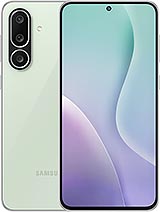
Samsung Galaxy M56 is a mid-range smartphone featuring a 6.74-inch Super AMOLED+ 120Hz display for premium visuals and an Exynos 1480 (4 nm) chipset for high-efficiency processing, aimed at budget-conscious power users. Released in April 2025, it competes with the latest mid-tier offerings by balancing flagship-grade protection and long-term software support. We see this device as a strategic pivot for the brand, prioritizing internal durability and longevity over unnecessary aesthetic flourishes.
When we look at the ₹21,998 price point of the Samsung Galaxy M56, the value proposition immediately stands out. In a market where inflation has pushed mid-range prices closer to the flagship territory, seeing Gorilla Glass Victus+ on both the front and the back is a significant win for the consumer. Most competitors in this bracket still utilize plastic backs or older versions of Gorilla Glass, making the inclusion of Victus+ a massive leap in hardware durability. This choice reduces the total cost of ownership by potentially lowering repair bills for accidental drops.
Under the hood, the choice of the Exynos 1480 built on a 4 nm process ensures that this phone stays relevant for several years. A 4nm process means the transistors are smaller and more densely packed, allowing the phone to perform complex tasks while consuming less energy from the 5000 mAh battery. Compared to older 6nm or 7nm chips found in previous budget models, this hardware allows for sustained performance without the thermal throttling that often plagues mid-range devices during long usage sessions.
To hit this price point, we noticed some strategic compromises. The frame is plastic, not aluminum. While the Gorilla Glass Victus+ provides the exterior strength, the plastic frame doesn't offer the same rigid structural integrity as metal. However, for most users who use a case, this is a negligible drawback. More importantly, the USB Type-C 2.0 port is a clear cost-cutting measure. In 2025, we expect faster data transfer speeds, but here you are limited to older standards, which only affects those who frequently move large video files to a computer via cable.
Perhaps the most notable omission for certain markets is the lack of NFC. If you rely on contactless mobile payments at grocery stores or transit hubs, this is a significant hurdle. Furthermore, the inclusion of a 2 MP macro sensor continues the trend of 'filler' cameras. It offers very little utility compared to the primary 50 MP sensor and seems to be there primarily to justify the 'Triple Camera' marketing label. We would have preferred a better ultrawide lens instead of this low-resolution macro addition.
Samsung has committed to 6 major Android upgrades for the Samsung Galaxy M56. Starting with Android 15, this phone is technically supported until Android 21. This level of support was previously exclusive to the S-series flagships. From a value perspective, this is a 'buy it and keep it' device. If you divide the ₹21,998 price by six years of guaranteed relevance, the annual cost of the hardware becomes incredibly low, beating out almost every other competitor in the segment.
Running One UI 7, the device introduces several system-wide generative AI features that manage background processes more aggressively than before. This software is designed to prevent the 'Android slowdown' that many budget users fear after eighteen months of use. The integration of Cortex-A78 high-performance cores ensures that as apps become more demanding over the next few years, the system remains responsive. We find this commitment to software longevity to be the strongest selling point for anyone looking to maximize their investment.
While the hardware is impressive, the M-series often serves as a platform for pre-installed applications. Upon first boot, users will likely find several games and 'utility' apps that they didn't ask for. While most of these can be uninstalled, it is a minor chore that detracts from the initial experience. We also recommend digging into the settings to disable 'Glance' on the lock screen and personalized ad tracking within the Samsung ecosystem to ensure the Super AMOLED+ display remains a clean canvas for your own content.
One of the most overlooked specs in this price tier is the storage standard. The Samsung Galaxy M56 uses UFS 3.1 storage. To explain the benefit, UFS 3.1 includes a feature called 'Write Booster,' which creates a high-speed buffer to accelerate app installations and large file downloads. In our analysis, this makes the phone feel much faster in daily tasks compared to devices using UFS 2.2. When you tap an app icon, the time it takes to fetch that data from the storage and load it into the 8GB RAM is noticeably shorter, resulting in a snappy user experience.
Gaming on the Samsung Galaxy M56 is handled by the Xclipse 530 GPU. This GPU is based on AMD's RDNA architecture, which brings advanced features to a more affordable price point. While it won't match the frame rates of an S25 Ultra, it handles modern titles with stable performance. The 120Hz refresh rate on the 6.74-inch panel makes every movement feel more fluid, which is especially noticeable when scrolling through social media or playing fast-paced shooters.
Imagine you are a student who needs a device that can handle multitasking between research tabs, social media, and heavy gaming during breaks. The Exynos 1480 chipset is designed for exactly this. It uses Cortex-A55 cores for background efficiency, ensuring that your battery doesn't drain while the phone is in your pocket, while the Cortex-A78 cores kick in when you need to crunch data or render video. This balance of power and thrift is the hallmark of a well-engineered budget chip.
The Samsung Galaxy M56 is a masterclass in prioritized engineering. It ignores the 'flashy' features like curved glass or periscope zooms in favor of things that actually matter for daily longevity: a top-tier display, massive software support, and a highly efficient 4nm processor. At ₹21,998, it represents a significant roadblock for other manufacturers who are struggling to match this level of after-sales support and build quality.
If you can overlook the lack of NFC and the presence of some bloatware, this is arguably the smartest financial decision in the mid-range market of 2025. It provides a flagship-adjacent experience in the areas that impact daily life the most—screen quality and battery endurance—without the flagship price tag. This is not just a phone; it is a long-term asset for the budget-conscious consumer.
The Economic Blueprint: Price vs. Specs
When we look at the ₹21,998 price point of the Samsung Galaxy M56, the value proposition immediately stands out. In a market where inflation has pushed mid-range prices closer to the flagship territory, seeing Gorilla Glass Victus+ on both the front and the back is a significant win for the consumer. Most competitors in this bracket still utilize plastic backs or older versions of Gorilla Glass, making the inclusion of Victus+ a massive leap in hardware durability. This choice reduces the total cost of ownership by potentially lowering repair bills for accidental drops.
Under the hood, the choice of the Exynos 1480 built on a 4 nm process ensures that this phone stays relevant for several years. A 4nm process means the transistors are smaller and more densely packed, allowing the phone to perform complex tasks while consuming less energy from the 5000 mAh battery. Compared to older 6nm or 7nm chips found in previous budget models, this hardware allows for sustained performance without the thermal throttling that often plagues mid-range devices during long usage sessions.
Where Did They Cut Corners?
To hit this price point, we noticed some strategic compromises. The frame is plastic, not aluminum. While the Gorilla Glass Victus+ provides the exterior strength, the plastic frame doesn't offer the same rigid structural integrity as metal. However, for most users who use a case, this is a negligible drawback. More importantly, the USB Type-C 2.0 port is a clear cost-cutting measure. In 2025, we expect faster data transfer speeds, but here you are limited to older standards, which only affects those who frequently move large video files to a computer via cable.
Perhaps the most notable omission for certain markets is the lack of NFC. If you rely on contactless mobile payments at grocery stores or transit hubs, this is a significant hurdle. Furthermore, the inclusion of a 2 MP macro sensor continues the trend of 'filler' cameras. It offers very little utility compared to the primary 50 MP sensor and seems to be there primarily to justify the 'Triple Camera' marketing label. We would have preferred a better ultrawide lens instead of this low-resolution macro addition.
Long-Term Dividends: Software Longevity
Samsung has committed to 6 major Android upgrades for the Samsung Galaxy M56. Starting with Android 15, this phone is technically supported until Android 21. This level of support was previously exclusive to the S-series flagships. From a value perspective, this is a 'buy it and keep it' device. If you divide the ₹21,998 price by six years of guaranteed relevance, the annual cost of the hardware becomes incredibly low, beating out almost every other competitor in the segment.
Running One UI 7, the device introduces several system-wide generative AI features that manage background processes more aggressively than before. This software is designed to prevent the 'Android slowdown' that many budget users fear after eighteen months of use. The integration of Cortex-A78 high-performance cores ensures that as apps become more demanding over the next few years, the system remains responsive. We find this commitment to software longevity to be the strongest selling point for anyone looking to maximize their investment.
The Hidden Tax: Bloatware and Ads
While the hardware is impressive, the M-series often serves as a platform for pre-installed applications. Upon first boot, users will likely find several games and 'utility' apps that they didn't ask for. While most of these can be uninstalled, it is a minor chore that detracts from the initial experience. We also recommend digging into the settings to disable 'Glance' on the lock screen and personalized ad tracking within the Samsung ecosystem to ensure the Super AMOLED+ display remains a clean canvas for your own content.
Data Liquidity: Storage Speed
One of the most overlooked specs in this price tier is the storage standard. The Samsung Galaxy M56 uses UFS 3.1 storage. To explain the benefit, UFS 3.1 includes a feature called 'Write Booster,' which creates a high-speed buffer to accelerate app installations and large file downloads. In our analysis, this makes the phone feel much faster in daily tasks compared to devices using UFS 2.2. When you tap an app icon, the time it takes to fetch that data from the storage and load it into the 8GB RAM is noticeably shorter, resulting in a snappy user experience.
Calculating the ROI: Performance for the Price
Gaming on the Samsung Galaxy M56 is handled by the Xclipse 530 GPU. This GPU is based on AMD's RDNA architecture, which brings advanced features to a more affordable price point. While it won't match the frame rates of an S25 Ultra, it handles modern titles with stable performance. The 120Hz refresh rate on the 6.74-inch panel makes every movement feel more fluid, which is especially noticeable when scrolling through social media or playing fast-paced shooters.
Imagine you are a student who needs a device that can handle multitasking between research tabs, social media, and heavy gaming during breaks. The Exynos 1480 chipset is designed for exactly this. It uses Cortex-A55 cores for background efficiency, ensuring that your battery doesn't drain while the phone is in your pocket, while the Cortex-A78 cores kick in when you need to crunch data or render video. This balance of power and thrift is the hallmark of a well-engineered budget chip.
Is It Worth It?
The Samsung Galaxy M56 is a masterclass in prioritized engineering. It ignores the 'flashy' features like curved glass or periscope zooms in favor of things that actually matter for daily longevity: a top-tier display, massive software support, and a highly efficient 4nm processor. At ₹21,998, it represents a significant roadblock for other manufacturers who are struggling to match this level of after-sales support and build quality.
If you can overlook the lack of NFC and the presence of some bloatware, this is arguably the smartest financial decision in the mid-range market of 2025. It provides a flagship-adjacent experience in the areas that impact daily life the most—screen quality and battery endurance—without the flagship price tag. This is not just a phone; it is a long-term asset for the budget-conscious consumer.
Technical Specifications
| LAUNCH | |
|---|---|
| Announced | 2025, April 17 |
| Status | Available. Released 2025, April 17 |
| PLATFORM | |
| OS | Android 15, up to 6 major Android upgrades, One UI 7 |
| Chipset | Exynos 1480 (4 nm) |
| CPU | Octa-core (4x2.75 GHz Cortex-A78 & 4x2.0 GHz Cortex-A55) |
| GPU | Xclipse 530 |
| BODY | |
| Dimensions | 162 x 77.3 x 7.2 mm (6.38 x 3.04 x 0.28 in) |
| Weight | 180 g (6.35 oz) |
| Build | Glass front (Gorilla Glass Victus+), plastic frame, glass back (Gorilla Glass Victus+) |
| SIM | Nano-SIM + Nano-SIM |
| DISPLAY | |
| Type | Super AMOLED+, 120Hz |
| Size | 6.74 inches, 111.5 cm2 (~89.0% screen-to-body ratio) |
| Resolution | 1080 x 2340 pixels, 19.5:9 ratio (~382 ppi density) |
| Protection | Corning Gorilla Glass Victus+ |
| MEMORY | |
| Card slot | No |
| Internal | 128GB 8GB RAM, 256GB 8GB RAM |
| Info | UFS 3.1 |
| MAIN CAMERA | |
| Triple | 50 MP, f/1.8, (wide), PDAF, OIS 8 MP, f/2.2, (ultrawide) 2 MP (macro) |
| Features | LED flash, panorama, HDR |
| Video | 4K@30fps, 1080p@30/60fps, gyro-EIS, OIS, 10-bit HDR |
| SELFIE CAMERA | |
| Single | 12 MP, f/2.2, (wide) |
| Video | Yes |
| SOUND | |
| Loudspeaker | Yes |
| 3.5mm jack | No |
| COMMS | |
| WLAN | Wi-Fi 802.11 a/b/g/n/ac/6, dual-band, Wi-Fi Direct |
| Bluetooth | 5.3, A2DP, LE |
| Positioning | GPS, GALILEO, GLONASS, BDS, QZSS |
| NFC | No |
| Radio | No |
| USB | USB Type-C 2.0, OTG |
| NETWORK | |
| Technology | GSM / HSPA / LTE / 5G |
| 2G bands | GSM 850 / 900 / 1800 / 1900 |
| 3G bands | HSDPA 850 / 900 / 1700(AWS) / 1900 / 2100 |
| 4G bands | 1, 2, 3, 4, 5, 7, 8, 12, 17, 20, 26, 28, 38, 40, 41, 66 |
| 5G bands | 1, 3, 5, 8, 28, 40, 41, 78 SA/NSA/Sub6 |
| Speed | HSPA, LTE, 5G |
| FEATURES | |
| Sensors | Fingerprint (under display, optical), accelerometer, gyro, proximity, compass |
| BATTERY | |
| Type | 5000 mAh |
| Charging | 45W wired |
| MISC | |
| Colors | Black, Light Green |
| Models | SM-M566B, SM-M566B/DS |
| SAR | 0.71 W/kg (head) |
| Price | ₹ 20,999 |