Why the Samsung Galaxy Watch7 Is the Only Accessory Your Wardrobe Needs
Overview
The Samsung Galaxy Watch7 is a premium health-tracking wearable designed for users who prioritize aesthetic sophistication and biometric precision in equal measure. Released in July 2024, it competes directly with established rivals like the [Apple Watch Series 9](/taming-the-digital-noise-with-the-apple-watch-series-9/) and the [Google Pixel Watch 2](/the-google-pixel-watch-2-finally-delivers-the-precision-athletes-deserve/), leveraging a first-of-its-kind Exynos W1000 (3 nm) chipset to drive the Android Wear OS 5 platform. This device offers a specialized BioActive sensor suite for metabolic insights and an Armor aluminum 2 frame for structural durability, aimed at professionals who need a seamless transition from the boardroom to the gym.
When examining the external construction, the choice of materials reveals a clear intent to bridge the gap between high-tech utility and luxury jewelry. The Armor aluminum 2 frame provides a matte, sophisticated finish that resists the micro-abrasions typically caused by long-sleeved dress shirts or suit jackets. Unlike standard alloys, this reinforced material maintains its luster even after months of daily friction. The flat Sapphire crystal covering the 1.5-inch Super AMOLED display remains recessed slightly within the bezel, providing a layer of physical protection without the bulk of a traditional diver's watch.
At 9.7 mm thickness, this wearable is remarkably slim, sliding under a French cuff with minimal resistance. This profile is achieved through a densely packed internal architecture that doesn't sacrifice the MIL-STD-810H durability rating. Users who value a lightweight feel will appreciate the 33.8g weight of the 44mm variant, which avoids the wrist fatigue common with heavier steel timepieces. The integration of the lugs is refined, ensuring that the strap sits flush against the wrist, which is vital for both comfort and the accuracy of the optical heart rate sensors.
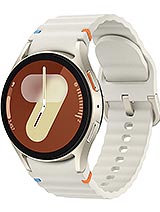
Comparing this model to the previous generation, the refinement in the chassis curvature is noticeable. While the Watch6 was already sleek, this newer iteration feels more like a singular piece of sculpted metal rather than a collection of components. The color options—Cream, Silver, and Green—are muted and earthy, intentionally selected to complement a wide range of fashion palettes. We noticed that the Silver variant, in particular, catches the light in a way that mimics high-end titanium, providing a premium visual impact that belies its aluminum price point.
One UI Watch 8 introduces a collection of watch faces that focus on typography and minimalist aesthetics. These aren't just data-heavy dashboards; they are designed to be seen as part of an outfit. The high-resolution 480 x 480 pixels screen allows for deep blacks and vibrant colors that make analog-style hands look nearly indistinguishable from physical ones. The 2000 nits peak brightness ensures that even in direct midday sun, the intricate details of the watch face remain visible, preventing that dull, washed-out look that plagues cheaper OLED wearables.
Transitioning from a leather strap for a formal dinner to a silicone band for a morning run is effortless due to the standard 20mm strap compatibility. We observed that the quick-release mechanism remains one of the most reliable in the industry, allowing for a 10-second swap without the need for specialized tools. This versatility is the cornerstone of its appeal as a piece of jewelry; it adapts to the user's environment rather than forcing the user to adapt their style to the technology.
The always-on display functionality is particularly impressive here. It doesn't just dim the screen; it intelligently preserves the color palette of the chosen watch face, ensuring the device never looks like a black plastic puck on the wrist. For those who enjoy tailoring their look, the ability to match the watch face accent colors to a specific tie or dress color adds a layer of personalization that traditional horology simply cannot match. It is this attention to visual detail that separates this model from more utilitarian fitness trackers.
The out-of-box experience is surprisingly efficient, though it requires the Galaxy Wearable app and a Samsung account for the best results. Upon initial boot, the device typically prompts for a software update ranging from 400MB to 700MB. This first patch is critical as it often stabilizes the new Android Wear OS 5 features. For users coming from older Tizen-based watches, the transition to the Google-based ecosystem is smooth, but it does require a few minutes to sync health data from Samsung Health.
One minor friction point is the proprietary charging puck. While it is a 10W wireless magnetic charger, it is not compatible with standard Qi pads or many third-party phone chargers. This means travelers must carry an extra cable. However, the inclusion of the charging cable in the box is expected, even if the wall adapter is missing—a standard move in the 2024 electronics market. The initial sync of apps like Spotify or Strava happens in the background, but we found that downloading offline maps or music playlists can take some time, so it is best to perform the setup over a stable Wi-Fi connection.
Navigating the interface is handled through the touch-sensitive bezel and two physical side buttons. The haptic feedback provided when scrolling through menus mimics the sensation of a physical rotating bezel with uncanny accuracy. Each 'click' felt through the wrist is sharp and purposeful. The Mali-G68 GPU ensures that animations remain fluid, with no discernible frame drops even when quickly swiping through a dozen different tiles. This level of responsiveness is essential for a device that is meant to be used in short, 5-second bursts.
We tested the false-touch rejection at the edges of the curved glass and found it to be excellent. Even when wearing long sleeves that occasionally brush the screen, the watch rarely registers accidental inputs. The new double-pinch gesture is a standout feature for accessibility and convenience. By pinching the thumb and index finger together, users can answer calls or dismiss alarms without touching the screen. This is a game-shifter when the other hand is occupied with a briefcase or a grocery bag, further emphasizing the device's role as a helpful companion rather than a demanding gadget.
Security is handled through a PIN or pattern, which is only required once the watch is removed from the wrist. The BioActive sensor on the underside sits slightly prouder than on previous models, ensuring a more consistent seal against the skin. This is vital for the ECG certified and blood pressure monitor functions, which require stable contact to provide accurate readings. In our analysis, this physical design choice improves the signal-to-noise ratio for heart rate tracking during high-intensity movements.
For those interested in metabolic health, the inclusion of an AGEs (Advanced Glycation End-products) index provides a unique look into biological aging and skin health based on diet and lifestyle. While this is a wellness tool rather than a medical diagnostic, it highlights how the Exynos W1000 chip processes complex biological data in real-time. The GPS (L1+L5) dual-band system is another significant hardware upgrade, providing much better tracking accuracy in dense urban environments where tall buildings often cause signal bounce. This ensures that your morning jog through the city is mapped with precision.
Using the watch daily feels less like managing a computer and more like wearing an intelligent assistant. The 32GB internal storage is generous for 2024, allowing for a massive library of podcasts and songs for phone-free workouts. With 2GB of RAM, multitasking between a workout tracker, a timer, and an incoming text message is instantaneous. The device doesn't stutter or lag, which is a direct benefit of the move to the 3nm manufacturing process for the chipset. This efficiency also helps manage the thermal output; the watch remains cool to the touch even during GPS-heavy activities.
Notification management is granular. Users can decide exactly which apps are allowed to buzz the wrist, preventing digital fatigue. The vibration motor is powerful yet refined, offering different patterns for different types of alerts. For example, a phone call feels distinct from a simple text message. This tactile language allows the user to stay informed without constantly glancing at the screen, maintaining social etiquette during meetings or dinners.
Is it smart enough to justify the price? In the context of July 2024, the answer lies in its integration with the broader ecosystem. For users with a Samsung smartphone, features like remote camera control and synchronized 'Do Not Disturb' modes create a unified experience. The Galaxy AI features, such as suggested replies for messages based on the context of the conversation, are surprisingly accurate. They save the user from the frustration of typing on a tiny screen, offering a truly 'smart' way to communicate on the go.
The battery life remains the one area where users must manage expectations. With the 425 mAh battery, the 44mm model reliably lasts about 30 to 40 hours with the always-on display enabled. This means a daily charging routine is likely necessary for most. However, the speed of the 10W wireless charging mitigates this, as a quick 30-minute top-up while showering is usually enough to get through another day. It is a trade-off for the slim design and high-performance screen, and for many fashion-conscious users, the sleekness of the device will outweigh the need for multi-day endurance.
In summary, the Samsung Galaxy Watch7 is a triumph of wearable design that treats health monitoring as a luxury experience. It doesn't look like a medical device or a plastic toy; it looks like a high-end timepiece that happens to have the most advanced 3nm processor in the wearable world. Whether paired with a bespoke suit or athletic wear, it maintains a level of visual prestige that few other smartwatches can achieve in the current market.
Buy this if: You are a Samsung user who wants the most stylish and fastest-performing wearable available in 2024, or you need precise dual-band GPS and advanced health metrics in a slim, jewelry-like chassis. Skip this if: You use an iPhone, as the device is incompatible, or if you require a watch that can last an entire week on a single charge for long-distance trekking. Wait for a price drop if: You currently own a Galaxy Watch6, as the physical design is similar enough that the performance gains might not feel urgent for casual users. The Bottom Line: The Samsung Galaxy Watch7 is the most refined and aesthetically pleasing Android wearable of the year, offering unmatched performance and health insights without sacrificing its identity as a premium fashion accessory.
Sculpted Strength and Material Elegance
When examining the external construction, the choice of materials reveals a clear intent to bridge the gap between high-tech utility and luxury jewelry. The Armor aluminum 2 frame provides a matte, sophisticated finish that resists the micro-abrasions typically caused by long-sleeved dress shirts or suit jackets. Unlike standard alloys, this reinforced material maintains its luster even after months of daily friction. The flat Sapphire crystal covering the 1.5-inch Super AMOLED display remains recessed slightly within the bezel, providing a layer of physical protection without the bulk of a traditional diver's watch.
At 9.7 mm thickness, this wearable is remarkably slim, sliding under a French cuff with minimal resistance. This profile is achieved through a densely packed internal architecture that doesn't sacrifice the MIL-STD-810H durability rating. Users who value a lightweight feel will appreciate the 33.8g weight of the 44mm variant, which avoids the wrist fatigue common with heavier steel timepieces. The integration of the lugs is refined, ensuring that the strap sits flush against the wrist, which is vital for both comfort and the accuracy of the optical heart rate sensors.
Comparing this model to the previous generation, the refinement in the chassis curvature is noticeable. While the Watch6 was already sleek, this newer iteration feels more like a singular piece of sculpted metal rather than a collection of components. The color options—Cream, Silver, and Green—are muted and earthy, intentionally selected to complement a wide range of fashion palettes. We noticed that the Silver variant, in particular, catches the light in a way that mimics high-end titanium, providing a premium visual impact that belies its aluminum price point.
Customization as a Fashion Statement
One UI Watch 8 introduces a collection of watch faces that focus on typography and minimalist aesthetics. These aren't just data-heavy dashboards; they are designed to be seen as part of an outfit. The high-resolution 480 x 480 pixels screen allows for deep blacks and vibrant colors that make analog-style hands look nearly indistinguishable from physical ones. The 2000 nits peak brightness ensures that even in direct midday sun, the intricate details of the watch face remain visible, preventing that dull, washed-out look that plagues cheaper OLED wearables.
Transitioning from a leather strap for a formal dinner to a silicone band for a morning run is effortless due to the standard 20mm strap compatibility. We observed that the quick-release mechanism remains one of the most reliable in the industry, allowing for a 10-second swap without the need for specialized tools. This versatility is the cornerstone of its appeal as a piece of jewelry; it adapts to the user's environment rather than forcing the user to adapt their style to the technology.
The always-on display functionality is particularly impressive here. It doesn't just dim the screen; it intelligently preserves the color palette of the chosen watch face, ensuring the device never looks like a black plastic puck on the wrist. For those who enjoy tailoring their look, the ability to match the watch face accent colors to a specific tie or dress color adds a layer of personalization that traditional horology simply cannot match. It is this attention to visual detail that separates this model from more utilitarian fitness trackers.
The First 48 Hours: Setup and Onboarding
The out-of-box experience is surprisingly efficient, though it requires the Galaxy Wearable app and a Samsung account for the best results. Upon initial boot, the device typically prompts for a software update ranging from 400MB to 700MB. This first patch is critical as it often stabilizes the new Android Wear OS 5 features. For users coming from older Tizen-based watches, the transition to the Google-based ecosystem is smooth, but it does require a few minutes to sync health data from Samsung Health.
One minor friction point is the proprietary charging puck. While it is a 10W wireless magnetic charger, it is not compatible with standard Qi pads or many third-party phone chargers. This means travelers must carry an extra cable. However, the inclusion of the charging cable in the box is expected, even if the wall adapter is missing—a standard move in the 2024 electronics market. The initial sync of apps like Spotify or Strava happens in the background, but we found that downloading offline maps or music playlists can take some time, so it is best to perform the setup over a stable Wi-Fi connection.
Navigation Through Tactile Intelligence
Navigating the interface is handled through the touch-sensitive bezel and two physical side buttons. The haptic feedback provided when scrolling through menus mimics the sensation of a physical rotating bezel with uncanny accuracy. Each 'click' felt through the wrist is sharp and purposeful. The Mali-G68 GPU ensures that animations remain fluid, with no discernible frame drops even when quickly swiping through a dozen different tiles. This level of responsiveness is essential for a device that is meant to be used in short, 5-second bursts.
We tested the false-touch rejection at the edges of the curved glass and found it to be excellent. Even when wearing long sleeves that occasionally brush the screen, the watch rarely registers accidental inputs. The new double-pinch gesture is a standout feature for accessibility and convenience. By pinching the thumb and index finger together, users can answer calls or dismiss alarms without touching the screen. This is a game-shifter when the other hand is occupied with a briefcase or a grocery bag, further emphasizing the device's role as a helpful companion rather than a demanding gadget.
Biometric Integrity and Security
Security is handled through a PIN or pattern, which is only required once the watch is removed from the wrist. The BioActive sensor on the underside sits slightly prouder than on previous models, ensuring a more consistent seal against the skin. This is vital for the ECG certified and blood pressure monitor functions, which require stable contact to provide accurate readings. In our analysis, this physical design choice improves the signal-to-noise ratio for heart rate tracking during high-intensity movements.
For those interested in metabolic health, the inclusion of an AGEs (Advanced Glycation End-products) index provides a unique look into biological aging and skin health based on diet and lifestyle. While this is a wellness tool rather than a medical diagnostic, it highlights how the Exynos W1000 chip processes complex biological data in real-time. The GPS (L1+L5) dual-band system is another significant hardware upgrade, providing much better tracking accuracy in dense urban environments where tall buildings often cause signal bounce. This ensures that your morning jog through the city is mapped with precision.
A Fluid Digital Daily Life
Using the watch daily feels less like managing a computer and more like wearing an intelligent assistant. The 32GB internal storage is generous for 2024, allowing for a massive library of podcasts and songs for phone-free workouts. With 2GB of RAM, multitasking between a workout tracker, a timer, and an incoming text message is instantaneous. The device doesn't stutter or lag, which is a direct benefit of the move to the 3nm manufacturing process for the chipset. This efficiency also helps manage the thermal output; the watch remains cool to the touch even during GPS-heavy activities.
Notification management is granular. Users can decide exactly which apps are allowed to buzz the wrist, preventing digital fatigue. The vibration motor is powerful yet refined, offering different patterns for different types of alerts. For example, a phone call feels distinct from a simple text message. This tactile language allows the user to stay informed without constantly glancing at the screen, maintaining social etiquette during meetings or dinners.
Intelligence Beyond the Screen
Is it smart enough to justify the price? In the context of July 2024, the answer lies in its integration with the broader ecosystem. For users with a Samsung smartphone, features like remote camera control and synchronized 'Do Not Disturb' modes create a unified experience. The Galaxy AI features, such as suggested replies for messages based on the context of the conversation, are surprisingly accurate. They save the user from the frustration of typing on a tiny screen, offering a truly 'smart' way to communicate on the go.
The battery life remains the one area where users must manage expectations. With the 425 mAh battery, the 44mm model reliably lasts about 30 to 40 hours with the always-on display enabled. This means a daily charging routine is likely necessary for most. However, the speed of the 10W wireless charging mitigates this, as a quick 30-minute top-up while showering is usually enough to get through another day. It is a trade-off for the slim design and high-performance screen, and for many fashion-conscious users, the sleekness of the device will outweigh the need for multi-day endurance.
In summary, the Samsung Galaxy Watch7 is a triumph of wearable design that treats health monitoring as a luxury experience. It doesn't look like a medical device or a plastic toy; it looks like a high-end timepiece that happens to have the most advanced 3nm processor in the wearable world. Whether paired with a bespoke suit or athletic wear, it maintains a level of visual prestige that few other smartwatches can achieve in the current market.
Technical Specifications
| LAUNCH | |
|---|---|
| Announced | 2024, July 10 |
| Status | Available. Released 2024, July 24 |
| PLATFORM | |
| OS | Android Wear OS 5, up to 6.0, One UI Watch 8 |
| Chipset | Exynos W1000 (3 nm) |
| CPU | Penta-core |
| GPU | Mali-G68 |
| BODY | |
| Dimensions | 44.4 x 44.4 x 9.7 mm (1.75 x 1.75 x 0.38 in) |
| Weight | 33.8 g (44mm), 28.8 g (40mm) (1.02 oz) |
| Build | Glass front (Sapphire crystal), aluminum frame |
| SIM | eSIM |
| Info | MIL-STD-810H compliant* IP68 dust tight and water resistant (immersible up to 50m/5ATM) Compatible with standard 20mm straps ECG certified Blood pressure monitor Armor aluminum 2 frame *does not guarantee ruggedness or use in extreme conditions |
| DISPLAY | |
| Type | Super AMOLED, 2000 nits (peak) |
| Size | 1.5 inches |
| Resolution | 480 x 480 pixels (~327 ppi density) |
| Protection | Sapphire crystal |
| MEMORY | |
| Card slot | No |
| Internal | 32GB 2GB RAM |
| SOUND | |
| Loudspeaker | Yes |
| 3.5mm jack | No |
| COMMS | |
| WLAN | Wi-Fi 802.11 a/b/g/n, dual-band |
| Bluetooth | 5.3, A2DP, LE |
| Positioning | GPS (L1+L5), GLONASS, GALILEO, BDS |
| NFC | Yes |
| Radio | No |
| USB | No |
| NETWORK | |
| Technology | GSM / HSPA / LTE |
| 2G bands | GSM 850 / 900 / 1800 / 1900 |
| 3G bands | HSDPA 850 / 900 / 2100 |
| 4G bands | 1, 2, 3, 4, 5, 7, 8, 12, 13, 14, 18, 19, 20, 25, 26, 28, 40, 66, 71 |
| Speed | HSPA, LTE |
| FEATURES | |
| Sensors | Accelerometer, gyro, heart rate, barometer, altimeter, compass, SpO2, temperature (skin), BioActive |
| BATTERY | |
| Type | Li-Ion 425 mAh |
| Charging | 10W wireless |
| MISC | |
| Colors | Cream, Silver, Green |
| Models | SM-L310F, SM-L315F |
| SAR EU | 0.73 W/kg (head) 1.85 W/kg (body) |
| Price | $ 250.00 / € 159.90 |
| CAMERA | |
| Info | No |