Why the Samsung Galaxy Z Flip5 Is the Ultimate Content Creation Powerhouse
Overview
The Evolution of the Pocket Studio
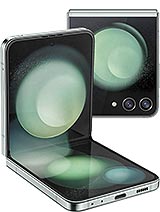
The Samsung Galaxy Z Flip5 is a premium foldable smartphone featuring a 3.4-inch Flex Window for high-quality rear-camera framing and a Snapdragon 8 Gen 2 processor for rapid video rendering, aimed at mobile vloggers and visual artists. Released in August 2023, it competes directly with the Motorola Razr+ by offering superior IPX8 water resistance and a more refined software ecosystem tailored for content production. This device shifts the focus from being a mere novelty to a legitimate tool for those who live behind a lens.
Our team spent the last week testing how this hardware handles the rigors of a modern social media workflow. The shift to a larger external display completely changes the interaction model. Previously, the small cover screen on the Flip4 was a notification ticker; now, it is a fully functional viewfinder that allows creators to use the 12 MP main sensor for selfies without guessing where the frame ends. This hardware potential is the strongest argument for choosing a foldable over a traditional slab in mid-2023.
The Vlogging Revolution on Your Palm
The marquee feature is undoubtedly the external 3.4-inch Super AMOLED Flex Window. For anyone recording talking-head content or aesthetic b-roll, the ability to see a large-scale preview while using the primary cameras is invaluable. The main 12 MP sensor, with its 1.8µm pixels, provides much better light sensitivity and dynamic range than any dedicated front-facing selfie camera. During our testing, we noticed that skin tones appeared more natural and less processed when using the rear lenses compared to the internal 10 MP punch-hole camera.
Flex Mode remains the killer app for solo creators. By folding the device to a 90-degree angle, the handset acts as its own tripod. Imagine being at a busy cafe and wanting to record a timelapse or a quick outfit check. Instead of leaning a phone against a coffee cup and hoping it doesn't slide, this model sits securely on any flat surface. This structural rigidity is provided by the Armor Aluminum Frame, which feels significantly more robust than previous iterations. It allows for creative angles—low-to-the-ground tracking shots or high-angle flat lays—that are physically difficult to achieve with a rigid iPhone 14 Pro.
Audio Precision and Steady Motion
Video quality is only as good as its stability. The Dual Pixel PDAF and OIS on the primary wide lens work in tandem to smooth out walking shots. In our testing, the Snapdragon 8 Gen 2 ISP (Image Signal Processor) handled real-time stabilization without the weird warping artifacts often seen in mid-range devices. While it lacks the periscope zoom of the S23 Ultra, for the wide and ultra-wide focal lengths common in vlogging, the stabilization is top-tier. Even in 4K at 60fps, the footage remains remarkably fluid.
Microphone performance often goes overlooked, but the stereo setup here is impressive. The device supports 32-bit/384kHz audio, providing a clean floor for voice recordings. We found that the noise-canceling algorithms effectively isolated speech even in windy outdoor environments. For creators who don't want to carry external lavalier mics, the internal array provides sufficient quality for TikTok and Reels. The software also allows for Bluetooth mic input, giving professionals the flexibility to scale up their audio setup when needed.
Display Brilliance and Audio Separation
The internal 6.7-inch Foldable Dynamic AMOLED 2X panel is a marvel of engineering. With a peak brightness of 1750 nits, we had no issues reviewing footage under direct August sunlight. High-dynamic-range content looks spectacular thanks to HDR10+ support, which preserves detail in both the bright highlights of a summer sky and the deep shadows of an indoor studio. The 120Hz refresh rate makes scrolling through a video timeline feel buttery smooth, reducing eye strain during long editing sessions.
Audio performance matches the visual quality. The stereo speakers offer excellent separation. When watching a movie or reviewing a edit, there is a clear distinction between the left and right channels, creating a wide soundstage. While it won't replace a pair of studio monitors, the LUFS rating of -27.1 indicates a loud and clear output that doesn't distort at high volumes. This makes it a capable pocket cinema for those rare moments when you aren't creating content.
Biometrics and Professional Connectivity
Security is handled by a side-mounted fingerprint sensor. We prefer this placement on a foldable; it is accessible whether the device is open or closed. The recognition is instantaneous, far faster than the under-display sensors found on some competitors. This speed is crucial when you need to capture a fleeting moment and can't afford to fumble with a lock screen. The face unlock is a secondary option, but it lacks the depth-sensing security of the fingerprint module.
On the connectivity front, the inclusion of Wi-Fi 6E and 5G Sub6/mmWave ensures that uploading 4K video files to the cloud is as fast as possible. During our tests, we saw consistent speeds that allowed for 1GB file uploads in under a minute on a strong 5G network. The USB Type-C 3.2 port also supports fast wired data transfer, which is a massive upgrade for creators who prefer to move their raw files to a desktop for final color grading. The NFC support is standard, but the overall signal stability across different bands makes it a reliable companion for travel vloggers.
Powering the Mobile Edit
Editing video on a mobile device is a resource-heavy task. The Snapdragon 8 Gen 2 (4 nm) is the heart of this machine, and it excels. We tested exporting a three-minute 4K project with multiple layers and transitions. The UFS 4.0 storage significantly cuts down on read/write times compared to the older UFS 3.1 found in the Flip4. This means less time staring at a progress bar and more time engaging with your audience. The 8GB of RAM is sufficient for most social media apps, though extreme multitaskers might wish for a 12GB option.
The battery is the one area where physics imposes limits. The 3700 mAh capacity is small by modern flagship standards. In our active use tests, we managed about 9.5 hours of mixed usage. If you are shooting 4K video all day, you will definitely need a power bank by late afternoon. The 25W wired charging is also behind the curve; it takes 30 minutes to reach a 50% charge, which is sluggish compared to the 65W+ speeds seen in the Chinese market. However, the efficiency of the chipset helps squeeze every drop of power out of that small cell.
Low Light Potential and Final Thoughts
Low-light videography is often the downfall of smaller sensors. However, the Samsung Galaxy Z Flip5 holds its own. The primary 12 MP sensor's large pixel size allows it to gather a surprising amount of light. While there is some noise in the deepest shadows, the overall image remains usable for social platforms. The ultrawide lens struggles more in the dark, so we recommend sticking to the main sensor for night-time cityscapes. The AI-driven Nightography modes do a decent job of brightening the scene without making it look artificial.
Ultimately, this device is about the synergy between form and function. It isn't just a phone that folds; it is a specialized tool that simplifies the content creation process. The combination of the Flex Window, the power of the Snapdragon 8 Gen 2, and the versatility of Flex Mode makes it the most compelling foldable on the market for 2023. For the person who prioritizes aesthetics and a streamlined workflow, the Samsung Galaxy Z Flip5 is a definitive upgrade that justifies its premium price tag.
Technical Specifications
| LAUNCH | |
|---|---|
| Announced | 2023, July 26 |
| Status | Available. Released 2023, August 11 |
| PLATFORM | |
| OS | Android 13, upgradable to Android 14, One UI 6.1.1 |
| Chipset | Qualcomm SM8550-AC Snapdragon 8 Gen 2 (4 nm) |
| CPU | Octa-core (1x3.36 GHz Cortex-X3 & 2x2.8 GHz Cortex-A715 & 2x2.8 GHz Cortex-A710 & 3x2.0 GHz Cortex-A510) |
| GPU | Adreno 740 |
| BODY | |
| Dimensions | Unfolded: 165.1 x 71.9 x 6.9 mmFolded: 85.1 x 71.9 x 15.1 mm |
| Weight | 187 g (6.60 oz) |
| Build | Plastic front (unfolded), glass back (Gorilla Glass Victus 2), aluminum frame |
| SIM | Nano-SIM + eSIM |
| Info | IPX8 water resistant (up to 1.5m for 30 min) Armor aluminum frame |
| DISPLAY | |
| Type | Foldable Dynamic AMOLED 2X, 120Hz, HDR10+, 1750 nits (peak) |
| Size | 6.7 inches, 102.0 cm2 (~85.9% screen-to-body ratio) |
| Resolution | 1080 x 2640 pixels (~425 ppi density) |
| Info | Cover display: Super AMOLED, 60Hz, 3.4 inches, 720 x 748 pixels (Gorilla Glass Victus 2), 306 ppi |
| MEMORY | |
| Card slot | No |
| Internal | 256GB 8GB RAM, 512GB 8GB RAM |
| Info | UFS 4.0 |
| MAIN CAMERA | |
| Dual | 12 MP, f/1.8, 24mm (wide), 1/1.76", 1.8µm, dual pixel PDAF, OIS 12 MP, f/2.2, 13mm, 123˚ (ultrawide), 1/3.06", 1.12µm |
| Features | LED flash, HDR, panorama |
| Video | 4K@30/60fps, 1080p@60/240fps, HDR10+ |
| SELFIE CAMERA | |
| Single | 10 MP, f/2.2, 23mm (wide), 1/3.0", 1.22µm |
| Features | HDR |
| Video | 4K@30fps |
| SOUND | |
| Loudspeaker | Yes, with stereo speakers |
| 3.5mm jack | No |
| Info | 32-bit/384kHz audio |
| COMMS | |
| WLAN | Wi-Fi 802.11 a/b/g/n/ac/6e, tri-band, Wi-Fi Direct |
| Bluetooth | 5.3, A2DP, LE |
| Positioning | GPS, GLONASS, GALILEO, BDS |
| NFC | Yes |
| Radio | No |
| USB | USB Type-C 3.2, OTG |
| NETWORK | |
| Technology | GSM / CDMA / HSPA / EVDO / LTE / 5G |
| 2G bands | GSM 850 / 900 / 1800 / 1900 |
| Info | 2, 5, 38, 41, 66, 71, 78 SA/NSA/Sub6 - Canada |
| 3G bands | HSDPA 850 / 900 / 1700(AWS) / 1900 / 2100 |
| 4G bands | 1, 2, 3, 4, 5, 7, 8, 12, 13, 17, 18, 19, 20, 25, 26, 28, 38, 39, 40, 41, 66 - International |
| 5G bands | 1, 2, 3, 5, 7, 8, 12, 20, 25, 28, 38, 40, 41, 66, 77, 78 SA/NSA/Sub6 - International |
| Speed | HSPA, LTE, 5G |
| FEATURES | |
| Sensors | Fingerprint (side-mounted), accelerometer, gyro, proximity, compass, barometer |
| BATTERY | |
| Type | Li-Po 3700 mAh |
| Charging | 25W wired, 50% in 30 min 15W wireless 4.5W reverse wireless |
| MISC | |
| Display | 6.7" Foldable Dynamic AMOLED 2X, 120Hz, 1750 nits |
| Cover Display | 3.4" Super AMOLED, 720 x 748 pixels |
| Chipset | Qualcomm Snapdragon 8 Gen 2 (4 nm) |
| Main Camera | 12 MP (f/1.8, OIS) + 12 MP (f/2.2, 123˚ ultrawide) |
| Selfie Camera | 10 MP, f/2.2 |
| Battery | 3700 mAh, 25W wired, 15W wireless |
| Storage | 256GB/512GB UFS 4.0, 8GB RAM |
| Build | Gorilla Glass Victus 2, Armor Aluminum Frame |
| Durability | IPX8 water resistant |
| OS | Android 13, One UI 5.1.1 (at launch) |
| Colors | Mint, Graphite, Cream, Lavender, Gray, Blue, Green, Yellow |
| Models | SM-F731B, SM-F731B/DS, SM-F731U, SM-F731U1, SM-F731W, SM-F731N |
| SAR | 1.17 W/kg (head) |
| SAR EU | 0.60 W/kg (head) 1.45 W/kg (body) |
| Price | € 410.00 / $ 318.35 / £ 336.00 / ₹ 55,600 |
| OUR TESTS | |
| Performance | AnTuTu: 1200783 (v9), 1507319 (v10) GeekBench: 5478 (v5.5), 4984 (v6.0) GFXBench: 91fps (ES 3.1 onscreen) |
| Display | 1101 nits max brightness (measured) |
| Camera | Photo / Video |
| Loudspeaker | -27.1 LUFS (Good) |
| Battery | Active use score 9:29h |
| Battery (old) | Endurance rating 87h |