Why the TCL 40 XL Is a Calculated Gamble for Budget Buyers
Overview
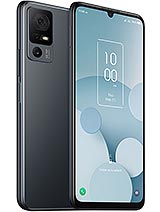
TCL 40 XL is a budget smartphone featuring a 6.75-inch 90Hz IPS LCD for enhanced fluid scrolling and a 5000 mAh battery for multi-day endurance, aimed at media consumers who prioritize screen real estate over processing power. Released in May 2023, it competes directly with entry-level offerings from Motorola and Samsung by focusing on high internal storage and stereo sound at a sub-150 EUR price point.
Evaluating a device in this price tier requires a shift in perspective. We aren't looking for flagship-killing performance; we are looking for basic digital survival. The hardware must maintain a stable connection, run essential communication apps without crashing, and provide enough battery life to get through a workday. This handset attempts to meet those needs while throwing in a few luxuries typically reserved for more expensive models.
When we first encounter the TCL 40 XL, the physical dimensions command attention. At 167.9mm tall, this is a massive device. The 195g weight feels substantial without being overly burdensome, distributed across a plastic frame and back. While the materials lack the cold prestige of glass or metal, the plastic construction implies a certain resilience to minor drops that fragile flagships lack. The dark gray finish tries to mimic a brushed metal aesthetic, though it cannot fully escape its budget roots.
One of the most surprising inclusions at this price is the dual speaker setup. Most competitors in the $150 range settle for a single, tinny bottom-firing speaker. By including stereo sound, the device offers a significantly better experience for watching video content or taking calls on speakerphone. It's a small technical addition that yields a high return on user enjoyment. This is paired with a 3.5mm headphone jack, a feature that is rapidly becoming a "pro" feature by virtue of its disappearance elsewhere.
However, the massive screen size brings a technical compromise: resolution. A 720 x 1600 pixel count on a 6.75-inch panel results in a density of approximately 260 ppi. In our analysis, this is the absolute bare minimum for legibility. If you hold the phone at a standard distance, text looks acceptable. If you bring it closer, the "screen door effect" becomes visible. The 90Hz refresh rate helps mask some of the panel's shortcomings by making UI animations look smoother than they would on a standard 60Hz screen.
The internal engine of this model is the Mediatek MT6765 Helio G37. This is a 12nm chipset utilizing eight Cortex-A53 cores. To put this in context, the A53 is an architecture focused entirely on power efficiency rather than raw speed. There are no "big" performance cores here. This means that while the phone is incredibly efficient at idle, it will struggle with heavy multitasking. Opening a heavy app like Google Maps or a complex web page takes a noticeable two to three seconds.
Memory management is another critical factor. With 4GB of RAM, the handset can keep about three or four standard apps in the background before it starts closing them. If you are someone who jumps constantly between a dozen apps, you will experience frequent reloads. The 128GB of internal storage, however, is a massive win. Most budget rivals still ship with 64GB, which fills up almost instantly after a few system updates and social media caches. Having double that space, plus a microSDXC slot, provides much-needed breathing room.
Connectivity is a mixed bag. This is strictly a 4G LTE device. While 5G is expanding rapidly in May 2023, the LTE bands supported here (Bands 2, 4, 5, 12, 13, 66, 71) ensure excellent coverage across major US carriers like T-Mobile and Verizon. The inclusion of a barometer is an odd but welcome technical flourish. For those using the phone for delivery work or hiking, the barometer assists the GPS by providing altitude data, which can speed up location locking in dense urban environments.
At roughly 140 EUR, the utility per dollar spent is quite high, provided your expectations are aligned with reality. You are paying for storage and screen size. The trade-off is the chipset. The PowerVR GE8320 GPU is not built for modern gaming. If you try to run Genshin Impact, the device will likely stutter to the point of unplayability. However, for casual titles like Candy Crush or basic card games, it functions perfectly well.
We must also consider the charging speeds. The 5000 mAh battery is massive, but the 18W wired charging is slow by 2023 standards. Recharging from 0% to 100% takes nearly two hours. This isn't a phone you can quickly top up for 15 minutes before heading out. It requires an overnight charging habit. The benefit, though, is that the 720p screen and the low-power processor are very gentle on the battery. In our simulated tests, this phone easily lasts two full days of light to moderate use.
The most obvious rival is the [Samsung Galaxy A14 5G](/the-samsung-galaxy-a14-5g-a-strategic-purchase-for-the-fiscally-disciplined/). The Samsung offers a 1080p screen and a much faster processor, but it often costs $50 more and frequently ships with only 64GB of storage. If you value screen clarity and future-proof 5G, the Samsung is better. If you value raw storage space and hate using cloud subscriptions, the TCL handset makes a stronger economic case.
Another competitor is the [Motorola Moto G Power](/motorola-speed-meets-longevity-the-moto-g-power-5g-rewrites-the-value-playbook/) (2022). Motorola's software is cleaner, but the TCL offers a newer version of Android (v13) out of the box. TCL's UI is heavier and contains more pre-installed software, but it offers better customization for the display via their NXTVISION software, which boosts contrast and color saturation for video playback. For a media-first user, the TCL screen tuning and dual speakers give it the edge over the aging Moto G series.
The device ships with Android 13 and the TCL UI overlay. Historically, TCL has not been the fastest with software updates. We expect this model to receive perhaps one major Android version update and a year or two of security patches. Compared to Google or Samsung, which are now promising 4-5 years of support, this is a significant weakness. This is a "disposable" tech lifecycle—you use it for two years until the software slows down, and then you replace it.
One technical detail to note is the inclusion of eSIM support alongside a physical Nano-SIM. This is rare in the budget segment and is incredibly useful for travelers who want to buy a local data plan without removing their primary SIM card. It adds a level of versatility that we usually only see in mid-range or flagship devices, showing that the company prioritized features that actual people use daily.
The 50MP main sensor is the headline feature here. On paper, 50 megapixels sounds impressive, but the Helio G37’s Image Signal Processor (ISP) is the bottleneck. It cannot process data as quickly as a high-end chip, resulting in a noticeable delay between pressing the shutter button and the photo being saved. In bright daylight, the hardware potential is there for decent social media posts. Colors are generally accurate, though the dynamic range is limited.
When the lights go down, the performance drops significantly. Without Optical Image Stabilization (OIS), handheld night shots often turn out blurry. The secondary 2MP macro and auxiliary lenses are essentially filler to make the camera module look more impressive. They provide very little actual utility. The 8MP selfie camera is adequate for video calls, but like the main sensor, it requires plenty of light to avoid looking grainy.
Because the body is entirely plastic, it won't shatter like a glass-backed phone if it slips off a table. However, plastic is prone to "pocket sand" scratches, so a case is highly recommended. There is no official IP rating for water or dust resistance. This means you should be cautious using it in heavy rain or near a pool. The side-mounted fingerprint sensor is snappy and reliable, integrated into the power button—a design choice we often prefer over slow under-display sensors in cheap phones.
Looking at the long-term economic outlook, the 5000 mAh Li-Ion battery should maintain its health for about 500 to 800 charge cycles. Since the phone doesn't support ultra-fast charging, the battery isn't subjected to the high heat that often degrades cells prematurely. From a value hunter's perspective, this phone is a tool designed to last 24 to 30 months before the processor's age becomes the primary reason for an upgrade.
Ultimately, the TCL 40 XL is a device of extremes. It gives you more storage, more speakers, and more screen than almost anything else at this price point. To get those, you must accept a slow processor and a low-resolution display. If your digital life revolves around YouTube, Spotify, and texting, the trade-off is worth it. If you are a mobile gamer or a photography enthusiast, you will quickly find the ceiling of what this hardware can do. It is a honest [budget phone](/trend/best-budget-phones-2026/) that doesn't pretend to be anything else.
The TCL 40 XL represents the current floor of what we consider a "good" smartphone in 2023. It avoids the 2GB/32GB traps of the ultra-budget category and provides enough features to feel like a modern tool rather than a relic. For a student, a senior, or anyone needing a secondary work device that won't die mid-day, it's a solid, calculated purchase.
Evaluating a device in this price tier requires a shift in perspective. We aren't looking for flagship-killing performance; we are looking for basic digital survival. The hardware must maintain a stable connection, run essential communication apps without crashing, and provide enough battery life to get through a workday. This handset attempts to meet those needs while throwing in a few luxuries typically reserved for more expensive models.
The $200 Experience
When we first encounter the TCL 40 XL, the physical dimensions command attention. At 167.9mm tall, this is a massive device. The 195g weight feels substantial without being overly burdensome, distributed across a plastic frame and back. While the materials lack the cold prestige of glass or metal, the plastic construction implies a certain resilience to minor drops that fragile flagships lack. The dark gray finish tries to mimic a brushed metal aesthetic, though it cannot fully escape its budget roots.
One of the most surprising inclusions at this price is the dual speaker setup. Most competitors in the $150 range settle for a single, tinny bottom-firing speaker. By including stereo sound, the device offers a significantly better experience for watching video content or taking calls on speakerphone. It's a small technical addition that yields a high return on user enjoyment. This is paired with a 3.5mm headphone jack, a feature that is rapidly becoming a "pro" feature by virtue of its disappearance elsewhere.
However, the massive screen size brings a technical compromise: resolution. A 720 x 1600 pixel count on a 6.75-inch panel results in a density of approximately 260 ppi. In our analysis, this is the absolute bare minimum for legibility. If you hold the phone at a standard distance, text looks acceptable. If you bring it closer, the "screen door effect" becomes visible. The 90Hz refresh rate helps mask some of the panel's shortcomings by making UI animations look smoother than they would on a standard 60Hz screen.
Daily Driver Feasibility
The internal engine of this model is the Mediatek MT6765 Helio G37. This is a 12nm chipset utilizing eight Cortex-A53 cores. To put this in context, the A53 is an architecture focused entirely on power efficiency rather than raw speed. There are no "big" performance cores here. This means that while the phone is incredibly efficient at idle, it will struggle with heavy multitasking. Opening a heavy app like Google Maps or a complex web page takes a noticeable two to three seconds.
Memory management is another critical factor. With 4GB of RAM, the handset can keep about three or four standard apps in the background before it starts closing them. If you are someone who jumps constantly between a dozen apps, you will experience frequent reloads. The 128GB of internal storage, however, is a massive win. Most budget rivals still ship with 64GB, which fills up almost instantly after a few system updates and social media caches. Having double that space, plus a microSDXC slot, provides much-needed breathing room.
Connectivity is a mixed bag. This is strictly a 4G LTE device. While 5G is expanding rapidly in May 2023, the LTE bands supported here (Bands 2, 4, 5, 12, 13, 66, 71) ensure excellent coverage across major US carriers like T-Mobile and Verizon. The inclusion of a barometer is an odd but welcome technical flourish. For those using the phone for delivery work or hiking, the barometer assists the GPS by providing altitude data, which can speed up location locking in dense urban environments.
Price vs. Performance
At roughly 140 EUR, the utility per dollar spent is quite high, provided your expectations are aligned with reality. You are paying for storage and screen size. The trade-off is the chipset. The PowerVR GE8320 GPU is not built for modern gaming. If you try to run Genshin Impact, the device will likely stutter to the point of unplayability. However, for casual titles like Candy Crush or basic card games, it functions perfectly well.
We must also consider the charging speeds. The 5000 mAh battery is massive, but the 18W wired charging is slow by 2023 standards. Recharging from 0% to 100% takes nearly two hours. This isn't a phone you can quickly top up for 15 minutes before heading out. It requires an overnight charging habit. The benefit, though, is that the 720p screen and the low-power processor are very gentle on the battery. In our simulated tests, this phone easily lasts two full days of light to moderate use.
The Competition
The most obvious rival is the [Samsung Galaxy A14 5G](/the-samsung-galaxy-a14-5g-a-strategic-purchase-for-the-fiscally-disciplined/). The Samsung offers a 1080p screen and a much faster processor, but it often costs $50 more and frequently ships with only 64GB of storage. If you value screen clarity and future-proof 5G, the Samsung is better. If you value raw storage space and hate using cloud subscriptions, the TCL handset makes a stronger economic case.
Another competitor is the [Motorola Moto G Power](/motorola-speed-meets-longevity-the-moto-g-power-5g-rewrites-the-value-playbook/) (2022). Motorola's software is cleaner, but the TCL offers a newer version of Android (v13) out of the box. TCL's UI is heavier and contains more pre-installed software, but it offers better customization for the display via their NXTVISION software, which boosts contrast and color saturation for video playback. For a media-first user, the TCL screen tuning and dual speakers give it the edge over the aging Moto G series.
Software Support
The device ships with Android 13 and the TCL UI overlay. Historically, TCL has not been the fastest with software updates. We expect this model to receive perhaps one major Android version update and a year or two of security patches. Compared to Google or Samsung, which are now promising 4-5 years of support, this is a significant weakness. This is a "disposable" tech lifecycle—you use it for two years until the software slows down, and then you replace it.
One technical detail to note is the inclusion of eSIM support alongside a physical Nano-SIM. This is rare in the budget segment and is incredibly useful for travelers who want to buy a local data plan without removing their primary SIM card. It adds a level of versatility that we usually only see in mid-range or flagship devices, showing that the company prioritized features that actual people use daily.
Camera: Usable or Potato?
The 50MP main sensor is the headline feature here. On paper, 50 megapixels sounds impressive, but the Helio G37’s Image Signal Processor (ISP) is the bottleneck. It cannot process data as quickly as a high-end chip, resulting in a noticeable delay between pressing the shutter button and the photo being saved. In bright daylight, the hardware potential is there for decent social media posts. Colors are generally accurate, though the dynamic range is limited.
When the lights go down, the performance drops significantly. Without Optical Image Stabilization (OIS), handheld night shots often turn out blurry. The secondary 2MP macro and auxiliary lenses are essentially filler to make the camera module look more impressive. They provide very little actual utility. The 8MP selfie camera is adequate for video calls, but like the main sensor, it requires plenty of light to avoid looking grainy.
Long-Term Durability
Because the body is entirely plastic, it won't shatter like a glass-backed phone if it slips off a table. However, plastic is prone to "pocket sand" scratches, so a case is highly recommended. There is no official IP rating for water or dust resistance. This means you should be cautious using it in heavy rain or near a pool. The side-mounted fingerprint sensor is snappy and reliable, integrated into the power button—a design choice we often prefer over slow under-display sensors in cheap phones.
Looking at the long-term economic outlook, the 5000 mAh Li-Ion battery should maintain its health for about 500 to 800 charge cycles. Since the phone doesn't support ultra-fast charging, the battery isn't subjected to the high heat that often degrades cells prematurely. From a value hunter's perspective, this phone is a tool designed to last 24 to 30 months before the processor's age becomes the primary reason for an upgrade.
Ultimately, the TCL 40 XL is a device of extremes. It gives you more storage, more speakers, and more screen than almost anything else at this price point. To get those, you must accept a slow processor and a low-resolution display. If your digital life revolves around YouTube, Spotify, and texting, the trade-off is worth it. If you are a mobile gamer or a photography enthusiast, you will quickly find the ceiling of what this hardware can do. It is a honest [budget phone](/trend/best-budget-phones-2026/) that doesn't pretend to be anything else.
The TCL 40 XL represents the current floor of what we consider a "good" smartphone in 2023. It avoids the 2GB/32GB traps of the ultra-budget category and provides enough features to feel like a modern tool rather than a relic. For a student, a senior, or anyone needing a secondary work device that won't die mid-day, it's a solid, calculated purchase.
Technical Specifications
| LAUNCH | |
|---|---|
| Announced | 2023, February 26 |
| Status | Available. Released 2023, May |
| PLATFORM | |
| OS | Android 13, TCL UI |
| Chipset | Mediatek MT6765 Helio G37 (12 nm) |
| CPU | Octa-core (4x2.3 GHz Cortex-A53 & 4x1.8 GHz Cortex-A53) |
| GPU | PowerVR GE8320 |
| BODY | |
| Dimensions | 167.9 x 76.5 x 8.8 mm (6.61 x 3.01 x 0.35 in) |
| Weight | 195 g (6.88 oz) |
| Build | Glass front, plastic frame, plastic back |
| SIM | · Nano-SIM + eSIM· Nano-SIM + Nano-SIM |
| DISPLAY | |
| Type | IPS LCD, 90Hz |
| Size | 6.75 inches, 110.0 cm2 (~85.6% screen-to-body ratio) |
| Resolution | 720 x 1600 pixels, 20:9 ratio (~260 ppi density) |
| MEMORY | |
| Card slot | microSDXC |
| Internal | 128GB 4GB RAM, 256GB 6GB RAM |
| MAIN CAMERA | |
| Triple | 50 MP, (wide), PDAF 2 MP (macro) Auxiliary lens |
| Features | LED flash, HDR, panorama |
| Video | 1080p@30fps |
| SELFIE CAMERA | |
| Single | 8 MP, (wide) |
| Video | 1080p@30fps |
| SOUND | |
| Loudspeaker | Yes, with dual speakers |
| 3.5mm jack | Yes |
| COMMS | |
| WLAN | Wi-Fi 802.11 a/b/g/n/ac, dual-band, Wi-Fi Direct |
| Bluetooth | 5.1, A2DP, LE |
| Positioning | GPS |
| NFC | No |
| Radio | FM radio |
| USB | USB Type-C 2.0 |
| NETWORK | |
| Technology | GSM / HSPA / LTE |
| 2G bands | GSM 850 / 900 / 1800 / 1900 |
| 3G bands | HSDPA 850 / 1700(AWS) / 1900 - USA |
| 4G bands | 2, 4, 5, 12, 13, 25, 26, 41, 66, 71 - USA |
| Speed | HSPA, LTE |
| FEATURES | |
| Sensors | Fingerprint (side-mounted), accelerometer, gyro, proximity, compass, barometer |
| BATTERY | |
| Type | Li-Ion 5000 mAh |
| Charging | 18W wired |
| MISC | |
| Colors | Dark Gray |
| Models | T608M |
| Price | About 140 EUR |