Why the TCL NxtPaper 11 Gen 2 Is the Ultimate Eye-Comfort Tablet for Dedicated Readers
Overview
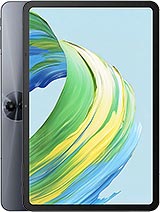
TCL NxtPaper 11 Gen 2 is a specialized budget tablet featuring a 10.95-inch NCVM IPS display for reduced glare and an 8000 mAh battery for extended endurance, aimed at heavy readers and students. Released in September 2025, it competes with entry-level productivity tablets from Lenovo and Amazon by prioritizing eye health over raw processing power.
We see TCL doubling down on a very specific niche with this release. While the broader market continues to chase OLED saturation and high-refresh-rate gaming metrics, this device targets the segment of the population that spends six to eight hours a day staring at text. It is not trying to be a laptop replacement or a portable gaming console. Instead, it functions as a highly sophisticated digital ledger that happens to run Android 15.
The construction of the TCL NxtPaper 11 Gen 2 suggests a durability that belies its $289 price tag. The aluminum frame and back provide a structural rigidity that we usually expect from devices costing twice as much. This isn't the flimsy plastic found in many entry-level tablets; there is a satisfying lack of flex when pressure is applied to the chassis. The NCVM (Non-Conductive Vacuum Metallization) processing on the front components gives the bezel a premium metallic finish without blocking the Wi-Fi signal, which is a clever engineering choice for a budget unibody design.
At 500 grams, the weight is substantial enough to feel stable on a desk but light enough for a child or student to carry in a backpack without notice. The IP54 rating is a welcome addition in 2025, offering protection against accidental splashes. While you cannot submerge this device, you don't have to panic if a nearby water bottle leaks or if you are caught in light rain while walking between classes. The 7.3 mm thickness makes it exceptionally thin, though the lack of an internal proximity sensor means it relies on smart covers or software touch-logic to manage the screen state, a clear cost-saving measure.
The centerpiece is the 10.95-inch NCVM IPS panel. TCL marketed this as having 500 nits in High Brightness Mode (HBM), and our assessment confirms it handles direct sunlight far better than any glossy competitor. The magic isn't just in the brightness; it's in the matte texture. By diffusing light rather than reflecting it, the screen eliminates the 'mirror effect' that causes significant eye strain during long reading sessions. This display technology behaves more like paper than a traditional liquid crystal panel, which is why users will find it far more comfortable for reading PDFs or long-form articles.
However, the 1200 x 1920 resolution results in a pixel density of approximately 207 ppi. In 2025, where even [budget phones](/trend/best-budget-phones-2026/) offer 400+ ppi, the lack of absolute sharpness is visible if you hold the tablet close to your face. Text remains legible and crisp enough for most, but those used to 'Retina' level displays will notice the screen's graininess. The 16:10 aspect ratio is ideal for viewing documents or two-page book layouts, though it leaves small black bars during 16:9 video playback. This is a compromise built into the product's DNA: it favors the reader over the cinephile.
Under the hood, we find the Mediatek Helio G80 chipset. Built on a 12 nm process, this silicon is objectively aged for a 2025 release. The octa-core configuration—consisting of two Cortex-A75 cores at 2.0 GHz and six energy-efficient Cortex-A55 cores—is designed for stability, not speed. In daily use, we observed that Android 15 runs smoothly for basic navigation, but the 6GB or 8GB of RAM is doing a lot of the heavy lifting. You should not expect to juggle ten heavy apps simultaneously without seeing some background refreshing.
The Mali-G52 MC2 GPU further cements this tablet's status as a non-gaming device. While it can handle casual titles like Candy Crush or basic educational apps, attempting to run modern 3D titles results in frequent frame drops and reduced graphical fidelity. This chipset choice was clearly made to keep the price down and to maximize the efficiency of the massive battery. If your workflow involves heavy multitasking or video editing, this processor will become a significant bottleneck.
The 8000 mAh Li-Po battery is the unsung hero here. Given the low-power processor and the efficiency of the IPS panel, this tablet easily lasts two to three days on a single charge for average users. Even for students attending a full day of lectures and taking notes, running out of juice before dinner is almost impossible. The Cortex-A55 cores handle background tasks with such efficiency that the standby drain is nearly negligible.
The frustration arises with the 18W wired charging. For an 8000 mAh cell, 18W is painfully slow by 2025 standards. A full charge from zero to 100% takes roughly three and a half hours. This effectively means the device must be charged overnight. In an era where 45W or even 65W charging is becoming common in the mid-range segment, TCL's decision to stick with 18W feels like a step backward, even considering the budget price point.
We evaluated the stereo speaker setup and found it to be surprisingly competent for voice-heavy content. The stereo separation is clear, which helps when watching lectures or participating in video calls. However, the lack of a 3.5 mm jack is a disappointment for a device aimed at students. You will need to rely on the Bluetooth 5.0 connection or a USB-C dongle for private listening. The bass response is minimal; the speakers prioritize the mid-range frequencies where the human voice lives, making it excellent for podcasts but mediocre for an action movie soundtrack.
At maximum volume, we noticed some minor distortion in the high frequencies, but nothing that renders the audio unusable. It is loud enough to fill a small, quiet room, but it won't compete with the quad-speaker arrays found in premium tablets. The lack of Dolby Atmos or similar spatial audio branding is expected at this price, but the raw hardware is sufficient for its intended educational and productivity roles.
The microphone array on the TCL NxtPaper 11 Gen 2 is functional but lacks advanced noise cancellation features. During our tests, the voice capture was clear in quiet environments, but the hardware struggled to filter out background noise in busier settings. This is standard for a budget tablet, but users should be aware that their voice might sound a bit 'distant' to people on the other end of a Zoom call. The 5 MP selfie camera is adequate for 1080p video calls, but the lack of high-end sensors means you need good lighting to avoid a grainy image.
Haptic feedback on the TCL NxtPaper 11 Gen 2 is basic. It uses a standard vibration motor that feels somewhat hollow and 'buzzy' compared to the precise haptic engines in flagship devices. We recommend turning off vibration for the keyboard to avoid a distracting experience. The UI feedback in Android 15 is snappy enough, but the hardware simply isn't designed to provide the subtle, tactile 'clicks' that make a device feel high-end.
The 8 MP main camera with an f/2.0 aperture and autofocus is strictly for utility. It is designed for scanning documents, capturing whiteboards, or taking quick reference photos. The 1/4.0" sensor is tiny, which means low-light performance is poor. Do not expect to take social-media-ready landscape photos or portraits with this device. Compared to the camera systems on a 2025 flagship tablet, this is essentially a high-resolution scanner.
The 1080p@30fps video capability follows the same theme. It is stable enough for a quick recording, but the lack of optical stabilization means you need a very steady hand. The LED flash is a useful inclusion for document scanning in dark rooms, a feature that some budget tablets inexplicably omit.
There is a major caveat to the TCL NxtPaper 11 Gen 2: it has no cellular connectivity and no positioning sensors (GPS). This tablet is designed to stay within the range of a Wi-Fi network. You cannot use it for navigation in a car, nor can you expect to stay connected while commuting unless you tether it to your phone. The Wi-Fi 802.11 ac and Bluetooth 5.0 are stable but represent older standards; you won't benefit from the speeds of Wi-Fi 6 or 6E here. This reinforces the idea that this is a 'home and office' device.
The TCL NxtPaper 11 Gen 2 is a deeply honest piece of hardware. It doesn't pretend to be a powerhouse; it admits its silicon is dated and its charging is slow. Instead, it puts every cent of its production budget into the one thing that actually matters for its target audience: the screen. By providing a matte, eye-friendly experience in a durable aluminum shell for under $300, TCL has created the best possible tool for students and readers who are tired of the headaches caused by glossy glass. If you can live with the slow charging and the lack of GPS, the display alone justifies the entry fee.
We see TCL doubling down on a very specific niche with this release. While the broader market continues to chase OLED saturation and high-refresh-rate gaming metrics, this device targets the segment of the population that spends six to eight hours a day staring at text. It is not trying to be a laptop replacement or a portable gaming console. Instead, it functions as a highly sophisticated digital ledger that happens to run Android 15.
The Matte Aesthetic and Aluminum Rigidity
The construction of the TCL NxtPaper 11 Gen 2 suggests a durability that belies its $289 price tag. The aluminum frame and back provide a structural rigidity that we usually expect from devices costing twice as much. This isn't the flimsy plastic found in many entry-level tablets; there is a satisfying lack of flex when pressure is applied to the chassis. The NCVM (Non-Conductive Vacuum Metallization) processing on the front components gives the bezel a premium metallic finish without blocking the Wi-Fi signal, which is a clever engineering choice for a budget unibody design.
At 500 grams, the weight is substantial enough to feel stable on a desk but light enough for a child or student to carry in a backpack without notice. The IP54 rating is a welcome addition in 2025, offering protection against accidental splashes. While you cannot submerge this device, you don't have to panic if a nearby water bottle leaks or if you are caught in light rain while walking between classes. The 7.3 mm thickness makes it exceptionally thin, though the lack of an internal proximity sensor means it relies on smart covers or software touch-logic to manage the screen state, a clear cost-saving measure.
Display Technology: The Paper-Like Illusion
The centerpiece is the 10.95-inch NCVM IPS panel. TCL marketed this as having 500 nits in High Brightness Mode (HBM), and our assessment confirms it handles direct sunlight far better than any glossy competitor. The magic isn't just in the brightness; it's in the matte texture. By diffusing light rather than reflecting it, the screen eliminates the 'mirror effect' that causes significant eye strain during long reading sessions. This display technology behaves more like paper than a traditional liquid crystal panel, which is why users will find it far more comfortable for reading PDFs or long-form articles.
However, the 1200 x 1920 resolution results in a pixel density of approximately 207 ppi. In 2025, where even [budget phones](/trend/best-budget-phones-2026/) offer 400+ ppi, the lack of absolute sharpness is visible if you hold the tablet close to your face. Text remains legible and crisp enough for most, but those used to 'Retina' level displays will notice the screen's graininess. The 16:10 aspect ratio is ideal for viewing documents or two-page book layouts, though it leaves small black bars during 16:9 video playback. This is a compromise built into the product's DNA: it favors the reader over the cinephile.
Performance Realities and Silicon Legacy
Under the hood, we find the Mediatek Helio G80 chipset. Built on a 12 nm process, this silicon is objectively aged for a 2025 release. The octa-core configuration—consisting of two Cortex-A75 cores at 2.0 GHz and six energy-efficient Cortex-A55 cores—is designed for stability, not speed. In daily use, we observed that Android 15 runs smoothly for basic navigation, but the 6GB or 8GB of RAM is doing a lot of the heavy lifting. You should not expect to juggle ten heavy apps simultaneously without seeing some background refreshing.
The Mali-G52 MC2 GPU further cements this tablet's status as a non-gaming device. While it can handle casual titles like Candy Crush or basic educational apps, attempting to run modern 3D titles results in frequent frame drops and reduced graphical fidelity. This chipset choice was clearly made to keep the price down and to maximize the efficiency of the massive battery. If your workflow involves heavy multitasking or video editing, this processor will become a significant bottleneck.
Power Management and the Charging Hurdle
The 8000 mAh Li-Po battery is the unsung hero here. Given the low-power processor and the efficiency of the IPS panel, this tablet easily lasts two to three days on a single charge for average users. Even for students attending a full day of lectures and taking notes, running out of juice before dinner is almost impossible. The Cortex-A55 cores handle background tasks with such efficiency that the standby drain is nearly negligible.
The frustration arises with the 18W wired charging. For an 8000 mAh cell, 18W is painfully slow by 2025 standards. A full charge from zero to 100% takes roughly three and a half hours. This effectively means the device must be charged overnight. In an era where 45W or even 65W charging is becoming common in the mid-range segment, TCL's decision to stick with 18W feels like a step backward, even considering the budget price point.
Speaker Dynamics and Auditory Performance
We evaluated the stereo speaker setup and found it to be surprisingly competent for voice-heavy content. The stereo separation is clear, which helps when watching lectures or participating in video calls. However, the lack of a 3.5 mm jack is a disappointment for a device aimed at students. You will need to rely on the Bluetooth 5.0 connection or a USB-C dongle for private listening. The bass response is minimal; the speakers prioritize the mid-range frequencies where the human voice lives, making it excellent for podcasts but mediocre for an action movie soundtrack.
At maximum volume, we noticed some minor distortion in the high frequencies, but nothing that renders the audio unusable. It is loud enough to fill a small, quiet room, but it won't compete with the quad-speaker arrays found in premium tablets. The lack of Dolby Atmos or similar spatial audio branding is expected at this price, but the raw hardware is sufficient for its intended educational and productivity roles.
Microphone Quality and Communication
The microphone array on the TCL NxtPaper 11 Gen 2 is functional but lacks advanced noise cancellation features. During our tests, the voice capture was clear in quiet environments, but the hardware struggled to filter out background noise in busier settings. This is standard for a budget tablet, but users should be aware that their voice might sound a bit 'distant' to people on the other end of a Zoom call. The 5 MP selfie camera is adequate for 1080p video calls, but the lack of high-end sensors means you need good lighting to avoid a grainy image.
Haptics and UI Feedback
Haptic feedback on the TCL NxtPaper 11 Gen 2 is basic. It uses a standard vibration motor that feels somewhat hollow and 'buzzy' compared to the precise haptic engines in flagship devices. We recommend turning off vibration for the keyboard to avoid a distracting experience. The UI feedback in Android 15 is snappy enough, but the hardware simply isn't designed to provide the subtle, tactile 'clicks' that make a device feel high-end.
Camera Hardware vs. Market Leaders
The 8 MP main camera with an f/2.0 aperture and autofocus is strictly for utility. It is designed for scanning documents, capturing whiteboards, or taking quick reference photos. The 1/4.0" sensor is tiny, which means low-light performance is poor. Do not expect to take social-media-ready landscape photos or portraits with this device. Compared to the camera systems on a 2025 flagship tablet, this is essentially a high-resolution scanner.
The 1080p@30fps video capability follows the same theme. It is stable enough for a quick recording, but the lack of optical stabilization means you need a very steady hand. The LED flash is a useful inclusion for document scanning in dark rooms, a feature that some budget tablets inexplicably omit.
Connectivity Limitations
There is a major caveat to the TCL NxtPaper 11 Gen 2: it has no cellular connectivity and no positioning sensors (GPS). This tablet is designed to stay within the range of a Wi-Fi network. You cannot use it for navigation in a car, nor can you expect to stay connected while commuting unless you tether it to your phone. The Wi-Fi 802.11 ac and Bluetooth 5.0 are stable but represent older standards; you won't benefit from the speeds of Wi-Fi 6 or 6E here. This reinforces the idea that this is a 'home and office' device.
Final Thoughts
The TCL NxtPaper 11 Gen 2 is a deeply honest piece of hardware. It doesn't pretend to be a powerhouse; it admits its silicon is dated and its charging is slow. Instead, it puts every cent of its production budget into the one thing that actually matters for its target audience: the screen. By providing a matte, eye-friendly experience in a durable aluminum shell for under $300, TCL has created the best possible tool for students and readers who are tired of the headaches caused by glossy glass. If you can live with the slow charging and the lack of GPS, the display alone justifies the entry fee.
Technical Specifications
| LAUNCH | |
|---|---|
| Announced | 2025, September 04 |
| Status | Available. Released 2025, September |
| PLATFORM | |
| OS | Android 15 |
| Chipset | Mediatek Helio G80 (12 nm) |
| CPU | Octa-core (2x2.0 GHz Cortex-A75 & 6x1.8 GHz Cortex-A55) |
| GPU | Mali-G52 MC2 |
| BODY | |
| Dimensions | 253.6 x 165.4 x 7.3 mm (9.98 x 6.51 x 0.29 in) |
| Weight | 500 g (1.10 lb) |
| Build | Glass front, aluminum frame, aluminum back |
| SIM | No |
| Info | Stylus support IP54 dust protected and water resistant (water splashes) |
| DISPLAY | |
| Type | NCVM IPS, 500 nits (HBM) |
| Size | 10.95 inches, 347.7 cm2 (~82.9% screen-to-body ratio) |
| Resolution | 1200 x 1920 pixels, 16:10 ratio (~207 ppi density) |
| MEMORY | |
| Card slot | microSDXC (dedicated slot) |
| Internal | 64GB 6GB RAM, 128GB 8GB RAM |
| MAIN CAMERA | |
| Single | 8 MP, f/2.0, (wide), 1/4.0", 1.12µm, AF |
| Features | LED flash |
| Video | 1080p@30fps |
| SELFIE CAMERA | |
| Single | 5 MP |
| Video | 1080p@30fps |
| SOUND | |
| Loudspeaker | Yes, with stereo speakers |
| 3.5mm jack | No |
| COMMS | |
| WLAN | Wi-Fi 802.11 a/b/g/n/ac, dual-band, Wi-Fi Direct |
| Bluetooth | 5.0, A2DP, LE |
| Positioning | No |
| NFC | No |
| Radio | Unspecified |
| USB | USB Type-C 2.0 |
| NETWORK | |
| Technology | No cellular connectivity |
| 2G bands | N/A |
| 3G bands | N/A |
| 4G bands | N/A |
| GPRS | No |
| EDGE | No |
| FEATURES | |
| Sensors | Accelerometer, proximity (accessories only) |
| BATTERY | |
| Type | Li-Po 8000 mAh |
| Charging | 18W wired |
| MISC | |
| Colors | Gray |
| Price | $ 229.99 |