Why the TCL NxtPaper 11 Plus Is the Only Screen Your Eyes Can Trust
Overview
The Science Behind the Matte Finish
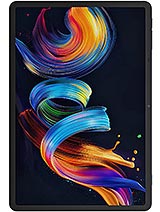
The TCL NxtPaper 11 Plus is a mid-range productivity tablet featuring NxtPaper technology for glare-free viewing and a Mediatek Helio G100 for daily efficiency, aimed at avid readers and note-takers. Released in May 2025, it competes with the Amazon Fire Max 11 and the base-model iPad in the educational and digital reading segments. The core identity of this device rests on its specialized display layer, which aims to bridge the gap between high-refresh-rate LCDs and the eye-comfort of E-Ink screens.
We see the NxtPaper technology as a direct response to the increasing rates of digital eye strain in 2025. Unlike traditional tablets that use high-gloss glass, this device uses a texture that mimics the tactile feel and visual properties of paper. The inclusion of Mohs level 7 protection is a significant engineering choice; it implies a surface that resists scratches from most common metal objects, a rarity in the mid-range tablet space where softer plastics or basic glass often prevail. This hardness, combined with the matte finish, ensures that the display remains legible under harsh overhead lighting where competitors become mirrors.
Does It Gimmick?
In our analysis, the 11.5-inch IPS LCD panel is the centerpiece, pushing a 1440 x 2200 pixels resolution. The 3:2 ratio is specifically tailored for document processing and vertical reading rather than wide-format video consumption. With a 120Hz refresh rate, the interface animations feel fluid, though users must distinguish between smooth scrolling and the processing power required for high-end tasks. The 550 nits (HBM) peak brightness allows for outdoor usage, particularly when the High Brightness Mode kicks in under direct sun. While typical tablets struggle with glare, the anti-reflective properties of the NxtPaper surface maintain contrast levels that standard LCDs lose when brightness is cranked up.
However, the lack of an OLED panel means black levels are not absolute. In dark room environments, the backlight remains visible, which is the trade-off for the specialized coating. For those reading PDFs or editing spreadsheets for four hours straight, the reduction in blue light emissions provides a tangible benefit that outweighs the lack of HDR-grade contrast found on more expensive flagship tablets. The hardware feels built for work and education rather than cinematic immersion.
Multitasking and RAM Management
Powering the experience is the Mediatek Helio G100, a 6nm chipset that utilizes a combination of Cortex-A76 and Cortex-A55 cores. The 2x2.2 GHz high-performance cores handle the heavy lifting for app launches and browser tabs. With options for 8GB or 12GB RAM, multitasking is respectable, allowing for several background apps to stay in memory. However, the use of eMMC 5.1 storage is a notable bottleneck in 2025. Unlike UFS storage, eMMC 5.1 has slower sequential read and write speeds, which means large file transfers or installing massive applications takes longer than it would on a device with modern storage standards.
When using split-screen mode for taking notes alongside a browser, the Mali-G57 MC2 GPU maintains stable performance. We noticed that while general navigation is snappy due to the 120Hz screen, the chipset occasionally shows its mid-range roots during heavy photo editing or when switching rapidly between resource-heavy applications. The 12GB RAM variant is the smarter choice for users who intend to keep this tablet for the long haul, as Android 15 and future updates will inevitably demand more memory for system background tasks.
The 33-Watt Power Equation
The 8000 mAh battery provides substantial endurance, rated for over 82 hours in standard usage scenarios. One of the most critical specs for 2025 longevity is the 1000 cycles rating. This indicates the battery chemistry is designed to maintain 80% health even after three years of daily charging, a significant improvement over the 500-800 cycle standards of the previous decade. For a device aimed at the education market, this durability ensures the tablet won't become a paperweight due to battery degradation before the student graduates.
Charging is handled via 33W wired PD, which is adequate but not industry-leading. For an 8000 mAh cell, a full charge takes nearly two hours. This is an area where the TCL NxtPaper 11 Plus feels standard rather than exceptional. There is no wireless charging, which is expected at this price point, but the inclusion of Power Delivery (PD) compatibility ensures that users can use a variety of third-party chargers without needing a proprietary block. The EU Label Energy Class F reflects the power draw required to maintain the high-refresh-rate display and the HBM brightness levels.
Connectivity and Environmental Resistance
The connectivity suite is purely Wi-Fi-based, supporting Wi-Fi 802.11 a/b/g/n/ac. In 2025, the absence of Wi-Fi 6 or 6E is a missed opportunity for future-proofing in dense office or school networks. However, for home use, the dual-band performance remains stable for 1080p streaming and large document downloads. Bluetooth 5.3 provides a reliable link for low-latency audio and the optional stylus, which we believe is essential for getting the most out of the paper-like screen texture.
Physical durability is bolstered by an IP54 rating. This signifies that the device is protected against dust ingress and water splashes. While it cannot be submerged, it survives accidental spills on a desk or usage in humid environments without risk. The 490g weight and 6.5mm thickness make it one of the thinner 11-inch tablets on the market, though the metal build implies a sturdy frame that won't flex easily under pressure. The EU Label Free fall Class E suggests the device can survive drops from desk height, but a protective case remains a logical accessory for younger users.
The Rest of the Tablet
The camera system consists of an 8 MP rear sensor and an 8 MP front-facing sensor. These are not designed for photography but for utility. The front camera is positioned for video calls in landscape orientation, which is the correct choice for a productivity-first device. Video recording is capped at 1080p@30fps, which is sufficient for scanning documents or quick video messages. We should note that the four speakers provide a decent stereo image, making it a capable device for attending remote lectures or casual media consumption.
One peculiar spec is the Proximity (Accessories only) sensor. This means the tablet lacks a built-in sensor to detect your face or pocket; instead, it relies on smart covers to trigger the screen-off function. While this keeps the bezel clean, it is a hardware compromise that users should be aware of. The software experience is built on Android 15, with TCL promising up to one major upgrade. This is on the lower end for 2025, meaning users will likely stay on Android 16 for the remainder of the device's lifecycle.
One-Feature Conclusion
The TCL NxtPaper 11 Plus is defined entirely by its display. If you find yourself fatigued by the harsh glow of traditional screens, this tablet offers a specialized solution that no other competitor in this price bracket provides. It sacrifices storage speed and cellular connectivity to deliver a visual experience that is genuinely comfortable for long-form reading and writing. While the Helio G100 isn't a gaming powerhouse, it serves the intended purpose of a focused, eye-friendly work tool.
Technical Specifications
| LAUNCH | |
|---|---|
| Announced | 2025, March 03 |
| Status | Available. Released 2025, May |
| PLATFORM | |
| OS | Android 15, up to 1 major Android upgrades |
| Chipset | Mediatek Helio G100 (6 nm) |
| CPU | Octa-core (2x2.2 GHz Cortex-A76 & 6x2.0 GHz Cortex-A55) |
| GPU | Mali-G57 MC2 |
| BODY | |
| Dimensions | 260.5 x 176.8 x 6.5 mm (10.26 x 6.96 x 0.26 in) |
| Weight | 490 g (1.08 lb) |
| SIM | No |
| Info | Stylus support IP54 dust protected and water resistant (water splashes) |
| DISPLAY | |
| Type | IPS LCD, 120Hz, 450 nits (typ), 550 nits (HBM) |
| Size | 11.5 inches, 391.0 cm2 (~84.9% screen-to-body ratio) |
| Resolution | 1440 x 2200 pixels, 3:2 ratio (~229 ppi density) |
| Protection | Mohs level 7 |
| Info | NxtPaper technology |
| MEMORY | |
| Card slot | Unspecified |
| Internal | 256GB 8GB RAM, 256GB 12GB RAM |
| Info | eMMC 5.1 |
| MAIN CAMERA | |
| Single | 8 MP, f/2.0, (wide), AF |
| Features | LED flash |
| Video | 1080p@30fps |
| SELFIE CAMERA | |
| Single | 8 MP |
| Video | 1080p@30fps |
| SOUND | |
| Loudspeaker | Yes, with dual speakers (4 speakers) |
| 3.5mm jack | No |
| COMMS | |
| WLAN | Wi-Fi 802.11 a/b/g/n/ac, dual-band |
| Bluetooth | 5.3, A2DP, LE |
| Positioning | GPS |
| NFC | No |
| Radio | Unspecified |
| USB | USB Type-C 2.0 |
| NETWORK | |
| Technology | No cellular connectivity |
| 2G bands | N/A |
| 3G bands | N/A |
| 4G bands | N/A |
| GPRS | No |
| EDGE | No |
| FEATURES | |
| Sensors | Accelerometer, proximity (accessories only) |
| BATTERY | |
| Type | Li-Po 8000 mAh |
| Charging | 33W wired, 33W PD |
| MISC | |
| Colors | Dark Gray |
| Models | 9469X |
| Price | $ 269.99 |
| EU LABEL | |
| Energy | Class F |
| Battery | 82:11h endurance, 1000 cycles |
| Free fall | Class E (14 falls) |
| Repairability | Class C |