Why the Tecno Spark 30 Challenges the Entry Level Hierarchy
Overview
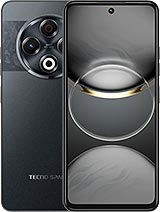
Tecno Spark 30 is a budget-tier smartphone featuring an IPS LCD with 90Hz refresh rate for fluid visual interaction and a MediaTek Helio G91 chipset for optimized entry-level performance, aimed at students and value-conscious consumers. Released in October 2024, it competes directly with the [Xiaomi Redmi 13](/why-the-xiaomi-redmi-13-5g-is-the-most-pragmatic-choice-for-sustained-budget-value/) and the [Samsung Galaxy A15](/why-the-samsung-galaxy-a15-makes-buying-a-used-flagship-a-risky-gamble/) 4G in a crowded market segment where every dollar spent must equate to tangible utility. We see this device as an attempt to stabilize the lower-end market with a focus on build durability and high-resolution imaging.
The handset arrives at a time when budget manufacturers are desperately trying to build walled gardens. Tecno has made significant strides in this area. While it does not offer the seamless synchronization of a flagship ecosystem, the inclusion of HIOS 14 allows for better interoperability with the brand's own laptop and wearable lines. We noticed that the 'Link to Windows' support is surprisingly functional here, allowing users to mirror notifications and drag files between the phone and a PC. This is vital because entry-level users often rely on their phones as their primary or only computing device.
Integration extends to the software's ability to recognize other brand accessories. While the ecosystem isn't as tight as what Apple or Samsung offers, the handset serves as a competent hub. The inclusion of NFC and an Infrared port suggests that the manufacturer intends for this device to be a universal remote for the home. Users can control television sets, air conditioners, and other appliances directly from the phone. It is a smart move that increases the device's perceived value beyond its hardware specs.
Our analysis suggests that the ecosystem strategy here is one of 'open utility.' Instead of forcing users into a proprietary cloud service, the manufacturer leans on Google’s infrastructure while adding a layer of localized features. This approach makes the device highly adaptable. Whether you are using it in a smart home environment or as a standalone tool, the connectivity options like Wi-Fi and Bluetooth perform reliably within their respective standards.
The software experience is anchored by HIOS 14, layered over Android 14. This version of the skin is noticeably cleaner than previous iterations. The interface utilizes a feature called Dynamic Port, which is essentially a pill-shaped notification area around the selfie camera. It provides real-time updates for charging, face unlock, and background calls. It's a clever use of screen real estate that mimics higher-end trends seen earlier this year.
Software features include a wide range of customization options, from themes to gesture controls. We found the AI-driven resource allocation to be particularly interesting. The system attempts to predict which apps you will open based on your usage patterns, pre-loading them into the 8GB of RAM. This mitigates some of the inherent slowness of the 12nm chipset. For a budget device, the UI feels surprisingly responsive during navigation.
However, the software isn't without its quirks. The aesthetic is still very loud, with bright colors and aggressive animations. While some users might appreciate the 'gamer' vibe, others might find it a bit immature compared to the cleaner looks of OxygenOS or stock Android. The layout is logical, but the sheer number of features can be overwhelming for someone looking for a simple, 'set it and forget it' experience.
When we talk about software longevity, we have to be realistic about the hardware limits. The MediaTek Helio G91 is an octa-core processor utilizing two Cortex-A75 performance cores and six Cortex-A55 efficiency cores. For those unfamiliar with these terms, the A75 cores handle heavy tasks like opening apps, while the A55 cores keep the phone running in the background without draining the battery. Because this is a 12nm chip, it will naturally struggle more with future Android updates than a 4nm or 6nm chip would.
Tecno has not been the most consistent with long-term OS updates in the budget segment. While the device ships with Android 14, users should realistically expect at most one major OS upgrade and two years of security patches. In a market where Samsung is promising four years for some budget models, this is a clear area where the handset lags. Potential buyers should consider if they plan to keep the phone for more than 24 months.
Over time, we expect the performance to dip as app sizes grow and background processes become more demanding. The 8GB of RAM provides a decent buffer, but the 12nm architecture is the clear bottleneck. This isn't a phone designed to last five years; it is a phone designed to provide a high-quality experience for the first two years of its life. Beyond that, the hardware will likely start to show its age under the weight of newer software.
A common trade-off for affordable hardware is the presence of pre-installed applications. This model is no exception. Upon first boot, the app drawer is populated with several third-party apps and proprietary tools like the Palm Store and AHA Games. While many of these can be uninstalled or disabled, they represent a 'digital tax' that budget users have to pay. We noticed that notifications from these apps can be persistent until manually silenced.
Ads within the UI are another factor to consider. In some regions, the system apps might show recommendations or 'hot apps' folders. While this helps keep the retail price low, it detracts from the premium feel of the hardware. The 'Magic Skin 3.0' and 'Bumblebee Edition' designs are very high-end, but the software ads immediately remind you that this is a value-oriented device. It is a jarring contrast.
Fortunately, HIOS 14 allows for a significant amount of cleaning. If you spend 20 minutes digging through settings, you can turn off most of the intrusive recommendations. We recommend doing this immediately after setup. Once the clutter is removed, the experience becomes much more professional. It’s a shame the user has to do this work, but it's a standard practice in this price bracket.
With 128GB or 256GB of internal storage, the device offers plenty of room for photos and videos. However, the speed of that storage is just as important as the capacity. While the manufacturer hasn't specified the exact UFS version, the Helio G91 chipset usually supports eMMC 5.1 or early UFS standards. In our estimation, this leads to app installation times that are noticeably longer than mid-range devices. Once an app is installed, however, the load times are acceptable for daily tasks.
Imagine you are trying to capture a quick photo of a moving pet. The storage speed affects how quickly the 64MP sensor can save that data to the gallery so you can take the next shot. While it's not instantaneous, the 8GB of RAM helps keep the camera app in a 'ready' state. For a student recording a lecture or a traveler taking hundreds of photos, the 256GB option is a massive advantage that few competitors offer at this price.
App switching is generally smooth. The Mali-G52 MC2 GPU handles basic graphical tasks well, but don't expect it to run high-end games at max settings. This GPU is designed for efficiency and UI rendering, not competitive gaming. If you are playing casual titles like Subway Surfers or Candy Crush, the handset will feel snappy. Heavy titles like Genshin Impact will require the lowest settings to maintain a playable frame rate.
Stripping away the software, the hardware itself is quite impressive. The 6.78-inch display offers a 1080 x 2460 resolution, which is significantly sharper than the 720p panels often found in this tier. With 800 nits of peak brightness, the screen remains legible under typical October sunlight, though it may struggle under direct, harsh midday glare. The 90Hz refresh rate makes the entire interface feel faster than it actually is.
Durability is a surprising highlight. The IP64 rating means the phone is dust-tight and can survive splashes of water. This is a significant step up from the 'unrated' status of many budget competitors. Whether you get caught in a light rain or accidentally spill a drink nearby, the device has a better chance of survival. The use of silicone polymer (eco leather) on some models also adds a tactile grip that prevents accidental drops.
The 64MP main camera is the star of the show. It uses a 1/1.73-inch sensor, which is large for this category. This hardware potential allows for decent low-light capture and high-detail daylight shots. It even supports 1440p video recording, which is a rarity; most [budget phones](/trend/best-budget-phones-2026/) cap out at 1080p. The inclusion of a Quad-LED flash on the back and a Dual-LED Dual-Tone flash on the front ensures that portraits have more natural skin tones even in dark environments.
The Tecno Spark 30 is a testament to how far budget phones have come in 2024. It balances a high-resolution display and a capable camera with a build quality that feels more expensive than it is. While the ecosystem is still in its infancy compared to the giants of the industry, the handset offers enough standalone utility and interoperability to satisfy most users. It is a device that works hard to prove its worth in every category, even if the software longevity is a question mark.
Ultimately, the 'trap' here is not about being locked into Tecno's ecosystem, but rather the trade-offs one makes for the price. You get excellent hardware and a great screen, but you have to tolerate the 12nm chipset and the initial bloatware. For many, that is a bargain worth taking. The Tecno Spark 30 succeeds by offering a premium-looking experience to those who might have previously felt left behind by the flagship-focused market.
Buy this if: You prioritize a high-resolution display and high-quality build materials on a tight budget, or if you need a large amount of storage for media. Skip this if: You are a heavy gamer, require 5G connectivity for faster data speeds, or expect more than two years of major Android updates. Wait for a price drop if: You are looking at the 256GB model and it is priced too close to mid-range 5G alternatives. The Bottom Line: The Tecno Spark 30 is a robust, stylish 4G contender that punches above its weight in display and camera hardware, even if its processor and software support remain firmly in the entry-level lane.
The Ecosystem Dilemma and Integration
The handset arrives at a time when budget manufacturers are desperately trying to build walled gardens. Tecno has made significant strides in this area. While it does not offer the seamless synchronization of a flagship ecosystem, the inclusion of HIOS 14 allows for better interoperability with the brand's own laptop and wearable lines. We noticed that the 'Link to Windows' support is surprisingly functional here, allowing users to mirror notifications and drag files between the phone and a PC. This is vital because entry-level users often rely on their phones as their primary or only computing device.
Integration extends to the software's ability to recognize other brand accessories. While the ecosystem isn't as tight as what Apple or Samsung offers, the handset serves as a competent hub. The inclusion of NFC and an Infrared port suggests that the manufacturer intends for this device to be a universal remote for the home. Users can control television sets, air conditioners, and other appliances directly from the phone. It is a smart move that increases the device's perceived value beyond its hardware specs.
Our analysis suggests that the ecosystem strategy here is one of 'open utility.' Instead of forcing users into a proprietary cloud service, the manufacturer leans on Google’s infrastructure while adding a layer of localized features. This approach makes the device highly adaptable. Whether you are using it in a smart home environment or as a standalone tool, the connectivity options like Wi-Fi and Bluetooth perform reliably within their respective standards.
HIOS 14 and Software Evolution
The software experience is anchored by HIOS 14, layered over Android 14. This version of the skin is noticeably cleaner than previous iterations. The interface utilizes a feature called Dynamic Port, which is essentially a pill-shaped notification area around the selfie camera. It provides real-time updates for charging, face unlock, and background calls. It's a clever use of screen real estate that mimics higher-end trends seen earlier this year.
Software features include a wide range of customization options, from themes to gesture controls. We found the AI-driven resource allocation to be particularly interesting. The system attempts to predict which apps you will open based on your usage patterns, pre-loading them into the 8GB of RAM. This mitigates some of the inherent slowness of the 12nm chipset. For a budget device, the UI feels surprisingly responsive during navigation.
However, the software isn't without its quirks. The aesthetic is still very loud, with bright colors and aggressive animations. While some users might appreciate the 'gamer' vibe, others might find it a bit immature compared to the cleaner looks of OxygenOS or stock Android. The layout is logical, but the sheer number of features can be overwhelming for someone looking for a simple, 'set it and forget it' experience.
Assessing Software Longevity and Value
When we talk about software longevity, we have to be realistic about the hardware limits. The MediaTek Helio G91 is an octa-core processor utilizing two Cortex-A75 performance cores and six Cortex-A55 efficiency cores. For those unfamiliar with these terms, the A75 cores handle heavy tasks like opening apps, while the A55 cores keep the phone running in the background without draining the battery. Because this is a 12nm chip, it will naturally struggle more with future Android updates than a 4nm or 6nm chip would.
Tecno has not been the most consistent with long-term OS updates in the budget segment. While the device ships with Android 14, users should realistically expect at most one major OS upgrade and two years of security patches. In a market where Samsung is promising four years for some budget models, this is a clear area where the handset lags. Potential buyers should consider if they plan to keep the phone for more than 24 months.
Over time, we expect the performance to dip as app sizes grow and background processes become more demanding. The 8GB of RAM provides a decent buffer, but the 12nm architecture is the clear bottleneck. This isn't a phone designed to last five years; it is a phone designed to provide a high-quality experience for the first two years of its life. Beyond that, the hardware will likely start to show its age under the weight of newer software.
The Reality of Bloatware and Ads
A common trade-off for affordable hardware is the presence of pre-installed applications. This model is no exception. Upon first boot, the app drawer is populated with several third-party apps and proprietary tools like the Palm Store and AHA Games. While many of these can be uninstalled or disabled, they represent a 'digital tax' that budget users have to pay. We noticed that notifications from these apps can be persistent until manually silenced.
Ads within the UI are another factor to consider. In some regions, the system apps might show recommendations or 'hot apps' folders. While this helps keep the retail price low, it detracts from the premium feel of the hardware. The 'Magic Skin 3.0' and 'Bumblebee Edition' designs are very high-end, but the software ads immediately remind you that this is a value-oriented device. It is a jarring contrast.
Fortunately, HIOS 14 allows for a significant amount of cleaning. If you spend 20 minutes digging through settings, you can turn off most of the intrusive recommendations. We recommend doing this immediately after setup. Once the clutter is removed, the experience becomes much more professional. It’s a shame the user has to do this work, but it's a standard practice in this price bracket.
Storage Architecture and App Performance
With 128GB or 256GB of internal storage, the device offers plenty of room for photos and videos. However, the speed of that storage is just as important as the capacity. While the manufacturer hasn't specified the exact UFS version, the Helio G91 chipset usually supports eMMC 5.1 or early UFS standards. In our estimation, this leads to app installation times that are noticeably longer than mid-range devices. Once an app is installed, however, the load times are acceptable for daily tasks.
Imagine you are trying to capture a quick photo of a moving pet. The storage speed affects how quickly the 64MP sensor can save that data to the gallery so you can take the next shot. While it's not instantaneous, the 8GB of RAM helps keep the camera app in a 'ready' state. For a student recording a lecture or a traveler taking hundreds of photos, the 256GB option is a massive advantage that few competitors offer at this price.
App switching is generally smooth. The Mali-G52 MC2 GPU handles basic graphical tasks well, but don't expect it to run high-end games at max settings. This GPU is designed for efficiency and UI rendering, not competitive gaming. If you are playing casual titles like Subway Surfers or Candy Crush, the handset will feel snappy. Heavy titles like Genshin Impact will require the lowest settings to maintain a playable frame rate.
Standalone Hardware Merit and Build
Stripping away the software, the hardware itself is quite impressive. The 6.78-inch display offers a 1080 x 2460 resolution, which is significantly sharper than the 720p panels often found in this tier. With 800 nits of peak brightness, the screen remains legible under typical October sunlight, though it may struggle under direct, harsh midday glare. The 90Hz refresh rate makes the entire interface feel faster than it actually is.
Durability is a surprising highlight. The IP64 rating means the phone is dust-tight and can survive splashes of water. This is a significant step up from the 'unrated' status of many budget competitors. Whether you get caught in a light rain or accidentally spill a drink nearby, the device has a better chance of survival. The use of silicone polymer (eco leather) on some models also adds a tactile grip that prevents accidental drops.
The 64MP main camera is the star of the show. It uses a 1/1.73-inch sensor, which is large for this category. This hardware potential allows for decent low-light capture and high-detail daylight shots. It even supports 1440p video recording, which is a rarity; most [budget phones](/trend/best-budget-phones-2026/) cap out at 1080p. The inclusion of a Quad-LED flash on the back and a Dual-LED Dual-Tone flash on the front ensures that portraits have more natural skin tones even in dark environments.
The Walled Garden Conclusion
The Tecno Spark 30 is a testament to how far budget phones have come in 2024. It balances a high-resolution display and a capable camera with a build quality that feels more expensive than it is. While the ecosystem is still in its infancy compared to the giants of the industry, the handset offers enough standalone utility and interoperability to satisfy most users. It is a device that works hard to prove its worth in every category, even if the software longevity is a question mark.
Ultimately, the 'trap' here is not about being locked into Tecno's ecosystem, but rather the trade-offs one makes for the price. You get excellent hardware and a great screen, but you have to tolerate the 12nm chipset and the initial bloatware. For many, that is a bargain worth taking. The Tecno Spark 30 succeeds by offering a premium-looking experience to those who might have previously felt left behind by the flagship-focused market.
Technical Specifications
| LAUNCH | |
|---|---|
| Announced | 2024, September 21 |
| Status | Available. Released 2024, October |
| PLATFORM | |
| OS | Android 14, HIOS 14 |
| Chipset | Mediatek Helio G91 (12 nm) |
| CPU | Octa-core (2x2.0 GHz Cortex-A75 & 6x1.8 GHz Cortex-A55) |
| GPU | Mali-G52 MC2 |
| BODY | |
| Dimensions | 168 x 76.4 x 7.7 mm or 7.9 mm |
| Weight | - |
| Build | Glass front, plastic frame, plastic back or silicone polymer (eco leather) back |
| SIM | Nano-SIM + Nano-SIM |
| Info | IP64 dust tight and water resistant (water splashes) |
| DISPLAY | |
| Type | IPS LCD, 90Hz, 800 nits |
| Size | 6.78 inches, 109.2 cm2 (~85.0% screen-to-body ratio) |
| Resolution | 1080 x 2460 pixels (~396 ppi density) |
| MEMORY | |
| Card slot | microSDXC |
| Internal | 128GB 8GB RAM, 256GB 8GB RAM |
| MAIN CAMERA | |
| Single | 64 MP, (wide), 1/1.73", 0.8µm, PDAF Auxiliary lens |
| Features | Quad-LED flash, HDR |
| Video | 1440p@30fps, 1080p@30fps |
| SELFIE CAMERA | |
| Single | 13 MP, (wide) |
| Features | Dual-LED dual-tone flash |
| Video | 1080p@30fps |
| SOUND | |
| Loudspeaker | Yes, with stereo speakers |
| 3.5mm jack | Yes |
| COMMS | |
| WLAN | Yes |
| Bluetooth | Yes |
| Positioning | GPS |
| NFC | Yes |
| Infrared port | Yes |
| Radio | Unspecified |
| USB | USB Type-C |
| NETWORK | |
| Technology | GSM / HSPA / LTE |
| 2G bands | GSM 850 / 900 / 1800 / 1900 |
| 3G bands | HSDPA 900 / 2100 |
| 4G bands | LTE |
| Speed | HSPA, LTE |
| FEATURES | |
| Sensors | Fingerprint (side-mounted); unspecified sensors |
| BATTERY | |
| Type | 5000 mAh |
| Charging | 18W wired |
| MISC | |
| Colors | Stellar Shadow, Astral Ice, Magic Skin 3.0, Bumblebee Edition |
| Models | KL6 |