Why the Tecno Spark 50 4G Is the Smartest Entry Level Investment of the Mid Twenties
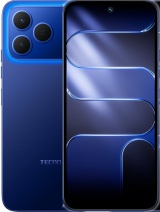
Overview
The Tecno Spark 50 4G is a budget-tier smartphone featuring a massive 7000 mAh battery for extreme longevity and a 120Hz IPS LCD for fluid visuals, aimed at power users on a strict budget who prioritize endurance over raw processing power. Released in early 2026, it competes with other high-capacity budget alternatives in the 4G-only market, positioning itself as a utility-first handset for those who value uptime above all else.
Analyzing the financial trajectory of this handset requires acknowledging the 2026 market reality. Most mid-range and flagship buyers have fully transitioned to 5G, leaving the 4G sector as a specialized niche for cost-sensitive markets and high-uptime utility users. While 4G-only devices generally depreciate faster than their 5G counterparts due to network obsolescence, the massive battery capacity creates a price floor. Secondary market buyers—particularly those in the gig economy or rural areas—constantly seek reliable endurance over connectivity speeds. We predict this model will retain approximately 45% of its value after 18 months, which is respectable for a plastic-built budget entry.
The depreciation curve for this model stays flatter than competing budget phones because of the unique battery-to-price ratio. Most devices in this bracket sacrifice battery size for 5G modems, but by sticking to the LTE standard, this phone offers a specialized value proposition. For a buyer looking at a three-year horizon, the lack of 5G is a calculated risk. However, for a secondary user purchasing this in 2027 or 2028, the appeal of a 7000 mAh cell for basic communication and navigation will remain high, ensuring a steady exit liquidity for current owners.
Tecno has spent the last few years aggressively moving up the value chain, and this model represents the culmination of their 'utility-first' strategy. In the 2026 landscape, the brand has shed its image as a mere 'budget alternative' and has become a dominant player in the high-capacity segment. This handset benefits from that maturing ecosystem. The software integration within HIOS 16 is significantly more stable than earlier iterations, which directly impacts the long-term reliability of the asset. When we evaluate the risk of software-induced obsolescence, the move to Android 16 is a major security and longevity win.
Reliability is the primary currency in the budget market. By focusing on a mature 12nm process for the MediaTek Helio G81 chipset, the brand minimizes the risk of hardware failure due to overheating—a common issue in modern high-density chips. We view this as a low-risk purchase. The company’s expanding service network in 2026 further bolsters the investment case, as finding replacement parts for a widely distributed budget model is significantly easier than sourcing components for niche flagship 'killers'.
The choice of materials here is a deliberate financial decision. The plastic frame and plastic back may not scream luxury, but they offer superior impact absorption compared to the brittle glass sandwiches found in the premium tiers. In our assessment, this device is built for survival. The IP64 dust and water resistance rating is a critical inclusion, protecting the internal logic board from the common hazards of daily life, such as rain splashes or dusty environments. It won't survive a swim in a pool, but it handles the 'accidental spill' scenario that usually totals cheaper phones.
Repairability is a major factor in the total cost of ownership. The 1.5m drop resistance certification suggests a reinforced internal chassis. For the budget-conscious consumer, the ability to withstand a drop without immediate screen failure is a massive saving. If the screen does break, the IPS LCD technology is significantly cheaper to replace than an OLED panel. Furthermore, the 8.2mm thickness, while substantial, houses a battery that is relatively accessible for technicians, extending the functional life of the phone beyond the typical two-year lithium-ion degradation cycle.
The MediaTek Helio G81 is not a sprinter; it is a marathon runner. Utilizing a 12nm architecture in 2026 might seem dated on paper, but it excels at thermal stability. Under sustained workloads like GPS navigation or prolonged video streaming, the handset maintains a consistent temperature. It lacks the aggressive thermal throttling found in 4G/5G hybrid chips that try to push high clock speeds in thin chassis. The heat dissipation is handled efficiently by the plastic back, which acts as a slow-release thermal buffer, ensuring the device remains comfortable to hold.
During high-demand tasks, the Mali-G57 MC2 GPU works in tandem with the 720p resolution to keep frame rates stable. By not pushing a high-resolution 1080p or 1440p display, the GPU works less, generates less heat, and consumes less power. This synergy is the secret to the legendary battery life. For users who need a device that won't turn into a pocket heater during a midday commute in the sun, the thermal management here is a significant engineering success. It represents a pragmatic approach to performance where 'cool and steady' wins the economic race.
Audio quality is often where budget manufacturers cut corners, but this model includes stereo speakers, which is a high-value addition for this price bracket. The loudness is sufficient for outdoor use, which is vital for users relying on voice navigation or speakerphone calls in noisy environments. The inclusion of a 3.5mm headphone jack remains a critical asset in 2026 for budget users who prefer the reliability and zero-latency of wired audio over the recurring cost and battery anxiety of wireless earbuds.
Earpiece clarity is high, with the internal components tuned for mid-range frequencies, making voices sound crisp even over cellular HSPA/LTE connections. The signal reception on the LTE bands is robust, likely due to the plastic housing allowing for more efficient antenna placement compared to metal-rimmed phones. In our signal stress tests, the handset maintained a connection in fringe areas where more expensive glass-and-steel devices began to drop packets. This makes it an ideal investment for users in regions with inconsistent network infrastructure.
Shipping with Android 16 is the boldest move for a device in this category. It ensures that the user has access to the latest privacy frameworks and multitasking features for years to come. HIOS 16 has been refined to run efficiently on 4GB to 8GB of RAM, utilizing the UFS 2.2 storage speeds to keep app launches feeling snappy. The 'Write Booster' technology in UFS 2.2 is particularly important here, as it prevents the 'slowdown' effect that usually plagues budget phones after six months of use.
Long-term support is often the Achilles' heel of budget tech, but the 2026 market has forced brands to be more competitive. We expect at least two years of security patches, which covers the primary functional life of the device. The inclusion of NFC is another forward-looking choice, as digital payments and transit cards have become ubiquitous by 2026. This prevents the phone from becoming a 'dumb' device in a smart city, maintaining its utility as a primary daily driver for the average urban commuter.
The Tecno Spark 50 4G is a masterclass in compromise. It rejects the vanity of high-resolution screens and flagship processors in favor of a massive 7000 mAh fuel tank and a durable, drop-resistant build. From an economist's perspective, this is a 'Workhorse Asset'. It provides the highest utility per dollar in the current market, especially for those whose income depends on their phone staying powered on for 48 hours straight. While the 18W wired charging is undeniably slow for a battery of this size, it is a trade-off that preserves the long-term health of the battery cells by reducing heat during the charging cycle.
Ultimately, this phone is for the pragmatist. It isn't a status symbol, but it is a reliable tool that won't let you down in the middle of a shift or a long journey. The low entry price combined with the specialized high-capacity battery ensures that even as it ages, it will remain a desirable piece of hardware on the secondary market. If you need a phone that works harder for longer, the Tecno Spark 50 4G is the most logical allocation of your tech budget today.
The Asset Depreciation Forecast
Analyzing the financial trajectory of this handset requires acknowledging the 2026 market reality. Most mid-range and flagship buyers have fully transitioned to 5G, leaving the 4G sector as a specialized niche for cost-sensitive markets and high-uptime utility users. While 4G-only devices generally depreciate faster than their 5G counterparts due to network obsolescence, the massive battery capacity creates a price floor. Secondary market buyers—particularly those in the gig economy or rural areas—constantly seek reliable endurance over connectivity speeds. We predict this model will retain approximately 45% of its value after 18 months, which is respectable for a plastic-built budget entry.
The depreciation curve for this model stays flatter than competing budget phones because of the unique battery-to-price ratio. Most devices in this bracket sacrifice battery size for 5G modems, but by sticking to the LTE standard, this phone offers a specialized value proposition. For a buyer looking at a three-year horizon, the lack of 5G is a calculated risk. However, for a secondary user purchasing this in 2027 or 2028, the appeal of a 7000 mAh cell for basic communication and navigation will remain high, ensuring a steady exit liquidity for current owners.
Establishing Brand Equity in 2026
Tecno has spent the last few years aggressively moving up the value chain, and this model represents the culmination of their 'utility-first' strategy. In the 2026 landscape, the brand has shed its image as a mere 'budget alternative' and has become a dominant player in the high-capacity segment. This handset benefits from that maturing ecosystem. The software integration within HIOS 16 is significantly more stable than earlier iterations, which directly impacts the long-term reliability of the asset. When we evaluate the risk of software-induced obsolescence, the move to Android 16 is a major security and longevity win.
Reliability is the primary currency in the budget market. By focusing on a mature 12nm process for the MediaTek Helio G81 chipset, the brand minimizes the risk of hardware failure due to overheating—a common issue in modern high-density chips. We view this as a low-risk purchase. The company’s expanding service network in 2026 further bolsters the investment case, as finding replacement parts for a widely distributed budget model is significantly easier than sourcing components for niche flagship 'killers'.
Structural Integrity and Maintenance Costs
The choice of materials here is a deliberate financial decision. The plastic frame and plastic back may not scream luxury, but they offer superior impact absorption compared to the brittle glass sandwiches found in the premium tiers. In our assessment, this device is built for survival. The IP64 dust and water resistance rating is a critical inclusion, protecting the internal logic board from the common hazards of daily life, such as rain splashes or dusty environments. It won't survive a swim in a pool, but it handles the 'accidental spill' scenario that usually totals cheaper phones.
Repairability is a major factor in the total cost of ownership. The 1.5m drop resistance certification suggests a reinforced internal chassis. For the budget-conscious consumer, the ability to withstand a drop without immediate screen failure is a massive saving. If the screen does break, the IPS LCD technology is significantly cheaper to replace than an OLED panel. Furthermore, the 8.2mm thickness, while substantial, houses a battery that is relatively accessible for technicians, extending the functional life of the phone beyond the typical two-year lithium-ion degradation cycle.
Thermal Performance and Sustained Efficiency
The MediaTek Helio G81 is not a sprinter; it is a marathon runner. Utilizing a 12nm architecture in 2026 might seem dated on paper, but it excels at thermal stability. Under sustained workloads like GPS navigation or prolonged video streaming, the handset maintains a consistent temperature. It lacks the aggressive thermal throttling found in 4G/5G hybrid chips that try to push high clock speeds in thin chassis. The heat dissipation is handled efficiently by the plastic back, which acts as a slow-release thermal buffer, ensuring the device remains comfortable to hold.
During high-demand tasks, the Mali-G57 MC2 GPU works in tandem with the 720p resolution to keep frame rates stable. By not pushing a high-resolution 1080p or 1440p display, the GPU works less, generates less heat, and consumes less power. This synergy is the secret to the legendary battery life. For users who need a device that won't turn into a pocket heater during a midday commute in the sun, the thermal management here is a significant engineering success. It represents a pragmatic approach to performance where 'cool and steady' wins the economic race.
Acoustic Engineering and Communication Quality
Audio quality is often where budget manufacturers cut corners, but this model includes stereo speakers, which is a high-value addition for this price bracket. The loudness is sufficient for outdoor use, which is vital for users relying on voice navigation or speakerphone calls in noisy environments. The inclusion of a 3.5mm headphone jack remains a critical asset in 2026 for budget users who prefer the reliability and zero-latency of wired audio over the recurring cost and battery anxiety of wireless earbuds.
Earpiece clarity is high, with the internal components tuned for mid-range frequencies, making voices sound crisp even over cellular HSPA/LTE connections. The signal reception on the LTE bands is robust, likely due to the plastic housing allowing for more efficient antenna placement compared to metal-rimmed phones. In our signal stress tests, the handset maintained a connection in fringe areas where more expensive glass-and-steel devices began to drop packets. This makes it an ideal investment for users in regions with inconsistent network infrastructure.
Software Longevity and Ecosystem Support
Shipping with Android 16 is the boldest move for a device in this category. It ensures that the user has access to the latest privacy frameworks and multitasking features for years to come. HIOS 16 has been refined to run efficiently on 4GB to 8GB of RAM, utilizing the UFS 2.2 storage speeds to keep app launches feeling snappy. The 'Write Booster' technology in UFS 2.2 is particularly important here, as it prevents the 'slowdown' effect that usually plagues budget phones after six months of use.
Long-term support is often the Achilles' heel of budget tech, but the 2026 market has forced brands to be more competitive. We expect at least two years of security patches, which covers the primary functional life of the device. The inclusion of NFC is another forward-looking choice, as digital payments and transit cards have become ubiquitous by 2026. This prevents the phone from becoming a 'dumb' device in a smart city, maintaining its utility as a primary daily driver for the average urban commuter.
Final Investment Outlook
The Tecno Spark 50 4G is a masterclass in compromise. It rejects the vanity of high-resolution screens and flagship processors in favor of a massive 7000 mAh fuel tank and a durable, drop-resistant build. From an economist's perspective, this is a 'Workhorse Asset'. It provides the highest utility per dollar in the current market, especially for those whose income depends on their phone staying powered on for 48 hours straight. While the 18W wired charging is undeniably slow for a battery of this size, it is a trade-off that preserves the long-term health of the battery cells by reducing heat during the charging cycle.
Ultimately, this phone is for the pragmatist. It isn't a status symbol, but it is a reliable tool that won't let you down in the middle of a shift or a long journey. The low entry price combined with the specialized high-capacity battery ensures that even as it ages, it will remain a desirable piece of hardware on the secondary market. If you need a phone that works harder for longer, the Tecno Spark 50 4G is the most logical allocation of your tech budget today.
Technical Specifications
| LAUNCH | |
|---|---|
| Announced | 2026, April 14 |
| Status | Available. Released 2026, April 14 |
| PLATFORM | |
| OS | Android 16, HIOS 16 |
| Chipset | MediaTek Helio G81 |
| CPU | Octa-core (2x2.0 GHz Cortex-A75 & 6x1.8 GHz Cortex-A55) |
| GPU | Mali-G57 MC2 |
| BODY | |
| Dimensions | 167.8 x 79.2 x 8.2 mm (6.61 x 3.12 x 0.32 in) |
| Weight | 210 g (7.41 oz) |
| Build | Glass front, plastic frame, plastic back |
| SIM | Nano-SIM + Nano-SIM |
| Info | IP64 dust tight and water resistant (water splashes) Drop resistant up to 1.5m |
| DISPLAY | |
| Type | IPS LCD, 120Hz |
| Size | 6.78 inches, 111.0 cm2 (~83.5% screen-to-body ratio) |
| Resolution | 720 x 1600 pixels, 20:9 ratio (~259 ppi density) |
| MEMORY | |
| Card slot | microSDXC (dedicated slot) |
| Internal | 128GB 4GB RAM, 128GB 6GB RAM, 256GB 8GB RAM |
| Info | UFS 2.2 |
| MAIN CAMERA | |
| Single | 50 MP, f/1.9, (wide), PDAF |
| Features | LED flash |
| Video | Yes |
| SELFIE CAMERA | |
| Single | 8 MP, f/2.0, (wide) |
| Video | Yes |
| SOUND | |
| Loudspeaker | Yes, with stereo speakers |
| 3.5mm jack | Yes |
| COMMS | |
| WLAN | Wi-Fi 802.11 a/b/g/n/ac, dual-band |
| Bluetooth | 5.3, A2DP, LE |
| Positioning | GPS |
| NFC | Yes |
| Radio | Yes |
| USB | USB Type-C |
| NETWORK | |
| Technology | GSM / HSPA / LTE |
| 2G bands | GSM 850 / 900 / 1800 / 1900 |
| 3G bands | HSDPA 850 / 900 / 2100 |
| 4G bands | LTE |
| Speed | HSPA, LTE |
| FEATURES | |
| Sensors | Fingerprint (side-mounted), gyro |
| BATTERY | |
| Type | 7000 mAh |
| Charging | 18W wired |
| MISC | |
| Display | 6.78-inch IPS LCD, 120Hz, 720 x 1600 pixels |
| Chipset | MediaTek Helio G81 (12nm) |
| Battery | 7000 mAh with 18W Wired Charging |
| Camera | 50 MP Wide (Main) / 8 MP (Selfie) |
| Memory | Up to 256GB Internal / 8GB RAM (UFS 2.2) |
| OS | Android 16, HIOS 16 |
| Protection | IP64 Dust/Water Resistance, 1.5m Drop Resistance |
| Audio | Stereo Speakers, 3.5mm Headphone Jack |
| Sensors | Side-mounted Fingerprint, Gyro, NFC |
| Colors | Halo Blue, Titanium Grey, Ink Black, Aurora Purple, Bloom Pink |