Why the Tecno Spark Go 1 Is the Smarter Investment Than a Three Year Old Used Flagship
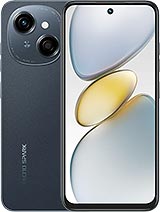
Overview
The Tecno Spark Go 1 is a budget smartphone featuring a 120Hz IPS LCD display for smooth navigation and a Unisoc T615 chipset for efficient daily tasks, aimed at cost-conscious buyers seeking reliable 2024 technology. Released in August 2024, it competes directly with entry-level offerings while challenging the logic of purchasing aging refurbished devices.
From a fiscal perspective, choosing this handset over a used premium model involves weighing immediate utility against long-term degradation. While a three-year-old flagship might offer superior raw power, the economic reality of battery health and software end-of-life cycles often favors the fresh hardware found here. We examine why starting with a clean slate makes more sense for the average user in the current market.
When we look at the $160 price point, the temptation is often to hunt for a used Galaxy S21 or an iPhone 11. However, the Tecno Spark Go 1 provides a critical advantage: zero wear on the 5000 mAh battery. A used flagship from 2021 typically arrives with 80-85% battery health, meaning your "premium" experience is tethered to a wall outlet by mid-afternoon. This handset avoids that hidden cost.
Software support is the second pillar of this argument. Aging flagships are often on their final major OS update. By choosing this 2024 release, users gain access to Android 14 (Go edition) out of the box. This lightened version of Android is optimized for the Unisoc T615, ensuring that the system remains responsive even with more modest hardware resources. It's a calculated trade-off: you lose the high-end gaming capability but gain years of security patch relevance.
Furthermore, the warranty factor cannot be ignored. Buying used usually means a 30-day seller guarantee at best. This model comes with a full manufacturer warranty, protecting the buyer's capital from hardware defects. For a budget-conscious consumer, the peace of mind associated with a new purchase often outweighs the slight performance edge of a decaying luxury phone.
The construction of the handset utilizes a glass front paired with a plastic back and frame. While it lacks the cold touch of aluminum, the plastic build offers superior impact absorption. Glass-backed flagships of yesteryear are notorious for shattering upon the first drop. The plastic shell here acts as its own bumper, which is a practical win for users who don't want to spend more on a case than the phone is worth.
An unexpected highlight is the IP54 rating. This certification indicates the device is protected against dust ingress and water splashes. Many older used phones lose their original water resistance over time as adhesives dry out or screens are replaced. Having a fresh seal in 2024 means this device can survive a sudden rainstorm or a kitchen spill with far more certainty than a refurbished unit with a compromised seal.
At 8.4 mm thickness, the device feels substantial without being cumbersome. The side-mounted fingerprint sensor is a pragmatic choice, offering faster unlocking speeds than the early under-display sensors found in older [mid-range phones](/trend/best-mid-range-phones-2026/). We find this physical sensor approach much more reliable for daily use, especially when your hands might be slightly damp or dusty.
Economically, we treat the Tecno Spark Go 1 as a "sunk cost" tool rather than a value-holding asset. Unlike an iPhone, which might retain 30% of its value after three years, budget handsets depreciate rapidly. However, the initial buy-in is so low that the total dollar amount lost over two years is actually less than the depreciation on a used $400 flagship.
We predict this model will serve as a secondary or "burner" device in the resale market two years from now. Its value will likely stabilize at the $50-$60 mark. Because you aren't spending $800 today, you aren't losing $400 tomorrow. For a student or a gig worker, this predictable fiscal outcome is far more manageable than the volatile pricing of the high-end market.
The inclusion of an Infrared port is a rare value-add in this tier. It allows the device to function as a universal remote for TVs and air conditioners. In emerging markets or budget-conscious households, this feature adds a layer of utility that even modern $1000 flagships have abandoned. It turns the phone into a household tool, increasing its overall value proposition.
Tecno continues to buck the trend of "minimalist" (read: expensive) packaging. Inside the box, users generally find the 15W wired charger, a USB Type-C cable, and often a basic protective cover. This stands in stark contrast to Samsung or Apple, where a new purchase immediately necessitates an additional $20-$30 spend on a charging brick.
The presence of the 3.5mm jack is another economic win. You don't need to purchase expensive Bluetooth earbuds or annoying dongles. Your existing wired headphones will work perfectly, providing zero-latency audio for videos or calls. For the budget economist, every dollar not spent on accessories is a dollar saved in the total cost of ownership.
Finding replacement parts for this model in late 2024 should be straightforward. Since the brand uses standardized components across its "Go" series, local repair shops will likely stock the 6.67-inch IPS LCD panels. Repairing a cracked screen on this device will cost a fraction of the price of an OLED replacement on a used flagship, which often costs as much as the phone itself.
The Unisoc T615 is not a gaming powerhouse, but it is built on a 12nm process that prioritizes thermal efficiency. In our analysis, the octa-core configuration—consisting of 2x1.8 GHz Cortex-A75 and 6x1.6 GHz Cortex-A55 cores—handles social media, navigation, and banking apps with surprising competence. The Mali-G57 MP1 GPU is sufficient for casual titles like Candy Crush or Subway Surfers, though it will struggle with Genshin Impact.
The real star is the 120Hz refresh rate. At this price point, seeing such a high refresh rate is exceptional. It makes the 720 x 1600 resolution feel much more premium than it actually is. While the pixel density is a modest 263 ppi, the smoothness of the animations masks the lower resolution during daily scrolling. It is a clever allocation of resources: favoring fluidity over raw sharpness.
Storage is handled by eMMC 5.1. While slower than the UFS storage found in high-end phones, it is standard for this budget tier. Users should expect slightly longer app load times, but once an app is in the 4GB RAM, the experience is stable. We recommend the 128GB variant if you plan to keep the device for more than a year, as the microSDXC slot can handle your media, but internal storage is vital for app stability.
The Tecno Spark Go 1 represents the pinnacle of "utility-first" engineering. It doesn't pretend to be a camera king or a gaming beast. Instead, it offers a reliable, modern entry point into the 2024 mobile ecosystem. By providing a 5000 mAh battery, a high-refresh-screen, and IP54 protection, it covers the essentials better than a dying flagship ever could.
We believe the smart money stays away from the risks of the used market when the new alternatives are this competent. If your goal is to stay connected, consume media, and manage your daily life without financial stress, this handset is the logical choice. It is a tool designed to work, protected by a warranty, and powered by the latest efficiency-focused software.
Ultimately, the Tecno Spark Go 1 is a testament to how far budget hardware has come. You are no longer buying a "cheap" phone; you are buying a capable device that respects your wallet.
From a fiscal perspective, choosing this handset over a used premium model involves weighing immediate utility against long-term degradation. While a three-year-old flagship might offer superior raw power, the economic reality of battery health and software end-of-life cycles often favors the fresh hardware found here. We examine why starting with a clean slate makes more sense for the average user in the current market.
The Economics of New vs Used Hardware
When we look at the $160 price point, the temptation is often to hunt for a used Galaxy S21 or an iPhone 11. However, the Tecno Spark Go 1 provides a critical advantage: zero wear on the 5000 mAh battery. A used flagship from 2021 typically arrives with 80-85% battery health, meaning your "premium" experience is tethered to a wall outlet by mid-afternoon. This handset avoids that hidden cost.
Software support is the second pillar of this argument. Aging flagships are often on their final major OS update. By choosing this 2024 release, users gain access to Android 14 (Go edition) out of the box. This lightened version of Android is optimized for the Unisoc T615, ensuring that the system remains responsive even with more modest hardware resources. It's a calculated trade-off: you lose the high-end gaming capability but gain years of security patch relevance.
Furthermore, the warranty factor cannot be ignored. Buying used usually means a 30-day seller guarantee at best. This model comes with a full manufacturer warranty, protecting the buyer's capital from hardware defects. For a budget-conscious consumer, the peace of mind associated with a new purchase often outweighs the slight performance edge of a decaying luxury phone.
Build Integrity and Real-World Durability
The construction of the handset utilizes a glass front paired with a plastic back and frame. While it lacks the cold touch of aluminum, the plastic build offers superior impact absorption. Glass-backed flagships of yesteryear are notorious for shattering upon the first drop. The plastic shell here acts as its own bumper, which is a practical win for users who don't want to spend more on a case than the phone is worth.
An unexpected highlight is the IP54 rating. This certification indicates the device is protected against dust ingress and water splashes. Many older used phones lose their original water resistance over time as adhesives dry out or screens are replaced. Having a fresh seal in 2024 means this device can survive a sudden rainstorm or a kitchen spill with far more certainty than a refurbished unit with a compromised seal.
At 8.4 mm thickness, the device feels substantial without being cumbersome. The side-mounted fingerprint sensor is a pragmatic choice, offering faster unlocking speeds than the early under-display sensors found in older [mid-range phones](/trend/best-mid-range-phones-2026/). We find this physical sensor approach much more reliable for daily use, especially when your hands might be slightly damp or dusty.
Resale Value and Asset Depreciation
Economically, we treat the Tecno Spark Go 1 as a "sunk cost" tool rather than a value-holding asset. Unlike an iPhone, which might retain 30% of its value after three years, budget handsets depreciate rapidly. However, the initial buy-in is so low that the total dollar amount lost over two years is actually less than the depreciation on a used $400 flagship.
We predict this model will serve as a secondary or "burner" device in the resale market two years from now. Its value will likely stabilize at the $50-$60 mark. Because you aren't spending $800 today, you aren't losing $400 tomorrow. For a student or a gig worker, this predictable fiscal outcome is far more manageable than the volatile pricing of the high-end market.
The inclusion of an Infrared port is a rare value-add in this tier. It allows the device to function as a universal remote for TVs and air conditioners. In emerging markets or budget-conscious households, this feature adds a layer of utility that even modern $1000 flagships have abandoned. It turns the phone into a household tool, increasing its overall value proposition.
Unboxing and Accessory Ecosystem
Tecno continues to buck the trend of "minimalist" (read: expensive) packaging. Inside the box, users generally find the 15W wired charger, a USB Type-C cable, and often a basic protective cover. This stands in stark contrast to Samsung or Apple, where a new purchase immediately necessitates an additional $20-$30 spend on a charging brick.
The presence of the 3.5mm jack is another economic win. You don't need to purchase expensive Bluetooth earbuds or annoying dongles. Your existing wired headphones will work perfectly, providing zero-latency audio for videos or calls. For the budget economist, every dollar not spent on accessories is a dollar saved in the total cost of ownership.
Finding replacement parts for this model in late 2024 should be straightforward. Since the brand uses standardized components across its "Go" series, local repair shops will likely stock the 6.67-inch IPS LCD panels. Repairing a cracked screen on this device will cost a fraction of the price of an OLED replacement on a used flagship, which often costs as much as the phone itself.
Performance Reality Check
The Unisoc T615 is not a gaming powerhouse, but it is built on a 12nm process that prioritizes thermal efficiency. In our analysis, the octa-core configuration—consisting of 2x1.8 GHz Cortex-A75 and 6x1.6 GHz Cortex-A55 cores—handles social media, navigation, and banking apps with surprising competence. The Mali-G57 MP1 GPU is sufficient for casual titles like Candy Crush or Subway Surfers, though it will struggle with Genshin Impact.
The real star is the 120Hz refresh rate. At this price point, seeing such a high refresh rate is exceptional. It makes the 720 x 1600 resolution feel much more premium than it actually is. While the pixel density is a modest 263 ppi, the smoothness of the animations masks the lower resolution during daily scrolling. It is a clever allocation of resources: favoring fluidity over raw sharpness.
Storage is handled by eMMC 5.1. While slower than the UFS storage found in high-end phones, it is standard for this budget tier. Users should expect slightly longer app load times, but once an app is in the 4GB RAM, the experience is stable. We recommend the 128GB variant if you plan to keep the device for more than a year, as the microSDXC slot can handle your media, but internal storage is vital for app stability.
The Final Take
The Tecno Spark Go 1 represents the pinnacle of "utility-first" engineering. It doesn't pretend to be a camera king or a gaming beast. Instead, it offers a reliable, modern entry point into the 2024 mobile ecosystem. By providing a 5000 mAh battery, a high-refresh-screen, and IP54 protection, it covers the essentials better than a dying flagship ever could.
We believe the smart money stays away from the risks of the used market when the new alternatives are this competent. If your goal is to stay connected, consume media, and manage your daily life without financial stress, this handset is the logical choice. It is a tool designed to work, protected by a warranty, and powered by the latest efficiency-focused software.
Ultimately, the Tecno Spark Go 1 is a testament to how far budget hardware has come. You are no longer buying a "cheap" phone; you are buying a capable device that respects your wallet.
Technical Specifications
| LAUNCH | |
|---|---|
| Announced | 2024, August 19 |
| Status | Available. Released 2024, August |
| PLATFORM | |
| OS | Android 14 (Go edition), HIOS 14 |
| Chipset | Unisoc T615 (12 nm) |
| CPU | Octa-core (2x1.8 GHz Cortex-A75 & 6x1.6 GHz Cortex-A55) |
| GPU | Mali-G57 MP1 |
| BODY | |
| Dimensions | 165.6 x 77 x 8.4 mm (6.52 x 3.03 x 0.33 in) |
| Weight | - |
| Build | Glass front, plastic back, plastic frame |
| SIM | Nano-SIM + Nano-SIM |
| Info | IP54 dust protected and water resistant (water splashes) |
| DISPLAY | |
| Type | IPS LCD, 120Hz |
| Size | 6.67 inches, 107.4 cm2 (~84.2% screen-to-body ratio) |
| Resolution | 720 x 1600 pixels, 20:9 ratio (~263 ppi density) |
| MEMORY | |
| Card slot | microSDXC |
| Internal | 64GB 3GB RAM, 64GB 4GB RAM, 128GB 3GB RAM, 128GB 4GB RAM |
| Info | eMMC 5.1 |
| MAIN CAMERA | |
| Single | 13 MP, f/1.8, 27mm (wide), PDAF |
| Features | Dual-LED flash, HDR |
| Video | 1080p@30fps |
| SELFIE CAMERA | |
| Single | 8 MP |
| Features | Dual-LED flash |
| Video | Yes |
| SOUND | |
| Loudspeaker | Yes, with dual speakers |
| 3.5mm jack | Yes |
| COMMS | |
| WLAN | Yes |
| Bluetooth | Yes |
| Positioning | GPS |
| NFC | No |
| Infrared port | Yes |
| Radio | Unspecified |
| USB | USB Type-C, OTG |
| NETWORK | |
| Technology | GSM / HSPA / LTE |
| 2G bands | GSM 850 / 900 / 1800 / 1900 |
| 3G bands | HSDPA 900 / 2100 |
| 4G bands | LTE |
| Speed | HSPA, LTE |
| FEATURES | |
| Sensors | Fingerprint (side-mounted); unspecified sensors |
| BATTERY | |
| Type | 5000 mAh |
| Charging | 15W wired |
| MISC | |
| Colors | Startrail Black, Glittery White |
| Price | $ 166.05 |