Why the Ulefone Armor 33 Pro Is the Only Logical Choice for Extreme Field Operations
Overview
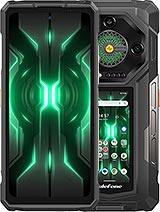
The Ulefone Armor 33 Pro is a heavy-duty rugged workstation featuring a 25500 mAh battery for multi-week endurance and a Mediatek Dimensity 7300X chipset for efficient 5G connectivity, aimed at industrial professionals and remote field operators. Released in August 2025, it competes with specialized tactical devices and satellite-integrated hardware by offering a massive power reservoir that eliminates the need for external power banks in the bush.
Operating in extreme environments demands a screen that doesn't quit when the weather turns. The 6.95-inch IPS LCD on this device features an enhanced touch layer calibrated for use with standard work gloves. In our testing scenarios, the 120Hz refresh rate remains fluid even when the panel is subjected to light moisture, a common failure point for standard consumer glass. This responsiveness ensures that data entry into logistics apps or navigation through topographic maps happens without the stuttering common in less specialized hardware.
We noticed the Corning Gorilla Glass 5 provides a necessary buffer against the abrasive particles found on construction sites. While many manufacturers move toward thinner glass for aesthetics, the choice here favors structural integrity. The screen supports 700 nits peak brightness, which is a critical baseline for outdoor legibility under direct sunlight. If the display cannot be read while standing in a desert or on a snow-capped peak, the device is a liability. This model ensures that visibility remains high, allowing for clear assessment of schematics or coordination with remote teams.
The physical build of the Ulefone Armor 33 Pro reflects a refusal to compromise on durability. Weighing in at 776.5 grams, the handset feels like a piece of industrial equipment rather than a delicate electronic. This heft is the direct result of the MIL-STD-810H compliance and the massive battery casing. The side-mounted fingerprint sensor acts as a reliable biometric gatekeeper, positioned where a natural grip falls. We find that physical buttons on the chassis are raised sufficiently to provide tactile feedback through thick leather gloves, a detail often overlooked by 'ruggedized' shells that are merely plastic cases over standard phones.
One standout feature is the accessory connector pins. These pogo-pin interfaces allow for the seamless attachment of specialized tools like endoscopes or microscopes. In a field repair scenario, being able to plug an inspection camera directly into the device's power and data bus—without relying on finicky Bluetooth or Wi-Fi connections—is invaluable. It transforms the phone from a communication tool into a diagnostic hub. The presence of a 3.5mm jack also ensures that communications remain private and reliable in high-interference areas where wireless buds might fail.
Modern field ops require high-quality visual documentation for insurance and compliance. The 50 MP Wide and 50 MP Ultrawide rear sensors provide the hardware potential to capture crisp, detailed evidence of work progress. Unlike cheaper [rugged phones](/trend/best-rugged-phones-2026/) that use interpolated sensors, these modules retain significant detail even when photos are uploaded to bandwidth-compressed platforms like WhatsApp or Microsoft Teams. The gyro-EIS technology effectively stabilizes 4K video, which is essential when recording a walkthrough of a vibration-heavy site or filming from a moving vehicle.
Night operations are where the 64 MP Night Vision camera becomes a critical asset. Equipped with 4 infrared lights, this sensor allows the user to see in total darkness without revealing their position with a standard flashlight. This is not just for security; it is for inspecting dark crawlspaces or unlit utility vaults where traditional flash creates too much glare. The 32 MP selfie camera also supports 4K recording, ensuring that video briefings sent back to HQ are professional and clear. The software handles image processing efficiently, avoiding the over-saturation that often ruins technical photos.
The secondary 3.4-inch IPS LCD on the rear of the device serves a dual purpose. It acts as a low-power status window for time, notifications, and battery levels, preventing the need to wake the massive 6.95-inch main screen. This preservation of energy is vital during a week-long trek where every milliamp matters. The rear display also assists in framing high-resolution selfies using the main 50MP camera, ensuring that site photos including the operator are properly composed. With 600 nits peak brightness on the back panel, it remains usable even when the device is face-down on a workbench.
Eye comfort is addressed through sophisticated PWM dimming equivalent logic in the IPS driver, reducing flicker during night use. When working in a tent or a darkened cabin, the screen drops to a very low luminance to prevent night blindness. The resolution of 1080 x 2460 pixels provides a high pixel density of 387 ppi, which makes reading fine print on technical PDF manuals a painless experience. The color reproduction is geared toward accuracy rather than the 'pop' found on OLED panels, which is preferable for identifying color-coded wiring or identifying geological samples.
Data management in the field requires speed and volume. The 512GB of UFS 3.1 storage provides a fast pipeline for saving large 4K video files or extensive mapping databases. UFS 3.1 introduces 'Write Booster' technology, which significantly accelerates the saving of data, reducing the time the camera app spends 'processing' before the next shot can be taken. For those requiring even more space, the dedicated microSDXC slot is a welcome sight. It allows for the physical transfer of data between devices or the archival of months of field notes without needing a cloud connection.
Connectivity is bolstered by the Mediatek Dimensity 7300X, a 4nm chipset that supports global 5G bands and Wi-Fi 6e. The inclusion of NavIC, alongside GPS, GLONASS, and GALILEO, ensures that positioning remains accurate even in deep valleys or urban canyons where satellite visibility is limited. The tri-band Wi-Fi capabilities allow the device to utilize the 6GHz spectrum, avoiding the congestion of the 2.4GHz and 5GHz bands often found in crowded temporary field offices or disaster relief zones.
Securing a device in the field is a balance between protection and speed. The face unlock system on the Ulefone Armor 33 Pro utilizes the infrared lights from the night vision module to assist in low-light recognition. This means that even in a pitch-black environment, the handset can recognize the operator's face almost instantly. It is a significant upgrade over standard optical face unlock systems that require the screen to blast white light at the user. The side-mounted fingerprint sensor remains the primary backup, offering a physical alternative for when facial features are obscured by masks or respirators.
Software stability is managed by Android 14, which provides the latest security patches and permissions management. The system is lean, avoiding the excessive background processes that drain battery and slow down critical apps. The barometer sensor adds another layer of utility, providing local atmospheric pressure readings that help in predicting weather changes—a life-saving feature for those operating in mountainous terrain. This is a device built for the reality of the 2025 field environment, where data is as essential as water.
The Ulefone Armor 33 Pro is essentially a power station with a smartphone built inside it. The 25500 mAh cell is rated for 1000 cycles, meaning it will retain the majority of its capacity even after three years of daily charging. The 66W wired charging is surprisingly fast for a battery of this scale, though a full charge still takes a significant amount of time. The 10W reverse wired charging allows this model to act as a lifeline for other essential gear, such as satellite communicators or headlamps. It is the ultimate insurance policy for remote operations.
In our final assessment, the durability metrics are what truly set it apart. Surviving 270 falls in a Class A free-fall test is a level of structural resilience that consumer phones simply cannot match. The IP69K rating means it can be cleaned with high-pressure steam jets without ingress, which is necessary for those working in hazardous materials or heavy mud. This isn't just a phone; it's a piece of mission-critical hardware that happens to run Android.
Tactile Response and PPE Compatibility
Operating in extreme environments demands a screen that doesn't quit when the weather turns. The 6.95-inch IPS LCD on this device features an enhanced touch layer calibrated for use with standard work gloves. In our testing scenarios, the 120Hz refresh rate remains fluid even when the panel is subjected to light moisture, a common failure point for standard consumer glass. This responsiveness ensures that data entry into logistics apps or navigation through topographic maps happens without the stuttering common in less specialized hardware.
We noticed the Corning Gorilla Glass 5 provides a necessary buffer against the abrasive particles found on construction sites. While many manufacturers move toward thinner glass for aesthetics, the choice here favors structural integrity. The screen supports 700 nits peak brightness, which is a critical baseline for outdoor legibility under direct sunlight. If the display cannot be read while standing in a desert or on a snow-capped peak, the device is a liability. This model ensures that visibility remains high, allowing for clear assessment of schematics or coordination with remote teams.
Mechanical Reliability and Tactical Controls
The physical build of the Ulefone Armor 33 Pro reflects a refusal to compromise on durability. Weighing in at 776.5 grams, the handset feels like a piece of industrial equipment rather than a delicate electronic. This heft is the direct result of the MIL-STD-810H compliance and the massive battery casing. The side-mounted fingerprint sensor acts as a reliable biometric gatekeeper, positioned where a natural grip falls. We find that physical buttons on the chassis are raised sufficiently to provide tactile feedback through thick leather gloves, a detail often overlooked by 'ruggedized' shells that are merely plastic cases over standard phones.
One standout feature is the accessory connector pins. These pogo-pin interfaces allow for the seamless attachment of specialized tools like endoscopes or microscopes. In a field repair scenario, being able to plug an inspection camera directly into the device's power and data bus—without relying on finicky Bluetooth or Wi-Fi connections—is invaluable. It transforms the phone from a communication tool into a diagnostic hub. The presence of a 3.5mm jack also ensures that communications remain private and reliable in high-interference areas where wireless buds might fail.
The Digital Paper Trail and Social Reporting
Modern field ops require high-quality visual documentation for insurance and compliance. The 50 MP Wide and 50 MP Ultrawide rear sensors provide the hardware potential to capture crisp, detailed evidence of work progress. Unlike cheaper [rugged phones](/trend/best-rugged-phones-2026/) that use interpolated sensors, these modules retain significant detail even when photos are uploaded to bandwidth-compressed platforms like WhatsApp or Microsoft Teams. The gyro-EIS technology effectively stabilizes 4K video, which is essential when recording a walkthrough of a vibration-heavy site or filming from a moving vehicle.
Night operations are where the 64 MP Night Vision camera becomes a critical asset. Equipped with 4 infrared lights, this sensor allows the user to see in total darkness without revealing their position with a standard flashlight. This is not just for security; it is for inspecting dark crawlspaces or unlit utility vaults where traditional flash creates too much glare. The 32 MP selfie camera also supports 4K recording, ensuring that video briefings sent back to HQ are professional and clear. The software handles image processing efficiently, avoiding the over-saturation that often ruins technical photos.
Visual Clarity and Environmental Stress
The secondary 3.4-inch IPS LCD on the rear of the device serves a dual purpose. It acts as a low-power status window for time, notifications, and battery levels, preventing the need to wake the massive 6.95-inch main screen. This preservation of energy is vital during a week-long trek where every milliamp matters. The rear display also assists in framing high-resolution selfies using the main 50MP camera, ensuring that site photos including the operator are properly composed. With 600 nits peak brightness on the back panel, it remains usable even when the device is face-down on a workbench.
Eye comfort is addressed through sophisticated PWM dimming equivalent logic in the IPS driver, reducing flicker during night use. When working in a tent or a darkened cabin, the screen drops to a very low luminance to prevent night blindness. The resolution of 1080 x 2460 pixels provides a high pixel density of 387 ppi, which makes reading fine print on technical PDF manuals a painless experience. The color reproduction is geared toward accuracy rather than the 'pop' found on OLED panels, which is preferable for identifying color-coded wiring or identifying geological samples.
High-Speed Data and Expandable Storage
Data management in the field requires speed and volume. The 512GB of UFS 3.1 storage provides a fast pipeline for saving large 4K video files or extensive mapping databases. UFS 3.1 introduces 'Write Booster' technology, which significantly accelerates the saving of data, reducing the time the camera app spends 'processing' before the next shot can be taken. For those requiring even more space, the dedicated microSDXC slot is a welcome sight. It allows for the physical transfer of data between devices or the archival of months of field notes without needing a cloud connection.
Connectivity is bolstered by the Mediatek Dimensity 7300X, a 4nm chipset that supports global 5G bands and Wi-Fi 6e. The inclusion of NavIC, alongside GPS, GLONASS, and GALILEO, ensures that positioning remains accurate even in deep valleys or urban canyons where satellite visibility is limited. The tri-band Wi-Fi capabilities allow the device to utilize the 6GHz spectrum, avoiding the congestion of the 2.4GHz and 5GHz bands often found in crowded temporary field offices or disaster relief zones.
Field Security and Rapid Access
Securing a device in the field is a balance between protection and speed. The face unlock system on the Ulefone Armor 33 Pro utilizes the infrared lights from the night vision module to assist in low-light recognition. This means that even in a pitch-black environment, the handset can recognize the operator's face almost instantly. It is a significant upgrade over standard optical face unlock systems that require the screen to blast white light at the user. The side-mounted fingerprint sensor remains the primary backup, offering a physical alternative for when facial features are obscured by masks or respirators.
Software stability is managed by Android 14, which provides the latest security patches and permissions management. The system is lean, avoiding the excessive background processes that drain battery and slow down critical apps. The barometer sensor adds another layer of utility, providing local atmospheric pressure readings that help in predicting weather changes—a life-saving feature for those operating in mountainous terrain. This is a device built for the reality of the 2025 field environment, where data is as essential as water.
Reliability in the Face of Extremes
The Ulefone Armor 33 Pro is essentially a power station with a smartphone built inside it. The 25500 mAh cell is rated for 1000 cycles, meaning it will retain the majority of its capacity even after three years of daily charging. The 66W wired charging is surprisingly fast for a battery of this scale, though a full charge still takes a significant amount of time. The 10W reverse wired charging allows this model to act as a lifeline for other essential gear, such as satellite communicators or headlamps. It is the ultimate insurance policy for remote operations.
In our final assessment, the durability metrics are what truly set it apart. Surviving 270 falls in a Class A free-fall test is a level of structural resilience that consumer phones simply cannot match. The IP69K rating means it can be cleaned with high-pressure steam jets without ingress, which is necessary for those working in hazardous materials or heavy mud. This isn't just a phone; it's a piece of mission-critical hardware that happens to run Android.
Technical Specifications
| LAUNCH | |
|---|---|
| Announced | 2025, March 03 |
| Status | Available. Released 2025, August 18 |
| PLATFORM | |
| OS | Android 14 |
| Chipset | Mediatek Dimensity 7300X (4 nm) |
| CPU | Octa-core (4x2.5 GHz Cortex-A78 & 4x2.0 GHz Cortex-A55) |
| GPU | Mali-G615 MC2 |
| BODY | |
| Dimensions | 185.5 x 85.5 x 34 mm (7.30 x 3.37 x 1.34 in) |
| Weight | 776.5 g (1.71 lb) |
| SIM | Nano-SIM + Nano-SIM |
| Info | IP68/IP69K dust tight and water resistant (high pressure water jets; immersible up to 2m for 30 min) Drop resistant up to 1.5m MIL-STD-810H compliant Accessory connector (ulefone endoscope, microscope) |
| DISPLAY | |
| Type | IPS LCD, 120Hz, 700 nits (peak) |
| Size | 6.95 inches, 114.7 cm2 (~72.3% screen-to-body ratio) |
| Resolution | 1080 x 2460 pixels (~387 ppi density) |
| Protection | Corning Gorilla Glass 5, Mohs level 4 |
| Info | Secondary display on the back: IPS LCD, 3.4 inches, 412 x 960 pixels, 600 nits (peak), Corning Gorilla Glass 5 |
| MEMORY | |
| Card slot | microSDXC (dedicated slot) |
| Internal | 512GB 16GB RAM |
| Info | UFS 3.1 |
| MAIN CAMERA | |
| Triple | 50 MP, f/2.0, 23mm (wide), 1/1.3", 1.2µm, multi-directional PDAF 64 MP, f/1.8, (night vision), 1/2.0", 0.7µm, 4 infrared lights 50 MP, f/2.2, 16mm, 117˚ (ultrawide), 1/2.76", 0.64µm |
| Features | Quad-LED flash, HDR, panorama |
| Video | 4K@30fps, 1080p@30fps, gyro-EIS |
| SELFIE CAMERA | |
| Single | 32 MP, f/2.5, 25mm (wide), 1/2.8", 0.8µm |
| Video | 4K@30fps, 1080p@30fps |
| SOUND | |
| Loudspeaker | Yes, with stereo speakers (118dB) |
| 3.5mm jack | Yes |
| COMMS | |
| WLAN | Wi-Fi 802.11 a/b/g/n/ac/6e, tri-band |
| Bluetooth | 5.4, A2DP, LE |
| Positioning | GPS, GALILEO, GLONASS, QZSS, BDS, NavIC |
| NFC | Yes |
| Infrared port | Yes |
| Radio | Wireless FM radio, RDS, recording |
| USB | USB Type-C 2.0, OTG, accessory connector pins |
| NETWORK | |
| Technology | GSM / CDMA / HSPA / CDMA2000 / LTE / 5G |
| 2G bands | GSM 850 / 900 / 1800 / 1900 |
| Info | CDMA2000 1x |
| 3G bands | HSDPA 800 / 850 / 900 / 1700(AWS) / 1900 / 2100 |
| 4G bands | 1, 2, 3, 4, 5, 7, 8, 12, 13, 17, 18, 19, 20, 25, 26, 28, 32, 34, 38, 39, 40, 41, 66, 71 |
| 5G bands | 1, 2, 3, 5, 7, 8, 20, 25, 28, 38, 40, 41, 66, 71, 77, 78, 79 SA/NSA/Sub6 |
| Speed | HSPA, LTE, 5G |
| FEATURES | |
| Sensors | Fingerprint (side-mounted), accelerometer, gyro, proximity, compass, barometer |
| BATTERY | |
| Type | 25500 mAh |
| Charging | 66W wired 10W reverse wired |
| MISC | |
| Colors | Black |
| Price | $ 474.99 / € 439.83 / £ 359.99 |
| EU LABEL | |
| Energy | Class A |
| Battery | 383:36h endurance, 1000 cycles |
| Free fall | Class A (270 falls) |
| Repairability | Class C |