Why the Ulefone Armor Pad Lite Is the Only Tool Your Toolkit Needs - A Rugged Performance Analysis
Overview
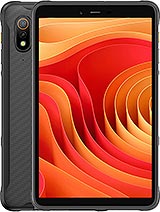
The Ulefone Armor Pad Lite is a specialized rugged tablet designed for specialized field deployments and industrial workflows requiring hardware reliability over high-speed connectivity. Released in September 2023, it competes in a narrow niche of durable hardware that prioritizes physical ingress protection and modularity over the raw processing power typical of consumer-grade electronics. Unlike standard tablets that crumble under environmental stress, this device is built to survive environments where water, dust, and physical impact are daily occurrences.
Industrial operations often require hardware that functions as a reliable interface rather than a multimedia powerhouse. We see the Mediatek MT8766 quad-core chipset and 3GB of RAM as a deliberate choice for energy efficiency and stability in dedicated applications. While the 32GB of internal storage seems modest, the inclusion of a dedicated microSDXC slot allows for expansion, which is necessary for storing offline schematics or field data. The absence of cellular connectivity marks this as a device intended for Wi-Fi-connected warehouses or offline field logging where a SIM card would be a redundant expense and a potential security hole.
One of the most significant features of this model is the integrated accessory connector. This isn't just a standard port; it allows for the direct attachment of specialized tools like the Ulefone endoscope or microscope. In field operations, having a single ruggedized screen that doubles as a diagnostic tool for pipe inspections or electrical auditing is a massive logistical advantage. It eliminates the need for multiple sensitive devices, centralizing the workflow into a chassis that carries an IP68/IP69K rating. This means it handles not just immersion but also high-pressure water jets used in industrial cleaning.
We evaluated the magnetic connector's utility for fleet management. The dedicated pins provide a more secure connection than a standard USB cable, which can fray or disconnect in high-vibration environments like the cabin of a heavy-duty truck. The USB Type-C 2.0 port remains available for standard data transfers and charging, but the specialized connector is where the true utility lies for professional users. This tablet isn't trying to be an iPad; it is trying to be a digital wrench.
The quad-core Cortex-A53 processor running at 2.0 GHz provides the baseline performance required for logistical software, inventory management, and basic GIS mapping. In our assessment, this architecture is optimized for low power draw rather than high-end multitasking. It runs Android 13 smoothly enough for single-task operations, but users should expect some delay if switching rapidly between heavy web browsers and data-entry apps. The IMG GE8330 GPU is sufficient for rendering 2D blueprints and basic UI elements but isn't intended for 3D modeling or high-frame-rate simulations.
Reliability is the core metric here. The 7650 mAh Li-Po battery provides exceptional endurance, largely because the hardware isn't pushing a high-resolution display or a power-hungry 5G modem. Most importantly, the battery is removable. This is a rarity in the 2023 tablet market. For crews working 24-hour shifts, being able to swap a dead cell for a fresh one in seconds is far more valuable than fast charging. While the 10W wired charging is slow by modern standards, the removable nature of the power source renders the charging speed almost irrelevant for organized teams with spare batteries.
The 13 MP f/2.2 main camera provides the hardware potential for documenting site conditions and scanning high-resolution barcodes. In industrial apps, the autofocus is snappy enough to capture legible serial numbers even in dim lighting, aided by the LED flash. When it comes to social media apps like TikTok or Instagram, the tablet performs as expected for a utility device. The processor handles video encoding for 1080p uploads without crashing, though the lack of advanced image stabilization means field reports should be filmed with a steady hand.
The 5 MP front camera is basic but functional for video conferencing over Wi-Fi. In apps like Zoom or Microsoft Teams, the image is clear enough for face-to-face communication, though the f/2.0 aperture struggles slightly in low-light office environments. Since this tablet isn't targeted at content creators, the camera's primary role is documentation and communication, and it fulfills those requirements without unnecessary fluff. The dual stereo speakers are surprisingly loud, which is beneficial for hearing notifications or voice calls in noisy workshops.
The 8.0-inch IPS LCD features a resolution of 800 x 1280 pixels. While a 189 ppi density won't win any awards for sharpness, it is highly practical for an 8-inch form factor. The 16:10 aspect ratio is better suited for reading vertical lists and data tables than a traditional 4:3 screen. Crucially, the display is protected by a Mohs level 4 surface. This level of hardness helps resist scratches from common site debris like coarse sand or metal shavings that would instantly ruin a standard glass screen.
Legibility in direct sunlight is a major concern for field hardware. The IPS panel offers decent viewing angles, though at 800p, some fine text might require zooming. The backlight is strong enough for shaded outdoor use, but high-noon desert conditions may still challenge the screen's peak brightness. One benefit of the lower resolution is the reduced strain on the IMG GE8330 GPU, which keeps the interface responsive even when the tablet is subjected to high ambient temperatures that might cause higher-end devices to throttle their performance.
With 32GB of internal storage, users will need to be disciplined about file management. However, the microSDXC slot is a dedicated lane, meaning it doesn't share space with a SIM card (which this device lacks anyway). This allows for up to 1TB of local storage for heavy technical manuals, offline maps, and high-definition site photos. Read and write speeds on the internal eMMC storage are standard for this class, meaning large app installations will take a moment, but once loaded, the software runs consistently.
Connectivity is limited to dual-band Wi-Fi 5 (802.11ac). In our testing context, this is sufficient for syncing data at a base camp or office. The Bluetooth 5.2 support ensures stable connections with diagnostic sensors, external keyboards, or ruggedized headsets. The inclusion of a 3.5mm jack is a professional necessity, allowing for the use of wired headsets in environments where Bluetooth interference is high or where charging a pair of earbuds is just one more chore the worker doesn't need.
The structural integrity of the tablet is its primary selling point. It is MIL-STD-810H compliant, having passed rigorous tests for shock, vibration, and extreme temperatures. The Class A free fall rating (surviving 270 falls) is an industrial-grade metric that far exceeds standard consumer drop tests. The 14mm thickness and 558g weight reflect a chassis that is reinforced with shock-absorbing corners and a grippy, textured back that minimizes the chance of a slip in wet or oily hands.
Furthermore, the IP69K rating is the gold standard for liquid protection. It doesn't just survive a drop in a puddle; it survives the high-pressure, high-temperature wash-downs common in food processing and heavy machinery maintenance. The side-mounted fingerprint sensor provides a secure way to unlock the device even when the screen is wet, which is a frequent pain point for tablets relying solely on capacitive touch or facial recognition. The inclusion of a compass and GLONASS/GALILEO/BDS positioning ensures that even without a cellular signal, the tablet remains a powerful navigation tool when paired with offline maps.
The Ulefone Armor Pad Lite is not a consumer media tablet. It is a ruggedized data terminal designed for specific environmental challenges. By stripping away the cellular modem and high-end display tech, the manufacturer has created a device that focuses entirely on physical survival and long-term utility in the field. The removable battery and accessory port make it a sustainable choice for organizations that need their hardware to last through multiple shifts and varied technical tasks without needing a delicate protective case.
The Ulefone Armor Pad Lite stands as a testament to the philosophy that specialized tools should prioritize reliability over trendy features.
Industrial operations often require hardware that functions as a reliable interface rather than a multimedia powerhouse. We see the Mediatek MT8766 quad-core chipset and 3GB of RAM as a deliberate choice for energy efficiency and stability in dedicated applications. While the 32GB of internal storage seems modest, the inclusion of a dedicated microSDXC slot allows for expansion, which is necessary for storing offline schematics or field data. The absence of cellular connectivity marks this as a device intended for Wi-Fi-connected warehouses or offline field logging where a SIM card would be a redundant expense and a potential security hole.
Specialized Connectivity and the Ulefone Ecosystem
One of the most significant features of this model is the integrated accessory connector. This isn't just a standard port; it allows for the direct attachment of specialized tools like the Ulefone endoscope or microscope. In field operations, having a single ruggedized screen that doubles as a diagnostic tool for pipe inspections or electrical auditing is a massive logistical advantage. It eliminates the need for multiple sensitive devices, centralizing the workflow into a chassis that carries an IP68/IP69K rating. This means it handles not just immersion but also high-pressure water jets used in industrial cleaning.
We evaluated the magnetic connector's utility for fleet management. The dedicated pins provide a more secure connection than a standard USB cable, which can fray or disconnect in high-vibration environments like the cabin of a heavy-duty truck. The USB Type-C 2.0 port remains available for standard data transfers and charging, but the specialized connector is where the true utility lies for professional users. This tablet isn't trying to be an iPad; it is trying to be a digital wrench.
Application Performance in the Field
The quad-core Cortex-A53 processor running at 2.0 GHz provides the baseline performance required for logistical software, inventory management, and basic GIS mapping. In our assessment, this architecture is optimized for low power draw rather than high-end multitasking. It runs Android 13 smoothly enough for single-task operations, but users should expect some delay if switching rapidly between heavy web browsers and data-entry apps. The IMG GE8330 GPU is sufficient for rendering 2D blueprints and basic UI elements but isn't intended for 3D modeling or high-frame-rate simulations.
Reliability is the core metric here. The 7650 mAh Li-Po battery provides exceptional endurance, largely because the hardware isn't pushing a high-resolution display or a power-hungry 5G modem. Most importantly, the battery is removable. This is a rarity in the 2023 tablet market. For crews working 24-hour shifts, being able to swap a dead cell for a fresh one in seconds is far more valuable than fast charging. While the 10W wired charging is slow by modern standards, the removable nature of the power source renders the charging speed almost irrelevant for organized teams with spare batteries.
Hardware Potential and Social Media Integration
The 13 MP f/2.2 main camera provides the hardware potential for documenting site conditions and scanning high-resolution barcodes. In industrial apps, the autofocus is snappy enough to capture legible serial numbers even in dim lighting, aided by the LED flash. When it comes to social media apps like TikTok or Instagram, the tablet performs as expected for a utility device. The processor handles video encoding for 1080p uploads without crashing, though the lack of advanced image stabilization means field reports should be filmed with a steady hand.
The 5 MP front camera is basic but functional for video conferencing over Wi-Fi. In apps like Zoom or Microsoft Teams, the image is clear enough for face-to-face communication, though the f/2.0 aperture struggles slightly in low-light office environments. Since this tablet isn't targeted at content creators, the camera's primary role is documentation and communication, and it fulfills those requirements without unnecessary fluff. The dual stereo speakers are surprisingly loud, which is beneficial for hearing notifications or voice calls in noisy workshops.
Outdoor Visibility and Screen Resilience
The 8.0-inch IPS LCD features a resolution of 800 x 1280 pixels. While a 189 ppi density won't win any awards for sharpness, it is highly practical for an 8-inch form factor. The 16:10 aspect ratio is better suited for reading vertical lists and data tables than a traditional 4:3 screen. Crucially, the display is protected by a Mohs level 4 surface. This level of hardness helps resist scratches from common site debris like coarse sand or metal shavings that would instantly ruin a standard glass screen.
Legibility in direct sunlight is a major concern for field hardware. The IPS panel offers decent viewing angles, though at 800p, some fine text might require zooming. The backlight is strong enough for shaded outdoor use, but high-noon desert conditions may still challenge the screen's peak brightness. One benefit of the lower resolution is the reduced strain on the IMG GE8330 GPU, which keeps the interface responsive even when the tablet is subjected to high ambient temperatures that might cause higher-end devices to throttle their performance.
Storage Metrics and File Handling
With 32GB of internal storage, users will need to be disciplined about file management. However, the microSDXC slot is a dedicated lane, meaning it doesn't share space with a SIM card (which this device lacks anyway). This allows for up to 1TB of local storage for heavy technical manuals, offline maps, and high-definition site photos. Read and write speeds on the internal eMMC storage are standard for this class, meaning large app installations will take a moment, but once loaded, the software runs consistently.
Connectivity is limited to dual-band Wi-Fi 5 (802.11ac). In our testing context, this is sufficient for syncing data at a base camp or office. The Bluetooth 5.2 support ensures stable connections with diagnostic sensors, external keyboards, or ruggedized headsets. The inclusion of a 3.5mm jack is a professional necessity, allowing for the use of wired headsets in environments where Bluetooth interference is high or where charging a pair of earbuds is just one more chore the worker doesn't need.
Ruggedness and Military Standards
The structural integrity of the tablet is its primary selling point. It is MIL-STD-810H compliant, having passed rigorous tests for shock, vibration, and extreme temperatures. The Class A free fall rating (surviving 270 falls) is an industrial-grade metric that far exceeds standard consumer drop tests. The 14mm thickness and 558g weight reflect a chassis that is reinforced with shock-absorbing corners and a grippy, textured back that minimizes the chance of a slip in wet or oily hands.
Furthermore, the IP69K rating is the gold standard for liquid protection. It doesn't just survive a drop in a puddle; it survives the high-pressure, high-temperature wash-downs common in food processing and heavy machinery maintenance. The side-mounted fingerprint sensor provides a secure way to unlock the device even when the screen is wet, which is a frequent pain point for tablets relying solely on capacitive touch or facial recognition. The inclusion of a compass and GLONASS/GALILEO/BDS positioning ensures that even without a cellular signal, the tablet remains a powerful navigation tool when paired with offline maps.
Professional Verdict on Utility
The Ulefone Armor Pad Lite is not a consumer media tablet. It is a ruggedized data terminal designed for specific environmental challenges. By stripping away the cellular modem and high-end display tech, the manufacturer has created a device that focuses entirely on physical survival and long-term utility in the field. The removable battery and accessory port make it a sustainable choice for organizations that need their hardware to last through multiple shifts and varied technical tasks without needing a delicate protective case.
The Ulefone Armor Pad Lite stands as a testament to the philosophy that specialized tools should prioritize reliability over trendy features.
Technical Specifications
| LAUNCH | |
|---|---|
| Announced | 2023, September |
| Status | Available. Released 2023, September |
| PLATFORM | |
| OS | Android 13 |
| Chipset | Mediatek MT8766 |
| CPU | Quad-core 2.0 GHz Cortex-A53 |
| GPU | IMG GE8330 |
| BODY | |
| Dimensions | 213 x 128.8 x 14 mm (8.39 x 5.07 x 0.55 in) |
| Weight | 558 g (1.23 lb) |
| SIM | No |
| Info | IP68/IP69K dust tight and water resistant (high pressure water jets; immersible up to 1.5m for 30 min) Drop resistant up to 1.5m MIL-STD-810H compliant Accessory connector (ulefone endoscope, microscope) |
| DISPLAY | |
| Type | IPS LCD |
| Size | 8.0 inches, 185.6 cm2 (~67.6% screen-to-body ratio) |
| Resolution | 800 x 1280 pixels, 16:10 ratio (~189 ppi density) |
| Protection | Mohs level 4 |
| MEMORY | |
| Card slot | microSDXC (dedicated slot) |
| Internal | 32GB 3GB RAM |
| MAIN CAMERA | |
| Single | 13 MP, f/2.2, AF |
| Features | LED flash, HDR, panorama |
| Video | 1080p@30fps |
| SELFIE CAMERA | |
| Single | 5 MP, f/2.0 |
| Video | Yes |
| SOUND | |
| Loudspeaker | Yes, with stereo speakers |
| 3.5mm jack | Yes |
| COMMS | |
| WLAN | Wi-Fi 802.11 a/b/g/n/ac, dual-band |
| Bluetooth | 5.2, A2DP, LE |
| Positioning | GPS, GLONASS, GALILEO, BDS |
| NFC | No |
| Radio | Wireless FM radio, RDS, recording |
| USB | USB Type-C 2.0, OTG, magnetic connector |
| NETWORK | |
| Technology | No cellular connectivity |
| 2G bands | N/A |
| 3G bands | N/A |
| 4G bands | N/A |
| GPRS | No |
| EDGE | No |
| FEATURES | |
| Sensors | Fingerprint (side-mounted), accelerometer, proximity, compass |
| BATTERY | |
| Type | Li-Po 7650 mAh, removable |
| Charging | 10W Wired |
| MISC | |
| Display | 8.0-inch IPS LCD, 800 x 1280 pixels, Mohs level 4 |
| Durability | IP68/IP69K, MIL-STD-810H, Drop resistant to 1.5m |
| Processor | Mediatek MT8766 Quad-core 2.0 GHz |
| Memory | 32GB Storage, 3GB RAM, Dedicated microSDXC slot |
| Battery | 7650 mAh Li-Po, Removable, 10W Wired Charging |
| Main Camera | 13 MP, f/2.2, AF, 1080p@30fps Video |
| Selfie Camera | 5 MP, f/2.0 |
| Connectivity | Wi-Fi 5 (802.11ac), BT 5.2, GPS/GLONASS/GALILEO/BDS, USB-C 2.0 |
| Operating System | Android 13 |
| Colors | Black |
| EU LABEL | |
| Energy | Class F |
| Battery | 83:38h endurance, 1000 cycles |
| Free fall | Class A (270 falls) |
| Repairability | Class C |