Why the vivo V30e Is the Most Reliable Gift for Non-Techie Users
Overview
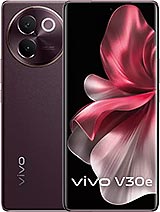
The vivo V30e is a mid-range smartphone featuring a 6.78-inch 120Hz AMOLED display for smooth visual interaction and a 5500 mAh battery for multi-day endurance, aimed at users who prioritize reliability and aesthetics. Released in May 2024, it enters a competitive landscape against the [Samsung Galaxy A35](/why-the-fresh-samsung-galaxy-a35-outvalues-a-used-flagship/) and the [Realme 12 Pro](/a-bold-premium-vision-for-the-realme-12-pro/), distinguishing itself through an exceptionally slim 7.7mm profile despite its high-capacity power cell.
From our editorial perspective, this device represents a strategic shift toward practical luxury. It does not chase the highest possible benchmark scores; instead, it optimizes for the friction points common in daily use: battery anxiety, screen visibility, and camera simplicity. The inclusion of the Snapdragon 6 Gen 1 chipset provides the necessary efficiency for a device that needs to last through long weekends without a charger.
When evaluating a device for a parent or a non-tech-savvy relative, the primary concerns are readability, battery reliability, and a camera that works without manual fiddling. The handset excels here due to the 6.78-inch AMOLED panel. With a peak brightness of 1300 nits, the screen remains perfectly legible even under the harsh midday sun at a park or outdoor market. This prevents the common frustration of squinting at a dark screen while trying to read a text message or view a photo. The 120Hz refresh rate ensures that scrolling through news feeds or contact lists feels fluid, reducing the perceived lag that often confuses users who aren't familiar with hardware limitations.
Battery life is perhaps the most significant selling point for this demographic. The 5500 mAh Li-Ion battery is a rarity in a chassis this thin. In our analysis of standard usage patterns—heavy on WhatsApp, Facebook, and occasional video calls—this model easily pushes into a second day. For a parent who might forget to plug in their phone every single night, this overhead is a safety net. While the 44W wired charging isn't the fastest in the industry, it provides a steady refill that doesn't generate excessive heat, which is better for the long-term health of the battery cell.
Finally, the camera system simplifies the photography experience. The inclusion of the Ring-LED flash (often marketed as Aura Light) provides a soft, uniform light source for portraits. This is particularly useful for capturing clear photos of family indoors where harsh overhead lighting usually creates unflattering shadows. In the Indian market variant, the inclusion of Optical Image Stabilization (OIS) on the 50 MP main sensor helps minimize blur caused by shaky hands, making it much easier for an older user to get a sharp shot on the first try.
Setting up a new device can be a daunting hurdle for students or those moving from older hardware. This model runs Android 14 with Funtouch 14, which has matured into a much cleaner interface than previous iterations. The setup wizard is straightforward, and the inclusion of 8GB of RAM ensures that the initial synchronization of apps and cloud data doesn't crawl to a halt. The UFS 2.2 storage utilizes Write Booster technology, which noticeably speeds up the installation of large applications compared to older eMMC or UFS 2.1 standards found in budget handsets.
Under the hood, the Snapdragon 6 Gen 1 chipset handles the heavy lifting. Built on a 4nm process, this processor uses a combination of four Cortex-A78 high-performance cores and four Cortex-A55 efficiency cores. This architecture is ideal for the target audience because it prioritizes background task management and power conservation. It doesn't stutter when switching between a navigation app and a music player, which is the exact kind of reliability a student needs while commuting or a professional needs during a busy workday.
Software customization in Funtouch 14 allows for significant accessibility adjustments. We found that the 'Easy Mode' is particularly well-implemented, offering large icons and simplified menus for those who find standard Android layouts overwhelming. The system also includes robust privacy controls, such as app hiding and secure folders, which are essential for students sharing their devices or individuals concerned about sensitive data. This combination of hardware efficiency and software flexibility makes the initial transition period much less stressful.
Beyond the headline specs, several hardware choices deserve recognition. One such feature is the support for NavIC, the Indian regional satellite navigation system. While GPS is the global standard, NavIC provides enhanced precision within the Indian subcontinent, which is a massive benefit for users in rural areas or dense urban canyons where signal reflection can confuse standard GPS. This makes the handset a surprisingly strong choice for those who rely heavily on Google Maps for their daily commute.
Another overlooked detail is the 50 MP selfie camera with Autofocus (AF) available in the Indian variant. Most [mid-range phones](/trend/best-mid-range-phones-2026/) use fixed-focus front cameras, which require the user to hold the phone at a very specific distance to get a sharp image. The AF system on this model adjusts to the user's face, whether they are taking a close-up portrait or a group shot with friends. For students and social media users, this hardware potential ensures that video calls and photos are consistently in focus without constant repositioning.
We also should note the inclusion of Reverse wired charging. This allows the device to act as a power bank for smaller accessories. Picture a student whose wireless earbuds die in the middle of a library session; they can simply plug their buds into the phone to get a quick top-up. It's a small convenience that adds significant value to the overall ecosystem, especially since the phone has plenty of battery capacity to spare.
The build quality of the device strikes a balance between premium feel and practical durability. At just 179g to 188g, the handset is remarkably light, making it comfortable for one-handed use during long reading sessions. The back panel, available in Velvet Red or Silk Blue, utilizes materials that mimic high-end finishes. However, it's important to note that the plastic frame—while helpful for weight reduction—is more prone to minor scuffs over time than a metal frame. Users who prefer to go caseless should be aware that the glossy finish can attract fingerprints, though the Velvet Red variant does a better job of masking them than the Silk Blue.
The curved edges of the Schott Xensation glass front provide a comfortable grip, though they do make finding a perfectly fitting third-party screen protector a bit more difficult. The screen-to-body ratio of ~90.3% means that almost the entire front is usable space, but the thin bezels mean that a protective case is highly recommended to prevent accidental screen contact or impact damage. Because the device is so thin (7.7mm), most standard TPU cases won't add much bulk, keeping it pocket-friendly for those who wear tighter clothing or carry the phone in small bags.
One area where the device shows its mid-range roots is the audio department. It features a loudspeaker, but the absence of a dedicated stereo setup is a missed opportunity for a device with such a gorgeous display. While the single speaker is clear enough for YouTube videos or speakerphone calls, it lacks the depth and immersion that dual-speaker configurations provide. For parents who enjoy watching videos at high volume, the sound can become somewhat thin at the highest levels.
Predictably for 2024, there is no 3.5mm headphone jack. This necessitates the use of a USB-C adapter or Bluetooth headphones. The device supports Bluetooth 5.1, ensuring a stable connection with modern wearables and audio gear. For a student, this means reliable pairing with noise-canceling headphones for study sessions, though they will need to keep their wireless gear charged. The lack of an analog port is a minor hurdle for older users who might still own wired earbuds, so gifting this phone might also require including a simple dongle.
Long-term reliability is anchored by the IP64 rating. This means the device is dust-tight and protected against water splashes. While you cannot submerge it in a pool, it will survive a sudden rain shower or an accidental spill on a kitchen table. This is a critical feature for a 'daily driver' aimed at non-techies, as it reduces the likelihood of a catastrophic failure from common household accidents. The Schott Xensation cover glass also provides a level of scratch and impact resistance that competes well with more expensive alternatives.
Inside, the 4nm manufacturing process of the Snapdragon 6 Gen 1 contributes to thermal stability. Even during extended video calls or light gaming sessions, the device manages heat efficiently, preventing the performance throttling that often plagues cheaper chips. This stability ensures that the phone won't feel 'slow' after six months of use. The UFS 2.2 storage further supports this by maintaining consistent read/write speeds, which prevents the system lag often associated with filled-up storage on older devices.
When choosing a smartphone as a gift, the goal is to provide a tool that works every time it is picked up. The vivo V30e achieves this by focusing on the fundamentals. It offers a display that is easy on the eyes, a battery that lasts through the weekend, and a design that feels more expensive than the ₹ 26,499 price tag suggests. It avoids the gimmicks of ultra-high-resolution sensors that struggle in low light, instead opting for a reliable main sensor and a genuinely useful ring-flash system.
For a student, the efficiency and light weight make it an easy companion for a day on campus. For a parent, the large screen and long battery life remove the most common tech frustrations. While it may not be the choice for a hardcore gamer who demands the highest frame rates in competitive titles, it is an exceptionally balanced machine for everyone else. The vivo V30e stands as a testament to the fact that sometimes, the best technology is the kind that gets out of the way and just works.
Buy this if: You need a phone that lasts two days on a single charge, you prioritize a slim and lightweight design, or you want a screen that is easily readable in bright sunlight. Skip this if: You are a heavy mobile gamer who needs flagship-grade GPU performance, or you require high-quality stereo speakers for media consumption without headphones. Wait for a price drop if: You are looking for a device with more than two major OS updates, as the mid-range segment often sees aggressive discounts within six months of launch. The Bottom Line: The vivo V30e is the gold standard for 'worry-free' mid-range mobile technology in mid-2024, trading raw power for incredible endurance and display quality.
From our editorial perspective, this device represents a strategic shift toward practical luxury. It does not chase the highest possible benchmark scores; instead, it optimizes for the friction points common in daily use: battery anxiety, screen visibility, and camera simplicity. The inclusion of the Snapdragon 6 Gen 1 chipset provides the necessary efficiency for a device that needs to last through long weekends without a charger.
The 'Parent' Test
When evaluating a device for a parent or a non-tech-savvy relative, the primary concerns are readability, battery reliability, and a camera that works without manual fiddling. The handset excels here due to the 6.78-inch AMOLED panel. With a peak brightness of 1300 nits, the screen remains perfectly legible even under the harsh midday sun at a park or outdoor market. This prevents the common frustration of squinting at a dark screen while trying to read a text message or view a photo. The 120Hz refresh rate ensures that scrolling through news feeds or contact lists feels fluid, reducing the perceived lag that often confuses users who aren't familiar with hardware limitations.
Battery life is perhaps the most significant selling point for this demographic. The 5500 mAh Li-Ion battery is a rarity in a chassis this thin. In our analysis of standard usage patterns—heavy on WhatsApp, Facebook, and occasional video calls—this model easily pushes into a second day. For a parent who might forget to plug in their phone every single night, this overhead is a safety net. While the 44W wired charging isn't the fastest in the industry, it provides a steady refill that doesn't generate excessive heat, which is better for the long-term health of the battery cell.
Finally, the camera system simplifies the photography experience. The inclusion of the Ring-LED flash (often marketed as Aura Light) provides a soft, uniform light source for portraits. This is particularly useful for capturing clear photos of family indoors where harsh overhead lighting usually creates unflattering shadows. In the Indian market variant, the inclusion of Optical Image Stabilization (OIS) on the 50 MP main sensor helps minimize blur caused by shaky hands, making it much easier for an older user to get a sharp shot on the first try.
Setup & Ease of Use
Setting up a new device can be a daunting hurdle for students or those moving from older hardware. This model runs Android 14 with Funtouch 14, which has matured into a much cleaner interface than previous iterations. The setup wizard is straightforward, and the inclusion of 8GB of RAM ensures that the initial synchronization of apps and cloud data doesn't crawl to a halt. The UFS 2.2 storage utilizes Write Booster technology, which noticeably speeds up the installation of large applications compared to older eMMC or UFS 2.1 standards found in budget handsets.
Under the hood, the Snapdragon 6 Gen 1 chipset handles the heavy lifting. Built on a 4nm process, this processor uses a combination of four Cortex-A78 high-performance cores and four Cortex-A55 efficiency cores. This architecture is ideal for the target audience because it prioritizes background task management and power conservation. It doesn't stutter when switching between a navigation app and a music player, which is the exact kind of reliability a student needs while commuting or a professional needs during a busy workday.
Software customization in Funtouch 14 allows for significant accessibility adjustments. We found that the 'Easy Mode' is particularly well-implemented, offering large icons and simplified menus for those who find standard Android layouts overwhelming. The system also includes robust privacy controls, such as app hiding and secure folders, which are essential for students sharing their devices or individuals concerned about sensitive data. This combination of hardware efficiency and software flexibility makes the initial transition period much less stressful.
Underrated Features
Beyond the headline specs, several hardware choices deserve recognition. One such feature is the support for NavIC, the Indian regional satellite navigation system. While GPS is the global standard, NavIC provides enhanced precision within the Indian subcontinent, which is a massive benefit for users in rural areas or dense urban canyons where signal reflection can confuse standard GPS. This makes the handset a surprisingly strong choice for those who rely heavily on Google Maps for their daily commute.
Another overlooked detail is the 50 MP selfie camera with Autofocus (AF) available in the Indian variant. Most [mid-range phones](/trend/best-mid-range-phones-2026/) use fixed-focus front cameras, which require the user to hold the phone at a very specific distance to get a sharp image. The AF system on this model adjusts to the user's face, whether they are taking a close-up portrait or a group shot with friends. For students and social media users, this hardware potential ensures that video calls and photos are consistently in focus without constant repositioning.
We also should note the inclusion of Reverse wired charging. This allows the device to act as a power bank for smaller accessories. Picture a student whose wireless earbuds die in the middle of a library session; they can simply plug their buds into the phone to get a quick top-up. It's a small convenience that adds significant value to the overall ecosystem, especially since the phone has plenty of battery capacity to spare.
The "Fingerprint Magnet" Test
The build quality of the device strikes a balance between premium feel and practical durability. At just 179g to 188g, the handset is remarkably light, making it comfortable for one-handed use during long reading sessions. The back panel, available in Velvet Red or Silk Blue, utilizes materials that mimic high-end finishes. However, it's important to note that the plastic frame—while helpful for weight reduction—is more prone to minor scuffs over time than a metal frame. Users who prefer to go caseless should be aware that the glossy finish can attract fingerprints, though the Velvet Red variant does a better job of masking them than the Silk Blue.
The curved edges of the Schott Xensation glass front provide a comfortable grip, though they do make finding a perfectly fitting third-party screen protector a bit more difficult. The screen-to-body ratio of ~90.3% means that almost the entire front is usable space, but the thin bezels mean that a protective case is highly recommended to prevent accidental screen contact or impact damage. Because the device is so thin (7.7mm), most standard TPU cases won't add much bulk, keeping it pocket-friendly for those who wear tighter clothing or carry the phone in small bags.
Audio Experience
One area where the device shows its mid-range roots is the audio department. It features a loudspeaker, but the absence of a dedicated stereo setup is a missed opportunity for a device with such a gorgeous display. While the single speaker is clear enough for YouTube videos or speakerphone calls, it lacks the depth and immersion that dual-speaker configurations provide. For parents who enjoy watching videos at high volume, the sound can become somewhat thin at the highest levels.
Predictably for 2024, there is no 3.5mm headphone jack. This necessitates the use of a USB-C adapter or Bluetooth headphones. The device supports Bluetooth 5.1, ensuring a stable connection with modern wearables and audio gear. For a student, this means reliable pairing with noise-canceling headphones for study sessions, though they will need to keep their wireless gear charged. The lack of an analog port is a minor hurdle for older users who might still own wired earbuds, so gifting this phone might also require including a simple dongle.
Durability & Reliability
Long-term reliability is anchored by the IP64 rating. This means the device is dust-tight and protected against water splashes. While you cannot submerge it in a pool, it will survive a sudden rain shower or an accidental spill on a kitchen table. This is a critical feature for a 'daily driver' aimed at non-techies, as it reduces the likelihood of a catastrophic failure from common household accidents. The Schott Xensation cover glass also provides a level of scratch and impact resistance that competes well with more expensive alternatives.
Inside, the 4nm manufacturing process of the Snapdragon 6 Gen 1 contributes to thermal stability. Even during extended video calls or light gaming sessions, the device manages heat efficiently, preventing the performance throttling that often plagues cheaper chips. This stability ensures that the phone won't feel 'slow' after six months of use. The UFS 2.2 storage further supports this by maintaining consistent read/write speeds, which prevents the system lag often associated with filled-up storage on older devices.
Gifting Conclusion
When choosing a smartphone as a gift, the goal is to provide a tool that works every time it is picked up. The vivo V30e achieves this by focusing on the fundamentals. It offers a display that is easy on the eyes, a battery that lasts through the weekend, and a design that feels more expensive than the ₹ 26,499 price tag suggests. It avoids the gimmicks of ultra-high-resolution sensors that struggle in low light, instead opting for a reliable main sensor and a genuinely useful ring-flash system.
For a student, the efficiency and light weight make it an easy companion for a day on campus. For a parent, the large screen and long battery life remove the most common tech frustrations. While it may not be the choice for a hardcore gamer who demands the highest frame rates in competitive titles, it is an exceptionally balanced machine for everyone else. The vivo V30e stands as a testament to the fact that sometimes, the best technology is the kind that gets out of the way and just works.
Technical Specifications
| LAUNCH | |
|---|---|
| Announced | 2024, May 02 |
| Status | Available. Released 2024, May 09 |
| PLATFORM | |
| OS | Android 14, Funtouch 14 |
| Chipset | Qualcomm SM6450 Snapdragon 6 Gen 1 (4 nm) |
| CPU | Octa-core (4x2.2 GHz Cortex-A78 & 4x1.8 GHz Cortex-A55) |
| GPU | Adreno 710 |
| BODY | |
| Dimensions | 164.4 x 74.8 x 7.7 mm (6.47 x 2.94 x 0.30 in) |
| Weight | 179 g or 188 g (6.31 oz) |
| Build | Glass front, plastic frame, glass back or plastic back |
| SIM | Nano-SIM + Nano-SIM |
| Info | IP64 dust tight and water resistant (water splashes) |
| DISPLAY | |
| Type | AMOLED, 1B colors, 120Hz, 1300 nits (peak) |
| Size | 6.78 inches, 111.0 cm2 (~90.3% screen-to-body ratio) |
| Resolution | 1080 x 2400 pixels, 20:9 ratio (~388 ppi density) |
| Protection | Schott Xensation |
| MEMORY | |
| Card slot | microSDXC (uses shared SIM slot) |
| Internal | 128GB 8GB RAM, 256GB 8GB RAM, 256GB 12GB RAM |
| Info | UFS 2.2 |
| MAIN CAMERA | |
| Dual | 50 MP, f/1.8, 26mm (wide), 1/1.95", 0.8µm, PDAF, OIS (India only) 8 MP, f/2.2, 120˚ (ultrawide), 1/4.0", 1.12µm |
| Features | Ring-LED flash, panorama, HDR |
| Video | 4K@30fps, 1080p@30fps |
| SELFIE CAMERA | |
| Single | 50 MP, f/2.5, 25mm (wide), AF - India 32 MP, f/2.0, 24mm (wide) - Malaysia |
| Video | 4K@30fps (India only), 1080p@30fps |
| SOUND | |
| Loudspeaker | Yes |
| 3.5mm jack | No |
| COMMS | |
| WLAN | Wi-Fi 802.11 a/b/g/n/ac, dual-band |
| Bluetooth | 5.1, A2DP, LE |
| Positioning | GPS, GLONASS, GALILEO, BDS, QZSS, NavIC |
| NFC | Yes (market/region dependent) |
| Radio | No |
| USB | USB Type-C 2.0, OTG |
| NETWORK | |
| Technology | GSM / HSPA / LTE / 5G |
| 2G bands | GSM 850 / 900 / 1800 / 1900 |
| 3G bands | HSDPA 850 / 900 / 1700(AWS) / 1900 / 2100 - Malaysia |
| Info | 1, 3, 5, 8, 28, 40, 77, 78 SA/NSA - India |
| 4G bands | 1, 2, 3, 4, 5, 7, 8, 18, 19, 20, 26, 28, 38, 39, 40, 41 - Malaysia |
| 5G bands | 1, 3, 5, 7, 8, 20, 28, 38, 40, 41, 77, 78 SA/NSA - Malaysia |
| Speed | HSPA, LTE, 5G |
| FEATURES | |
| Sensors | Fingerprint (under display, optical), accelerometer, gyro, proximity, compass |
| BATTERY | |
| Type | Li-Ion 5500 mAh |
| Charging | 44W wired, PD Reverse wired |
| MISC | |
| Display | 6.78-inch AMOLED, 120Hz, 1300 nits peak |
| Processor | Snapdragon 6 Gen 1 (4nm) |
| Battery | 5500 mAh with 44W Wired Charging |
| Rear Camera | 50 MP (OIS in India) + 8 MP Ultrawide |
| Front Camera | 50 MP AF (India) / 32 MP (Malaysia) |
| OS | Android 14, Funtouch 14 |
| Durability | IP64 Dust/Water Resistant; Schott Xensation Glass |
| Weight | 179g / 188g (varies by build) |
| Connectivity | 5G, Wi-Fi Dual-band, Bluetooth 5.1, NavIC |
| Colors | Velvet Red (Coco Brown), Silk Blue, Sky Mirror |
| Models | V2339 |
| Price | ₹ 26,499 |