Why the Vivo Y03t Is the Budget Warning You Need to Hear
Overview
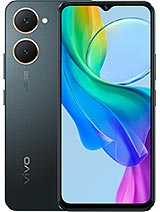
The Vivo Y03t is an entry-level smartphone featuring a 6.56-inch IPS LCD for basic media consumption and a Unisoc T612 chipset for essential daily tasks, aimed at users seeking maximum affordability. Released in August 2024, it competes with ultra-budget offerings by prioritizing a 90Hz refresh rate and weather resistance, though it necessitates careful consideration regarding its long-term performance ceiling.
Carriers often present devices like the Vivo Y03t as a zero-dollar addition to a monthly service plan. From a value hunter perspective, this is frequently a mathematical trap. While the hardware cost is approximately 70 EUR, signing a 24-month contract to secure this handset often locks a user into a higher-tier data plan than they actually require. If you pay 15 EUR extra per month for a plan just to get this phone for 'free,' you are effectively paying 360 EUR for a device that retails for less than a quarter of that price. We recommend purchasing this handset unlocked and pairing it with a prepaid SIM to maintain financial flexibility. The upfront cost is low enough that the interest-free illusion of a contract provides no real benefit to the consumer.
The construction of this model relies heavily on plastic for the frame and the back panel. This is a standard choice in this price tier, intended to keep the weight down to a manageable 185 grams. The plastic build implies a less premium feel compared to glass-backed rivals, but it offers superior durability against drops as plastic does not shatter like glass. One standout feature is the IP54 rating. For those unfamiliar, the '5' signifies significant protection against dust ingress, while the '4' confirms the device can withstand water splashes from any direction. If you work in an environment with high dust levels or frequent rain, this rating provides a layer of security that many budget competitors lack.
We must address the display. The 720 x 1612 resolution on a 6.56-inch panel results in a pixel density of roughly 269 ppi. This is sufficient for reading text at a normal distance, but eagle-eyed users will notice some soft edges on icons and small fonts. The inclusion of a 90Hz refresh rate is a welcome addition, as it makes the scrolling experience through social feeds feel significantly more fluid than the standard 60Hz found on older budget handsets. However, the peak brightness of 528 nits in High Brightness Mode (HBM) means that while the screen is usable outdoors, direct noon sunlight will likely wash out the colors and make visibility difficult.
Inside the chassis sits the Unisoc T612 chipset, built on a 12nm process. This processor utilizes two Cortex-A75 performance cores and six Cortex-A55 efficiency cores. In our assessment, this configuration is strictly for baseline tasks. Opening apps like WhatsApp or Instagram will be functional, but users should expect a slight delay between tapping an icon and the app fully loading. The 4GB of RAM is the bare minimum for Android 14, and the eMMC 5.1 storage is a notable bottleneck. Unlike the faster UFS storage found in [mid-range phones](/trend/best-mid-range-phones-2026/), eMMC 5.1 operates at much slower read/write speeds, which directly impacts how long it takes to install apps or transfer large files.
Gaming performance is handled by the Mali-G57 MP1 GPU. This single-core graphics unit is capable of running lightweight titles like Subway Surfers or Candy Crush without issues. Attempting to play resource-heavy games like Genshin Impact or PUBG Mobile will result in significant frame drops and a frustrating experience, even on the lowest settings. This is a phone for communication and utility, not a mobile gaming rig. The 5000mAh battery is the saving grace here. Because the 720p screen and 12nm chip aren't power-hungry, the device easily lasts through two days of light use. The 15W wired charging is painfully slow by 2024 standards, requiring over two hours to go from empty to full. You'll want to charge this overnight.
At the 70-80 EUR price point, the Vivo Y03t faces stiff competition from the Redmi 13C and the [Infinix Smart 8](/why-the-infinix-smart-8-is-the-ultimate-budget-king-right-now/). The Redmi 13C often ships with a slightly more powerful Helio G85 chipset and sometimes offers better camera processing. However, the Vivo handset holds its own with its IP54 rating, which the Redmi lacks. The Infinix Smart 8 is another rival that often features a similar 90Hz screen but typically falls short on software polish. When choosing between these, the decision rests on whether you prioritize the Vivo brand's build reliability and weather sealing over the slightly faster processing power of a Redmi equivalent.
The device ships with Android 14 and Funtouch 14. Funtouch has improved significantly over the years, offering a cleaner interface than its predecessors. Nevertheless, bloatware remains a concern. Users will find several pre-installed applications that serve little purpose other than taking up precious storage space. We recommend a 30-minute cleanup session immediately after unboxing to disable or uninstall these apps. Regarding updates, entry-level Vivo phones typically receive one major Android OS update and two years of security patches. Compared to the five-year promises seen on flagships, this is a short lifecycle, meaning this handset is designed to be replaced or relegated to a secondary device within two to three years.
For those interested in software customization, this model is not the ideal candidate. Vivo historically maintains a strict policy against bootloader unlocking, and the Unisoc T612 chipset lacks the robust third-party developer community seen with Snapdragon devices. If you enjoy installing custom ROMs or rooting your device, look elsewhere. From a carrier perspective, ensure you buy the 'Open Market' version. Carrier-locked versions of [budget phones](/trend/best-budget-phones-2026/) are notorious for receiving security updates even later than the unlocked models, and they often come with additional carrier-branded bloatware that cannot be removed easily.
The Vivo Y03t is a pragmatic choice for a very specific type of buyer. It serves excellently as a first phone for a child, a reliable secondary device for a glovebox, or a primary handset for someone who only cares about calls, messaging, and occasional web browsing. The 13MP main camera is serviceable for daylight snaps and document scanning, but the 5MP selfie camera and the auxiliary lens provide very little in terms of creative photography. If your budget can stretch an extra 30 EUR, moving up to a device with a Snapdragon 6-series chip and UFS storage will provide a massive leap in daily usability. If 75 EUR is your absolute ceiling, this is one of the more durable and aesthetically pleasing options available in August 2024.
The Free Trap
Carriers often present devices like the Vivo Y03t as a zero-dollar addition to a monthly service plan. From a value hunter perspective, this is frequently a mathematical trap. While the hardware cost is approximately 70 EUR, signing a 24-month contract to secure this handset often locks a user into a higher-tier data plan than they actually require. If you pay 15 EUR extra per month for a plan just to get this phone for 'free,' you are effectively paying 360 EUR for a device that retails for less than a quarter of that price. We recommend purchasing this handset unlocked and pairing it with a prepaid SIM to maintain financial flexibility. The upfront cost is low enough that the interest-free illusion of a contract provides no real benefit to the consumer.
Hardware Quality
The construction of this model relies heavily on plastic for the frame and the back panel. This is a standard choice in this price tier, intended to keep the weight down to a manageable 185 grams. The plastic build implies a less premium feel compared to glass-backed rivals, but it offers superior durability against drops as plastic does not shatter like glass. One standout feature is the IP54 rating. For those unfamiliar, the '5' signifies significant protection against dust ingress, while the '4' confirms the device can withstand water splashes from any direction. If you work in an environment with high dust levels or frequent rain, this rating provides a layer of security that many budget competitors lack.
We must address the display. The 720 x 1612 resolution on a 6.56-inch panel results in a pixel density of roughly 269 ppi. This is sufficient for reading text at a normal distance, but eagle-eyed users will notice some soft edges on icons and small fonts. The inclusion of a 90Hz refresh rate is a welcome addition, as it makes the scrolling experience through social feeds feel significantly more fluid than the standard 60Hz found on older budget handsets. However, the peak brightness of 528 nits in High Brightness Mode (HBM) means that while the screen is usable outdoors, direct noon sunlight will likely wash out the colors and make visibility difficult.
Price vs. Performance
Inside the chassis sits the Unisoc T612 chipset, built on a 12nm process. This processor utilizes two Cortex-A75 performance cores and six Cortex-A55 efficiency cores. In our assessment, this configuration is strictly for baseline tasks. Opening apps like WhatsApp or Instagram will be functional, but users should expect a slight delay between tapping an icon and the app fully loading. The 4GB of RAM is the bare minimum for Android 14, and the eMMC 5.1 storage is a notable bottleneck. Unlike the faster UFS storage found in [mid-range phones](/trend/best-mid-range-phones-2026/), eMMC 5.1 operates at much slower read/write speeds, which directly impacts how long it takes to install apps or transfer large files.
Gaming performance is handled by the Mali-G57 MP1 GPU. This single-core graphics unit is capable of running lightweight titles like Subway Surfers or Candy Crush without issues. Attempting to play resource-heavy games like Genshin Impact or PUBG Mobile will result in significant frame drops and a frustrating experience, even on the lowest settings. This is a phone for communication and utility, not a mobile gaming rig. The 5000mAh battery is the saving grace here. Because the 720p screen and 12nm chip aren't power-hungry, the device easily lasts through two days of light use. The 15W wired charging is painfully slow by 2024 standards, requiring over two hours to go from empty to full. You'll want to charge this overnight.
The Competition
At the 70-80 EUR price point, the Vivo Y03t faces stiff competition from the Redmi 13C and the [Infinix Smart 8](/why-the-infinix-smart-8-is-the-ultimate-budget-king-right-now/). The Redmi 13C often ships with a slightly more powerful Helio G85 chipset and sometimes offers better camera processing. However, the Vivo handset holds its own with its IP54 rating, which the Redmi lacks. The Infinix Smart 8 is another rival that often features a similar 90Hz screen but typically falls short on software polish. When choosing between these, the decision rests on whether you prioritize the Vivo brand's build reliability and weather sealing over the slightly faster processing power of a Redmi equivalent.
Software Support
The device ships with Android 14 and Funtouch 14. Funtouch has improved significantly over the years, offering a cleaner interface than its predecessors. Nevertheless, bloatware remains a concern. Users will find several pre-installed applications that serve little purpose other than taking up precious storage space. We recommend a 30-minute cleanup session immediately after unboxing to disable or uninstall these apps. Regarding updates, entry-level Vivo phones typically receive one major Android OS update and two years of security patches. Compared to the five-year promises seen on flagships, this is a short lifecycle, meaning this handset is designed to be replaced or relegated to a secondary device within two to three years.
Unlockability
For those interested in software customization, this model is not the ideal candidate. Vivo historically maintains a strict policy against bootloader unlocking, and the Unisoc T612 chipset lacks the robust third-party developer community seen with Snapdragon devices. If you enjoy installing custom ROMs or rooting your device, look elsewhere. From a carrier perspective, ensure you buy the 'Open Market' version. Carrier-locked versions of [budget phones](/trend/best-budget-phones-2026/) are notorious for receiving security updates even later than the unlocked models, and they often come with additional carrier-branded bloatware that cannot be removed easily.
Buying Advice
The Vivo Y03t is a pragmatic choice for a very specific type of buyer. It serves excellently as a first phone for a child, a reliable secondary device for a glovebox, or a primary handset for someone who only cares about calls, messaging, and occasional web browsing. The 13MP main camera is serviceable for daylight snaps and document scanning, but the 5MP selfie camera and the auxiliary lens provide very little in terms of creative photography. If your budget can stretch an extra 30 EUR, moving up to a device with a Snapdragon 6-series chip and UFS storage will provide a massive leap in daily usability. If 75 EUR is your absolute ceiling, this is one of the more durable and aesthetically pleasing options available in August 2024.
Technical Specifications
| LAUNCH | |
|---|---|
| Announced | 2024, August 19 |
| Status | Available. Released 2024, August 19 |
| PLATFORM | |
| OS | Android 14, Funtouch 14 |
| Chipset | Unisoc T612 (12 nm) |
| CPU | Octa-core (2x1.8 GHz Cortex-A75 & 6x1.8 GHz Cortex-A55) |
| GPU | Mali-G57 MP1 |
| BODY | |
| Dimensions | 163.6 x 75.6 x 8.4 mm (6.44 x 2.98 x 0.33 in) |
| Weight | 185 g (6.53 oz) |
| Build | Glass front, plastic frame, plastic back |
| SIM | Nano-SIM + Nano-SIM |
| Info | IP54 dust protected and water resistant (water splashes) |
| DISPLAY | |
| Type | IPS LCD, 90Hz, 528 nits (HBM) |
| Size | 6.56 inches, 103.4 cm2 (~83.6% screen-to-body ratio) |
| Resolution | 720 x 1612 pixels, 20:9 ratio (~269 ppi density) |
| MEMORY | |
| Card slot | microSDXC (dedicated slot) |
| Internal | 64GB 4GB RAM, 128GB 4GB RAM |
| Info | eMMC 5.1 |
| MAIN CAMERA | |
| Single | 13 MP, f/2.2, (wide), PDAF Auxiliary lens |
| Features | LED flash, panorama |
| Video | 1080p@30fps |
| SELFIE CAMERA | |
| Single | 5 MP, f/2.2, (wide) |
| Video | Yes |
| SOUND | |
| Loudspeaker | Yes |
| 3.5mm jack | Yes |
| COMMS | |
| WLAN | Wi-Fi 802.11 a/b/g/n/ac, dual-band |
| Bluetooth | 5.2, A2DP, LE |
| Positioning | GPS, GALILEO, GLONASS, BDS, QZSS |
| NFC | No |
| Radio | FM radio |
| USB | USB Type-C 2.0, OTG |
| NETWORK | |
| Technology | GSM / HSPA / LTE |
| 2G bands | GSM 850 / 900 / 1800 / 1900 |
| 3G bands | HSDPA 850 / 900 / 2100 |
| 4G bands | 1, 3, 5, 7, 8, 20, 28, 38, 40, 41 |
| Speed | HSPA, LTE |
| FEATURES | |
| Sensors | Accelerometer, proximity |
| BATTERY | |
| Type | Li-Ion 5000 mAh |
| Charging | 15W wired |
| MISC | |
| Colors | Space Black, Gem Green |
| Price | About 70 EUR |