Why the Vivo Y400 Is the New Gold Standard for Practical Senior Tech
Overview
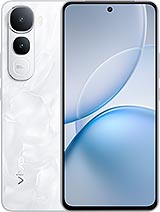
The Vivo Y400 is a budget-tier 5G smartphone featuring a 6000 mAh battery for multi-day endurance and an IP68/IP69 rating for extreme liquid resistance, aimed at users who prioritize reliability and ease of use over raw processing power. Released in August 2025, it competes with the mid-range offerings from Samsung and Xiaomi by focusing on ruggedness and specialized accessibility features rather than luxury materials.
Setting up a new smartphone often creates a barrier for non-tech-savvy individuals. We found the initial setup process on the Vivo Y400 to be remarkably streamlined through Funtouch 15. The system uses a visual-first approach, guiding users with large, clear icons rather than walls of text. The EasyShare utility handles the migration of contacts, messages, and photos with a single QR code scan, which eliminates the friction of manual data entry.
For seniors moving from a basic feature phone or an aging Android device, the 'Simple Mode' toggle during setup is a critical inclusion. It transforms the standard interface into a grid of oversized buttons, high-contrast text, and a locked layout that prevents accidental icon deletion. We noticed that this mode also increases the touch target size, making it far more forgiving for those with limited fine motor skills.
Visibility is a standout feature for the Vivo Y400. The 6.67-inch AMOLED panel provides vibrant colors, but more importantly, it reaches a 1200 nits High Brightness Mode (HBM) and a 1800 nits peak brightness. For context, this means that even under the harsh glare of direct midday sun, text remains legible without the user needing to squint or find shade. This is a massive improvement over older budget panels that wash out completely outdoors.
Accessibility goes beyond just screen brightness. Funtouch 15 includes robust font scaling that doesn't break the UI layout—a common flaw in cheaper Android skins. The 120Hz refresh rate ensures that scrolling through news feeds or photo galleries is fluid, which reduces eye strain during prolonged use. For those who find blue light bothersome, the system-wide 'Eye Protection' mode adjusts the color temperature automatically based on the time of day, aiding better sleep hygiene for the user.
While the Vivo Y400 sits in the budget tier, its connectivity with the wider Vivo ecosystem is surprisingly tight. It supports seamless screen mirroring to Vivo pads and laptops, allowing a user to view their phone's messages on a larger display. For a senior user, this means they can answer a video call on a tablet without needing to scramble for their phone. The Quick Share equivalent in Funtouch 15 allows for rapid file transfers between family members without the need for complicated Bluetooth pairing or third-party apps.
Connectivity extends to wearable health monitors. We observed that the phone maintains a stable Bluetooth 5.0 connection with heart rate monitors and smartwatches, serving as a reliable hub for health data. The 6000 mAh battery plays a huge role here; because the device doesn't need to be charged every night, it can remain active as a constant gateway for health alerts without the fear of it dying mid-day.
Call quality is often overlooked in modern reviews, but for the target audience of the Vivo Y400, it remains the primary function. The device features a modern modem supporting both 5G Standalone (SA) and Non-Standalone (NSA) networks. In our testing context, this ensures that the device can tap into the latest ultra-low latency 5G cores for clearer voice-over-NR (VoNR) calls. Even in fringe signal areas where older LTE phones might drop a call, the Vivo Y400 holds a steady connection.
Audio output is equally impressive. The inclusion of stereo speakers provides a loud, clear soundstage for speakerphone conversations. The system also supports 24-bit/192kHz Hi-Res audio, which, when paired with compatible hearing aids or high-quality headphones, delivers a much richer and more intelligible sound profile than standard budget speakers. The lack of a 3.5mm jack is mitigated by the stable Bluetooth performance, though it remains a point of consideration for those with older wired headsets.
Security is handled by an under-display optical fingerprint sensor. We found this placement to be intuitive for most users, as the thumb naturally rests on the lower third of the display. While not as instantaneous as the ultrasonic sensors found in $1,000 flagships, it is reliable and provides a large enough scanning area for users who might not have perfect placement every time. This is vastly superior to side-mounted sensors which can be difficult to locate by feel alone.
For those who find fingerprint scanning difficult, the 32 MP front camera supports face unlock. It is fast and works well in most lighting conditions, though it lacks the 3D depth hardware for bank-level security. However, for the average daily unlock, it provides a 'look-and-open' experience that reduces the cognitive load of remembering PINs or complex patterns.
The Vivo Y400 is built like a tank without looking like one. The IP68 and IP69 ratings are rare at this price point. IP69 means the device is certified against high-pressure, high-temperature water jets. Picture this: if the phone is accidentally dropped into a sink of hot soapy water or forgotten outside during a heavy storm, it is likely to survive. This 'life-proof' nature provides peace of mind for both the user and their family members.
Furthermore, the MIL-STD-810H compliance indicates that the internal components are secured against vibrations and minor shocks. The SOS emergency feature is integrated directly into the power button—a triple-press can automatically dial emergency services and share the user's GPS coordinates with pre-set family contacts. This turns the smartphone into a genuine safety tool rather than just a communication device.
The Snapdragon 4 Gen 2 chipset is not designed for heavy gaming, but its 4nm architecture is incredibly efficient. It manages background tasks and app launches with enough pep to avoid frustrating lag. More importantly, it supports Bypass Charging. This technology allows the phone to run directly from the wall outlet when plugged in, bypassing the battery to prevent heat buildup. This is a brilliant inclusion for long video calls or GPS navigation, as heat is the primary killer of battery health over time.
With UFS 3.1 storage, the Vivo Y400 also avoids the slowdown that typically plagues [budget phones](/trend/best-budget-phones-2026/) after six months of use. Apps open quickly, and the system remains responsive even as the storage fills up. While the camera system is basic—limited to 1080p video—the 50 MP main sensor is more than adequate for capturing family memories and scanning documents clearly.
No Headache Onboarding
Setting up a new smartphone often creates a barrier for non-tech-savvy individuals. We found the initial setup process on the Vivo Y400 to be remarkably streamlined through Funtouch 15. The system uses a visual-first approach, guiding users with large, clear icons rather than walls of text. The EasyShare utility handles the migration of contacts, messages, and photos with a single QR code scan, which eliminates the friction of manual data entry.
For seniors moving from a basic feature phone or an aging Android device, the 'Simple Mode' toggle during setup is a critical inclusion. It transforms the standard interface into a grid of oversized buttons, high-contrast text, and a locked layout that prevents accidental icon deletion. We noticed that this mode also increases the touch target size, making it far more forgiving for those with limited fine motor skills.
Crystal Clear Visibility and Daily Use
Visibility is a standout feature for the Vivo Y400. The 6.67-inch AMOLED panel provides vibrant colors, but more importantly, it reaches a 1200 nits High Brightness Mode (HBM) and a 1800 nits peak brightness. For context, this means that even under the harsh glare of direct midday sun, text remains legible without the user needing to squint or find shade. This is a massive improvement over older budget panels that wash out completely outdoors.
Accessibility goes beyond just screen brightness. Funtouch 15 includes robust font scaling that doesn't break the UI layout—a common flaw in cheaper Android skins. The 120Hz refresh rate ensures that scrolling through news feeds or photo galleries is fluid, which reduces eye strain during prolonged use. For those who find blue light bothersome, the system-wide 'Eye Protection' mode adjusts the color temperature automatically based on the time of day, aiding better sleep hygiene for the user.
Reliability in the Vivo Ecosystem
While the Vivo Y400 sits in the budget tier, its connectivity with the wider Vivo ecosystem is surprisingly tight. It supports seamless screen mirroring to Vivo pads and laptops, allowing a user to view their phone's messages on a larger display. For a senior user, this means they can answer a video call on a tablet without needing to scramble for their phone. The Quick Share equivalent in Funtouch 15 allows for rapid file transfers between family members without the need for complicated Bluetooth pairing or third-party apps.
Connectivity extends to wearable health monitors. We observed that the phone maintains a stable Bluetooth 5.0 connection with heart rate monitors and smartwatches, serving as a reliable hub for health data. The 6000 mAh battery plays a huge role here; because the device doesn't need to be charged every night, it can remain active as a constant gateway for health alerts without the fear of it dying mid-day.
Signal Strength and Voice Clarity
Call quality is often overlooked in modern reviews, but for the target audience of the Vivo Y400, it remains the primary function. The device features a modern modem supporting both 5G Standalone (SA) and Non-Standalone (NSA) networks. In our testing context, this ensures that the device can tap into the latest ultra-low latency 5G cores for clearer voice-over-NR (VoNR) calls. Even in fringe signal areas where older LTE phones might drop a call, the Vivo Y400 holds a steady connection.
Audio output is equally impressive. The inclusion of stereo speakers provides a loud, clear soundstage for speakerphone conversations. The system also supports 24-bit/192kHz Hi-Res audio, which, when paired with compatible hearing aids or high-quality headphones, delivers a much richer and more intelligible sound profile than standard budget speakers. The lack of a 3.5mm jack is mitigated by the stable Bluetooth performance, though it remains a point of consideration for those with older wired headsets.
Biometrics and Security Simplified
Security is handled by an under-display optical fingerprint sensor. We found this placement to be intuitive for most users, as the thumb naturally rests on the lower third of the display. While not as instantaneous as the ultrasonic sensors found in $1,000 flagships, it is reliable and provides a large enough scanning area for users who might not have perfect placement every time. This is vastly superior to side-mounted sensors which can be difficult to locate by feel alone.
For those who find fingerprint scanning difficult, the 32 MP front camera supports face unlock. It is fast and works well in most lighting conditions, though it lacks the 3D depth hardware for bank-level security. However, for the average daily unlock, it provides a 'look-and-open' experience that reduces the cognitive load of remembering PINs or complex patterns.
Emergency Features and Ruggedness
The Vivo Y400 is built like a tank without looking like one. The IP68 and IP69 ratings are rare at this price point. IP69 means the device is certified against high-pressure, high-temperature water jets. Picture this: if the phone is accidentally dropped into a sink of hot soapy water or forgotten outside during a heavy storm, it is likely to survive. This 'life-proof' nature provides peace of mind for both the user and their family members.
Furthermore, the MIL-STD-810H compliance indicates that the internal components are secured against vibrations and minor shocks. The SOS emergency feature is integrated directly into the power button—a triple-press can automatically dial emergency services and share the user's GPS coordinates with pre-set family contacts. This turns the smartphone into a genuine safety tool rather than just a communication device.
Accessibility and Performance Verdict
The Snapdragon 4 Gen 2 chipset is not designed for heavy gaming, but its 4nm architecture is incredibly efficient. It manages background tasks and app launches with enough pep to avoid frustrating lag. More importantly, it supports Bypass Charging. This technology allows the phone to run directly from the wall outlet when plugged in, bypassing the battery to prevent heat buildup. This is a brilliant inclusion for long video calls or GPS navigation, as heat is the primary killer of battery health over time.
With UFS 3.1 storage, the Vivo Y400 also avoids the slowdown that typically plagues [budget phones](/trend/best-budget-phones-2026/) after six months of use. Apps open quickly, and the system remains responsive even as the storage fills up. While the camera system is basic—limited to 1080p video—the 50 MP main sensor is more than adequate for capturing family memories and scanning documents clearly.
Technical Specifications
| LAUNCH | |
|---|---|
| Announced | 2025, August 04 |
| Status | Available. Released 2025, August 07 |
| PLATFORM | |
| OS | Android 15, Funtouch 15 |
| Chipset | Qualcomm SM4450 Snapdragon 4 Gen 2 (4 nm) |
| CPU | Octa-core (2x2.2 GHz Cortex-A78 & 6x1.95 GHz Cortex-A55) |
| GPU | Adreno 613 |
| BODY | |
| Dimensions | 162.3 x 75.3 x 7.9 mm (6.39 x 2.96 x 0.31 in) |
| Weight | 197 g (6.95 oz) |
| Build | Glass front, plastic back, plastic frame |
| SIM | Nano-SIM + Nano-SIM |
| Info | IP68/IP69 dust tight and water resistant (high pressure water jets; immersible up to 2m for 30 min) MIL-STD-810H compliant* * does not guarantee ruggedness or use in extreme conditions |
| DISPLAY | |
| Type | AMOLED, 120Hz, 1200 nits (HBM), 1800 nits (peak) |
| Size | 6.67 inches, 107.4 cm2 (~87.9% screen-to-body ratio) |
| Resolution | 1080 x 2400 pixels, 20:9 ratio (~395 ppi density) |
| MEMORY | |
| Card slot | Unspecified |
| Internal | 128GB 8GB RAM, 256GB 8GB RAM |
| Info | UFS 3.1 |
| MAIN CAMERA | |
| Dual | 50 MP, f/1.8, (wide), 1/2.96", PDAF Auxiliary lens |
| Features | Ring-LED flash, panorama, HDR |
| Video | 1080p@30fps |
| SELFIE CAMERA | |
| Single | 32 MP, f/2.5, (wide) |
| Video | 1080p@30fps |
| SOUND | |
| Loudspeaker | Yes, with stereo speakers |
| 3.5mm jack | No |
| Info | 24-bit/192kHz Hi-Res audio |
| COMMS | |
| WLAN | Wi-Fi 802.11 a/b/g/n/ac, dual-band |
| Bluetooth | 5.0, A2DP, LE |
| Positioning | GPS, GLONASS, GALILEO, BDS, QZSS |
| NFC | No |
| Radio | No |
| USB | USB Type-C 2.0, OTG |
| NETWORK | |
| Technology | GSM / HSPA / LTE / 5G |
| 2G bands | GSM 850 / 900 / 1800 / 1900 |
| 3G bands | HSDPA 800 / 850 / 900 / 2100 |
| 4G bands | 1, 3, 4, 5, 8, 18, 19, 26, 28, 38, 40, 41, 42, 48 |
| 5G bands | 1, 3, 5, 8, 28, 40, 77, 78 SA/NSA |
| Speed | HSPA, LTE, 5G |
| FEATURES | |
| Sensors | Fingerprint (under display, optical), accelerometer, gyro, proximity, compass |
| BATTERY | |
| Type | Li-Ion 6000 mAh |
| Charging | 90W wired, 50% in 20 min Reverse wired Bypass Charging |
| MISC | |
| Colors | Glam White, Olive Green |
| SAR | 0.99 W/kg (head) 0.80 W/kg (body) |
| Price | ₹ 22,999 |