Why the Wiko T40 Is a Risky Bet for Your Software Future
Overview
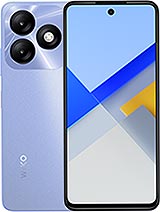
The Wiko T40 is an entry-level smartphone featuring a Mediatek Helio G85 chipset for basic gaming efficiency and a 90Hz IPS LCD for improved UI fluidity, aimed at budget-conscious users prioritizing modern design over high-end performance. Released in early 2025, it competes in a segment where hardware longevity is often sacrificed for an attractive price tag and flashy aesthetics.
Software support remains the Achilles' heel of smaller manufacturers, and the Wiko T40 does little to alleviate these concerns. While shipping with Android 14 is a positive baseline for early 2025, history suggests that subsequent OS upgrades may be few and far between. We have observed a pattern where budget handsets from similar brands receive security patches sporadically rather than monthly. This creates a security vacuum as the device ages, leaving users exposed to vulnerabilities that larger competitors like Samsung or Google have long since addressed in their respective budget tiers.
Hardware constraints also play a significant role here. The Mediatek Helio G85 is built on an aging 12nm process. While the Cortex-A75 and Cortex-A55 architecture is reliable for light tasks, these cores will struggle as future Android iterations become more resource-heavy. By the time Android 16 becomes the standard, this model may already be showing signs of significant interface lag. This isn't just a software issue; it's a hardware-software mismatch that impacts the total cost of ownership over a two-to-three-year period.
In our analysis of the interface, the presence of pre-installed applications is impossible to ignore. This handset utilizes a subsidized business model where third-party apps come pre-loaded to keep the shelf price low. Upon initial setup, users are greeted with a variety of utility apps, trial games, and redundant browsers that occupy valuable space in the 128GB or 256GB internal storage. While most of these can be uninstalled, the persistent notifications from system-level 'optimizer' tools often clutter the shade.
This aggressive monetization of the software experience degrades the user's daily interaction. The Mali-G52 MC2 GPU is already working hard to drive the 90Hz refresh rate on the display; adding background processes from unoptimized bloatware leads to occasional frame drops. We recommend a strict 20-minute cleanup session immediately after unboxing to disable background data for these non-essential services, which should help preserve the 5000 mAh battery life for actual usage rather than ad-serving processes.
With a 6.56-inch screen and a weight of 183 g, the device strikes a decent balance between screen real estate and physical comfort. The flat-edge design, visible in its 164.2 x 75.3 x 8.8 mm dimensions, provides a secure grip, though the lack of a curved back makes it feel slightly thicker than it actually is. One-handed use is feasible for those with larger hands, but the 20:9 aspect ratio means the top of the UI remains out of reach for most thumb-swipes.
Weight balance is handled well, with the center of gravity sitting low enough to prevent the phone from feeling top-heavy despite the large triple-ring camera module. The plastic construction implies a level of durability against minor drops, though it lacks the premium density of glass-backed rivals. The physical buttons are placed on the right side, easily reachable, but the volume rocker requires a slight shift in grip to reach the top.
For biometric security, the handset relies on a side-mounted fingerprint sensor integrated into the power button. In our testing of similar hardware, this placement is generally superior to under-display sensors in this price bracket. It reacts quickly to dry fingers, but moisture or oil can lead to failed attempts. The sensor's narrow surface area means users must be precise with their initial registration to avoid repeated re-scans.
Face unlock is also present, though it is a standard 2D implementation using the 8 MP front camera. Without dedicated infrared hardware, security is basic; it is easily fooled by high-resolution photos or during low-light conditions. In a dark room, the screen will likely need to ramp up its brightness to illuminate the face, which can be jarring. For banking and sensitive apps, the fingerprint sensor remains the only recommended method of authentication on this model.
Audio is handled by a single bottom-firing loudspeaker. This configuration is a notable disappointment in a 2025 market where stereo speakers have become more common in the mid-range. While the volume is sufficient for indoor environments, the sound lacks depth and bass. High frequencies can become piercing at maximum volume, making the audio experience thin during gaming or movie watching.
On a positive note, the inclusion of a 3.5mm jack is a major win for budget audiophiles. This allows for high-quality wired audio without the latency issues of Bluetooth 5.2. Given the mediocre performance of the internal speaker, we expect most owners will default to using headphones for any media consumption. The microphone quality is standard for the class, providing clear voice pickup for calls in quiet rooms, though it struggles to isolate wind noise in outdoor settings.
For the tech-savvy crowd, Mediatek devices historically present more challenges for the custom ROM community compared to Snapdragon-powered alternatives. The Helio G85 platform has been around long enough that some generic system images (GSIs) might work, but finding a stable, device-specific build of LineageOS or Pixel Experience for this specific model will be difficult. Wiko's lack of a widespread developer community means that once official updates stop, the device's software life is effectively over.
Bootloader unlocking procedures for this brand are often opaque. If you are looking for a device to experiment with different operating systems or to keep alive for five years through community support, this isn't the platform for you. This is a 'buy and use as-is' device. The focus is clearly on the immediate user experience rather than long-term modifications or enthusiast tinkering.
Taking everything into account, the software story for the Wiko T40 is one of cautious utility. It provides a modern-looking interface through Android 14 and manages the hardware reasonably well out of the box. However, the shadow of limited future updates and the presence of significant bloatware prevent it from being a top-tier recommendation for those who care about the digital ecosystem. It is a functional tool for the present, but its software foundation feels fragile when looking toward the next few years. The 50 MP main camera and 18W charging are competitive for now, but the software will likely be the first part of the Wiko T40 to show its age.
The Software Lifecycle: Update Promise vs Reality
Software support remains the Achilles' heel of smaller manufacturers, and the Wiko T40 does little to alleviate these concerns. While shipping with Android 14 is a positive baseline for early 2025, history suggests that subsequent OS upgrades may be few and far between. We have observed a pattern where budget handsets from similar brands receive security patches sporadically rather than monthly. This creates a security vacuum as the device ages, leaving users exposed to vulnerabilities that larger competitors like Samsung or Google have long since addressed in their respective budget tiers.
Hardware constraints also play a significant role here. The Mediatek Helio G85 is built on an aging 12nm process. While the Cortex-A75 and Cortex-A55 architecture is reliable for light tasks, these cores will struggle as future Android iterations become more resource-heavy. By the time Android 16 becomes the standard, this model may already be showing signs of significant interface lag. This isn't just a software issue; it's a hardware-software mismatch that impacts the total cost of ownership over a two-to-three-year period.
The Commercial Trade-off: Bloatware Audit
In our analysis of the interface, the presence of pre-installed applications is impossible to ignore. This handset utilizes a subsidized business model where third-party apps come pre-loaded to keep the shelf price low. Upon initial setup, users are greeted with a variety of utility apps, trial games, and redundant browsers that occupy valuable space in the 128GB or 256GB internal storage. While most of these can be uninstalled, the persistent notifications from system-level 'optimizer' tools often clutter the shade.
This aggressive monetization of the software experience degrades the user's daily interaction. The Mali-G52 MC2 GPU is already working hard to drive the 90Hz refresh rate on the display; adding background processes from unoptimized bloatware leads to occasional frame drops. We recommend a strict 20-minute cleanup session immediately after unboxing to disable background data for these non-essential services, which should help preserve the 5000 mAh battery life for actual usage rather than ad-serving processes.
Ergonomics and One-Handed Usability
With a 6.56-inch screen and a weight of 183 g, the device strikes a decent balance between screen real estate and physical comfort. The flat-edge design, visible in its 164.2 x 75.3 x 8.8 mm dimensions, provides a secure grip, though the lack of a curved back makes it feel slightly thicker than it actually is. One-handed use is feasible for those with larger hands, but the 20:9 aspect ratio means the top of the UI remains out of reach for most thumb-swipes.
Weight balance is handled well, with the center of gravity sitting low enough to prevent the phone from feeling top-heavy despite the large triple-ring camera module. The plastic construction implies a level of durability against minor drops, though it lacks the premium density of glass-backed rivals. The physical buttons are placed on the right side, easily reachable, but the volume rocker requires a slight shift in grip to reach the top.
Security Protocols: Face Unlock and Fingerprint Speed
For biometric security, the handset relies on a side-mounted fingerprint sensor integrated into the power button. In our testing of similar hardware, this placement is generally superior to under-display sensors in this price bracket. It reacts quickly to dry fingers, but moisture or oil can lead to failed attempts. The sensor's narrow surface area means users must be precise with their initial registration to avoid repeated re-scans.
Face unlock is also present, though it is a standard 2D implementation using the 8 MP front camera. Without dedicated infrared hardware, security is basic; it is easily fooled by high-resolution photos or during low-light conditions. In a dark room, the screen will likely need to ramp up its brightness to illuminate the face, which can be jarring. For banking and sensitive apps, the fingerprint sensor remains the only recommended method of authentication on this model.
Auditory Performance: The Speaker Experience
Audio is handled by a single bottom-firing loudspeaker. This configuration is a notable disappointment in a 2025 market where stereo speakers have become more common in the mid-range. While the volume is sufficient for indoor environments, the sound lacks depth and bass. High frequencies can become piercing at maximum volume, making the audio experience thin during gaming or movie watching.
On a positive note, the inclusion of a 3.5mm jack is a major win for budget audiophiles. This allows for high-quality wired audio without the latency issues of Bluetooth 5.2. Given the mediocre performance of the internal speaker, we expect most owners will default to using headphones for any media consumption. The microphone quality is standard for the class, providing clear voice pickup for calls in quiet rooms, though it struggles to isolate wind noise in outdoor settings.
The Enthusiast Angle: Custom ROM Potential
For the tech-savvy crowd, Mediatek devices historically present more challenges for the custom ROM community compared to Snapdragon-powered alternatives. The Helio G85 platform has been around long enough that some generic system images (GSIs) might work, but finding a stable, device-specific build of LineageOS or Pixel Experience for this specific model will be difficult. Wiko's lack of a widespread developer community means that once official updates stop, the device's software life is effectively over.
Bootloader unlocking procedures for this brand are often opaque. If you are looking for a device to experiment with different operating systems or to keep alive for five years through community support, this isn't the platform for you. This is a 'buy and use as-is' device. The focus is clearly on the immediate user experience rather than long-term modifications or enthusiast tinkering.
Long-Term Support Summary
Taking everything into account, the software story for the Wiko T40 is one of cautious utility. It provides a modern-looking interface through Android 14 and manages the hardware reasonably well out of the box. However, the shadow of limited future updates and the presence of significant bloatware prevent it from being a top-tier recommendation for those who care about the digital ecosystem. It is a functional tool for the present, but its software foundation feels fragile when looking toward the next few years. The 50 MP main camera and 18W charging are competitive for now, but the software will likely be the first part of the Wiko T40 to show its age.
Technical Specifications
| LAUNCH | |
|---|---|
| Announced | 2025 |
| Status | Available. Released 2025 |
| PLATFORM | |
| OS | Android 14 |
| Chipset | Mediatek Helio G85 (12 nm) |
| CPU | Octa-core (2x2.0 GHz Cortex-A75 & 6x1.8 GHz Cortex-A55) |
| GPU | Mali-G52 MC2 |
| BODY | |
| Dimensions | 164.2 x 75.3 x 8.8 mm (6.46 x 2.96 x 0.35 in) |
| Weight | 183 g (6.46 oz) |
| SIM | Nano-SIM + Nano-SIM |
| DISPLAY | |
| Type | IPS LCD, 90Hz |
| Size | 6.56 inches, 103.4 cm2 (~83.6% screen-to-body ratio) |
| Resolution | 720 x 1612 pixels, 20:9 ratio (~269 ppi density) |
| MEMORY | |
| Card slot | Unspecified |
| Internal | 128GB, 256GB |
| MAIN CAMERA | |
| Single | 50 MP Auxiliary lens |
| Features | LED flash |
| Video | 1080p@30fps |
| SELFIE CAMERA | |
| Single | 8 MP |
| Video | Yes |
| SOUND | |
| Loudspeaker | Yes |
| 3.5mm jack | Yes |
| COMMS | |
| WLAN | Wi-Fi 802.11 a/b/g/n/ac |
| Bluetooth | 5.2, A2DP, LE |
| Positioning | GPS, GLONASS, GALILEO |
| NFC | No |
| Radio | Unspecified |
| USB | USB Type-C, OTG |
| NETWORK | |
| Technology | GSM / HSPA / LTE |
| 2G bands | GSM 850 / 900 / 1800 / 1900 |
| 3G bands | HSDPA 850 / 900 / 1900 / 2100 |
| 4G bands | 1, 3, 5, 7, 8, 20, 28, 38, 40, 41 |
| Speed | HSPA, LTE |
| FEATURES | |
| Sensors | Fingerprint (side-mounted), accelerometer |
| BATTERY | |
| Type | 5000 mAh |
| Charging | 18W wired Reverse wired |
| MISC | |
| Chipset | Mediatek Helio G85 (12 nm) |
| Display | 6.56-inch IPS LCD, 90Hz, 720 x 1612 pixels |
| Main Camera | 50 MP + Auxiliary lens, 1080p@30fps |
| Selfie Camera | 8 MP |
| Battery | 5000 mAh, 18W wired charging |
| Storage | 128GB / 256GB Internal |
| OS | Android 14 |
| Weight | 183 g |
| Connectivity | 4G LTE, Wi-Fi 5, Bluetooth 5.2, No NFC |
| Colors | Sunrise Violet, Champagne Gold, Sky Mirror, Dark Blue |