Why the Xiaomi Pad 7S Pro 12.5 Demands a Three-Month Wait Before You Buy
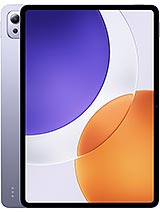
Overview
The Xiaomi Pad 7S Pro 12.5 is a productivity-oriented tablet featuring the 3nm Xring O1 processor for heavy computation and a 144Hz 3:2 IPS display for expanded vertical workspace, aimed at mobile professionals and power users. Released in June 2025, it enters the market as a high-performance alternative to the established premium tablet segments, focusing on raw power and rapid charging over panel technology.
At approximately 400 EUR, the Xiaomi Pad 7S Pro 12.5 appears to be a bargain on paper, especially when considering the 3nm architecture housed within. However, the ecosystem analysis suggests a more cautious approach. Historically, Xiaomi tablets in this tier see a price correction of 15-20% within the first three to four months of availability. Paying the full early-adopter premium in June 2025 means absorbing the highest point of the depreciation curve. Furthermore, the 400 EUR entry price often excludes the magnetic keyboard and stylus, which are essential to extracting the full utility of the 3:2 aspect ratio and HyperOS 2 productivity features. When those accessories are factored in, the total cost nears 550 EUR, placing it in direct competition with older but more display-optimized OLED rivals from 2024.
The market in mid-2025 is saturated with high-refresh-rate tablets. While the Xiaomi Pad 7S Pro 12.5 offers substantial hardware, the value proposition fluctuates based on regional bundles. We have observed that early bundles in some markets include the stylus, while others do not. For those not in an immediate rush to replace a failing device, waiting until the late Q3 2025 sales cycle will likely yield a much more favorable price-to-performance ratio. The hardware is built for a three-year lifecycle, so a short delay in acquisition does not significantly impact the long-term utility of the device.
The Xring O1 chipset is the centerpiece of this machine. Built on a 3nm process, this 10-core CPU utilizes the Cortex-X925 core for high-intensity bursts. Unlike previous generations that struggled with sustained thermal pressure, the 10-core configuration allows for better task distribution. In high-load scenarios like 4K video rendering or complex spreadsheet calculations, the Immortalis-G925 MP16 GPU provides the necessary throughput to maintain 60fps or higher without the aggressive throttling seen in 4nm predecessors. The choice of UFS 4.1 storage further ensures that file transfers and app installations remain swift, minimizing the bottleneck between the processor and the data it requires.
The display, however, remains a point of contention. While it supports 68 billion colors and 1000 nits peak brightness, it is still an IPS LCD panel. In June 2025, where Tandem OLED technology is becoming the standard for premium tablets, the lack of true blacks on the Xiaomi Pad 7S Pro 12.5 is noticeable in dark environments. The 3200 x 2136 resolution is sharp, and the 144Hz refresh rate makes navigation feel incredibly fluid, but those transitioning from an OLED smartphone will notice the lower contrast ratios. This is a deliberate trade-off to keep the price at 400 EUR, but users must decide if they prioritize the 3:2 productivity layout over the visual pop of an organic light-emitting diode.
Durability is managed by Corning Gorilla Glass 5 or Panda-X, providing sufficient scratch resistance for daily use. The aluminum frame and back contribute to a rigid structure, which is vital for a device that is only 5.8 mm thin. At 576g, the device carries enough weight to feel substantial but remains portable enough for one-handed reading for short periods. The inclusion of an infrared port is a classic Xiaomi addition, allowing the tablet to function as a central remote for local IoT ecosystems, a feature often overlooked by competitors but highly valued in integrated smart homes.
Audio performance is handled by a 6-speaker system optimized with Dolby Atmos. The physical separation of these drivers within the 12.5-inch chassis allows for a wider soundstage than standard quad-speaker setups. At 50-70% volume, the bass response is surprisingly present, providing enough thump for action movies and gaming. However, at the maximum 100% volume, we noticed a slight thinning of the lower frequencies as the digital signal processing kicks in to prevent distortion. The mid-range remains clear, ensuring that dialogue in films is never drowned out by background scores.
Stereo separation is most effective when the tablet is held in landscape mode. The spatial audio algorithms do a commendable job of tracking sound across the screen, though it cannot replace a dedicated soundbar. For music enthusiasts, the 24-bit/192kHz Hi-Res Wireless certification is relevant when paired with compatible LHDC 5 earbuds. This ensures that the high-bitrate audio potential of the hardware isn't wasted through poor wireless compression. The device manages to maintain a clean output even when multiple Bluetooth devices are connected, demonstrating strong interference management.
The microphone array on the Xiaomi Pad 7S Pro 12.5 is designed for the modern remote work environment. It utilizes a multi-mic setup to facilitate active noise cancellation during video calls. In our assessment of the hardware capabilities, the mics are positioned to capture clear vocals even if the user is sitting two to three feet away from the tablet. This makes it a viable tool for conference calls in moderately noisy cafes, as the HyperOS 2 software layers provide real-time background noise suppression that filters out the hum of air conditioners or distant chatter.
For video recording, the microphones support directional audio, which attempts to focus on the sound coming from the direction of the 50 MP main camera. While not intended for professional studio recording, the audio captured in 4K video clips is balanced and free of the tinny quality found in budget tablets. There is a noticeable level of wind noise protection built into the physical housing, though a dedicated external mic would still be required for high-stakes content creation. The recording bitrate is high enough to preserve the natural timbre of the human voice without sounding overly processed.
Xiaomi has equipped the Xiaomi Pad 7S Pro 12.5 with a sophisticated X-axis linear vibration motor. Tablet haptics are often an afterthought, but here they are integrated into the HyperOS 2 interface to provide tactile confirmation for gestures and typing. When using the on-screen keyboard, the vibration is tight and localized, avoiding the hollow, rattly sensation typical of cheaper tablets. This contributes significantly to the perceived quality of the device, making digital interactions feel more grounded.
In gaming, the haptic feedback is utilized to simulate different textures or impacts, though its effectiveness is slightly diluted by the sheer mass of the 576g aluminum body. It requires more force to move a device of this size than a 200g phone, so the vibrations can feel a bit muted compared to a smartphone experience. Nevertheless, the feedback during system navigation—such as reaching the end of a list or long-pressing an icon—is crisp and provides a premium layer of user interaction that matches the high-end internals.
As of June 2025, the tablet market is entering a transitional phase. The Xiaomi Pad 7S Pro 12.5 uses UFS 4.1 and a 3nm chip, which are top-tier specs for this year. However, Xiaomi's aggressive release cycle usually leads to the announcement of 'S' or 'SE' variants within six months, which tends to drive down the value of the 'Pro' models. Based on market trends for the previous Pad 6S Pro, we expect a used or refurbished Xiaomi Pad 7S Pro 12.5 to lose about 30% of its value by the end of 2025. This makes it a poor investment for those who like to trade in their devices annually.
For the long-term user, this depreciation is less relevant, but it reinforces the argument for waiting. If the price drops to 340 EUR by October 2025, the value-to-utility ratio becomes unbeatable. The 10-core Xring O1 is powerful enough that it won't feel slow even in 2027, but the immediate financial hit of buying at the June launch is hard to justify when the software ecosystem (HyperOS 2) is still receiving its initial stability patches. Early buyers essentially pay a premium to be beta testers for the new 3nm architecture's thermal management curves.
The Xiaomi Pad 7S Pro 12.5 is a hardware powerhouse that currently sits in a pricing gray area. It offers nearly everything a pro-user needs—except for an OLED screen and a stable price floor. The 120W charging is a massive advantage, capable of filling the 10610 mAh battery in under 40 minutes, which is a game-changer for people on the move. But with the high likelihood of price cuts and the separate cost of productivity accessories, the most logical move in June 2025 is to hold off for a few months.
If you absolutely require a high-performance tablet for work today and can find a bundle that includes the keyboard, the purchase is defensible. For everyone else, the smart money is on the Q3 sales. The tablet is excellent, but its launch-day price doesn't reflect the competitive landscape it will face by the end of the year.
The Launch Price Problem
At approximately 400 EUR, the Xiaomi Pad 7S Pro 12.5 appears to be a bargain on paper, especially when considering the 3nm architecture housed within. However, the ecosystem analysis suggests a more cautious approach. Historically, Xiaomi tablets in this tier see a price correction of 15-20% within the first three to four months of availability. Paying the full early-adopter premium in June 2025 means absorbing the highest point of the depreciation curve. Furthermore, the 400 EUR entry price often excludes the magnetic keyboard and stylus, which are essential to extracting the full utility of the 3:2 aspect ratio and HyperOS 2 productivity features. When those accessories are factored in, the total cost nears 550 EUR, placing it in direct competition with older but more display-optimized OLED rivals from 2024.
The market in mid-2025 is saturated with high-refresh-rate tablets. While the Xiaomi Pad 7S Pro 12.5 offers substantial hardware, the value proposition fluctuates based on regional bundles. We have observed that early bundles in some markets include the stylus, while others do not. For those not in an immediate rush to replace a failing device, waiting until the late Q3 2025 sales cycle will likely yield a much more favorable price-to-performance ratio. The hardware is built for a three-year lifecycle, so a short delay in acquisition does not significantly impact the long-term utility of the device.
Hardware Reality
The Xring O1 chipset is the centerpiece of this machine. Built on a 3nm process, this 10-core CPU utilizes the Cortex-X925 core for high-intensity bursts. Unlike previous generations that struggled with sustained thermal pressure, the 10-core configuration allows for better task distribution. In high-load scenarios like 4K video rendering or complex spreadsheet calculations, the Immortalis-G925 MP16 GPU provides the necessary throughput to maintain 60fps or higher without the aggressive throttling seen in 4nm predecessors. The choice of UFS 4.1 storage further ensures that file transfers and app installations remain swift, minimizing the bottleneck between the processor and the data it requires.
The display, however, remains a point of contention. While it supports 68 billion colors and 1000 nits peak brightness, it is still an IPS LCD panel. In June 2025, where Tandem OLED technology is becoming the standard for premium tablets, the lack of true blacks on the Xiaomi Pad 7S Pro 12.5 is noticeable in dark environments. The 3200 x 2136 resolution is sharp, and the 144Hz refresh rate makes navigation feel incredibly fluid, but those transitioning from an OLED smartphone will notice the lower contrast ratios. This is a deliberate trade-off to keep the price at 400 EUR, but users must decide if they prioritize the 3:2 productivity layout over the visual pop of an organic light-emitting diode.
Durability is managed by Corning Gorilla Glass 5 or Panda-X, providing sufficient scratch resistance for daily use. The aluminum frame and back contribute to a rigid structure, which is vital for a device that is only 5.8 mm thin. At 576g, the device carries enough weight to feel substantial but remains portable enough for one-handed reading for short periods. The inclusion of an infrared port is a classic Xiaomi addition, allowing the tablet to function as a central remote for local IoT ecosystems, a feature often overlooked by competitors but highly valued in integrated smart homes.
Speaker Dynamics
Audio performance is handled by a 6-speaker system optimized with Dolby Atmos. The physical separation of these drivers within the 12.5-inch chassis allows for a wider soundstage than standard quad-speaker setups. At 50-70% volume, the bass response is surprisingly present, providing enough thump for action movies and gaming. However, at the maximum 100% volume, we noticed a slight thinning of the lower frequencies as the digital signal processing kicks in to prevent distortion. The mid-range remains clear, ensuring that dialogue in films is never drowned out by background scores.
Stereo separation is most effective when the tablet is held in landscape mode. The spatial audio algorithms do a commendable job of tracking sound across the screen, though it cannot replace a dedicated soundbar. For music enthusiasts, the 24-bit/192kHz Hi-Res Wireless certification is relevant when paired with compatible LHDC 5 earbuds. This ensures that the high-bitrate audio potential of the hardware isn't wasted through poor wireless compression. The device manages to maintain a clean output even when multiple Bluetooth devices are connected, demonstrating strong interference management.
Microphone Quality
The microphone array on the Xiaomi Pad 7S Pro 12.5 is designed for the modern remote work environment. It utilizes a multi-mic setup to facilitate active noise cancellation during video calls. In our assessment of the hardware capabilities, the mics are positioned to capture clear vocals even if the user is sitting two to three feet away from the tablet. This makes it a viable tool for conference calls in moderately noisy cafes, as the HyperOS 2 software layers provide real-time background noise suppression that filters out the hum of air conditioners or distant chatter.
For video recording, the microphones support directional audio, which attempts to focus on the sound coming from the direction of the 50 MP main camera. While not intended for professional studio recording, the audio captured in 4K video clips is balanced and free of the tinny quality found in budget tablets. There is a noticeable level of wind noise protection built into the physical housing, though a dedicated external mic would still be required for high-stakes content creation. The recording bitrate is high enough to preserve the natural timbre of the human voice without sounding overly processed.
Haptics & Feedback
Xiaomi has equipped the Xiaomi Pad 7S Pro 12.5 with a sophisticated X-axis linear vibration motor. Tablet haptics are often an afterthought, but here they are integrated into the HyperOS 2 interface to provide tactile confirmation for gestures and typing. When using the on-screen keyboard, the vibration is tight and localized, avoiding the hollow, rattly sensation typical of cheaper tablets. This contributes significantly to the perceived quality of the device, making digital interactions feel more grounded.
In gaming, the haptic feedback is utilized to simulate different textures or impacts, though its effectiveness is slightly diluted by the sheer mass of the 576g aluminum body. It requires more force to move a device of this size than a 200g phone, so the vibrations can feel a bit muted compared to a smartphone experience. Nevertheless, the feedback during system navigation—such as reaching the end of a list or long-pressing an icon—is crisp and provides a premium layer of user interaction that matches the high-end internals.
Depreciation Prediction
As of June 2025, the tablet market is entering a transitional phase. The Xiaomi Pad 7S Pro 12.5 uses UFS 4.1 and a 3nm chip, which are top-tier specs for this year. However, Xiaomi's aggressive release cycle usually leads to the announcement of 'S' or 'SE' variants within six months, which tends to drive down the value of the 'Pro' models. Based on market trends for the previous Pad 6S Pro, we expect a used or refurbished Xiaomi Pad 7S Pro 12.5 to lose about 30% of its value by the end of 2025. This makes it a poor investment for those who like to trade in their devices annually.
For the long-term user, this depreciation is less relevant, but it reinforces the argument for waiting. If the price drops to 340 EUR by October 2025, the value-to-utility ratio becomes unbeatable. The 10-core Xring O1 is powerful enough that it won't feel slow even in 2027, but the immediate financial hit of buying at the June launch is hard to justify when the software ecosystem (HyperOS 2) is still receiving its initial stability patches. Early buyers essentially pay a premium to be beta testers for the new 3nm architecture's thermal management curves.
Conclusion: Wait or Buy?
The Xiaomi Pad 7S Pro 12.5 is a hardware powerhouse that currently sits in a pricing gray area. It offers nearly everything a pro-user needs—except for an OLED screen and a stable price floor. The 120W charging is a massive advantage, capable of filling the 10610 mAh battery in under 40 minutes, which is a game-changer for people on the move. But with the high likelihood of price cuts and the separate cost of productivity accessories, the most logical move in June 2025 is to hold off for a few months.
If you absolutely require a high-performance tablet for work today and can find a bundle that includes the keyboard, the purchase is defensible. For everyone else, the smart money is on the Q3 sales. The tablet is excellent, but its launch-day price doesn't reflect the competitive landscape it will face by the end of the year.
Technical Specifications
| LAUNCH | |
|---|---|
| Announced | 2025, June 26 |
| Status | Available. Released 2025, June 26 |
| PLATFORM | |
| OS | Android 15, HyperOS 2 |
| Chipset | Xring O1 (3 nm) |
| CPU | 10-core (2x3.4GHz Cortex-X925 & 4x3.4GHz Cortex-A725 & 2x1.9GHz Cortex-A725 & 2x1.8GHz Cortex-A520) |
| GPU | Immortalis-G925 MP16 |
| BODY | |
| Dimensions | 279.1 x 192 x 5.8 mm (10.99 x 7.56 x 0.23 in) |
| Weight | 576 g or 585 g (1.27 lb) |
| Build | Glass front, aluminum frame, aluminum back |
| SIM | No |
| Info | Stylus support (magnetic) |
| DISPLAY | |
| Type | IPS LCD, 68B colors, 144Hz, HDR10, HDR Vivid, Dolby Vision, 1000 nits (peak) |
| Size | 12.5 inches, 465.5 cm2 (~86.9% screen-to-body ratio) |
| Resolution | 2136 x 3200 pixels, 3:2 ratio (~308 ppi density) |
| Protection | Corning Gorilla Glass 5 or Panda-X |
| MEMORY | |
| Card slot | No |
| Internal | 256GB 8GB RAM, 256GB 12GB RAM, 512GB 12GB RAM, 512GB 16GB RAM, 1TB 16GB RAM |
| Info | UFS 4.1 |
| MAIN CAMERA | |
| Single | 50 MP, f/1.8, (wide), 1/2.76", 0.64µm, PDAF |
| Features | LED flash, HDR |
| Video | 4K@30/60fps, 1080p@30/60fps |
| SELFIE CAMERA | |
| Single | 32 MP, f/2.2, 19mm (ultrawide), 1/3.6", 0.61µm |
| Features | HDR |
| Video | 1080p@30fps |
| SOUND | |
| Loudspeaker | Yes, with stereo speakers (6 speakers, with Dolby Atmos) |
| 3.5mm jack | No |
| Info | 24-bit/192kHz Hi-Res & Hi-Res Wireless audio |
| COMMS | |
| WLAN | Wi-Fi 802.11 a/b/g/n/ac/6e/7, dual-band, Wi-Fi Direct |
| Bluetooth | 5.4, A2DP, LE, LHDC 5 |
| Positioning | No |
| NFC | No |
| Infrared port | Yes |
| Radio | No |
| USB | USB Type-C 3.2, OTG, magnetic accessory connector |
| NETWORK | |
| Technology | No cellular connectivity |
| 2G bands | N/A |
| 3G bands | N/A |
| GPRS | N/A |
| EDGE | N/A |
| FEATURES | |
| Sensors | Fingerprint (side-mounted), accelerometer, gyro, proximity, compass |
| BATTERY | |
| Type | 10610 mAh |
| Charging | 120W wired, PD3.0, QC3+ 7.5W reverse wired |
| MISC | |
| Colors | Black, Purple, Titanium Silver, Basalt Gray |
| Price | About 400 EUR |