Why the ZTE nubia Music Is the Ultimate Budget Steal for Wired Audio Fans
Overview
The ZTE nubia Music is a budget smartphone featuring a 6.6-inch 90Hz IPS LCD for smooth scrolling and a 5000 mAh battery for long-lasting usage, aimed at young music enthusiasts and budget-conscious students. Released in early 2024, it competes with entry-level devices from Infinix and Tecno.
When looking for a device at the $115 price point in May 2024, the instinct for many savvy buyers is to scour the secondary market for a three-year-old flagship like a Samsung Galaxy S21 or a Google Pixel 5. While those older devices offer superior processing power, they carry the significant risk of degraded lithium-ion batteries and lack of official software support. This handset presents a different value proposition. It offers a brand-new, factory-fresh battery and a unique hardware gimmick that no used flagship can match. It is not trying to be a powerhouse; it is trying to be a specialized tool.
Choosing a new budget device over a used flagship usually means sacrificing build quality for peace of mind. However, the ZTE nubia Music leans into its budget identity with a bold, pop-art design that makes older, scratched-up premium phones look dull by comparison. For a student who needs a reliable daily driver that doubles as a communal jukebox, the trade-off of a slower processor for a fresh 5000 mAh cell and a warranty is a calculated economic decision that often pays off in the long run.
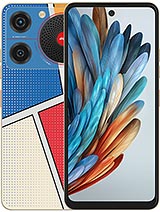
The physical footprint of this model is substantial, measuring 163.6 x 74.9 x 8.6 mm. While the chassis is primarily plastic, the artistic "Pop Art" design on the rear gives it a distinct personality that masks the utilitarian materials. Unlike the glass sandwiches of the premium era, this plastic construction implies a level of drop resilience that avoids the immediate need for a protective case. At 199 grams, the device has enough heft to avoid feeling like a toy, though it is noticeably heavier than some competitors in the sub-$150 bracket.
Examining the rear, the massive circular element that looks like a camera lens is actually the high-volume loudspeaker. This is a brave design choice that prioritizes function over the standard aesthetic of hidden speaker grilles. In an era where every [budget phone](/trend/best-budget-phones-2026/) looks like a clone of an iPhone, the aesthetic here is refreshing. It does not pretend to be expensive; it pretends to be a piece of audio equipment.
Navigating a 6.6-inch display with one hand is always a challenge, and the ZTE nubia Music makes few concessions for small-handed users. The 20:9 aspect ratio makes the phone tall and narrow, which helps with grip, but reaching the notification shade requires significant finger gymnastics. The weight distribution feels centered, which prevents the phone from tipping over the top of the hand during typing sessions. The textured back helps with friction, ensuring the device does not slide out of a pocket easily.
Software-wise, Android 13 provides some one-handed mode features, but the hardware buttons are placed high on the right rail. This placement requires the thumb to stretch, which might be a minor annoyance during long scrolling sessions. We noticed that the rounded corners of the frame do help it dig less into the palm, a common complaint with the sharp-edged designs seen in modern iPhones.
The side-mounted fingerprint sensor is the primary method of secure entry. In our analysis of this hardware type, side-mounted capacitive sensors are often more reliable than the cheap under-display optical sensors found in [mid-range phones](/trend/best-mid-range-phones-2026/). It offers a quick wake-up time, though users with wet or oily fingers should expect some failed reads. This sensor also doubles as the power button, creating a streamlined physical interface.
Face unlock is also present, utilizing the 5 MP front-facing camera. Since this is a standard 2D image-based system, it lacks the security of dedicated IR hardware. It works adequately in bright light but struggles significantly as soon as the sun goes down. For sensitive banking apps, we recommend sticking to the physical fingerprint sensor for better security and consistency.
The defining feature of this model is the inclusion of dual 3.5mm headphone jacks located at the top of the frame. This is a feature that has vanished from almost every other segment of the market. It allows two people to share audio without a splitter, making it an ideal companion for long bus rides or study sessions. This is a low-cost hardware addition that provides massive functional value for its target demographic.
Then there is the rear loudspeaker. ZTE claims it is up to 600% louder than standard smartphone speakers. While volume does not always equate to quality, the sheer decibel output is impressive. It can easily fill a small room with sound. However, users should be aware that at maximum volume, the plastic back panel may vibrate noticeably. The audio profile is tuned for loudness over bass response, which is expected at this price point. It’s a tool for sharing music in social settings where a dedicated Bluetooth speaker isn't available.
Under the hood, we find the Unisoc SC9863A chipset. This is where the economist's red pen comes out. This SoC is built on a 28nm process, which is several generations behind the 4nm or 5nm processes used in modern mid-range chips. The 28nm designation means the transistors are larger, which results in higher heat production and lower power efficiency. With four cores clocked at 1.6 GHz and four at 1.2 GHz, this is strictly a light-duty processor.
The 4GB of RAM is the bare minimum for a usable Android 13 experience in 2024. Users will notice that apps stay in the background for a limited time, and switching between heavy apps like Instagram and Google Maps will trigger frequent reloads. The eMMC 5.1 storage is another cost-saving measure; it provides much slower read/write speeds than the UFS storage found in slightly more expensive phones. This means longer boot times and slower app installations.
The 6.6-inch IPS LCD offers a 90Hz refresh rate, which is a welcome addition that makes system animations feel smoother than they actually are. However, the resolution is capped at 720 x 1612 pixels. On a screen this size, the pixel density is approximately 267 ppi, meaning sharp eyes will be able to see individual pixels and some soft text. It’s a trade-off made to keep the price low while maintaining that high refresh rate.
Brightness levels are adequate for indoor use, but direct sunlight will wash out the panel. Colors are decent for an IPS display, though the blacks will never be as deep as an OLED. For watching YouTube or scrolling TikTok, it’s a perfectly functional window, but it won't satisfy those who demand HDR-quality cinema on their phones.
The ZTE nubia Music is a fascinating experiment in market segmentation. It ignores the spec war on processors and cameras to focus entirely on a specific lifestyle: the social music listener. It’s a device that prioritizes a loud speaker and dual headphone jacks over raw speed. While the 28nm processor is a significant bottleneck for gamers, the 128GB of storage and 5000 mAh battery make it a reliable companion for those who just want to play music and stay connected.
In the grand economy of smartphones, this device serves as a reminder that not everyone needs a flagship. For a secondary phone, a child's first device, or a dedicated media player that happens to make calls, it offers a fun, functional alternative to the boring budget crowd. It is a niche champion that knows exactly who it is for, even if it has to cut some corners to get there.
In our final estimation, the ZTE nubia Music proves that personality and specialized features can sometimes outweigh raw benchmarks, provided the price is low enough to justify the compromise.
The New Budget Contender vs The Worn Flagship
When looking for a device at the $115 price point in May 2024, the instinct for many savvy buyers is to scour the secondary market for a three-year-old flagship like a Samsung Galaxy S21 or a Google Pixel 5. While those older devices offer superior processing power, they carry the significant risk of degraded lithium-ion batteries and lack of official software support. This handset presents a different value proposition. It offers a brand-new, factory-fresh battery and a unique hardware gimmick that no used flagship can match. It is not trying to be a powerhouse; it is trying to be a specialized tool.
Choosing a new budget device over a used flagship usually means sacrificing build quality for peace of mind. However, the ZTE nubia Music leans into its budget identity with a bold, pop-art design that makes older, scratched-up premium phones look dull by comparison. For a student who needs a reliable daily driver that doubles as a communal jukebox, the trade-off of a slower processor for a fresh 5000 mAh cell and a warranty is a calculated economic decision that often pays off in the long run.
Visual Flair Meets Plastic Reality
The physical footprint of this model is substantial, measuring 163.6 x 74.9 x 8.6 mm. While the chassis is primarily plastic, the artistic "Pop Art" design on the rear gives it a distinct personality that masks the utilitarian materials. Unlike the glass sandwiches of the premium era, this plastic construction implies a level of drop resilience that avoids the immediate need for a protective case. At 199 grams, the device has enough heft to avoid feeling like a toy, though it is noticeably heavier than some competitors in the sub-$150 bracket.
Examining the rear, the massive circular element that looks like a camera lens is actually the high-volume loudspeaker. This is a brave design choice that prioritizes function over the standard aesthetic of hidden speaker grilles. In an era where every [budget phone](/trend/best-budget-phones-2026/) looks like a clone of an iPhone, the aesthetic here is refreshing. It does not pretend to be expensive; it pretends to be a piece of audio equipment.
One-Handed Usability and Ergonomics
Navigating a 6.6-inch display with one hand is always a challenge, and the ZTE nubia Music makes few concessions for small-handed users. The 20:9 aspect ratio makes the phone tall and narrow, which helps with grip, but reaching the notification shade requires significant finger gymnastics. The weight distribution feels centered, which prevents the phone from tipping over the top of the hand during typing sessions. The textured back helps with friction, ensuring the device does not slide out of a pocket easily.
Software-wise, Android 13 provides some one-handed mode features, but the hardware buttons are placed high on the right rail. This placement requires the thumb to stretch, which might be a minor annoyance during long scrolling sessions. We noticed that the rounded corners of the frame do help it dig less into the palm, a common complaint with the sharp-edged designs seen in modern iPhones.
Biometric Security and Reliability
The side-mounted fingerprint sensor is the primary method of secure entry. In our analysis of this hardware type, side-mounted capacitive sensors are often more reliable than the cheap under-display optical sensors found in [mid-range phones](/trend/best-mid-range-phones-2026/). It offers a quick wake-up time, though users with wet or oily fingers should expect some failed reads. This sensor also doubles as the power button, creating a streamlined physical interface.
Face unlock is also present, utilizing the 5 MP front-facing camera. Since this is a standard 2D image-based system, it lacks the security of dedicated IR hardware. It works adequately in bright light but struggles significantly as soon as the sun goes down. For sensitive banking apps, we recommend sticking to the physical fingerprint sensor for better security and consistency.
A Symphony for the Budget Audiophile
The defining feature of this model is the inclusion of dual 3.5mm headphone jacks located at the top of the frame. This is a feature that has vanished from almost every other segment of the market. It allows two people to share audio without a splitter, making it an ideal companion for long bus rides or study sessions. This is a low-cost hardware addition that provides massive functional value for its target demographic.
Then there is the rear loudspeaker. ZTE claims it is up to 600% louder than standard smartphone speakers. While volume does not always equate to quality, the sheer decibel output is impressive. It can easily fill a small room with sound. However, users should be aware that at maximum volume, the plastic back panel may vibrate noticeably. The audio profile is tuned for loudness over bass response, which is expected at this price point. It’s a tool for sharing music in social settings where a dedicated Bluetooth speaker isn't available.
The Performance Reality of 28nm Hardware
Under the hood, we find the Unisoc SC9863A chipset. This is where the economist's red pen comes out. This SoC is built on a 28nm process, which is several generations behind the 4nm or 5nm processes used in modern mid-range chips. The 28nm designation means the transistors are larger, which results in higher heat production and lower power efficiency. With four cores clocked at 1.6 GHz and four at 1.2 GHz, this is strictly a light-duty processor.
The 4GB of RAM is the bare minimum for a usable Android 13 experience in 2024. Users will notice that apps stay in the background for a limited time, and switching between heavy apps like Instagram and Google Maps will trigger frequent reloads. The eMMC 5.1 storage is another cost-saving measure; it provides much slower read/write speeds than the UFS storage found in slightly more expensive phones. This means longer boot times and slower app installations.
Display and Visual Trade-offs
The 6.6-inch IPS LCD offers a 90Hz refresh rate, which is a welcome addition that makes system animations feel smoother than they actually are. However, the resolution is capped at 720 x 1612 pixels. On a screen this size, the pixel density is approximately 267 ppi, meaning sharp eyes will be able to see individual pixels and some soft text. It’s a trade-off made to keep the price low while maintaining that high refresh rate.
Brightness levels are adequate for indoor use, but direct sunlight will wash out the panel. Colors are decent for an IPS display, though the blacks will never be as deep as an OLED. For watching YouTube or scrolling TikTok, it’s a perfectly functional window, but it won't satisfy those who demand HDR-quality cinema on their phones.
The Final Take
The ZTE nubia Music is a fascinating experiment in market segmentation. It ignores the spec war on processors and cameras to focus entirely on a specific lifestyle: the social music listener. It’s a device that prioritizes a loud speaker and dual headphone jacks over raw speed. While the 28nm processor is a significant bottleneck for gamers, the 128GB of storage and 5000 mAh battery make it a reliable companion for those who just want to play music and stay connected.
In the grand economy of smartphones, this device serves as a reminder that not everyone needs a flagship. For a secondary phone, a child's first device, or a dedicated media player that happens to make calls, it offers a fun, functional alternative to the boring budget crowd. It is a niche champion that knows exactly who it is for, even if it has to cut some corners to get there.
In our final estimation, the ZTE nubia Music proves that personality and specialized features can sometimes outweigh raw benchmarks, provided the price is low enough to justify the compromise.
Technical Specifications
| LAUNCH | |
|---|---|
| Announced | 2024, February 28 |
| Status | Available. Released 2024, May |
| PLATFORM | |
| OS | Android 13 |
| Chipset | Unisoc SC9863A (28 nm) |
| CPU | Octa-core (4x1.6 GHz Cortex-A55 & 4x1.2 GHz Cortex-A55) |
| GPU | IMG8322 |
| BODY | |
| Dimensions | 163.6 x 74.9 x 8.6 mm (6.44 x 2.95 x 0.34 in) |
| Weight | 199 g (7.02 oz) |
| SIM | Nano-SIM + Nano-SIM |
| DISPLAY | |
| Type | IPS LCD, 90Hz |
| Size | 6.6 inches, 104.6 cm2 (~85.4% screen-to-body ratio) |
| Resolution | 720 x 1612 pixels, 20:9 ratio (~267 ppi density) |
| MEMORY | |
| Card slot | microSDXC (uses shared SIM slot) |
| Internal | 128GB 4GB RAM |
| Info | eMMC 5.1 |
| MAIN CAMERA | |
| Single | 50 MP, f/1.9, (wide), PDAF Auxiliary lens |
| Features | LED flash, HDR |
| Video | 1080p@30fps |
| SELFIE CAMERA | |
| Single | 5 MP, f/2.4, (wide) |
| Video | 720p@30fps |
| SOUND | |
| Loudspeaker | Yes |
| 3.5mm jack | Yes, dual jacks |
| COMMS | |
| WLAN | Wi-Fi 802.11 b/g/n |
| Bluetooth | 5.2, A2DP, LE |
| Positioning | GPS |
| NFC | Yes (market/region dependent) |
| Radio | Wireless FM radio |
| USB | USB Type-C 2.0, OTG |
| NETWORK | |
| Technology | GSM / HSPA / LTE |
| 2G bands | GSM 850 / 900 / 1800 / 1900 |
| 3G bands | HSDPA 850 / 900 / 1900 / 2100 |
| 4G bands | 1, 3, 5, 7, 8, 20, 28, 38, 40, 41 |
| Speed | HSPA, LTE |
| FEATURES | |
| Sensors | Fingerprint (side-mounted), accelerometer |
| BATTERY | |
| Type | 5000 mAh |
| Charging | 10W wired |
| MISC | |
| Display | 6.6-inch IPS LCD, 90Hz, 720 x 1612 pixels |
| Chipset | Unisoc SC9863A (28nm) Octa-core |
| Storage | 128GB eMMC 5.1 |
| RAM | 4GB |
| Main Camera | 50 MP, f/1.9 (Wide) with PDAF |
| Audio Features | Dual 3.5mm jacks, High-volume rear speaker |
| Battery | 5000 mAh with 10W wired charging |
| Biometrics | Side-mounted fingerprint sensor |
| Software | Android 13 |
| Radio | Wireless FM radio |
| Processor | Unisoc SC9863A (28nm) Octa-core |
| Memory | 4GB RAM, 128GB eMMC 5.1 Storage |
| Selfie Camera | 5 MP, f/2.4 |
| Audio | Dual 3.5mm jacks, High-volume rear loudspeaker |
| OS | Android 13 |
| Connectivity | 4G LTE, Wi-Fi 802.11 b/g/n, Bluetooth 5.2 |
| Colors | Yellow; other colors |
| Models | Z2353 |
| Price | $ 113.40 / € 119.99 |