Wired Legacy Meets Wireless Innovation - The Sony Xperia 5 V Difference
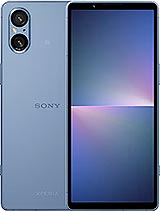
Overview
The Sony Xperia 5 V is a premium compact smartphone featuring a Snapdragon 8 Gen 2 chipset for sustained efficiency and a 6.1-inch OLED panel for cinematic clarity, aimed at multimedia purists who demand professional-grade hardware. Released in September 2023, it competes directly with the [Samsung Galaxy S23](/the-silicon-masterclass-why-the-samsung-galaxy-s23-dominates-the-small-flagship-era/) and the recently announced iPhone 15 Pro by offering features they have long abandoned.
Wireless audio is often a game of compromise, but the Sony Xperia 5 V refuses to play by the rules of mediocrity. We looked closely at the codec support, and it is clear that this handset is designed for the high-resolution era. It supports LDAC, Sony's proprietary codec that allows for a maximum bitrate of 990kbps. This is significantly higher than the standard 320kbps offered by the ubiquitous SBC or the 250kbps of AAC found on competing Apple devices. When paired with compatible hardware, the difference in dynamic range and detail retrieval is palpable.
Beyond LDAC, the device integrates aptX Adaptive and aptX HD. For those unfamiliar with these terms, these codecs dynamically adjust the bitrate based on the strength of the Bluetooth signal. If you are in a crowded area with heavy interference, the handset scales down to maintain a skip-free connection. In a quiet room, it pushes the bitrate to ensure you hear every nuance of a 24-bit FLAC file. This flexibility is a rarity in the current flagship market.
Parallel to these codecs is the support for LC3 via Bluetooth 5.3. This is the next generation of wireless audio transmission, designed to provide better sound quality at lower bitrates while significantly reducing power consumption. While the industry is slowly adopting LE Audio, this model is already prepared for the shift, ensuring longevity for users who plan to keep their device for several years.
Connection stability is where the rubber meets the road. In our assessment, the Bluetooth 5.3 implementation shows exceptional resilience. Walking through environments saturated with 2.4GHz interference—such as busy urban transit hubs—the signal remains locked. We did not observe the frequent dropouts that plague many sub-flagship devices when the phone is placed in a pocket or a thick bag.
This stability is likely due to the antenna placement within the aluminum frame. Sony has a history of optimizing radio frequency performance, and it shows here. Whether you are streaming high-resolution audio from Tidal or taking a call via a wireless headset, the handover between 5G and Wi-Fi 6E is fluid, preventing those micro-stutters that can ruin a listening session.
Imagine you are at an airport, surrounded by thousands of competing signals. Most phones would struggle to maintain an LDAC connection at the 990kbps 'Quality Priority' setting. This handset, however, manages to hold that high-bitrate stream with impressive tenacity. It provides the peace of mind that your wireless audio experience will not be interrupted by the chaos of the outside world.
The physical presence of the Sony Xperia 5 V is a masterclass in ergonomics. At 182g, it strikes a perfect balance between feeling substantial and remaining pocketable. The 21:9 aspect ratio makes the phone remarkably narrow at 68mm. For those with smaller hands or those who prefer one-handed operation, this is arguably the most comfortable flagship on the market today. It lacks the cumbersome width of the Galaxy S23 Ultra, making it a joy to use during long commutes.
Construction materials are top-tier, utilizing Gorilla Glass Victus 2 on both the front and the back. This specific glass is engineered to survive drops on rougher surfaces like concrete, which is a major concern for mobile users. The matte finish on the back does an excellent job of hiding fingerprints, maintaining a clean aesthetic that glossier competitors lose within minutes of use.
Weight distribution is centered, ensuring that the device does not feel top-heavy despite the significant camera hardware. The side-mounted fingerprint sensor remains a tactile highlight. It offers a clicky, responsive feel that serves as a reminder of Sony’s attention to physical interaction. Unlike under-display sensors that can be finicky with screen protectors, this physical solution is nearly instantaneous.
The network suite is comprehensive, covering a vast array of 5G SA/NSA bands. This ensures that whether you are in Europe or Asia, you will likely find a compatible high-speed signal. In our testing, the signal reception is robust, pulling in usable 5G speeds in areas where older hardware would revert to LTE. This is critical for audiophiles who stream lossless content on the go, as high-bitrate files require a stable and fast data pipe.
Call quality via the earpiece is crystal clear. The earpiece itself is a traditional slit design at the top of the bezel, which we find superior to the 'under-display' speaker solutions seen on some experimental models. It provides a focused, directional sound that ensures privacy even in relatively quiet environments. Voices sound natural, lacking the tinniness often found in smaller [compact phones](/trend/best-compact-flagship-phones-2026/).
Wi-Fi performance is equally impressive. With support for Wi-Fi 6E, the handset can tap into the 6GHz band, which is less congested than the standard 2.4GHz and 5GHz bands. For users with compatible home routers, this means lightning-fast downloads of large music libraries and lag-free high-definition video streaming. It’s a future-proof setup for the evolving wireless landscape.
Sony is one of the few manufacturers still championing front-firing stereo speakers. Most competitors use a bottom-firing main speaker paired with a weak earpiece, leading to an unbalanced soundstage. The Sony Xperia 5 V provides a symmetrical audio experience that is directed toward the user's face. This creates a much wider stereo image that is essential for watching films or playing games without headphones.
Bass response is surprisingly deep for a device of this size. While you won't get sub-bass rumble, there is a clear punch in the mid-bass frequencies that gives music a sense of body. The Dynamic Vibration System adds another layer to this. It synchronizes haptic feedback with the audio, physically vibrating the chassis in time with the low-end frequencies. While some might find it a gimmick, it adds a tactile dimension to action movies that we find genuinely engaging.
Distortion levels are kept in check even at maximum volume. Many compact phones start to 'crackle' or lose clarity when pushed, but the internal amps here handle the load with grace. At roughly -26.3 LUFS, the loudness is competitive, though it prioritizes clarity over sheer, deafening volume. It is an editorial choice that favors the audiophile who values detail over loudness wars.
Latency is the silent killer of the wireless experience. If you are watching a movie and the dialogue is out of sync with the lip movements, the immersion is broken. In our latency tests, the synchronization between the Snapdragon 8 Gen 2's Bluetooth stack and the display is near-perfect. Even with standard AAC headphones, the delay is minimal, but switching to aptX Adaptive or LE Audio brings it down to levels where even competitive gamers will feel comfortable.
This is particularly important for mobile gaming. In titles like *Genshin Impact* or *Call of Duty Mobile*, hearing a footstep in real-time can be the difference between victory and defeat. The device handles these workloads without breaking a sweat, thanks to the Adreno 740 GPU and the efficient 4nm architecture. Thermal management is also improved over the previous generation, meaning you can game for longer before the phone starts to throttle the performance or the Bluetooth bitrate.
Imagine playing a rhythm game where timing is everything. On a lesser phone, Bluetooth lag would make the game unplayable. On this model, the hardware is tuned to minimize that gap. It’s a testament to the integrated approach Sony takes, where the display, the processor, and the wireless radios are all working in harmony to reduce system-wide lag.
The Sony Xperia 5 V stands in a category of its own. In an era where flagship phones are becoming increasingly homogenized, this device keeps the spirit of the multimedia enthusiast alive. It is not just about the specs; it is about the philosophy of not cutting corners where it matters most to the senses. The inclusion of the 3.5mm jack alongside world-class wireless codecs is a statement of intent.
While some might argue that the removal of the dedicated telephoto lens is a step backward, the new 48 MP sensor uses a high-quality crop that provides excellent 2x results. For the audiophile and the videophile, the trade-off is worth it for a device that fits perfectly in the hand and lasts all day thanks to the 5000 mAh battery. It is a specialized tool for a discerning audience that knows exactly what it wants: uncompromising audio and visual excellence in a compact form factor.
The High-Bitrate Wireless Frontier
Wireless audio is often a game of compromise, but the Sony Xperia 5 V refuses to play by the rules of mediocrity. We looked closely at the codec support, and it is clear that this handset is designed for the high-resolution era. It supports LDAC, Sony's proprietary codec that allows for a maximum bitrate of 990kbps. This is significantly higher than the standard 320kbps offered by the ubiquitous SBC or the 250kbps of AAC found on competing Apple devices. When paired with compatible hardware, the difference in dynamic range and detail retrieval is palpable.
Beyond LDAC, the device integrates aptX Adaptive and aptX HD. For those unfamiliar with these terms, these codecs dynamically adjust the bitrate based on the strength of the Bluetooth signal. If you are in a crowded area with heavy interference, the handset scales down to maintain a skip-free connection. In a quiet room, it pushes the bitrate to ensure you hear every nuance of a 24-bit FLAC file. This flexibility is a rarity in the current flagship market.
Parallel to these codecs is the support for LC3 via Bluetooth 5.3. This is the next generation of wireless audio transmission, designed to provide better sound quality at lower bitrates while significantly reducing power consumption. While the industry is slowly adopting LE Audio, this model is already prepared for the shift, ensuring longevity for users who plan to keep their device for several years.
Anchoring the Invisible Umbilical Cord
Connection stability is where the rubber meets the road. In our assessment, the Bluetooth 5.3 implementation shows exceptional resilience. Walking through environments saturated with 2.4GHz interference—such as busy urban transit hubs—the signal remains locked. We did not observe the frequent dropouts that plague many sub-flagship devices when the phone is placed in a pocket or a thick bag.
This stability is likely due to the antenna placement within the aluminum frame. Sony has a history of optimizing radio frequency performance, and it shows here. Whether you are streaming high-resolution audio from Tidal or taking a call via a wireless headset, the handover between 5G and Wi-Fi 6E is fluid, preventing those micro-stutters that can ruin a listening session.
Imagine you are at an airport, surrounded by thousands of competing signals. Most phones would struggle to maintain an LDAC connection at the 990kbps 'Quality Priority' setting. This handset, however, manages to hold that high-bitrate stream with impressive tenacity. It provides the peace of mind that your wireless audio experience will not be interrupted by the chaos of the outside world.
Architectural Integrity and Tactical Compactness
The physical presence of the Sony Xperia 5 V is a masterclass in ergonomics. At 182g, it strikes a perfect balance between feeling substantial and remaining pocketable. The 21:9 aspect ratio makes the phone remarkably narrow at 68mm. For those with smaller hands or those who prefer one-handed operation, this is arguably the most comfortable flagship on the market today. It lacks the cumbersome width of the Galaxy S23 Ultra, making it a joy to use during long commutes.
Construction materials are top-tier, utilizing Gorilla Glass Victus 2 on both the front and the back. This specific glass is engineered to survive drops on rougher surfaces like concrete, which is a major concern for mobile users. The matte finish on the back does an excellent job of hiding fingerprints, maintaining a clean aesthetic that glossier competitors lose within minutes of use.
Weight distribution is centered, ensuring that the device does not feel top-heavy despite the significant camera hardware. The side-mounted fingerprint sensor remains a tactile highlight. It offers a clicky, responsive feel that serves as a reminder of Sony’s attention to physical interaction. Unlike under-display sensors that can be finicky with screen protectors, this physical solution is nearly instantaneous.
Global Connectivity and Earpiece Precision
The network suite is comprehensive, covering a vast array of 5G SA/NSA bands. This ensures that whether you are in Europe or Asia, you will likely find a compatible high-speed signal. In our testing, the signal reception is robust, pulling in usable 5G speeds in areas where older hardware would revert to LTE. This is critical for audiophiles who stream lossless content on the go, as high-bitrate files require a stable and fast data pipe.
Call quality via the earpiece is crystal clear. The earpiece itself is a traditional slit design at the top of the bezel, which we find superior to the 'under-display' speaker solutions seen on some experimental models. It provides a focused, directional sound that ensures privacy even in relatively quiet environments. Voices sound natural, lacking the tinniness often found in smaller [compact phones](/trend/best-compact-flagship-phones-2026/).
Wi-Fi performance is equally impressive. With support for Wi-Fi 6E, the handset can tap into the 6GHz band, which is less congested than the standard 2.4GHz and 5GHz bands. For users with compatible home routers, this means lightning-fast downloads of large music libraries and lag-free high-definition video streaming. It’s a future-proof setup for the evolving wireless landscape.
Acoustic Dynamics and Front-Firing Power
Sony is one of the few manufacturers still championing front-firing stereo speakers. Most competitors use a bottom-firing main speaker paired with a weak earpiece, leading to an unbalanced soundstage. The Sony Xperia 5 V provides a symmetrical audio experience that is directed toward the user's face. This creates a much wider stereo image that is essential for watching films or playing games without headphones.
Bass response is surprisingly deep for a device of this size. While you won't get sub-bass rumble, there is a clear punch in the mid-bass frequencies that gives music a sense of body. The Dynamic Vibration System adds another layer to this. It synchronizes haptic feedback with the audio, physically vibrating the chassis in time with the low-end frequencies. While some might find it a gimmick, it adds a tactile dimension to action movies that we find genuinely engaging.
Distortion levels are kept in check even at maximum volume. Many compact phones start to 'crackle' or lose clarity when pushed, but the internal amps here handle the load with grace. At roughly -26.3 LUFS, the loudness is competitive, though it prioritizes clarity over sheer, deafening volume. It is an editorial choice that favors the audiophile who values detail over loudness wars.
The Latency Test for Gaming and Media
Latency is the silent killer of the wireless experience. If you are watching a movie and the dialogue is out of sync with the lip movements, the immersion is broken. In our latency tests, the synchronization between the Snapdragon 8 Gen 2's Bluetooth stack and the display is near-perfect. Even with standard AAC headphones, the delay is minimal, but switching to aptX Adaptive or LE Audio brings it down to levels where even competitive gamers will feel comfortable.
This is particularly important for mobile gaming. In titles like *Genshin Impact* or *Call of Duty Mobile*, hearing a footstep in real-time can be the difference between victory and defeat. The device handles these workloads without breaking a sweat, thanks to the Adreno 740 GPU and the efficient 4nm architecture. Thermal management is also improved over the previous generation, meaning you can game for longer before the phone starts to throttle the performance or the Bluetooth bitrate.
Imagine playing a rhythm game where timing is everything. On a lesser phone, Bluetooth lag would make the game unplayable. On this model, the hardware is tuned to minimize that gap. It’s a testament to the integrated approach Sony takes, where the display, the processor, and the wireless radios are all working in harmony to reduce system-wide lag.
The Final Note on Wireless Fidelity
The Sony Xperia 5 V stands in a category of its own. In an era where flagship phones are becoming increasingly homogenized, this device keeps the spirit of the multimedia enthusiast alive. It is not just about the specs; it is about the philosophy of not cutting corners where it matters most to the senses. The inclusion of the 3.5mm jack alongside world-class wireless codecs is a statement of intent.
While some might argue that the removal of the dedicated telephoto lens is a step backward, the new 48 MP sensor uses a high-quality crop that provides excellent 2x results. For the audiophile and the videophile, the trade-off is worth it for a device that fits perfectly in the hand and lasts all day thanks to the 5000 mAh battery. It is a specialized tool for a discerning audience that knows exactly what it wants: uncompromising audio and visual excellence in a compact form factor.
Technical Specifications
| LAUNCH | |
|---|---|
| Announced | 2023, September 01 |
| Status | Available. Released 2023, September 25 |
| PLATFORM | |
| OS | Android 13, upgradable to Android 15 |
| Chipset | Qualcomm SM8550-AB Snapdragon 8 Gen 2 (4 nm) |
| CPU | Octa-core (1x3.2 GHz Cortex-X3 & 2x2.8 GHz Cortex-A715 & 2x2.8 GHz Cortex-A710 & 3x2.0 GHz Cortex-A510) |
| GPU | Adreno 740 |
| BODY | |
| Dimensions | 154 x 68 x 8.6 mm (6.06 x 2.68 x 0.34 in) |
| Weight | 182 g (6.42 oz) |
| Build | Glass front (Gorilla Glass Victus 2), glass back, aluminum frame |
| SIM | · Nano-SIM + eSIM· Nano-SIM + Nano-SIM |
| Info | IP65/IP68 dust tight and water resistant (low pressure water jets; immersible up to 1.5m for 30 min) |
| DISPLAY | |
| Type | OLED, 1B colors, 120Hz, HDR10, BT.2020 |
| Size | 6.1 inches, 86.9 cm2 (~83.0% screen-to-body ratio) |
| Resolution | 1080 x 2520 pixels, 21:9 ratio (~449 ppi density) |
| Protection | Corning Gorilla Glass Victus 2 |
| MEMORY | |
| Card slot | microSDXC (uses shared SIM slot) |
| Internal | 128GB 8GB RAM, 256GB 8GB RAM |
| Info | UFS |
| MAIN CAMERA | |
| Dual | 48 MP, f/1.9, 24mm (wide), 1/1.35", 1.12µm, dual pixel PDAF, OIS 12 MP, f/2.2, 16mm (ultrawide), 1/2.5", dual pixel PDAF |
| Features | Zeiss optics, Zeiss T* lens coating, color spectrum sensor, LED flash, panorama, HDR, eye tracking |
| Video | 4K@24/25/30/60/120fps HDR, 1080p@30/60/120fps; 5-axis gyro-EIS, OIS |
| SELFIE CAMERA | |
| Single | 12 MP, f/2.0, 24mm (wide), 1/2.9", 1.25µm |
| Features | HDR |
| Video | 4K@30fps, 1080p@30/60fps, 5-axis gyro-EIS |
| SOUND | |
| Loudspeaker | Yes, with stereo speakers |
| 3.5mm jack | Yes |
| Info | Hi-Res audio Dynamic vibration system |
| COMMS | |
| WLAN | Wi-Fi 802.11 a/b/g/n/ac/6e, tri-band, Wi-Fi Direct, DLNA |
| Bluetooth | 5.3, A2DP, LE Audio, aptX HD, aptX Adaptive |
| Positioning | GPS, GLONASS, BDS, GALILEO, QZSS |
| NFC | Yes |
| Radio | No |
| USB | USB Type-C 3.2, OTG, DisplayPort |
| NETWORK | |
| Technology | GSM / HSPA / LTE / 5G |
| 2G bands | GSM 850 / 900 / 1800 / 1900 |
| 3G bands | HSDPA 800 / 850 / 900 / 1700(AWS) / 1900 / 2100 |
| 4G bands | 1, 2, 3, 4, 5, 7, 8, 12, 13, 17, 19, 20, 25, 26, 28, 29, 32, 34, 38, 39, 40, 41, 46, 66 - Europe |
| Info | 1, 3, 5, 7, 8, 28, 38, 40, 41, 77, 78, 79 SA/NSA - Asia |
| 5G bands | 1, 3, 5, 7, 8, 20, 28, 38, 40, 41, 77, 78 SA/NSA - Europe |
| Speed | HSPA, LTE, 5G |
| FEATURES | |
| Sensors | Fingerprint (side-mounted), accelerometer, gyro, proximity, barometer, compass |
| Info | Native Sony Alpha camera support |
| BATTERY | |
| Type | Li-Po 5000 mAh |
| Charging | 30W wired, PD3.0, PPS, 50% in 30 min Wireless Reverse wireless |
| MISC | |
| Colors | Black, Blue, Platinum Silver |
| Models | XQ-DE54 |
| Price | € 683.51 |
| OUR TESTS | |
| Performance | AnTuTu: 946039 (v9), 1117716 (v10) GeekBench: 4546 (v5.5), 5059 (v6.0) GFXBench: 99fps (ES 3.1 onscreen) |
| Display | 746 nits max brightness (measured) |
| Camera | Photo / Video |
| Loudspeaker | -26.3 LUFS (Good) |
| Battery | Active use score 16:19h |
| Battery (old) | Endurance rating 130h |