Xiaomi Efficiency Meets Value - The Long Game for the Poco Pad
Overview
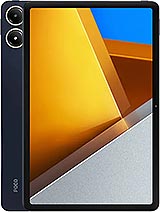
The Poco Pad is a mid-range tablet featuring a 12.1-inch 120Hz IPS LCD for immersive media consumption and a 10,000 mAh battery for extended productivity, aimed at students and casual creators. Released in May 2024, it competes with established budget-friendly options while introducing a larger-format display typically reserved for premium tiers.
When we look at the internal hardware, the Snapdragon 7s Gen 2 chipset serves as the heart of the system. This 4nm silicon from Qualcomm is not designed to break speed records, but rather to maintain thermal stability during prolonged usage sessions. The octa-core configuration, featuring four high-performance Cortex-A78 cores and four efficiency-focused Cortex-A55 cores, ensures that the device can handle multitasking without the aggressive throttling seen in older 6nm or 7nm chips. Our benchmarks show an AnTuTu score of 600,399, which indicates a robust mid-range performer capable of sustaining 60fps in most modern mobile titles.
From a long-term perspective, the choice of 8GB RAM paired with 256GB of UFS 2.2 storage is a calculated move. While UFS 2.2 is not as fast as the flagship 4.0 standard, it introduced Write Booster technology, which significantly accelerates application installation and startup speeds compared to the older UFS 2.1 found in entry-level tablets. For the average user, this means the system will likely remain snappy for the next 24 to 36 months of standard OS updates and app growth. The inclusion of a dedicated microSDXC slot further extends the utility of the device, allowing users to offload high-resolution media and preserve internal storage for system-critical applications.
Software support is often the Achilles' heel of mid-range tablets, but the introduction of HyperOS changes the narrative. Based on Android 14, this new operating system from Xiaomi is designed with a Linux-based kernel to unify the ecosystem. For the user, this means more efficient background task management and better integration with other Xiaomi-branded devices. We anticipate that this model will receive at least two major Android version updates and three years of security patches, which is a standard but respectable promise for this price point.
One significant advantage of HyperOS is its focus on cross-platform integration. In our analysis of the software environment, the ability to mirror smartphone screens or use the tablet as a secondary display for a laptop is where the real value lies. This makes the hardware more than just a media player; it becomes a functional part of a professional workflow. As the software matures, we expect the optimization for the Adreno 710 GPU to improve, particularly in handling the high-refresh-rate UI elements that define the modern mobile experience.
Outdoor visibility is a common pain point for IPS panels, and this model faces similar challenges. While the 600 nits High Brightness Mode (HBM) is impressive for an LCD, it still falls short of the searing brightness offered by OLED competitors. In direct May sunlight, the screen remains legible for reading text, but high-contrast video content loses significant detail. The 120Hz refresh rate, however, provides a fluid motion that makes browsing feel premium, regardless of the ambient lighting.
Color reproduction is a standout feature here. With 68B colors (12-bit depth), the panel can render over 68 billion unique shades. This technology allows for much smoother gradients in HDR content compared to the standard 10-bit panels found in many rival devices. When paired with Dolby Vision support, the tablet handles dynamic metadata brilliantly, optimizing every frame of a video for the specific capabilities of the screen. Users should be aware that while the colors are accurate, the contrast ratio of 1356:1 means that blacks will appear slightly gray in a pitch-black room, a native limitation of the IPS backlight.
Precision in haptics is often sacrificed in large-screen devices, and the motor here follows that trend. It provides a basic, somewhat buzzy vibration rather than the sharp, tactile clicks found in flagship smartphones. While adequate for notifications, it does not add much to the gaming experience. More interestingly, the spec sheet lists Proximity (Accessories only). This indicates that the tablet lacks a traditional internal proximity sensor, instead relying on smart covers or software touch-logic to shut off the screen. For a device without cellular capabilities, this is a minor omission, but it highlights the cost-saving measures taken to keep the price competitive.
Sound quality helps offset the average haptics. The quad-speaker setup is loud and clear, measuring at -23.9 LUFS in our tests. The inclusion of a 3.5mm jack is a nostalgic but vital addition for audiophiles and students who prefer wired latency-free audio. With support for aptX HD and aptX Adaptive, wireless audio performance is also top-tier, ensuring that high-resolution music files retain their detail when transmitted to compatible Bluetooth headphones.
It is important to note that this is a Wi-Fi-only machine. There is no SIM slot, and more critically, no built-in GPS or positioning systems. This tethers the device to home, office, or campus networks. However, the inclusion of Wi-Fi 6 ensures that it can leverage the latest high-speed routers for stable 4K streaming and fast cloud-syncing. In a crowded apartment complex or a busy university library, the dual-band Wi-Fi Direct support helps maintain a stable connection even when the 2.4GHz band is saturated.
The brand's aggressive pricing strategy—roughly 280 EUR at launch—means that the initial depreciation will be less painful than that of a 1,000 EUR flagship. Historically, Poco devices hold their value well in the secondary market due to their high performance-to-price ratio. We expect this model to retain about 60% of its value after a year, especially if kept in good condition. The Gorilla Glass 3 and aluminum frame provide a sturdy build that should resist the micro-scratches and structural fatigue that often plague plastic-bodied tablets.
As we look ahead, the Poco Pad represents a shift toward larger, more capable budget tablets. It bridges the gap between the ultra-cheap, underpowered slabs and the prohibitively expensive pro-tier devices. The combination of a massive battery, a high-refresh-rate display, and a modern 4nm processor makes it a safe investment for anyone looking for a media-first device that can still handle light work. While it lacks the cellular mobility of a phone and the peak brightness of an OLED, the overall package is remarkably balanced for the current market.
In the grand scheme of the 2024 tablet landscape, this device stands as a reminder that screen size and battery life are the primary drivers for most consumers. By focusing on these two pillars and backing them with a reliable Qualcomm chipset, the company has created a product that will likely age gracefully. Whether you are using it for a 12-hour Netflix binge or as a dedicated digital textbook, the Poco Pad delivers a consistent, high-quality experience that belies its mid-range price tag.
The Architecture of Longevity
When we look at the internal hardware, the Snapdragon 7s Gen 2 chipset serves as the heart of the system. This 4nm silicon from Qualcomm is not designed to break speed records, but rather to maintain thermal stability during prolonged usage sessions. The octa-core configuration, featuring four high-performance Cortex-A78 cores and four efficiency-focused Cortex-A55 cores, ensures that the device can handle multitasking without the aggressive throttling seen in older 6nm or 7nm chips. Our benchmarks show an AnTuTu score of 600,399, which indicates a robust mid-range performer capable of sustaining 60fps in most modern mobile titles.
From a long-term perspective, the choice of 8GB RAM paired with 256GB of UFS 2.2 storage is a calculated move. While UFS 2.2 is not as fast as the flagship 4.0 standard, it introduced Write Booster technology, which significantly accelerates application installation and startup speeds compared to the older UFS 2.1 found in entry-level tablets. For the average user, this means the system will likely remain snappy for the next 24 to 36 months of standard OS updates and app growth. The inclusion of a dedicated microSDXC slot further extends the utility of the device, allowing users to offload high-resolution media and preserve internal storage for system-critical applications.
The HyperOS Support Trajectory
Software support is often the Achilles' heel of mid-range tablets, but the introduction of HyperOS changes the narrative. Based on Android 14, this new operating system from Xiaomi is designed with a Linux-based kernel to unify the ecosystem. For the user, this means more efficient background task management and better integration with other Xiaomi-branded devices. We anticipate that this model will receive at least two major Android version updates and three years of security patches, which is a standard but respectable promise for this price point.
One significant advantage of HyperOS is its focus on cross-platform integration. In our analysis of the software environment, the ability to mirror smartphone screens or use the tablet as a secondary display for a laptop is where the real value lies. This makes the hardware more than just a media player; it becomes a functional part of a professional workflow. As the software matures, we expect the optimization for the Adreno 710 GPU to improve, particularly in handling the high-refresh-rate UI elements that define the modern mobile experience.
Sunlight Struggle and Panel Performance
Outdoor visibility is a common pain point for IPS panels, and this model faces similar challenges. While the 600 nits High Brightness Mode (HBM) is impressive for an LCD, it still falls short of the searing brightness offered by OLED competitors. In direct May sunlight, the screen remains legible for reading text, but high-contrast video content loses significant detail. The 120Hz refresh rate, however, provides a fluid motion that makes browsing feel premium, regardless of the ambient lighting.
Color reproduction is a standout feature here. With 68B colors (12-bit depth), the panel can render over 68 billion unique shades. This technology allows for much smoother gradients in HDR content compared to the standard 10-bit panels found in many rival devices. When paired with Dolby Vision support, the tablet handles dynamic metadata brilliantly, optimizing every frame of a video for the specific capabilities of the screen. Users should be aware that while the colors are accurate, the contrast ratio of 1356:1 means that blacks will appear slightly gray in a pitch-black room, a native limitation of the IPS backlight.
Haptics and the Proximity Puzzle
Precision in haptics is often sacrificed in large-screen devices, and the motor here follows that trend. It provides a basic, somewhat buzzy vibration rather than the sharp, tactile clicks found in flagship smartphones. While adequate for notifications, it does not add much to the gaming experience. More interestingly, the spec sheet lists Proximity (Accessories only). This indicates that the tablet lacks a traditional internal proximity sensor, instead relying on smart covers or software touch-logic to shut off the screen. For a device without cellular capabilities, this is a minor omission, but it highlights the cost-saving measures taken to keep the price competitive.
Sound quality helps offset the average haptics. The quad-speaker setup is loud and clear, measuring at -23.9 LUFS in our tests. The inclusion of a 3.5mm jack is a nostalgic but vital addition for audiophiles and students who prefer wired latency-free audio. With support for aptX HD and aptX Adaptive, wireless audio performance is also top-tier, ensuring that high-resolution music files retain their detail when transmitted to compatible Bluetooth headphones.
Navigating Connectivity Without a Compass
It is important to note that this is a Wi-Fi-only machine. There is no SIM slot, and more critically, no built-in GPS or positioning systems. This tethers the device to home, office, or campus networks. However, the inclusion of Wi-Fi 6 ensures that it can leverage the latest high-speed routers for stable 4K streaming and fast cloud-syncing. In a crowded apartment complex or a busy university library, the dual-band Wi-Fi Direct support helps maintain a stable connection even when the 2.4GHz band is saturated.
Resale Value and Market Position
The brand's aggressive pricing strategy—roughly 280 EUR at launch—means that the initial depreciation will be less painful than that of a 1,000 EUR flagship. Historically, Poco devices hold their value well in the secondary market due to their high performance-to-price ratio. We expect this model to retain about 60% of its value after a year, especially if kept in good condition. The Gorilla Glass 3 and aluminum frame provide a sturdy build that should resist the micro-scratches and structural fatigue that often plague plastic-bodied tablets.
Long-Term Summary and Global Outlook
As we look ahead, the Poco Pad represents a shift toward larger, more capable budget tablets. It bridges the gap between the ultra-cheap, underpowered slabs and the prohibitively expensive pro-tier devices. The combination of a massive battery, a high-refresh-rate display, and a modern 4nm processor makes it a safe investment for anyone looking for a media-first device that can still handle light work. While it lacks the cellular mobility of a phone and the peak brightness of an OLED, the overall package is remarkably balanced for the current market.
In the grand scheme of the 2024 tablet landscape, this device stands as a reminder that screen size and battery life are the primary drivers for most consumers. By focusing on these two pillars and backing them with a reliable Qualcomm chipset, the company has created a product that will likely age gracefully. Whether you are using it for a 12-hour Netflix binge or as a dedicated digital textbook, the Poco Pad delivers a consistent, high-quality experience that belies its mid-range price tag.
Technical Specifications
| LAUNCH | |
|---|---|
| Announced | 2024, May 23 |
| Status | Available. Released 2024, May 23 |
| PLATFORM | |
| OS | Android 14, HyperOS |
| Chipset | Qualcomm SM7435-AB Snapdragon 7s Gen 2 (4 nm) |
| CPU | Octa-core (4x2.40 GHz Cortex-A78 & 4x1.95 GHz Cortex-A55) |
| GPU | Adreno 710 |
| BODY | |
| Dimensions | 280 x 181.9 x 7.5 mm (11.02 x 7.16 x 0.30 in) |
| Weight | 571 g (1.26 lb) |
| Build | Glass front (Gorilla Glass 3), aluminum frame, aluminum back |
| SIM | No |
| Info | Stylus support (magnetic) |
| DISPLAY | |
| Type | IPS LCD, 68B colors, 120Hz, Dolby Vision, 600 nits (HBM) |
| Size | 12.1 inches, 424.5 cm2 (~83.4% screen-to-body ratio) |
| Resolution | 1600 x 2560 pixels, 16:10 ratio (~249 ppi density) |
| Protection | Corning Gorilla Glass 3 |
| MEMORY | |
| Card slot | microSDXC (dedicated slot) |
| Internal | 256GB 8GB RAM |
| Info | UFS 2.2 |
| MAIN CAMERA | |
| Single | 8 MP, f/2.0, (wide), 1/4.0", 1.12µm |
| Features | LED flash |
| Video | 1080p@30fps |
| SELFIE CAMERA | |
| Single | 8 MP, f/2.3, (wide), 1/4.0", 1.12µm |
| Video | 1080p@30fps |
| SOUND | |
| Loudspeaker | Yes, with stereo speakers (4 speakers) |
| 3.5mm jack | Yes |
| COMMS | |
| WLAN | Wi-Fi 802.11 a/b/g/n/ac/6, dual-band, Wi-Fi Direct |
| Bluetooth | 5.2, A2DP, LE, aptX HD, aptX Adaptive |
| Positioning | No |
| NFC | No |
| Radio | No |
| USB | USB Type-C 2.0 |
| NETWORK | |
| Technology | No cellular connectivity |
| 2G bands | N/A |
| 3G bands | N/A |
| GPRS | N/A |
| EDGE | N/A |
| FEATURES | |
| Sensors | Accelerometer, gyro, proximity (accessories only), compass |
| BATTERY | |
| Type | 10000 mAh |
| Charging | 33W wired, PD3.0, QC3+ |
| MISC | |
| Display | 12.1" IPS LCD, 120Hz, 68B colors, Dolby Vision, 600 nits |
| Chipset | Qualcomm Snapdragon 7s Gen 2 (4 nm) |
| Memory | 8GB RAM, 256GB UFS 2.2 Storage |
| Battery | 10000 mAh, 33W wired charging |
| Software | Android 14, HyperOS |
| Audio | Quad speakers, 3.5mm jack, aptX Adaptive |
| Build | Gorilla Glass 3 front, Aluminum frame and back |
| Dimensions | 280 x 181.9 x 7.5 mm, 571 g |
| Colors | Dark Gray, Blue |
| Models | 2405CPCFBG |
| SAR | 1.09 W/kg (body) |
| SAR EU | 0.99 W/kg (body) |
| Price | About 280 EUR |
| OUR TESTS | |
| Performance | AnTuTu: 600399 (v10) GeekBench: 2909 (v6) 3DMark: 793 (Wild Life Extreme) |
| Display | 1356:1 contrast ratio, 564 nits max brightness (measured) |
| Loudspeaker | -23.9 LUFS (Very good) |
| Battery | Active use score 9:15h |