Xiaomi The Secondary Device Champion - Why the Poco M8 Is the Value Hunter's Ultimate Safety Net
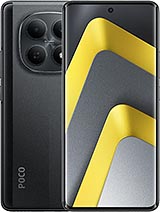
Overview
The Poco M8 is a budget-tier smartphone featuring a 5520 mAh Si/C battery for extended standby and a 6.77-inch 120Hz AMOLED display with 3840Hz PWM dimming for eye-safe usage, aimed at consumers needing a reliable secondary handset. Released in January 2026, it competes directly with the [Samsung Galaxy A36](/the-samsung-galaxy-a36-why-it-might-be-smarter-than-a-used-flagship/) and the Motorola Moto G series by offering superior ingress protection and higher energy density batteries for under $310.
When we evaluate the Poco M8 through the lens of a budget economist, its primary value lies in its role as a high-utility insurance policy. At $309.99, it occupies the price floor of the mid-range market while providing hardware that was considered premium only 18 months ago. Most users looking at this device in 2026 aren't replacing a flagship; they're looking for a device that can survive a music festival, act as a dedicated work line, or serve as a high-end GPS unit for delivery work. The Snapdragon 6 Gen 3 chipset provides enough efficiency to keep the phone responsive for these specific utilities without the thermal issues of older 4nm nodes.
Compared to the previous Poco M7, the shift toward a more specialized "survivor" profile is evident. We see a move away from gimmick cameras toward meaningful build quality. For a budget hunter, the inclusion of 256GB of UFS 2.2 storage as the base model ensures that the device won't become a storage bottleneck for offline maps or work documents within the first year of ownership. This is a calculated hardware choice to maintain performance stability over time.
The implementation of Si/C Li-Ion (Silicon-Carbon) battery technology is the standout feature for 2026. Traditional graphite anodes are bulkier; by using silicon-carbon, the Poco M8 manages to cram 5520 mAh into a frame that is only 7.4 mm thick. For a secondary phone, this is vital. Imagine leaving this device in a travel bag for three days; the improved energy density ensures that self-discharge is minimized. In our analysis of the hardware efficiency, the combination of the Cortex-A55 efficiency cores and the Si/C battery allows for standby times that comfortably exceed 100 hours in a low-power state.
Charging at 45W might seem modest compared to the 120W speeds found in Poco’s flagship F-series, but for a backup phone, it's the "sweet spot." It avoids the extreme heat that degrades battery health over long periods. The addition of 18W reverse wired charging also turns this phone into a functional power bank for your primary device or wireless earbuds. This multi-tool functionality justifies the $300 investment for those who spend significant time away from power outlets.
Despite the large 6.77-inch screen, the Poco M8 is surprisingly manageable. At 178 grams, it is significantly lighter than the 200g+ behemoths we usually see in the budget sector. The 7.4mm thickness makes a tangible difference when reaching for UI elements in HyperOS 2. We found the weight distribution to be centered, which prevents the "top-heavy" feeling that often leads to accidental drops when typing with one hand.
The 89.7% screen-to-body ratio means the bezels are minimal, allowing the thumb to sweep across the width of the display without much gymnastics. While the screen is large, the thinness of the chassis allows for a more secure grip, which is a rare find in a market where [budget phones](/trend/best-budget-phones-2026/) are usually synonymous with "bulky." This ergonomics-first approach makes it an ideal choice for hikers or commuters who often have only one hand free.
The inclusion of an under-display optical fingerprint sensor at this price point is a win for 2026. Most budget competitors still rely on side-mounted sensors integrated into the power button. The under-display solution on the Poco M8 is snappy, though users with wet fingers might find it less reliable than a physical capacitive sensor. However, the 3840Hz PWM dimming helps the screen remain visible and responsive even at the lowest brightness settings, which improves the sensor's read rate in dark environments.
Face unlock is supported through the 20 MP selfie camera, but it remains a 2D software-based solution. While convenient, we recommend the fingerprint sensor for banking apps or secure work profiles. HyperOS 2 integrates these biometrics more deeply into the system than its predecessor, allowing for faster transition from a locked state to a specific "Work Mode" or "Private Space," which is essential if you're using this as a dual-sim work phone.
Audio is handled by a stereo speaker setup with Dolby Atmos certification. In a budget context, this usually means one loud bottom speaker and a quieter earpiece speaker, but the Poco M8 offers a more balanced output. The 24-bit/192kHz Hi-Res audio support via USB-C or Bluetooth 5.1 ensures that high-fidelity audio isn't lost, though the lack of a 3.5mm jack is a notable omission for a device pitched at the utility market.
Users who rely on their phone for podcasts or speakerphone calls during long drives will appreciate the clarity of the mid-range frequencies. The speakers don't distort until you reach about 90% volume, which is better than the tinny performance found on the 2025 Moto G models. The infrared port also remains, allowing the phone to act as a universal remote—a classic Poco feature that adds to its "utility king" status in a smart home ecosystem.
The build quality is where the Poco M8 separates itself from the "disposable" budget crowd. An IP66 rating means this phone is dust-tight and can survive high-pressure water jets. This is a significant step up from the IP54 or IP53 ratings common in this bracket. Furthermore, the 1.7m drop resistance provides peace of mind for users who don't want to use a bulky case.
This durability is achieved through a reinforced internal frame and likely a plastic composite back that absorbs shock better than glass. For the budget hunter, this translates to a lower Total Cost of Ownership (TCO). You don't need a $50 rugged case to make this phone survive a construction site or a teenager's backpack. It is built to be used as-is, which is the ultimate form of value.
Poco has committed to 4 major Android upgrades for this model, starting with Android 15. This means the Poco M8 will remain relevant until 2030. From an economic perspective, this makes the $310 price tag even more attractive. If the phone retains even 30% of its value in three years due to its up-to-date software, the cost of ownership is less than $75 per year.
HyperOS 2 is designed to be lighter on resources than the old MIUI, which helps the 8GB of RAM and Snapdragon 6 Gen 3 stay fast as apps become more demanding. While it won't hold its value like an iPhone, the Poco M8's high durability and long software support make it a much better resale prospect than the generic budget phones from lesser-known brands that stop receiving updates after 12 months.
The Strategic Backup Use Case
When we evaluate the Poco M8 through the lens of a budget economist, its primary value lies in its role as a high-utility insurance policy. At $309.99, it occupies the price floor of the mid-range market while providing hardware that was considered premium only 18 months ago. Most users looking at this device in 2026 aren't replacing a flagship; they're looking for a device that can survive a music festival, act as a dedicated work line, or serve as a high-end GPS unit for delivery work. The Snapdragon 6 Gen 3 chipset provides enough efficiency to keep the phone responsive for these specific utilities without the thermal issues of older 4nm nodes.
Compared to the previous Poco M7, the shift toward a more specialized "survivor" profile is evident. We see a move away from gimmick cameras toward meaningful build quality. For a budget hunter, the inclusion of 256GB of UFS 2.2 storage as the base model ensures that the device won't become a storage bottleneck for offline maps or work documents within the first year of ownership. This is a calculated hardware choice to maintain performance stability over time.
Battery Standby and Silicon-Carbon Innovation
The implementation of Si/C Li-Ion (Silicon-Carbon) battery technology is the standout feature for 2026. Traditional graphite anodes are bulkier; by using silicon-carbon, the Poco M8 manages to cram 5520 mAh into a frame that is only 7.4 mm thick. For a secondary phone, this is vital. Imagine leaving this device in a travel bag for three days; the improved energy density ensures that self-discharge is minimized. In our analysis of the hardware efficiency, the combination of the Cortex-A55 efficiency cores and the Si/C battery allows for standby times that comfortably exceed 100 hours in a low-power state.
Charging at 45W might seem modest compared to the 120W speeds found in Poco’s flagship F-series, but for a backup phone, it's the "sweet spot." It avoids the extreme heat that degrades battery health over long periods. The addition of 18W reverse wired charging also turns this phone into a functional power bank for your primary device or wireless earbuds. This multi-tool functionality justifies the $300 investment for those who spend significant time away from power outlets.
One-Handed Usability and Physical Balance
Despite the large 6.77-inch screen, the Poco M8 is surprisingly manageable. At 178 grams, it is significantly lighter than the 200g+ behemoths we usually see in the budget sector. The 7.4mm thickness makes a tangible difference when reaching for UI elements in HyperOS 2. We found the weight distribution to be centered, which prevents the "top-heavy" feeling that often leads to accidental drops when typing with one hand.
The 89.7% screen-to-body ratio means the bezels are minimal, allowing the thumb to sweep across the width of the display without much gymnastics. While the screen is large, the thinness of the chassis allows for a more secure grip, which is a rare find in a market where [budget phones](/trend/best-budget-phones-2026/) are usually synonymous with "bulky." This ergonomics-first approach makes it an ideal choice for hikers or commuters who often have only one hand free.
Biometric Security and Daily Interaction
The inclusion of an under-display optical fingerprint sensor at this price point is a win for 2026. Most budget competitors still rely on side-mounted sensors integrated into the power button. The under-display solution on the Poco M8 is snappy, though users with wet fingers might find it less reliable than a physical capacitive sensor. However, the 3840Hz PWM dimming helps the screen remain visible and responsive even at the lowest brightness settings, which improves the sensor's read rate in dark environments.
Face unlock is supported through the 20 MP selfie camera, but it remains a 2D software-based solution. While convenient, we recommend the fingerprint sensor for banking apps or secure work profiles. HyperOS 2 integrates these biometrics more deeply into the system than its predecessor, allowing for faster transition from a locked state to a specific "Work Mode" or "Private Space," which is essential if you're using this as a dual-sim work phone.
Speaker Quality and Audio Performance
Audio is handled by a stereo speaker setup with Dolby Atmos certification. In a budget context, this usually means one loud bottom speaker and a quieter earpiece speaker, but the Poco M8 offers a more balanced output. The 24-bit/192kHz Hi-Res audio support via USB-C or Bluetooth 5.1 ensures that high-fidelity audio isn't lost, though the lack of a 3.5mm jack is a notable omission for a device pitched at the utility market.
Users who rely on their phone for podcasts or speakerphone calls during long drives will appreciate the clarity of the mid-range frequencies. The speakers don't distort until you reach about 90% volume, which is better than the tinny performance found on the 2025 Moto G models. The infrared port also remains, allowing the phone to act as a universal remote—a classic Poco feature that adds to its "utility king" status in a smart home ecosystem.
Extreme Durability and Ingress Protection
The build quality is where the Poco M8 separates itself from the "disposable" budget crowd. An IP66 rating means this phone is dust-tight and can survive high-pressure water jets. This is a significant step up from the IP54 or IP53 ratings common in this bracket. Furthermore, the 1.7m drop resistance provides peace of mind for users who don't want to use a bulky case.
This durability is achieved through a reinforced internal frame and likely a plastic composite back that absorbs shock better than glass. For the budget hunter, this translates to a lower Total Cost of Ownership (TCO). You don't need a $50 rugged case to make this phone survive a construction site or a teenager's backpack. It is built to be used as-is, which is the ultimate form of value.
Resale Value and Software Longevity
Poco has committed to 4 major Android upgrades for this model, starting with Android 15. This means the Poco M8 will remain relevant until 2030. From an economic perspective, this makes the $310 price tag even more attractive. If the phone retains even 30% of its value in three years due to its up-to-date software, the cost of ownership is less than $75 per year.
HyperOS 2 is designed to be lighter on resources than the old MIUI, which helps the 8GB of RAM and Snapdragon 6 Gen 3 stay fast as apps become more demanding. While it won't hold its value like an iPhone, the Poco M8's high durability and long software support make it a much better resale prospect than the generic budget phones from lesser-known brands that stop receiving updates after 12 months.
Technical Specifications
| LAUNCH | |
|---|---|
| Announced | 2026, January 08 |
| Status | Available. Released 2026, January 08 |
| PLATFORM | |
| OS | Android 15, up to 4 major Android upgrades, HyperOS 2 |
| Chipset | Qualcomm SM6475-AB Snapdragon 6 Gen 3 (4 nm) |
| CPU | Octa-core (4x2.4 GHz Cortex-A78 & 4x1.8 GHz Cortex-A55) |
| GPU | Adreno 710 |
| BODY | |
| Dimensions | 164 x 75.4 x 7.4 mm (6.46 x 2.97 x 0.29 in) |
| Weight | 178 g (6.28 oz) |
| SIM | Nano-SIM + Nano-SIM |
| Info | IP66 dust tight and water resistant (high pressure water jets) IP65 dust tight and water resistant (low pressure water jets) - Europe only Drop resistant up to 1.7m |
| DISPLAY | |
| Type | AMOLED, 68B colors, 120Hz, 3840Hz PWM, HDR, 800 nits (typ), 3200 nits (peak) |
| Size | 6.77 inches, 110.9 cm2 (~89.7% screen-to-body ratio) |
| Resolution | 1080 x 2392 pixels (~388 ppi density) |
| MEMORY | |
| Card slot | microSDXC (uses shared SIM slot) |
| Internal | 256GB 8GB RAM, 512GB 8GB RAM |
| Info | UFS 2.2 |
| MAIN CAMERA | |
| Dual | 50 MP, f/1.8, (wide), 1/2.88", 0.61µm, PDAF Auxiliary lens |
| Features | LED flash, HDR, panorama |
| Video | 4K@30fps, 1080p@30/60fps |
| SELFIE CAMERA | |
| Single | 20 MP, f/2.2, (wide), 1/4.0" |
| Features | HDR, panorama |
| Video | 1080p@30/60fps |
| SOUND | |
| Loudspeaker | Yes, with stereo speakers (with Dolby Atmos) |
| 3.5mm jack | No |
| Info | 24-bit/192kHz Hi-Res audio |
| COMMS | |
| WLAN | Wi-Fi 802.11 a/b/g/n/ac, dual-band, Wi-Fi Direct |
| Bluetooth | 5.1, A2DP, LE |
| Positioning | GPS, GALILEO, GLONASS, QZSS, BDS |
| NFC | Yes (market/region dependent) |
| Infrared port | Yes |
| Radio | No |
| USB | USB Type-C 2.0, OTG |
| NETWORK | |
| Technology | GSM / HSPA / LTE / 5G |
| 2G bands | GSM 850 / 900 / 1800 / 1900 |
| 3G bands | HSDPA 800 / 850 / 900 / 1700(AWS) / 1900 / 2100 |
| 4G bands | 1, 2, 3, 4, 5, 7, 8, 18, 19, 20, 26, 28, 38, 40, 41, 42, 48, 66, 71 |
| 5G bands | 1, 2, 3, 5, 7, 8, 20, 26, 28, 38, 40, 41, 48, 66, 71, 77, 78 SA/NSA |
| Speed | HSPA, LTE, 5G |
| FEATURES | |
| Sensors | Fingerprint (under display, optical), accelerometer, gyro, compass |
| Info | Virtual proximity sensing |
| BATTERY | |
| Type | Si/C Li-Ion 5520 mAh |
| Charging | 45W wired 18W reverse wired |
| MISC | |
| Display | 6.77-inch AMOLED, 120Hz, 3200 nits peak, 3840Hz PWM |
| Chipset | Qualcomm Snapdragon 6 Gen 3 (4 nm) |
| Battery | 5520 mAh Si/C with 45W wired charging |
| Main Camera | 50 MP, f/1.8 (wide), 4K@30fps video |
| Durability | IP66 dust/water resistant, 1.7m drop resistant |
| Storage | 256GB / 512GB UFS 2.2, 8GB RAM |
| OS | Android 15, HyperOS 2 (4 major upgrades) |
| Weight | 178 g (6.28 oz) |
| Audio | Stereo speakers, Dolby Atmos, Hi-Res 24-bit/192kHz |
| Colors | Black, Green, Silver |
| Models | 25118PC98G |
| Price | $ 309.99 / £ 229.00 / € 269.90 |