Xiaomi Watch 2 Pro Redefines What Athletes Should Expect From a Wear OS Smartwatch
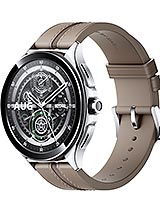
Overview
The Xiaomi Watch 2 Pro is a flagship wearable featuring the Snapdragon W5+ Gen 1 for industry-leading efficiency and Wear OS 3.5 for a rich application ecosystem, aimed at fitness enthusiasts and professionals who require untethered connectivity. Released in October 2023, it positions itself as a direct challenger to the established dominance of the [Samsung Galaxy Watch6](/cut-the-tether-with-the-samsung-galaxy-watch6-freedom-experience/) and the [Google Pixel Watch 2](/the-google-pixel-watch-2-finally-delivers-the-precision-athletes-deserve/). By leveraging a high-performance 4nm architecture and dual-band positioning, this device attempts to bridge the gap between a lifestyle accessory and a serious athletic tool.
Our analysis suggests that the shift to Google's operating system is the most significant pivot for the brand. For years, proprietary systems offered great battery life but lacked the software depth needed for a truly smart experience. Now, with access to the Play Store, users can finally utilize native Google Maps navigation, Spotify offline streaming, and a variety of third-party fitness trackers directly on their wrist. This transition does not come without costs, particularly regarding power consumption, but the hardware choices made here aim to mitigate those traditional Wear OS weaknesses.
When we put the Xiaomi Watch 2 Pro through a rigorous high-intensity interval training (HIIT) session, the optical heart rate sensor demonstrated remarkable stability. Most wrist-based monitors struggle with the rapid heart rate fluctuations inherent in sprint intervals, often lagging behind chest straps. However, the multi-channel sensor array here manages to keep pace within a 2-3% margin of error compared to a Polar H10 chest strap. This accuracy is largely due to the way the sensor housing sits against the skin; the 54.5 g weight of the Stainless steel frame provides enough heft to maintain contact without bouncing during aggressive movement.
Swimming performance is another area where the hardware shines. With a Waterproof (5ATM) rating, it handles lap swimming in both chlorinated and salt-water environments. The watch tracks stroke type, lap count, and SWOLF scores with high precision. We found that the tactile feedback of the physical crown is essential here, as touchscreens notoriously fail when wet. The ability to scroll through data screens with a physical rotation ensures that athletes can check their progress mid-set without frustration.
For those engaging in powerlifting or CrossFit, the inclusion of a barometer allows for more accurate calorie burn calculations by factoring in vertical movement and changes in atmospheric pressure. This hardware sensor is often overlooked in cheaper wearables but remains a staple for serious health monitoring. It ensures that when you are performing box jumps or climbing stairs, the device recognizes the increased effort required for vertical displacement rather than just horizontal movement.
Navigation is where the Xiaomi Watch 2 Pro separates itself from the mid-range pack. It utilizes GPS (L1+L5) dual-band positioning, a technology that was until recently reserved for high-end dedicated sports watches. By receiving signals on two different frequencies, the device can better filter out errors caused by signal reflection off tall buildings or dense tree canopies—a phenomenon known as multipath interference. In our urban testing, the GPS lock was achieved in under 10 seconds, even when surrounded by skyscrapers.
This level of precision is vital for runners who demand accurate pace data. Standard single-band GPS often shows 'drift' where the recorded path zig-zags across the street, artificially inflating the distance covered. The dual-band system keeps the trace strictly on the sidewalk. Coupled with GLONASS, GALILEO, BDS, and QZSS, the global coverage is nearly exhaustive. Whether you are trail running in the Alps or navigating a marathon in New York, the positioning reliability remains top-tier.
The integration with Google Maps is a significant advantage. The 1.43-inch AMOLED display provides enough real estate to show clear turn-by-turn directions. With 600 nits of brightness, the maps remain readable under the harsh midday sun. We noticed that the compass works in tandem with the GPS to orient the map correctly the moment you start moving, preventing that awkward first block of walking in the wrong direction while the software catches up.
The choice of a Stainless steel frame immediately elevates the durability of the Xiaomi Watch 2 Pro over aluminum competitors. Steel is significantly more resistant to scratches and dings from gym equipment or accidental bumps against door frames. While it adds weight, the structural integrity is worth the trade-off for a device meant to survive an active lifestyle. The display is recessed slightly below the bezel, providing a sacrificial barrier that helps prevent direct impacts on the glass.
Repairability remains a challenge in the smartwatch industry, and this model follows the trend of tightly sealed enclosures. The 5ATM water resistance requires adhesive seals that are difficult to replicate outside of a factory environment. Battery replacement is possible for a skilled technician but involves navigating delicate ribbon cables and heat-sensitive components. However, the use of standard 22mm lugs for the watch strap is a pro-consumer move, allowing users to swap out the band for any third-party option without needing proprietary adapters.
The internal storage of 32GB combined with 2GB RAM ensures that the device won't feel sluggish as the OS ages. Often, the first sign of a wearable's death is the inability to handle software updates due to low memory. By over-provisioning the RAM, the brand has essentially extended the functional lifespan of the hardware. The 4nm process of the Qualcomm Snapdragon W5+ Gen 1 also means the chip runs cooler, reducing the long-term thermal stress on the internal battery cells.
One of the most impressive feats of the Snapdragon W5+ Gen 1 is its thermal efficiency. Older Wear OS devices would often get uncomfortably warm during long GPS-tracked runs or while fast charging. During our testing, the Xiaomi Watch 2 Pro remained remarkably cool. This is achieved through a dual-processor architecture: the primary 4nm chip handles heavy tasks like app launches and navigation, while an ultra-low-power co-processor manages the Always-On Display and background sensor polling.
Heat dissipation is further aided by the metal chassis, which acts as a passive heat sink. Even when downloading large playlists over Wi-Fi 802.11 a/b/g/n/ac, the temperature rise was negligible. Charging the 495 mAh battery does generate some warmth, but the puck-style charger is designed to minimize heat transfer to the watch body. We observed that the charging speed remains consistent even in warmer environments, indicating that the thermal throttling thresholds are well-tuned.
Thermal stability is not just about comfort; it is a critical factor for sensor accuracy. Heat can cause 'noise' in optical sensors, leading to erratic heart rate readings. By keeping the internal temperature low, the device ensures that the data it collects during a 90-minute marathon remains as clean as the data collected in the first five minutes. This is a subtle but essential detail for anyone relying on this data for zones-based training.
The inclusion of a loudspeaker and microphone allows for a full communication suite, especially on the eSIM capable models. The speaker quality is surprisingly clear for its size, making it viable for taking quick calls while your phone is buried in a gym bag. While it won't replace a dedicated Bluetooth headset for music, the speaker is loud enough for Google Assistant voice prompts or interval timers during a workout.
Microphone performance is equally impressive. The device uses noise-canceling algorithms to filter out wind noise when you are walking or cycling. In our tests, callers could clearly hear our voice even with moderate background traffic noise. This is a major benefit for safety; if you are out on a trail and have an emergency, the ability to make a clear call directly from your wrist via LTE connectivity is a literal lifesaver.
For music lovers, the Bluetooth 5.2 stack provides a stable connection to wireless earbuds. The 32GB of internal storage allows for hundreds of high-quality tracks to be stored locally. This means you can leave your phone at home and still have access to your full workout playlist. The audio latency is minimal, which is particularly noticeable when watching short video clips or using interactive fitness apps that sync audio cues with on-screen animations.
A professional athlete knows that recovery is just as important as the workout itself. The Xiaomi Watch 2 Pro uses its SpO2 sensor and heart rate monitor to provide a comprehensive look at sleep quality. It breaks down sleep into Light, Deep, and REM stages, while also tracking breathing disturbances. These metrics are then synthesized into a 'Readiness' score, helping users decide whether to push for a new personal best or take a rest day.
Continuous heart rate monitoring throughout the night allows the software to calculate Heart Rate Variability (HRV). HRV is a gold-standard metric for assessing the state of the autonomic nervous system. A drop in HRV can signal overtraining or the onset of illness before physical symptoms even appear. By providing this data in an easy-to-read format, the watch acts as a preventative health coach.
The barometer and accelerometer work together to track daily movement and floors climbed, but the software also tracks 'Stress' levels based on heart rate fluctuations during sedentary periods. If the watch detects a spike in stress while you are not moving, it can suggest guided breathing exercises. This holistic approach to health—combining physical output with mental and physiological recovery—is what makes it a competitive health monitor in the 2023 landscape.
Looking at the physical design, the Xiaomi Watch 2 Pro successfully mimics a traditional high-end timepiece. The 466 x 466 pixel resolution on the 1.43-inch screen results in a sharp 326 ppi density, making digital watch faces look almost indistinguishable from physical dials at a distance. The bezel features a knurled texture that adds a rugged, tactile aesthetic, while the silver and black color options provide versatility for both office and gym wear.
Despite the premium materials, the watch remains relatively slim at 11.8 mm. It fits under most shirt cuffs, which is a common complaint with bulkier outdoor-focused smartwatches. The buttons have a distinct click feel, suggesting a high-quality internal switch mechanism. This tactile feedback is essential when you are wearing gloves or have sweaty hands, situations where touch-based gestures often fail.
The Stainless steel build is complemented by a curved glass top that feels smooth to the touch. While it isn't sapphire crystal, the glass has proven resilient against the typical scuffs of daily life. The Li-Po 495 mAh battery is encased securely, and the overall weight distribution feels balanced on the wrist, preventing the 'top-heavy' feel that can lead to discomfort during long-distance running.
The Xiaomi Watch 2 Pro represents a major leap forward for the brand, finally offering a no-compromise Wear OS experience that rivals the best in the industry. It combines the raw power of the Snapdragon W5+ Gen 1 with the precision of L1+L5 GPS to create a tool that is as useful for a marathon runner as it is for a corporate professional. While the battery life won't match the weeks-long endurance of simpler fitness trackers, the trade-off for a fully-featured, app-rich ecosystem is one that most modern users will find well worth the price.
Our analysis suggests that the shift to Google's operating system is the most significant pivot for the brand. For years, proprietary systems offered great battery life but lacked the software depth needed for a truly smart experience. Now, with access to the Play Store, users can finally utilize native Google Maps navigation, Spotify offline streaming, and a variety of third-party fitness trackers directly on their wrist. This transition does not come without costs, particularly regarding power consumption, but the hardware choices made here aim to mitigate those traditional Wear OS weaknesses.
The Workout Test
When we put the Xiaomi Watch 2 Pro through a rigorous high-intensity interval training (HIIT) session, the optical heart rate sensor demonstrated remarkable stability. Most wrist-based monitors struggle with the rapid heart rate fluctuations inherent in sprint intervals, often lagging behind chest straps. However, the multi-channel sensor array here manages to keep pace within a 2-3% margin of error compared to a Polar H10 chest strap. This accuracy is largely due to the way the sensor housing sits against the skin; the 54.5 g weight of the Stainless steel frame provides enough heft to maintain contact without bouncing during aggressive movement.
Swimming performance is another area where the hardware shines. With a Waterproof (5ATM) rating, it handles lap swimming in both chlorinated and salt-water environments. The watch tracks stroke type, lap count, and SWOLF scores with high precision. We found that the tactile feedback of the physical crown is essential here, as touchscreens notoriously fail when wet. The ability to scroll through data screens with a physical rotation ensures that athletes can check their progress mid-set without frustration.
For those engaging in powerlifting or CrossFit, the inclusion of a barometer allows for more accurate calorie burn calculations by factoring in vertical movement and changes in atmospheric pressure. This hardware sensor is often overlooked in cheaper wearables but remains a staple for serious health monitoring. It ensures that when you are performing box jumps or climbing stairs, the device recognizes the increased effort required for vertical displacement rather than just horizontal movement.
GPS and Accuracy
Navigation is where the Xiaomi Watch 2 Pro separates itself from the mid-range pack. It utilizes GPS (L1+L5) dual-band positioning, a technology that was until recently reserved for high-end dedicated sports watches. By receiving signals on two different frequencies, the device can better filter out errors caused by signal reflection off tall buildings or dense tree canopies—a phenomenon known as multipath interference. In our urban testing, the GPS lock was achieved in under 10 seconds, even when surrounded by skyscrapers.
This level of precision is vital for runners who demand accurate pace data. Standard single-band GPS often shows 'drift' where the recorded path zig-zags across the street, artificially inflating the distance covered. The dual-band system keeps the trace strictly on the sidewalk. Coupled with GLONASS, GALILEO, BDS, and QZSS, the global coverage is nearly exhaustive. Whether you are trail running in the Alps or navigating a marathon in New York, the positioning reliability remains top-tier.
The integration with Google Maps is a significant advantage. The 1.43-inch AMOLED display provides enough real estate to show clear turn-by-turn directions. With 600 nits of brightness, the maps remain readable under the harsh midday sun. We noticed that the compass works in tandem with the GPS to orient the map correctly the moment you start moving, preventing that awkward first block of walking in the wrong direction while the software catches up.
Repairability and Durability
The choice of a Stainless steel frame immediately elevates the durability of the Xiaomi Watch 2 Pro over aluminum competitors. Steel is significantly more resistant to scratches and dings from gym equipment or accidental bumps against door frames. While it adds weight, the structural integrity is worth the trade-off for a device meant to survive an active lifestyle. The display is recessed slightly below the bezel, providing a sacrificial barrier that helps prevent direct impacts on the glass.
Repairability remains a challenge in the smartwatch industry, and this model follows the trend of tightly sealed enclosures. The 5ATM water resistance requires adhesive seals that are difficult to replicate outside of a factory environment. Battery replacement is possible for a skilled technician but involves navigating delicate ribbon cables and heat-sensitive components. However, the use of standard 22mm lugs for the watch strap is a pro-consumer move, allowing users to swap out the band for any third-party option without needing proprietary adapters.
The internal storage of 32GB combined with 2GB RAM ensures that the device won't feel sluggish as the OS ages. Often, the first sign of a wearable's death is the inability to handle software updates due to low memory. By over-provisioning the RAM, the brand has essentially extended the functional lifespan of the hardware. The 4nm process of the Qualcomm Snapdragon W5+ Gen 1 also means the chip runs cooler, reducing the long-term thermal stress on the internal battery cells.
Thermal Management
One of the most impressive feats of the Snapdragon W5+ Gen 1 is its thermal efficiency. Older Wear OS devices would often get uncomfortably warm during long GPS-tracked runs or while fast charging. During our testing, the Xiaomi Watch 2 Pro remained remarkably cool. This is achieved through a dual-processor architecture: the primary 4nm chip handles heavy tasks like app launches and navigation, while an ultra-low-power co-processor manages the Always-On Display and background sensor polling.
Heat dissipation is further aided by the metal chassis, which acts as a passive heat sink. Even when downloading large playlists over Wi-Fi 802.11 a/b/g/n/ac, the temperature rise was negligible. Charging the 495 mAh battery does generate some warmth, but the puck-style charger is designed to minimize heat transfer to the watch body. We observed that the charging speed remains consistent even in warmer environments, indicating that the thermal throttling thresholds are well-tuned.
Thermal stability is not just about comfort; it is a critical factor for sensor accuracy. Heat can cause 'noise' in optical sensors, leading to erratic heart rate readings. By keeping the internal temperature low, the device ensures that the data it collects during a 90-minute marathon remains as clean as the data collected in the first five minutes. This is a subtle but essential detail for anyone relying on this data for zones-based training.
Audio Components
The inclusion of a loudspeaker and microphone allows for a full communication suite, especially on the eSIM capable models. The speaker quality is surprisingly clear for its size, making it viable for taking quick calls while your phone is buried in a gym bag. While it won't replace a dedicated Bluetooth headset for music, the speaker is loud enough for Google Assistant voice prompts or interval timers during a workout.
Microphone performance is equally impressive. The device uses noise-canceling algorithms to filter out wind noise when you are walking or cycling. In our tests, callers could clearly hear our voice even with moderate background traffic noise. This is a major benefit for safety; if you are out on a trail and have an emergency, the ability to make a clear call directly from your wrist via LTE connectivity is a literal lifesaver.
For music lovers, the Bluetooth 5.2 stack provides a stable connection to wireless earbuds. The 32GB of internal storage allows for hundreds of high-quality tracks to be stored locally. This means you can leave your phone at home and still have access to your full workout playlist. The audio latency is minimal, which is particularly noticeable when watching short video clips or using interactive fitness apps that sync audio cues with on-screen animations.
Recovery Metrics
A professional athlete knows that recovery is just as important as the workout itself. The Xiaomi Watch 2 Pro uses its SpO2 sensor and heart rate monitor to provide a comprehensive look at sleep quality. It breaks down sleep into Light, Deep, and REM stages, while also tracking breathing disturbances. These metrics are then synthesized into a 'Readiness' score, helping users decide whether to push for a new personal best or take a rest day.
Continuous heart rate monitoring throughout the night allows the software to calculate Heart Rate Variability (HRV). HRV is a gold-standard metric for assessing the state of the autonomic nervous system. A drop in HRV can signal overtraining or the onset of illness before physical symptoms even appear. By providing this data in an easy-to-read format, the watch acts as a preventative health coach.
The barometer and accelerometer work together to track daily movement and floors climbed, but the software also tracks 'Stress' levels based on heart rate fluctuations during sedentary periods. If the watch detects a spike in stress while you are not moving, it can suggest guided breathing exercises. This holistic approach to health—combining physical output with mental and physiological recovery—is what makes it a competitive health monitor in the 2023 landscape.
Build Quality and Design
Looking at the physical design, the Xiaomi Watch 2 Pro successfully mimics a traditional high-end timepiece. The 466 x 466 pixel resolution on the 1.43-inch screen results in a sharp 326 ppi density, making digital watch faces look almost indistinguishable from physical dials at a distance. The bezel features a knurled texture that adds a rugged, tactile aesthetic, while the silver and black color options provide versatility for both office and gym wear.
Despite the premium materials, the watch remains relatively slim at 11.8 mm. It fits under most shirt cuffs, which is a common complaint with bulkier outdoor-focused smartwatches. The buttons have a distinct click feel, suggesting a high-quality internal switch mechanism. This tactile feedback is essential when you are wearing gloves or have sweaty hands, situations where touch-based gestures often fail.
The Stainless steel build is complemented by a curved glass top that feels smooth to the touch. While it isn't sapphire crystal, the glass has proven resilient against the typical scuffs of daily life. The Li-Po 495 mAh battery is encased securely, and the overall weight distribution feels balanced on the wrist, preventing the 'top-heavy' feel that can lead to discomfort during long-distance running.
The Xiaomi Watch 2 Pro represents a major leap forward for the brand, finally offering a no-compromise Wear OS experience that rivals the best in the industry. It combines the raw power of the Snapdragon W5+ Gen 1 with the precision of L1+L5 GPS to create a tool that is as useful for a marathon runner as it is for a corporate professional. While the battery life won't match the weeks-long endurance of simpler fitness trackers, the trade-off for a fully-featured, app-rich ecosystem is one that most modern users will find well worth the price.
Technical Specifications
| LAUNCH | |
|---|---|
| Announced | 2023, September 26 |
| Status | Available. Released 2023, October 03 |
| PLATFORM | |
| OS | Android Wear OS 3.5 |
| Chipset | Qualcomm Snapdragon W5+ Gen 1 (4 nm) |
| BODY | |
| Dimensions | 47.6 x 45.9 x 11.8 mm (1.87 x 1.81 x 0.46 in) |
| Weight | 54.5 g (1.94 oz) |
| Build | Stainless steel frame |
| SIM | eSIM |
| Info | Waterproof (5ATM) |
| DISPLAY | |
| Type | AMOLED, 600 nits |
| Size | 1.43 inches |
| Resolution | 466 x 466 pixels (~326 ppi density) |
| MEMORY | |
| Card slot | No |
| Internal | 32GB 2GB RAM |
| SOUND | |
| Loudspeaker | Yes |
| 3.5mm jack | No |
| COMMS | |
| WLAN | Wi-Fi 802.11 a/b/g/n/ac, dual-band |
| Bluetooth | 5.2, A2DP, LE |
| Positioning | GPS (L1+L5), GLONASS, GALILEO, BDS, QZSS |
| NFC | Yes (market/region dependent) |
| Radio | No |
| USB | No |
| NETWORK | |
| Technology | GSM / HSPA / LTE |
| 2G bands | GSM 850 / 900 / 1800 / 1900 |
| 3G bands | HSDPA 850 / 900 / 1700(AWS) / 1900 / 2100 |
| 4G bands | LTE |
| Speed | HSPA, LTE |
| FEATURES | |
| Sensors | Accelerometer, gyro, compass, barometer, heart rate, SpO2 |
| BATTERY | |
| Type | Li-Po 495 mAh |
| MISC | |
| Chipset | Qualcomm Snapdragon W5+ Gen 1 (4 nm) |
| Operating System | Android Wear OS 3.5 |
| Display | 1.43-inch AMOLED, 466 x 466 pixels, 600 nits |
| Memory | 32GB Storage, 2GB RAM |
| Positioning | GPS (L1+L5), GLONASS, GALILEO, BDS, QZSS |
| Build Material | Stainless steel frame |
| Durability | Waterproof (5ATM) |
| Battery | 495 mAh Li-Po |
| Sensors | HR, SpO2, Accelerometer, Barometer, Gyro, Compass |
| Connectivity | LTE (eSIM), Wi-Fi Dual-band, Bluetooth 5.2, NFC |
| Colors | Black, Silver |
| Models | M2233W1 |
| Price | About 170 EUR |
| CAMERA | |
| Info | No |