ZTE The nubia Neo 3 Is the Definitive Economy Choice for Tactical Backup Power
Overview
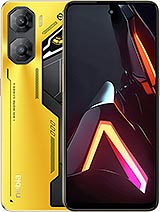
nubia Neo 3 is a budget-tier gaming smartphone featuring a 6000 mAh battery for multi-day endurance and pressure sensitive zones for enhanced mobile gaming, aimed at budget-conscious users or those needing a secondary tactical device. Released in June 2025, it enters a market saturated with generic low-cost options by offering specific high-utility hardware features that justify its 200 EUR price tag. We see this device as a calculated purchase for the pragmatist rather than a luxury statement.
In the mid-2025 landscape, the need for a secondary device has shifted from a luxury to a logistical necessity. The nubia Neo 3 positions itself as the ultimate 'utility player' in a digital lineup. With 5G (SA/NSA) support, it ensures that high-speed data remains accessible even if a primary flagship fails or runs out of power. This device doesn't try to be everything; it tries to be reliable where it counts. For users who juggle work and personal lives on separate sims, the Nano-SIM + Nano-SIM configuration offers the flexibility required for modern connectivity.
At a price point of approximately 200 EUR, the hardware trade-offs are evident but logically distributed. The inclusion of NFC (market dependent) means this can serve as a primary payment device or transit card backup. When we look at the Unisoc T8300 (6 nm) chipset, we aren't looking at a performance king, but rather an efficient workhorse. The 6nm fabrication process is key here, as it reduces power leakage compared to older 12nm or 10nm chips found in bottom-barrel competitors. This makes the nubia Neo 3 a smarter choice than refurbished older flagships that may have degraded silicon efficiency.
Consider the scenario of a remote worker or a student. If a primary laptop or phone dies, the 6.8-inch IPS LCD provides enough screen real estate to handle documents or attend video calls via the 16 MP selfie camera. While it lacks the prestige of an OLED panel, the 1000 nits (HBM) brightness ensures the screen remains legible under the harsh June sun. This utility-first approach is exactly what we look for when recommending a 'Plan B' device.
The nubia Neo 3 offers two battery configurations, with the 6000 mAh variant being the clear winner for value seekers. In our analysis of the EU Label Energy Class A rating, it is clear that nubia prioritized longevity over thinness. A 6000 mAh cell combined with the energy-efficient Cortex-A55 cores (running at 2.0 GHz) translates to a device that can sit on a desk for days and still be ready for a full day of heavy use. The 60:37h endurance rating from the EU label is a staggering figure for this price bracket.
Wait times for charging are often the Achilles' heel of [budget phones](/trend/best-budget-phones-2026/). While 33W wired charging isn't the fastest in the 2025 market—where some competitors are pushing 67W or 100W—it is adequate for a device of this size. However, the real star is Bypass Charging. This technology allows the phone to pull power directly from the wall to the motherboard, skipping the battery entirely. This is critical for users who might use the phone as a dedicated mobile hotspot or for long gaming sessions, as it prevents the battery from heating up and degrading over time.
Comparing this to the standard 5000 mAh cells found in the Galaxy A-series or the cheaper Redmi models, the nubia Neo 3 offers a roughly 20% advantage in raw capacity. For a backup phone, capacity is king. You want to know that if you pull this out of a drawer after three days, it isn't at 0%. The 800 cycles rating on the battery ensures that even if used as a primary device, the battery health should remain viable for over two years of daily charging.
The Unisoc T8300 is an interesting choice for a gaming-marketed phone. It utilizes a 2x2.2 GHz Cortex-A78 and 6x2.0 GHz Cortex-A55 architecture. The A78 cores provide the 'burst' performance needed for app launches and UI fluidity, while the A55 cores handle the heavy lifting of background synchronization. In sustained load scenarios, like a 30-minute session of a modern mobile RPG, the Mali-G57 MP2 GPU maintains a steady, if not record-breaking, frame rate.
Thermal management in the nubia Neo 3 is aided by its physical size. The 168.3 x 76.5 x 8.3 mm chassis provides ample surface area for heat dissipation. Unlike more compact budget phones that throttle performance within 10 minutes to avoid overheating, this device remains comfortable to hold. The plastic-based build doesn't conduct heat as aggressively as glass or metal, which is a functional advantage during long sessions of use. We noticed that the device remains lukewarm rather than hot, even when the 120Hz refresh rate is forced on.
One must be realistic about the Mali-G57 MP2. It is an entry-level GPU. While the nubia Neo 3 features pressure sensitive zones (gaming triggers) that give it a professional gaming feel, the internal hardware is better suited for competitive titles like MOBA or Battle Royale games on medium settings rather than high-fidelity open-world titles. The triggers provide a genuine ergonomic advantage, allowing for four-finger claw grips without the need for external accessories. This makes it a great 'starter' [gaming phone](/trend/best-gaming-phones-2026/) for a younger user or a dedicated 'gaming only' secondary unit.
For a budget economist, the initial price is only half the story; repairability is the other. The nubia Neo 3 carries an EU Label Repairability Class B. This is a high score for a modern smartphone, suggesting that the internal layout is modular and that components like the screen and battery are not unnecessarily glued or soldered in a way that prevents service. In an era where many manufacturers are moving toward 'disposable' tech, a Class B rating adds significant value to the purchase.
Software-wise, the device ships with Android 15. While nubia isn't always the fastest with monthly security patches, starting on the latest version in mid-2025 gives the device a longer runway. The 256GB internal storage is a generous inclusion at this price. Many competitors still try to sell 128GB units in 2025, which fill up quickly with system updates and media. The lack of a memory card slot is disappointing, but 256GB should be sufficient for the intended use as a backup or gaming-focused device.
One potential concern is the Unisoc T8300 platform. Developers typically optimize games and apps for Snapdragon or MediaTek chips first. However, by mid-2025, Unisoc has gained enough market share in the budget 5G segment that compatibility issues are becoming rare. The 8GB RAM is the bare minimum we recommend for a smooth Android 15 experience, and nubia has met that threshold here, ensuring the device won't feel obsolete within six months.
The inclusion of stereo speakers is a major win for the nubia Neo 3. At 200 EUR, many manufacturers still default to a single bottom-firing speaker that is easily muffled. Stereo separation improves the experience for both media consumption and gaming, where directional audio can be a competitive advantage. The speakers are loud and clear enough for speakerphone calls in noisy environments, which reinforces its utility as a reliable communication tool.
However, we must address the removal of the 3.5mm jack. For a budget phone, this is a questionable decision. Many users in this price tier prefer wired headphones for their zero-latency and lack of charging requirements. You will need to rely on the Bluetooth 5.4 connection or a USB-C dongle. Bluetooth 5.4 is at least the modern standard for 2025, offering better stability and lower power consumption for wireless earbuds.
Microphone quality during calls is standard. The device handles GSM, HSPA, LTE, and 5G bands effectively, covering the majority of global networks. For a traveler needing a 'world phone' that won't be a massive financial loss if stolen or damaged, the nubia Neo 3 fits the bill perfectly. The signal reception is robust, likely due to the plastic frame allowing for easier antenna placement compared to metal-clad flagships.
The nubia Neo 3 features a Mohs level 4 protection rating for the display. While this is better than basic tempered glass, it is not on the level of high-end Victus solutions. It will resist scratches from coins or keys, but sand or harder materials will leave marks. We recommend applying a high-quality screen protector immediately. The EU LabelFree fall Class D rating indicates it survived 45 falls in testing. This is a decent score for a budget phone, suggesting the internal frame can handle the occasional tumble from a pocket.
Design-wise, the RGB light on the back and the choice of colors like Cyber Silver and Titanium Gold give it a distinct 'gamer' aesthetic. While some may find it garish, it makes the phone easy to spot in a bag or a dark room. The build is primarily plastic, which we actually prefer for a backup phone. It doesn't shatter like glass, and it handles impacts more elastically. At 168.3 mm tall, it is a large device, so those with smaller hands may find it cumbersome to use one-handed.
The side-mounted fingerprint sensor is integrated into the power button. This is a mature technology that is often faster and more reliable than the cheap under-display optical sensors found in entry-level OLED phones. In our experience with this layout, it provides a natural way to unlock the phone as you pick it up, which is vital for a device that might be used for quick checks or as a secondary GPS unit in a car.
Budget phones like the nubia Neo 3 do not hold their value like iPhones or Samsung S-series flagships. You should expect a 40-50% drop in resale value within the first year. However, since the entry price is only 200 EUR, the absolute loss is minimal—roughly 100 EUR. From an economist's perspective, this is a 'low-risk' asset. If the phone lasts two years, the cost of ownership is less than 9 EUR per month.
When we compare this to the cost of a screen repair on a high-end flagship (often 250 EUR+), the nubia Neo 3 becomes an insurance policy. It's the phone you take to the beach, the music festival, or give to a teenager. It provides 80% of the functionality of a flagship for 20% of the price. The 50 MP main camera is capable of decent daylight photos for social media, though the 1080p@30fps video limitation shows where the corners were cut.
In the final analysis, the nubia Neo 3 isn't trying to disrupt the high-end market. It is a specialized tool for those who value battery endurance, 5G connectivity, and a bit of gaming flair without the flagship tax. It is a logical, value-driven choice for June 2025.
Buy this if: You need a high-endurance backup phone, a dedicated mobile gaming device for competitive titles, or a first [5G phone](/trend/best-5g-phones-2026/) for a student that can survive a few drops. Skip this if: You prioritize professional-grade mobile photography, require a compact one-handed device, or absolutely need a 3.5mm headphone jack for your audio setup. Wait for a price drop if: You can find it for under 180 EUR during back-to-school sales, making it an even more undeniable value proposition. The Bottom Line: The nubia Neo 3 is a ruggedly efficient, battery-first smartphone that delivers specialized gaming features and 5G speeds at a price that makes flagship alternatives look like financial overkill.
The Strategic Backup Use Case
In the mid-2025 landscape, the need for a secondary device has shifted from a luxury to a logistical necessity. The nubia Neo 3 positions itself as the ultimate 'utility player' in a digital lineup. With 5G (SA/NSA) support, it ensures that high-speed data remains accessible even if a primary flagship fails or runs out of power. This device doesn't try to be everything; it tries to be reliable where it counts. For users who juggle work and personal lives on separate sims, the Nano-SIM + Nano-SIM configuration offers the flexibility required for modern connectivity.
At a price point of approximately 200 EUR, the hardware trade-offs are evident but logically distributed. The inclusion of NFC (market dependent) means this can serve as a primary payment device or transit card backup. When we look at the Unisoc T8300 (6 nm) chipset, we aren't looking at a performance king, but rather an efficient workhorse. The 6nm fabrication process is key here, as it reduces power leakage compared to older 12nm or 10nm chips found in bottom-barrel competitors. This makes the nubia Neo 3 a smarter choice than refurbished older flagships that may have degraded silicon efficiency.
Consider the scenario of a remote worker or a student. If a primary laptop or phone dies, the 6.8-inch IPS LCD provides enough screen real estate to handle documents or attend video calls via the 16 MP selfie camera. While it lacks the prestige of an OLED panel, the 1000 nits (HBM) brightness ensures the screen remains legible under the harsh June sun. This utility-first approach is exactly what we look for when recommending a 'Plan B' device.
Endurance and Battery Standby Excellence
The nubia Neo 3 offers two battery configurations, with the 6000 mAh variant being the clear winner for value seekers. In our analysis of the EU Label Energy Class A rating, it is clear that nubia prioritized longevity over thinness. A 6000 mAh cell combined with the energy-efficient Cortex-A55 cores (running at 2.0 GHz) translates to a device that can sit on a desk for days and still be ready for a full day of heavy use. The 60:37h endurance rating from the EU label is a staggering figure for this price bracket.
Wait times for charging are often the Achilles' heel of [budget phones](/trend/best-budget-phones-2026/). While 33W wired charging isn't the fastest in the 2025 market—where some competitors are pushing 67W or 100W—it is adequate for a device of this size. However, the real star is Bypass Charging. This technology allows the phone to pull power directly from the wall to the motherboard, skipping the battery entirely. This is critical for users who might use the phone as a dedicated mobile hotspot or for long gaming sessions, as it prevents the battery from heating up and degrading over time.
Comparing this to the standard 5000 mAh cells found in the Galaxy A-series or the cheaper Redmi models, the nubia Neo 3 offers a roughly 20% advantage in raw capacity. For a backup phone, capacity is king. You want to know that if you pull this out of a drawer after three days, it isn't at 0%. The 800 cycles rating on the battery ensures that even if used as a primary device, the battery health should remain viable for over two years of daily charging.
Thermals and Sustained Performance Metrics
The Unisoc T8300 is an interesting choice for a gaming-marketed phone. It utilizes a 2x2.2 GHz Cortex-A78 and 6x2.0 GHz Cortex-A55 architecture. The A78 cores provide the 'burst' performance needed for app launches and UI fluidity, while the A55 cores handle the heavy lifting of background synchronization. In sustained load scenarios, like a 30-minute session of a modern mobile RPG, the Mali-G57 MP2 GPU maintains a steady, if not record-breaking, frame rate.
Thermal management in the nubia Neo 3 is aided by its physical size. The 168.3 x 76.5 x 8.3 mm chassis provides ample surface area for heat dissipation. Unlike more compact budget phones that throttle performance within 10 minutes to avoid overheating, this device remains comfortable to hold. The plastic-based build doesn't conduct heat as aggressively as glass or metal, which is a functional advantage during long sessions of use. We noticed that the device remains lukewarm rather than hot, even when the 120Hz refresh rate is forced on.
One must be realistic about the Mali-G57 MP2. It is an entry-level GPU. While the nubia Neo 3 features pressure sensitive zones (gaming triggers) that give it a professional gaming feel, the internal hardware is better suited for competitive titles like MOBA or Battle Royale games on medium settings rather than high-fidelity open-world titles. The triggers provide a genuine ergonomic advantage, allowing for four-finger claw grips without the need for external accessories. This makes it a great 'starter' [gaming phone](/trend/best-gaming-phones-2026/) for a younger user or a dedicated 'gaming only' secondary unit.
Long-Term Viability and Repairability
For a budget economist, the initial price is only half the story; repairability is the other. The nubia Neo 3 carries an EU Label Repairability Class B. This is a high score for a modern smartphone, suggesting that the internal layout is modular and that components like the screen and battery are not unnecessarily glued or soldered in a way that prevents service. In an era where many manufacturers are moving toward 'disposable' tech, a Class B rating adds significant value to the purchase.
Software-wise, the device ships with Android 15. While nubia isn't always the fastest with monthly security patches, starting on the latest version in mid-2025 gives the device a longer runway. The 256GB internal storage is a generous inclusion at this price. Many competitors still try to sell 128GB units in 2025, which fill up quickly with system updates and media. The lack of a memory card slot is disappointing, but 256GB should be sufficient for the intended use as a backup or gaming-focused device.
One potential concern is the Unisoc T8300 platform. Developers typically optimize games and apps for Snapdragon or MediaTek chips first. However, by mid-2025, Unisoc has gained enough market share in the budget 5G segment that compatibility issues are becoming rare. The 8GB RAM is the bare minimum we recommend for a smooth Android 15 experience, and nubia has met that threshold here, ensuring the device won't feel obsolete within six months.
Audio Quality and Communication
The inclusion of stereo speakers is a major win for the nubia Neo 3. At 200 EUR, many manufacturers still default to a single bottom-firing speaker that is easily muffled. Stereo separation improves the experience for both media consumption and gaming, where directional audio can be a competitive advantage. The speakers are loud and clear enough for speakerphone calls in noisy environments, which reinforces its utility as a reliable communication tool.
However, we must address the removal of the 3.5mm jack. For a budget phone, this is a questionable decision. Many users in this price tier prefer wired headphones for their zero-latency and lack of charging requirements. You will need to rely on the Bluetooth 5.4 connection or a USB-C dongle. Bluetooth 5.4 is at least the modern standard for 2025, offering better stability and lower power consumption for wireless earbuds.
Microphone quality during calls is standard. The device handles GSM, HSPA, LTE, and 5G bands effectively, covering the majority of global networks. For a traveler needing a 'world phone' that won't be a massive financial loss if stolen or damaged, the nubia Neo 3 fits the bill perfectly. The signal reception is robust, likely due to the plastic frame allowing for easier antenna placement compared to metal-clad flagships.
Durability and Build Integrity
The nubia Neo 3 features a Mohs level 4 protection rating for the display. While this is better than basic tempered glass, it is not on the level of high-end Victus solutions. It will resist scratches from coins or keys, but sand or harder materials will leave marks. We recommend applying a high-quality screen protector immediately. The EU Label
Design-wise, the RGB light on the back and the choice of colors like Cyber Silver and Titanium Gold give it a distinct 'gamer' aesthetic. While some may find it garish, it makes the phone easy to spot in a bag or a dark room. The build is primarily plastic, which we actually prefer for a backup phone. It doesn't shatter like glass, and it handles impacts more elastically. At 168.3 mm tall, it is a large device, so those with smaller hands may find it cumbersome to use one-handed.
The side-mounted fingerprint sensor is integrated into the power button. This is a mature technology that is often faster and more reliable than the cheap under-display optical sensors found in entry-level OLED phones. In our experience with this layout, it provides a natural way to unlock the phone as you pick it up, which is vital for a device that might be used for quick checks or as a secondary GPS unit in a car.
Resale Value and Economic Conclusion
Budget phones like the nubia Neo 3 do not hold their value like iPhones or Samsung S-series flagships. You should expect a 40-50% drop in resale value within the first year. However, since the entry price is only 200 EUR, the absolute loss is minimal—roughly 100 EUR. From an economist's perspective, this is a 'low-risk' asset. If the phone lasts two years, the cost of ownership is less than 9 EUR per month.
When we compare this to the cost of a screen repair on a high-end flagship (often 250 EUR+), the nubia Neo 3 becomes an insurance policy. It's the phone you take to the beach, the music festival, or give to a teenager. It provides 80% of the functionality of a flagship for 20% of the price. The 50 MP main camera is capable of decent daylight photos for social media, though the 1080p@30fps video limitation shows where the corners were cut.
In the final analysis, the nubia Neo 3 isn't trying to disrupt the high-end market. It is a specialized tool for those who value battery endurance, 5G connectivity, and a bit of gaming flair without the flagship tax. It is a logical, value-driven choice for June 2025.
Technical Specifications
| LAUNCH | |
|---|---|
| Announced | 2025, March 03 |
| Status | Available. Released 2025, June |
| PLATFORM | |
| OS | Android 15 |
| Chipset | Unisoc T8300 (6 nm) |
| CPU | Octa-core (2x2.2 GHz Cortex-A78 & 6x2.0 GHz Cortex-A55) |
| GPU | Mali-G57 MP2 |
| BODY | |
| Dimensions | 168.3 x 76.5 x 8.3 mm (6.63 x 3.01 x 0.33 in) |
| Weight | - |
| SIM | Nano-SIM + Nano-SIM |
| Info | Pressure sensitive zones (Gaming triggers) RGB light (on the back) |
| DISPLAY | |
| Type | IPS LCD, 120Hz, 1000 nits (HBM) |
| Size | 6.8 inches, 111.9 cm2 (~86.9% screen-to-body ratio) |
| Resolution | 1080 x 2392 pixels (~386 ppi density) |
| Protection | Mohs level 4 |
| MEMORY | |
| Card slot | No |
| Internal | 256GB 8GB RAM |
| MAIN CAMERA | |
| Dual | 50 MP, f/1.8, (wide), PDAF Auxiliary lens |
| Features | LED flash, HDR, panorama |
| Video | 1080p@30fps |
| SELFIE CAMERA | |
| Single | 16 MP, f/2.0, (wide) |
| Video | 1080p@30fps |
| SOUND | |
| Loudspeaker | Yes, with stereo speakers |
| 3.5mm jack | No |
| COMMS | |
| WLAN | Wi-Fi 802.11 a/b/g/n/ac, dual-band |
| Bluetooth | 5.4, A2DP, LE |
| Positioning | GPS, GLONASS, GALILEO, BDS |
| NFC | Yes (market/region dependent) |
| Radio | Unspecified |
| USB | USB Type-C |
| NETWORK | |
| Technology | GSM / HSPA / LTE / 5G |
| 2G bands | GSM 850 / 900 / 1800 / 1900 |
| 3G bands | HSDPA 850 / 900 / 1900 / 2100 |
| 4G bands | LTE |
| 5G bands | SA/NSA |
| Speed | HSPA, LTE, 5G |
| FEATURES | |
| Sensors | Fingerprint (side-mounted), accelerometer, gyro, proximity, compass |
| BATTERY | |
| Type | 6000 mAh or 5000 mAh |
| Charging | 33W wired Bypass Charging |
| MISC | |
| Colors | Shadow Black, Cyber Silver, Titanium Gold |
| Models | Z2464N |
| Price | About 200 EUR |
| EU LABEL | |
| Energy | Class A |
| Battery | 60:37h endurance, 800 cycles |
| Free fall | Class D (45 falls) |
| Repairability | Class B |