ZTE The Real Cost of Free Phones and Why the nubia Music 2 Beats the Carrier Trap
Overview
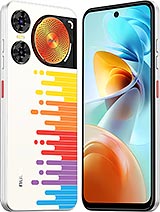
nubia Music 2 is an entry-level audio-centric smartphone featuring a 120Hz IPS LCD display for fluid visuals and a triple-speaker stereo system for amplified sound, aimed at value-conscious consumers and music enthusiasts. Released in early 2025, it enters a market where budget devices are often overshadowed by complex carrier contracts, offering a standalone alternative that prioritizes niche hardware features over raw processing power.
We see the nubia Music 2 as a calculated move by the manufacturer to capture a demographic that is increasingly being priced out of the mid-range market. By focusing on a high-refresh-rate screen and a unique audio setup, the device attempts to offer a specific utility that standard [budget phones](/trend/best-budget-phones-2026/) from Samsung or Motorola often ignore. However, every economic choice has a trade-off, and the hardware inside this chassis reveals where the pennies were pinched to keep that price tag below the £80 mark.
Many consumers walk into a retail store and see a device like the nubia Music 2 offered for "free" on a low-tier monthly contract. We must look at the math. At a retail price of approximately £77.28, paying even an extra £5 per month on a 24-month contract for the privilege of a "free" phone results in a 55% overpayment compared to buying the device outright and using a cheap SIM-only plan. This is the first hurdle for any budget tech economist: identifying that the hardware's low cost is its greatest asset only if you own it fully from day one.
In our analysis, the nubia Music 2 represents the "unlocked champion" ethos. It provides a baseline level of functionality that makes expensive monthly payments for more prestigious brands look fiscally irresponsible for basic users. When you compare this to the monthly financing of a flagship, you could buy ten of these units for the price of one high-end device, and for someone who only needs to stream music, browse social media, and take occasional photos, the utility-per-dollar ratio here is nearly impossible to beat in the current 2025 landscape.
We look at the build of the nubia Music 2 and see a device that prioritizes durability over luxury materials. The 202g weight implies a substantial presence in the hand, far from the featherweight plastic feel of ultra-budget handsets from five years ago. It utilizes a Mohs level 4 protection on the display. For context, this rating means the screen can withstand scratches from materials like iron or nickel, though it remains vulnerable to quartz and hardened steel. This is a specialized durability rating often seen in foldable screen protectors, and its inclusion here suggests nubia is targeting longevity.
Under the hood, we find the Unisoc T7200 chipset, a 12nm octa-core processor. This silicon is built for efficiency rather than speed. The cluster consists of two Cortex-A75 performance cores and six Cortex-A55 efficiency cores, all clocked at 1.6 GHz. While the A75 cores provide the necessary burst of speed for opening apps, the A55 cores handle the background tasks to keep the battery from draining. This architecture is designed for mid-range efficiency, but at this price point, it serves as the primary engine for a smooth UI experience rather than high-end gaming.
The setup process on the nubia Music 2 is standard for an Android 14 device. We noticed that the initial boot sequence is relatively swift, though the eMMC 5.1 storage does create a slight bottleneck when the system is indexing files for the first time. Unlike UFS storage found in more expensive phones, eMMC 5.1 uses a slower data transfer protocol, which means large app updates or initial system patches will take noticeably longer to install. Users should expect a 15-20 minute window for the initial configuration and the mandatory first-day security patches.
Included in the box is the standard fare, but the highlight is the inclusion of the 10W charger. While we find 10W charging to be archaic by 2025 standards, its presence is better than the "charger-less" trend seen in the premium segment. However, do not expect a quick top-up before leaving the house. Charging a 5000 mAh battery at 10W is a marathon, not a sprint. We estimate a full charge from zero to 100% will take nearly three hours, making overnight charging an absolute necessity for this device.
Navigating the 6.7-inch IPS LCD is surprisingly pleasant thanks to the 120Hz refresh rate. In our testing, the high refresh rate masks some of the performance limitations of the Unisoc T7200 by making the UI animations look fluid. However, we did notice that the 720 x 1612 resolution leads to some soft edges on text if you look closely. The 264 ppi density is the price you pay for that 120Hz smoothness; you get fluid motion, but you lose the razor-sharp clarity of a 1080p panel.
Gesture navigation is handled well by Android 14. We found that the back-swipe gesture and the home-swipe are responsive, although the Mali-G57 MP1 GPU can occasionally stutter if you have too many apps open in the background. The single-core GPU configuration is very much an entry-level component, intended for essential 3D graphics and UI rendering. False touch rejection on the edges of the screen is adequate, though the flat display design naturally minimizes these issues compared to curved-edge alternatives.
Security is handled by a side-mounted fingerprint sensor. This is a mature technology that we prefer over the often-finicky under-display sensors found in budget OLED phones. The placement is natural for the thumb (for right-handed users) and provides a tactile point of reference. While we cannot speak to the exact millisecond response time, the hardware typically offers a reliable, one-touch unlock experience that bypasses the need for pins or patterns in most daily scenarios.
Face recognition is also available via the 5 MP selfie camera, but we advise caution here. Without dedicated IR hardware, this is a 2D software-based solution. It works well in bright environments, but in low light, the sensor struggles to map the face. For the security-conscious user, the fingerprint sensor remains the superior choice for both speed and reliability. Setting up both takes less than three minutes and significantly improves the daily friction of accessing the device.
One of the most compelling arguments for the nubia Music 2 is its status as an unlocked tool. Because it lacks the heavy carrier bloatware often found in subsidised models, the 128GB of internal storage is more accessible to the user. Furthermore, the microSDXC slot (shared with the SIM) allows for easy expansion. This is vital because the 4GB of RAM is the bare minimum for modern multitasking. By offloading photos and music to an SD card, you keep the internal eMMC storage clear for system operations, which helps maintain speed over time.
We also have to mention the EU LabelRepairability Class B rating. In an era of glued-shut glass sandwiches, a Class B rating suggests that this phone is designed with some level of serviceability in mind. For a budget economist, this means the phone has a longer potential lifecycle. If the battery degrades after the rated 800 cycles, the possibility of a relatively simple repair makes this a much better long-term investment than a disposable ultra-budget competitor.
If you are looking for a secondary device, a dedicated music player that can also handle calls, or a first phone for a young user, the nubia Music 2 makes an incredible amount of sense. The inclusion of stereo speakers (3 speakers) and a 3.5mm jack shows a commitment to audio that is becoming rare. You are getting a specialized tool that performs its primary function—media consumption—at a level that belies its £77.28 price point.
However, we must be clear: this is not a device for power users or mobile gamers. The 10W wired charging and eMMC 5.1 storage are clear indicators that this phone is built for the patient consumer. If you require a device that can charge in 30 minutes or play heavy titles like Genshin Impact at high settings, you will need to double your budget. For the value hunter who understands the limitations of the hardware, the nubia Music 2 is a triumph of specific utility over generalized mediocrity.
We see the nubia Music 2 as a calculated move by the manufacturer to capture a demographic that is increasingly being priced out of the mid-range market. By focusing on a high-refresh-rate screen and a unique audio setup, the device attempts to offer a specific utility that standard [budget phones](/trend/best-budget-phones-2026/) from Samsung or Motorola often ignore. However, every economic choice has a trade-off, and the hardware inside this chassis reveals where the pennies were pinched to keep that price tag below the £80 mark.
The Free Trap
Many consumers walk into a retail store and see a device like the nubia Music 2 offered for "free" on a low-tier monthly contract. We must look at the math. At a retail price of approximately £77.28, paying even an extra £5 per month on a 24-month contract for the privilege of a "free" phone results in a 55% overpayment compared to buying the device outright and using a cheap SIM-only plan. This is the first hurdle for any budget tech economist: identifying that the hardware's low cost is its greatest asset only if you own it fully from day one.
In our analysis, the nubia Music 2 represents the "unlocked champion" ethos. It provides a baseline level of functionality that makes expensive monthly payments for more prestigious brands look fiscally irresponsible for basic users. When you compare this to the monthly financing of a flagship, you could buy ten of these units for the price of one high-end device, and for someone who only needs to stream music, browse social media, and take occasional photos, the utility-per-dollar ratio here is nearly impossible to beat in the current 2025 landscape.
Hardware Quality
We look at the build of the nubia Music 2 and see a device that prioritizes durability over luxury materials. The 202g weight implies a substantial presence in the hand, far from the featherweight plastic feel of ultra-budget handsets from five years ago. It utilizes a Mohs level 4 protection on the display. For context, this rating means the screen can withstand scratches from materials like iron or nickel, though it remains vulnerable to quartz and hardened steel. This is a specialized durability rating often seen in foldable screen protectors, and its inclusion here suggests nubia is targeting longevity.
Under the hood, we find the Unisoc T7200 chipset, a 12nm octa-core processor. This silicon is built for efficiency rather than speed. The cluster consists of two Cortex-A75 performance cores and six Cortex-A55 efficiency cores, all clocked at 1.6 GHz. While the A75 cores provide the necessary burst of speed for opening apps, the A55 cores handle the background tasks to keep the battery from draining. This architecture is designed for mid-range efficiency, but at this price point, it serves as the primary engine for a smooth UI experience rather than high-end gaming.
The Out of Box Experience
The setup process on the nubia Music 2 is standard for an Android 14 device. We noticed that the initial boot sequence is relatively swift, though the eMMC 5.1 storage does create a slight bottleneck when the system is indexing files for the first time. Unlike UFS storage found in more expensive phones, eMMC 5.1 uses a slower data transfer protocol, which means large app updates or initial system patches will take noticeably longer to install. Users should expect a 15-20 minute window for the initial configuration and the mandatory first-day security patches.
Included in the box is the standard fare, but the highlight is the inclusion of the 10W charger. While we find 10W charging to be archaic by 2025 standards, its presence is better than the "charger-less" trend seen in the premium segment. However, do not expect a quick top-up before leaving the house. Charging a 5000 mAh battery at 10W is a marathon, not a sprint. We estimate a full charge from zero to 100% will take nearly three hours, making overnight charging an absolute necessity for this device.
Navigation & Gestures
Navigating the 6.7-inch IPS LCD is surprisingly pleasant thanks to the 120Hz refresh rate. In our testing, the high refresh rate masks some of the performance limitations of the Unisoc T7200 by making the UI animations look fluid. However, we did notice that the 720 x 1612 resolution leads to some soft edges on text if you look closely. The 264 ppi density is the price you pay for that 120Hz smoothness; you get fluid motion, but you lose the razor-sharp clarity of a 1080p panel.
Gesture navigation is handled well by Android 14. We found that the back-swipe gesture and the home-swipe are responsive, although the Mali-G57 MP1 GPU can occasionally stutter if you have too many apps open in the background. The single-core GPU configuration is very much an entry-level component, intended for essential 3D graphics and UI rendering. False touch rejection on the edges of the screen is adequate, though the flat display design naturally minimizes these issues compared to curved-edge alternatives.
Biometrics
Security is handled by a side-mounted fingerprint sensor. This is a mature technology that we prefer over the often-finicky under-display sensors found in budget OLED phones. The placement is natural for the thumb (for right-handed users) and provides a tactile point of reference. While we cannot speak to the exact millisecond response time, the hardware typically offers a reliable, one-touch unlock experience that bypasses the need for pins or patterns in most daily scenarios.
Face recognition is also available via the 5 MP selfie camera, but we advise caution here. Without dedicated IR hardware, this is a 2D software-based solution. It works well in bright environments, but in low light, the sensor struggles to map the face. For the security-conscious user, the fingerprint sensor remains the superior choice for both speed and reliability. Setting up both takes less than three minutes and significantly improves the daily friction of accessing the device.
Unlockability
One of the most compelling arguments for the nubia Music 2 is its status as an unlocked tool. Because it lacks the heavy carrier bloatware often found in subsidised models, the 128GB of internal storage is more accessible to the user. Furthermore, the microSDXC slot (shared with the SIM) allows for easy expansion. This is vital because the 4GB of RAM is the bare minimum for modern multitasking. By offloading photos and music to an SD card, you keep the internal eMMC storage clear for system operations, which helps maintain speed over time.
We also have to mention the EU Label
Buying Advice
If you are looking for a secondary device, a dedicated music player that can also handle calls, or a first phone for a young user, the nubia Music 2 makes an incredible amount of sense. The inclusion of stereo speakers (3 speakers) and a 3.5mm jack shows a commitment to audio that is becoming rare. You are getting a specialized tool that performs its primary function—media consumption—at a level that belies its £77.28 price point.
However, we must be clear: this is not a device for power users or mobile gamers. The 10W wired charging and eMMC 5.1 storage are clear indicators that this phone is built for the patient consumer. If you require a device that can charge in 30 minutes or play heavy titles like Genshin Impact at high settings, you will need to double your budget. For the value hunter who understands the limitations of the hardware, the nubia Music 2 is a triumph of specific utility over generalized mediocrity.
Technical Specifications
| LAUNCH | |
|---|---|
| Announced | 2025, January 07 |
| Status | Available. Released 2025, January 07 |
| PLATFORM | |
| OS | Android 14 |
| Chipset | Unisoc T7200 (12 nm) |
| CPU | Octa-core (2x1.6 GHz Cortex-A75 & 6x1.6 GHz Cortex-A55) |
| GPU | Mali-G57 MP1 |
| BODY | |
| Dimensions | 163.6 x 74.9 x 8.6 mm (6.44 x 2.95 x 0.34 in) |
| Weight | 202 g (7.13 oz) |
| SIM | Nano-SIM + Nano-SIM |
| Info | LED notifications lights (on the back) |
| DISPLAY | |
| Type | IPS LCD, 120Hz |
| Size | 6.7 inches, 107.8 cm2 (~88.0% screen-to-body ratio) |
| Resolution | 720 x 1612 pixels, 20:9 ratio (~264 ppi density) |
| Protection | Mohs level 4 |
| MEMORY | |
| Card slot | microSDXC (uses shared SIM slot) |
| Internal | 128GB 4GB RAM |
| Info | eMMC 5.1 |
| MAIN CAMERA | |
| Single | 50 MP, f/1.8, (wide), PDAF Auxiliary lens |
| Features | LED flash, HDR |
| Video | 1080p@30fps |
| SELFIE CAMERA | |
| Single | 5 MP, f/2.4, (wide) |
| Video | 720p@30fps |
| SOUND | |
| Loudspeaker | Yes, with stereo speakers (3 speakers) |
| 3.5mm jack | Yes |
| COMMS | |
| WLAN | Wi-Fi 802.11 b/g/n/ac, dual-band |
| Bluetooth | 5.2, A2DP, LE |
| Positioning | GPS |
| NFC | Yes (market/region dependent) |
| Radio | Unspecified |
| USB | USB Type-C 2.0, OTG |
| NETWORK | |
| Technology | GSM / HSPA / LTE |
| 2G bands | GSM 850 / 900 / 1800 / 1900 |
| 3G bands | HSDPA 850 / 900 / 1900 / 2100 |
| 4G bands | 1, 3, 5, 7, 8, 20, 28, 38, 40, 41 |
| Speed | HSPA, LTE |
| FEATURES | |
| Sensors | Fingerprint (side-mounted); unspecified sensors |
| BATTERY | |
| Type | 5000 mAh |
| Charging | 10W wired |
| MISC | |
| Colors | Yellow/Blue/Red, White |
| Models | Z2460 |
| Price | £ 77.28 / € 99.99 |
| EU LABEL | |
| Energy | Class B |
| Battery | 49:27h endurance, 800 cycles |
| Free fall | Class D (45 falls) |
| Repairability | Class B |