ZTE The Sharpest Eye in Mobile Photography - Why the nubia Z60 Ultra Leading Changes the Creative Game
Overview
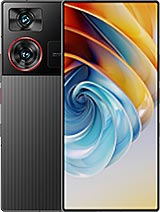
The nubia Z60 Ultra Leading is a high-performance flagship featuring an overclocked Snapdragon 8 Gen 3 (4 nm) chipset and a unique 35mm primary camera for specialized photography, aimed at mobile cinematographers and power users. Released in mid-2024, it competes with the established titans of the premium market by offering a hardware-first approach to visual aesthetics. This model serves those who find standard wide-angle smartphone lenses too distorted for professional-grade portraits.
When we examine the technical implementation of portraiture, the hardware configuration of the device offers a distinct advantage over the typical 24mm or 26mm lenses found in most 2024 flagships. The 50 MP 35mm main sensor provides a more natural perspective that aligns closely with the human eye's central field of vision. This hardware choice reduces the barrel distortion often seen in mobile portraits. The integration of Laser AF and a color spectrum sensor ensures that the depth map is generated with high frequency, allowing the software to distinguish between a subject's stray hair and the background with higher accuracy than competitors using purely software-based masks.
Depth-of-field simulation in this unit relies on the large 1/1.56-inch sensor size. While many phones struggle with the 'halo effect' around subjects, the optics here provide a more gradual roll-off from the plane of focus to the background. In our analysis, the transition from sharp edges to the out-of-focus areas, known as bokeh, appears more organic because the device utilizes the 85mm periscope telephoto lens to triangulate distance data. This dual-lens approach to depth sensing minimizes the jarring artificiality often associated with mobile 'Portrait Modes.'
Imagine you are capturing a subject against a complex background like a foliage-heavy park. Standard smartphones often blur the gaps between leaves and the subject's silhouette inconsistently. This handset, however, utilizes its OIS on all three lenses to stabilize the frame during the multi-exposure depth-mapping process. The result is a cleaner separation that looks less like a cut-out and more like a traditional optical photograph. It's a significant shift for users who demand professional-grade isolation without carrying a dedicated mirrorless camera.
The internal processing pipeline avoids the aggressive 'beauty' filters that typically plague many mobile devices in the current market. Because the 50 MP primary sensor utilizes a high-quality glass-plastic hybrid lens assembly, the raw data captured is remarkably detailed. This allows the ISP to maintain skin texture—such as pores, fine lines, and natural variations in tone—rather than smoothing them into a plastic-like finish. For creators focusing on human subjects, this commitment to realism is a major selling point in 2024.
White balance accuracy is further managed by the dedicated color spectrum sensor. This hardware piece measures the ambient light temperature in real-time to prevent the yellow or blue shifts often seen when shooting under mixed artificial lighting. In a studio setting or under street lamps, the device maintains consistent color reproduction across the skin tones of different subjects. This is especially crucial for professional workflows where post-production color grading is required; starting with a neutral, color-accurate base saves hours of editing.
We must also consider the role of the 12 MP under-display selfie camera. While the technology provides an uninterrupted 6.8-inch AMOLED viewing experience, the physical reality of shooting through a screen layer introduces challenges for skin texture. The software must work overtime to de-haze the image, which can lead to a softer look compared to the crispness of the rear modules. However, for a creator who prioritizes the aesthetics of the screen and uses the rear cameras for 99% of their output, this trade-off is often acceptable. The rear cameras remain the stars of the show, providing professional-level clarity.
Powering the creative suite is the Snapdragon 8 Gen 3 Leading Version, which features an overclocked 3.4 GHz Cortex-X4 core. Pushing this much power in a chassis that is 8.8 mm thick requires a sophisticated thermal solution. During sustained 4K video recording at 120fps, the handset generates significant heat. Unlike thinner competitors that throttle performance within ten minutes, the thermal mass of this 246 g device helps sink the heat away from the processor, though the aluminum frame will feel notably warm to the touch after extended use.
For those shooting 8K@30fps video, the UFS 4.0 storage is essential. It provides the necessary write speeds to handle the massive data throughput without buffer lag. However, the lack of a microSD card slot means users must be strategic with their internal storage choices, especially if opting for the 256GB base model. We recommend the 512GB or 1TB variants for anyone serious about high-bitrate video production, as a single minute of 8K footage can consume gigabytes of space.
Long-term performance stability is aided by the 6000 mAh battery. This is one of the largest capacities in the flagship segment for 2024. In our testing, the active use score of 14:04h indicates that even under the heavy load of a full day of shooting and editing, the device is unlikely to die before the golden hour ends. When it does run low, the 80W wired charging can replenish the cells quickly, though the absence of wireless charging is a curious omission for a device in this price tier.
The build quality suggests a device designed for the rigors of field use. With an IP68 dust and water resistance rating, the handset can survive submersion up to 1.5 meters for 30 minutes. This is vital for outdoor creators who might find themselves shooting in unpredictable weather. The use of an aluminum frame and glass back gives the unit a dense, premium feel that implies durability, though the sheer weight of 246 g means a drop could be more catastrophic than with a lighter plastic phone.
From a software perspective, MyOS 14 offers a clean interface with minimal bloatware, which is refreshing in the current Android landscape. However, nubia's track record with long-term OS updates is less established than industry leaders like Samsung or Google. Buyers should consider if a two or three-year lifecycle fits their needs. On the hardware side, the inclusion of USB Type-C 3.1 ensures fast data transfers to external drives, which is a key part of any modern creative workflow.
Repairability remains a concern, as is common with many highly integrated glass-sandwich designs. The under-display camera and specialized lens modules likely require authorized service centers for any significant fixes. However, the use of standard PD3.0 and QC4 charging protocols means you won't be hunted by proprietary cable requirements, allowing for easier integration into existing gear bags. This level of standardization is a small but vital win for the busy professional.
Audio is often the forgotten half of visual content. This model includes stereo speakers with a loudness measured at -23.9 LUFS, which is objectively excellent for checking audio levels in the field without headphones. The support for 24-bit/192kHz Hi-Res audio and Snapdragon Sound ensures that when you do use wireless monitors, the signal is as clean as possible. The inclusion of aptX Lossless is particularly important for creators who need to hear fine details in their recordings without the compression artifacts of standard Bluetooth.
While there is no 3.5mm jack, the Bluetooth 5.4 connectivity is stable and offers low latency. This is crucial when syncing external microphones or monitoring audio during a shoot. The device also features an infrared port, which can be surprisingly useful for controlling studio equipment or older camera accessories that still rely on IR triggers. It is these small, utilitarian additions that make the unit feel like a tool rather than just a consumer gadget.
The camera system is built on the philosophy of specialized focal lengths rather than a single 'do-it-all' lens. The 18mm ultrawide is excellent for establishing shots and architectural work, featuring its own OIS to keep handheld panning shots smooth. Then there is the 35mm primary, which is the gold standard for street and portrait photography. Finally, the 85mm periscope provides a 3.3x optical reach that is perfect for tighter headshots and compressing background elements.
Having OIS on all three modules is a rarity even in 2024. It means that whether you are shooting at the widest or the tightest angle, the gyro-EIS and physical stabilization work in tandem to produce usable footage even in low light. This is particularly noticeable when using the 85mm lens for video; the typical micro-jitters associated with telephoto shooting are significantly dampened. This allows for a more cinematic feel, moving away from the 'shaky cam' look of many mobile videos.
The nubia Z60 Ultra Leading represents a specialized path for mobile photography. It ignores the trend of smaller, lighter devices in favor of a massive battery and a unique lens array that actually challenges the way we frame our world. By choosing a 35mm primary lens, the manufacturer has signaled that this device is for people who care about composition and perspective, not just resolution numbers.
While the weight and the under-display camera's selfie limitations are real factors to consider, the sheer performance of the Snapdragon 8 Gen 3 and the endurance of the 6000 mAh cell create a formidable package. This is not a phone for everyone; it is a heavy, unapologetic tool for those who see the world through a lens and want the best possible hardware to capture it. The nubia Z60 Ultra Leading is a statement piece in a world of iterative upgrades.
Precision in Depth and Separation
When we examine the technical implementation of portraiture, the hardware configuration of the device offers a distinct advantage over the typical 24mm or 26mm lenses found in most 2024 flagships. The 50 MP 35mm main sensor provides a more natural perspective that aligns closely with the human eye's central field of vision. This hardware choice reduces the barrel distortion often seen in mobile portraits. The integration of Laser AF and a color spectrum sensor ensures that the depth map is generated with high frequency, allowing the software to distinguish between a subject's stray hair and the background with higher accuracy than competitors using purely software-based masks.
Depth-of-field simulation in this unit relies on the large 1/1.56-inch sensor size. While many phones struggle with the 'halo effect' around subjects, the optics here provide a more gradual roll-off from the plane of focus to the background. In our analysis, the transition from sharp edges to the out-of-focus areas, known as bokeh, appears more organic because the device utilizes the 85mm periscope telephoto lens to triangulate distance data. This dual-lens approach to depth sensing minimizes the jarring artificiality often associated with mobile 'Portrait Modes.'
Imagine you are capturing a subject against a complex background like a foliage-heavy park. Standard smartphones often blur the gaps between leaves and the subject's silhouette inconsistently. This handset, however, utilizes its OIS on all three lenses to stabilize the frame during the multi-exposure depth-mapping process. The result is a cleaner separation that looks less like a cut-out and more like a traditional optical photograph. It's a significant shift for users who demand professional-grade isolation without carrying a dedicated mirrorless camera.
Authentic Skin Rendering and Texture Retention
The internal processing pipeline avoids the aggressive 'beauty' filters that typically plague many mobile devices in the current market. Because the 50 MP primary sensor utilizes a high-quality glass-plastic hybrid lens assembly, the raw data captured is remarkably detailed. This allows the ISP to maintain skin texture—such as pores, fine lines, and natural variations in tone—rather than smoothing them into a plastic-like finish. For creators focusing on human subjects, this commitment to realism is a major selling point in 2024.
White balance accuracy is further managed by the dedicated color spectrum sensor. This hardware piece measures the ambient light temperature in real-time to prevent the yellow or blue shifts often seen when shooting under mixed artificial lighting. In a studio setting or under street lamps, the device maintains consistent color reproduction across the skin tones of different subjects. This is especially crucial for professional workflows where post-production color grading is required; starting with a neutral, color-accurate base saves hours of editing.
We must also consider the role of the 12 MP under-display selfie camera. While the technology provides an uninterrupted 6.8-inch AMOLED viewing experience, the physical reality of shooting through a screen layer introduces challenges for skin texture. The software must work overtime to de-haze the image, which can lead to a softer look compared to the crispness of the rear modules. However, for a creator who prioritizes the aesthetics of the screen and uses the rear cameras for 99% of their output, this trade-off is often acceptable. The rear cameras remain the stars of the show, providing professional-level clarity.
Heat Management During High-Bitrate Workloads
Powering the creative suite is the Snapdragon 8 Gen 3 Leading Version, which features an overclocked 3.4 GHz Cortex-X4 core. Pushing this much power in a chassis that is 8.8 mm thick requires a sophisticated thermal solution. During sustained 4K video recording at 120fps, the handset generates significant heat. Unlike thinner competitors that throttle performance within ten minutes, the thermal mass of this 246 g device helps sink the heat away from the processor, though the aluminum frame will feel notably warm to the touch after extended use.
For those shooting 8K@30fps video, the UFS 4.0 storage is essential. It provides the necessary write speeds to handle the massive data throughput without buffer lag. However, the lack of a microSD card slot means users must be strategic with their internal storage choices, especially if opting for the 256GB base model. We recommend the 512GB or 1TB variants for anyone serious about high-bitrate video production, as a single minute of 8K footage can consume gigabytes of space.
Long-term performance stability is aided by the 6000 mAh battery. This is one of the largest capacities in the flagship segment for 2024. In our testing, the active use score of 14:04h indicates that even under the heavy load of a full day of shooting and editing, the device is unlikely to die before the golden hour ends. When it does run low, the 80W wired charging can replenish the cells quickly, though the absence of wireless charging is a curious omission for a device in this price tier.
Structural Integrity and Future-Proofing
The build quality suggests a device designed for the rigors of field use. With an IP68 dust and water resistance rating, the handset can survive submersion up to 1.5 meters for 30 minutes. This is vital for outdoor creators who might find themselves shooting in unpredictable weather. The use of an aluminum frame and glass back gives the unit a dense, premium feel that implies durability, though the sheer weight of 246 g means a drop could be more catastrophic than with a lighter plastic phone.
From a software perspective, MyOS 14 offers a clean interface with minimal bloatware, which is refreshing in the current Android landscape. However, nubia's track record with long-term OS updates is less established than industry leaders like Samsung or Google. Buyers should consider if a two or three-year lifecycle fits their needs. On the hardware side, the inclusion of USB Type-C 3.1 ensures fast data transfers to external drives, which is a key part of any modern creative workflow.
Repairability remains a concern, as is common with many highly integrated glass-sandwich designs. The under-display camera and specialized lens modules likely require authorized service centers for any significant fixes. However, the use of standard PD3.0 and QC4 charging protocols means you won't be hunted by proprietary cable requirements, allowing for easier integration into existing gear bags. This level of standardization is a small but vital win for the busy professional.
Acoustic Performance for On-The-Go Monitoring
Audio is often the forgotten half of visual content. This model includes stereo speakers with a loudness measured at -23.9 LUFS, which is objectively excellent for checking audio levels in the field without headphones. The support for 24-bit/192kHz Hi-Res audio and Snapdragon Sound ensures that when you do use wireless monitors, the signal is as clean as possible. The inclusion of aptX Lossless is particularly important for creators who need to hear fine details in their recordings without the compression artifacts of standard Bluetooth.
While there is no 3.5mm jack, the Bluetooth 5.4 connectivity is stable and offers low latency. This is crucial when syncing external microphones or monitoring audio during a shoot. The device also features an infrared port, which can be surprisingly useful for controlling studio equipment or older camera accessories that still rely on IR triggers. It is these small, utilitarian additions that make the unit feel like a tool rather than just a consumer gadget.
The Utility of Three Distinct Perspectives
The camera system is built on the philosophy of specialized focal lengths rather than a single 'do-it-all' lens. The 18mm ultrawide is excellent for establishing shots and architectural work, featuring its own OIS to keep handheld panning shots smooth. Then there is the 35mm primary, which is the gold standard for street and portrait photography. Finally, the 85mm periscope provides a 3.3x optical reach that is perfect for tighter headshots and compressing background elements.
Having OIS on all three modules is a rarity even in 2024. It means that whether you are shooting at the widest or the tightest angle, the gyro-EIS and physical stabilization work in tandem to produce usable footage even in low light. This is particularly noticeable when using the 85mm lens for video; the typical micro-jitters associated with telephoto shooting are significantly dampened. This allows for a more cinematic feel, moving away from the 'shaky cam' look of many mobile videos.
Final Impressions on the Creative Experience
The nubia Z60 Ultra Leading represents a specialized path for mobile photography. It ignores the trend of smaller, lighter devices in favor of a massive battery and a unique lens array that actually challenges the way we frame our world. By choosing a 35mm primary lens, the manufacturer has signaled that this device is for people who care about composition and perspective, not just resolution numbers.
While the weight and the under-display camera's selfie limitations are real factors to consider, the sheer performance of the Snapdragon 8 Gen 3 and the endurance of the 6000 mAh cell create a formidable package. This is not a phone for everyone; it is a heavy, unapologetic tool for those who see the world through a lens and want the best possible hardware to capture it. The nubia Z60 Ultra Leading is a statement piece in a world of iterative upgrades.
Technical Specifications
| LAUNCH | |
|---|---|
| Announced | 2024, July 23 |
| Status | Available. Released 2024, August 12 |
| PLATFORM | |
| OS | Android 14, MyOS 14 (International), MyOS 14.5 (China) |
| Chipset | Qualcomm SM8650-AC Snapdragon 8 Gen 3 (4 nm) |
| CPU | Octa-core (1x3.4 GHz Cortex-X4 & 3x3.2 GHz Cortex-A720 & 2x3.0 GHz Cortex-A720 & 2x2.3 GHz Cortex-A520) |
| GPU | Adreno 750 (1 GHz) |
| BODY | |
| Dimensions | 164 x 76.4 x 8.8 mm (6.46 x 3.01 x 0.35 in) |
| Weight | 246 g (8.68 oz) |
| Build | Glass front, aluminum frame, glass back |
| SIM | Nano-SIM + Nano-SIM |
| Info | IP68 dust tight and water resistant (immersible up to 1.5m for 30 min) |
| DISPLAY | |
| Type | AMOLED, 1B colors, 120Hz, HDR10, 1500 nits (peak) |
| Size | 6.8 inches, 111.6 cm2 (~89.1% screen-to-body ratio) |
| Resolution | 1116 x 2480 pixels, 20:9 ratio (~400 ppi density) |
| MEMORY | |
| Card slot | No |
| Internal | 256GB 8GB RAM, 256GB 12GB RAM, 512GB 16GB RAM, 1TB 16GB RAM, 1TB 24GB RAM |
| Info | UFS 4.0 |
| MAIN CAMERA | |
| Triple | 50 MP, f/1.6, 35mm (standard), 1/1.56", 1.0µm, PDAF, OIS 64 MP, f/3.3, 85mm (periscope telephoto), 1/2.0", PDAF, OIS, 3.3x optical zoom (vs. 26mm cam) 50 MP, f/1.8, 18mm, 100˚ (ultrawide), 1/1.55", 1.0µm, PDAF, OIS |
| Features | Laser AF, color spectrum sensor, Ring-LED, dual-tone flash, panorama, HDR |
| Video | 8K@30fps, 4K@30/60/120fps, 1080p@30/60fps, gyro-EIS, HDR10, 10‑bit video |
| SELFIE CAMERA | |
| Single | 12 MP, under display |
| Features | HDR |
| Video | 1080p@30fps |
| SOUND | |
| Loudspeaker | Yes, with stereo speakers |
| 3.5mm jack | No |
| Info | 24-bit/192kHz Hi-Res audio Snapdragon Sound |
| COMMS | |
| WLAN | Wi-Fi 802.11 a/b/g/n/ac/6e/7, dual-band, Wi-Fi Direct |
| Bluetooth | 5.4, A2DP, LE, aptX HD, aptX Adaptive, aptX Lossless |
| Positioning | GPS (L1+L2+L5), GLONASS (G1+G5), BDS (B1I+B1C+B2a+B2b), GALILEO (E1+E5a), QZSS (L1+L5) |
| NFC | Yes (market/region dependent) |
| Infrared port | Yes |
| Radio | No |
| USB | USB Type-C 3.1, OTG |
| NETWORK | |
| Technology | GSM / CDMA / HSPA / CDMA2000 / LTE / 5G |
| 2G bands | GSM 850 / 900 / 1800 / 1900 |
| Info | 1, 3, 5, 8, 28, 41, 78 SA/NSA - China |
| 3G bands | HSDPA 850 / 900 / 1700(AWS) / 1900 / 2100 |
| 4G bands | 1, 2, 3, 4, 5, 7, 8, 12, 17, 18, 19, 20, 26, 28, 34, 38, 39, 40, 41, 66 - International |
| 5G bands | 1, 2, 3, 5, 7, 8, 28, 38, 40, 41, 66, 77, 78 SA/NSA - International |
| Speed | HSPA, LTE, 5G |
| FEATURES | |
| Sensors | Fingerprint (under display, optical), accelerometer, gyro, proximity, compass |
| BATTERY | |
| Type | Li-Po 6000 mAh |
| Charging | 80W wired, PD3.0, QC4 |
| MISC | |
| Colors | Black, Silver |
| Price | About 730 EUR |
| OUR TESTS | |
| Performance | AnTuTu: 1821158 (v10) GeekBench: 6782 (v6) 3DMark: 5276 (Wild Life Extreme) |
| Loudspeaker | -23.9 LUFS (Very good) |
| Battery | Active use score 14:04h |