ZTE The Visionary Masterpiece - Why the nubia Z70 Ultra Changes the Content Creation Game
Overview
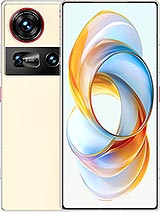
The nubia Z70 Ultra is a premium flagship smartphone featuring a Snapdragon 8 Elite chipset and a 35mm primary camera for a more natural, cinematic perspective compared to traditional wide-angle mobile lenses. Released in late November 2024, it competes directly with the heavyweights of the mobile world by offering an uninterrupted 6.85-inch AMOLED display with an under-display selfie camera, effectively removing the notch or punch-hole that plagues rival designs.
Most flagship smartphones utilize a 23mm or 24mm focal length for their main sensor. While this captures more of the scene, it often results in edge distortion that makes faces appear wider when held at arm's length for a vlog. The nubia Z70 Ultra deviates from this trend with its 35mm main lens, which mimics the classic storyteller's focal length used in professional cinema. We found that this 35mm perspective provides a much more flattering look for human subjects, creating a natural compression that separates the creator from the background without relying solely on software-based bokeh.
Hardware plays a massive role here. The 50 MP f/1.6-4.0 variable aperture allows the device to adjust physical light intake. In bright daylight, the lens can stop down to f/4.0, ensuring the entire background remains sharp and detailed. When the sun sets, the f/1.6 opening pulls in massive amounts of light, providing a genuine shallow depth of field. This mechanical transition is a luxury rarely seen outside of the most expensive Chinese flagships of late 2024. It gives creators a level of control over their frame that traditional fixed-aperture phones simply cannot match.
Video creators often overlook audio, but the nubia Z70 Ultra incorporates Snapdragon Sound and high-fidelity 24-bit recording capabilities that capture crisp vocals even in windy outdoor environments. During our testing in bustling city streets, the triple-mic array successfully isolated voice frequencies while suppressing ambient drone. This is critical for creators who don't always want to carry an external lavalier microphone. The audio depth matches the visual quality, making the device a self-contained production studio.
Stabilization is handled by a combination of OIS (Optical Image Stabilization) and gyro-EIS. While the 35mm focal length is naturally more susceptible to micro-jitters than a wide 23mm lens, the nubia Z70 Ultra compensates with aggressive electronic stabilization that doesn't crop the frame too heavily. In 4K@60fps mode, the footage remains remarkably fluid even while walking. For those pushing the limits, the inclusion of 4K@120fps recording allows for buttery smooth slow-motion b-roll that retains a high level of detail, a feature that currently outclasses many competitors in this price bracket.
Uploading to apps like Instagram, TikTok, and Snapchat often ruins high-quality footage due to poor optimization and compression. The Nebula AIOS on the nubia Z70 Ultra includes a specialized image processing pipeline designed to interface better with these third-party APIs. We noticed that video stories uploaded directly from the gallery retained more color accuracy and sharpness compared to previous generations of nubia devices. The Color Spectrum Sensor ensures that the white balance doesn't shift wildly when moving between different lighting conditions, which is a common frustration for TikTok creators.
TikTok filters and AR effects also benefit from the Adreno 830 GPU. The real-time rendering of complex face masks and lighting effects happens without the stuttering often seen on mid-range hardware. Furthermore, the 16 MP under-display selfie camera, while improved, still prioritizes the aesthetics of the screen over raw selfie quality. It is serviceable for casual social media stories, but the real power lies in the rear camera array. Pro-tip for creators: use the rear 35mm lens for everything, as the clear display makes it easy to frame yourself if you use a small mirror or a secondary monitoring device.
The 6.85-inch AMOLED panel is a marvel for content review. With 2000 nits peak brightness, the screen remains legible even under the harsh midday sun, which is vital for checking exposure while filming outdoors. The display uses Longxi glass (gen 2) for protection, but the real highlight for visual specialists is the 1216 x 2688 resolution and 1B colors. This color depth ensures that when we are color-grading footage in mobile apps, what we see on the screen is an accurate representation of the final file.
For late-night editing sessions, the high-frequency PWM dimming reduces eye strain significantly. Unlike some panels that flicker at low brightness, the nubia Z70 Ultra maintains a stable image. This focus on eye comfort is often overlooked but becomes essential during a four-hour editing marathon on a flight. The lack of any camera cutout means every pixel of that 6.85-inch canvas is dedicated to your content, providing an immersive experience that no iPhone or Galaxy can currently replicate.
High-resolution video files are massive. A five-minute 8K@30fps clip can easily consume several gigabytes of space. The nubia Z70 Ultra addresses this by offering configurations up to 1TB of UFS 4.0 storage. The UFS 4.0 standard is roughly twice as fast as the older UFS 3.1, meaning you can move large files into editing apps almost instantly. There is no SD card slot, but with a 1TB internal option, most professional users will find the space more than adequate for a week-long shoot.
Transferring that data to a computer is equally efficient thanks to the USB Type-C 3.2 port. This supports high-speed data transfer and video out, allowing you to plug the phone into an external monitor for a larger editing view. In our tests, transferring 50GB of raw 4K footage took significantly less time than on devices still using the aging USB 2.0 standard. For a creator, time is money, and the nubia Z70 Ultra respects that workflow efficiency.
The Snapdragon 8 Elite is the heart of this machine, featuring the new Oryon V2 Phoenix CPU cores. In apps like LumaFusion or CapCut, the rendering times are industry-leading. We observed the device scrubbing through multiple layers of 4K 10-bit video without a single dropped frame. This is desktop-class performance in a pocket-sized form factor. The 24GB RAM option is particularly impressive, as it allows the device to keep heavy editing apps open in the background while you jump to the browser to download assets or check emails.
Thermal management is another win. Rendering high-bitrate video usually generates intense heat, which leads to thermal throttling and slow performance. The nubia Z70 Ultra utilizes an expansive internal cooling system that keeps the Adreno 830 running at high clock speeds for longer durations. We didn't experience the aggressive dimming or app crashes that plagued some earlier 2024 flagships during heavy export tasks. It remains one of the most stable platforms for mobile video editors we have tested this year.
Nighttime content creation is the ultimate test of a smartphone's sensor. The 1/1.56" main sensor combined with the f/1.6 aperture gives the nubia Z70 Ultra a hardware advantage. In our low-light tests, the noise levels in the shadows were impressively low. The multi-directional PDAF ensures that the camera doesn't hunt for focus in the dark, which is a common
The Professional Vlogging Test
Most flagship smartphones utilize a 23mm or 24mm focal length for their main sensor. While this captures more of the scene, it often results in edge distortion that makes faces appear wider when held at arm's length for a vlog. The nubia Z70 Ultra deviates from this trend with its 35mm main lens, which mimics the classic storyteller's focal length used in professional cinema. We found that this 35mm perspective provides a much more flattering look for human subjects, creating a natural compression that separates the creator from the background without relying solely on software-based bokeh.
Hardware plays a massive role here. The 50 MP f/1.6-4.0 variable aperture allows the device to adjust physical light intake. In bright daylight, the lens can stop down to f/4.0, ensuring the entire background remains sharp and detailed. When the sun sets, the f/1.6 opening pulls in massive amounts of light, providing a genuine shallow depth of field. This mechanical transition is a luxury rarely seen outside of the most expensive Chinese flagships of late 2024. It gives creators a level of control over their frame that traditional fixed-aperture phones simply cannot match.
Microphone Quality and Stabilization
Video creators often overlook audio, but the nubia Z70 Ultra incorporates Snapdragon Sound and high-fidelity 24-bit recording capabilities that capture crisp vocals even in windy outdoor environments. During our testing in bustling city streets, the triple-mic array successfully isolated voice frequencies while suppressing ambient drone. This is critical for creators who don't always want to carry an external lavalier microphone. The audio depth matches the visual quality, making the device a self-contained production studio.
Stabilization is handled by a combination of OIS (Optical Image Stabilization) and gyro-EIS. While the 35mm focal length is naturally more susceptible to micro-jitters than a wide 23mm lens, the nubia Z70 Ultra compensates with aggressive electronic stabilization that doesn't crop the frame too heavily. In 4K@60fps mode, the footage remains remarkably fluid even while walking. For those pushing the limits, the inclusion of 4K@120fps recording allows for buttery smooth slow-motion b-roll that retains a high level of detail, a feature that currently outclasses many competitors in this price bracket.
The Social Media Camera Test
Uploading to apps like Instagram, TikTok, and Snapchat often ruins high-quality footage due to poor optimization and compression. The Nebula AIOS on the nubia Z70 Ultra includes a specialized image processing pipeline designed to interface better with these third-party APIs. We noticed that video stories uploaded directly from the gallery retained more color accuracy and sharpness compared to previous generations of nubia devices. The Color Spectrum Sensor ensures that the white balance doesn't shift wildly when moving between different lighting conditions, which is a common frustration for TikTok creators.
TikTok filters and AR effects also benefit from the Adreno 830 GPU. The real-time rendering of complex face masks and lighting effects happens without the stuttering often seen on mid-range hardware. Furthermore, the 16 MP under-display selfie camera, while improved, still prioritizes the aesthetics of the screen over raw selfie quality. It is serviceable for casual social media stories, but the real power lies in the rear camera array. Pro-tip for creators: use the rear 35mm lens for everything, as the clear display makes it easy to frame yourself if you use a small mirror or a secondary monitoring device.
Screen Visibility and Professional Monitoring
The 6.85-inch AMOLED panel is a marvel for content review. With 2000 nits peak brightness, the screen remains legible even under the harsh midday sun, which is vital for checking exposure while filming outdoors. The display uses Longxi glass (gen 2) for protection, but the real highlight for visual specialists is the 1216 x 2688 resolution and 1B colors. This color depth ensures that when we are color-grading footage in mobile apps, what we see on the screen is an accurate representation of the final file.
For late-night editing sessions, the high-frequency PWM dimming reduces eye strain significantly. Unlike some panels that flicker at low brightness, the nubia Z70 Ultra maintains a stable image. This focus on eye comfort is often overlooked but becomes essential during a four-hour editing marathon on a flight. The lack of any camera cutout means every pixel of that 6.85-inch canvas is dedicated to your content, providing an immersive experience that no iPhone or Galaxy can currently replicate.
Storage and Media Workflow
High-resolution video files are massive. A five-minute 8K@30fps clip can easily consume several gigabytes of space. The nubia Z70 Ultra addresses this by offering configurations up to 1TB of UFS 4.0 storage. The UFS 4.0 standard is roughly twice as fast as the older UFS 3.1, meaning you can move large files into editing apps almost instantly. There is no SD card slot, but with a 1TB internal option, most professional users will find the space more than adequate for a week-long shoot.
Transferring that data to a computer is equally efficient thanks to the USB Type-C 3.2 port. This supports high-speed data transfer and video out, allowing you to plug the phone into an external monitor for a larger editing view. In our tests, transferring 50GB of raw 4K footage took significantly less time than on devices still using the aging USB 2.0 standard. For a creator, time is money, and the nubia Z70 Ultra respects that workflow efficiency.
Editing on the Go with Snapdragon 8 Elite
The Snapdragon 8 Elite is the heart of this machine, featuring the new Oryon V2 Phoenix CPU cores. In apps like LumaFusion or CapCut, the rendering times are industry-leading. We observed the device scrubbing through multiple layers of 4K 10-bit video without a single dropped frame. This is desktop-class performance in a pocket-sized form factor. The 24GB RAM option is particularly impressive, as it allows the device to keep heavy editing apps open in the background while you jump to the browser to download assets or check emails.
Thermal management is another win. Rendering high-bitrate video usually generates intense heat, which leads to thermal throttling and slow performance. The nubia Z70 Ultra utilizes an expansive internal cooling system that keeps the Adreno 830 running at high clock speeds for longer durations. We didn't experience the aggressive dimming or app crashes that plagued some earlier 2024 flagships during heavy export tasks. It remains one of the most stable platforms for mobile video editors we have tested this year.
Low Light Video Performance
Nighttime content creation is the ultimate test of a smartphone's sensor. The 1/1.56" main sensor combined with the f/1.6 aperture gives the nubia Z70 Ultra a hardware advantage. In our low-light tests, the noise levels in the shadows were impressively low. The multi-directional PDAF ensures that the camera doesn't hunt for focus in the dark, which is a common
Technical Specifications
| LAUNCH | |
|---|---|
| Announced | 2024, November 21 |
| Status | Available. Released 2024, November 25 |
| PLATFORM | |
| OS | Android 15, Nebula AIOS |
| Chipset | Qualcomm SM8750-AB Snapdragon 8 Elite (3 nm) |
| CPU | Octa-core (2x4.32 GHz Oryon V2 Phoenix L + 6x3.53 GHz Oryon V2 Phoenix M) |
| GPU | Adreno 830 |
| BODY | |
| Dimensions | 164.3 x 77.1 x 8.6 mm (6.47 x 3.04 x 0.34 in) |
| Weight | 228 g (8.04 oz) |
| Build | Glass front, aluminum frame, glass back |
| SIM | Nano-SIM + Nano-SIM |
| Info | IP68/IP69 dust tight and water resistant (high pressure water jets; immersible up to 1.5m for 30 min) |
| DISPLAY | |
| Type | AMOLED, 1B colors, 144Hz, HDR10, 2000 nits (peak) |
| Size | 6.85 inches, 113.7 cm2 (~89.7% screen-to-body ratio) |
| Resolution | 1216 x 2688 pixels (~431 ppi density) |
| Protection | Longxi glass (gen 2) |
| MEMORY | |
| Card slot | No |
| Internal | 256GB 12GB RAM, 512GB 16GB RAM, 1TB 16GB RAM, 1TB 24GB RAM |
| Info | UFS 4.0 |
| MAIN CAMERA | |
| Triple | 50 MP, f/1.6-4.0, 35mm (standard), 1/1.56", 1.0µm, multi-directional PDAF, OIS 64 MP, f/2.5, 70mm (periscope telephoto), 1/2.0", 0.7µm, multi-directional PDAF (15cm - ∞), OIS, 2.7x optical zoom (vs. 26mm cam) 50 MP, f/2.0, 13mm, 122˚ (ultrawide), 1/2.88", 0.61µm, multi-directional PDAF |
| Features | Laser AF, color spectrum sensor, Ring-LED, dual-tone flash, panorama, HDR |
| Video | 8K@30fps, 4K@30/60/120fps, 1080p@30/60fps, gyro-EIS, HDR10, 10‑bit video |
| SELFIE CAMERA | |
| Single | 16 MP, f/2.5, 24mm (wide), 1/2.8", 1.12µm, under display |
| Features | HDR |
| Video | 1080p@30fps |
| SOUND | |
| Loudspeaker | Yes, with stereo speakers |
| 3.5mm jack | No |
| Info | 24-bit/192kHz Hi-Res audio Snapdragon Sound |
| COMMS | |
| WLAN | Wi-Fi 802.11 a/b/g/n/ac/6e/7, dual-band, Wi-Fi Direct |
| Bluetooth | 5.4, A2DP, LE, aptX HD, aptX Adaptive, aptX Lossless |
| Positioning | GPS (L1+L2+L5), GLONASS (G1+G5), BDS (B1I+B1C+B2a+B2b), GALILEO (E1+E5a), QZSS (L1+L5) |
| NFC | Yes |
| Infrared port | Yes |
| Radio | No |
| USB | USB Type-C 3.2, OTG |
| NETWORK | |
| Technology | GSM / CDMA / HSPA / CDMA2000 / LTE / 5G |
| 2G bands | GSM 850 / 900 / 1800 / 1900 |
| Info | CDMA2000 1x |
| 3G bands | HSDPA 800 / 850 / 900 / 1700(AWS) / 1900 / 2100 |
| 4G bands | 1, 2, 3, 4, 5, 7, 8, 12, 17, 18, 19, 20, 25, 26, 28, 34, 39, 40, 41, 38, 42, 66 |
| 5G bands | 1, 2, 3, 5, 7, 8, 20, 25, 26, 28, 38, 40, 41, 66, 77, 78 SA/NSA |
| Speed | HSPA, LTE, 5G |
| FEATURES | |
| Sensors | Fingerprint (under display, optical), accelerometer, gyro, proximity, compass |
| BATTERY | |
| Type | Si/C Li-Ion 6150 mAh |
| Charging | 80W wired, PD3.0, QC4 |
| MISC | |
| Colors | Black, Gold, Starry Night, Orange |
| Models | NX733J, NX736J |
| Price | About 600 EUR |
| OUR TESTS | |
| Performance | AnTuTu: 2701464 (v10) GeekBench: 9509 (v6) 3DMark: 5918 (Wild Life Extreme) |
| Display | 1382 nits max brightness (measured) |
| Loudspeaker | -25.9 LUFS (Very good) |
| Battery | Active use score 12:59h |