Beauty Meets Budget Reality - Why the Huawei nova 11 Redefines the Midrange Value Prop
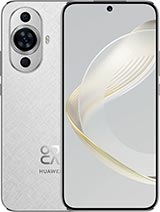
Overview
The Huawei nova 11 is a mid-range smartphone featuring a 6.7-inch 120Hz OLED for vibrant visuals and 66W SuperCharge for rapid refueling, aimed at fashion-conscious users seeking premium aesthetics without the flagship tax. Released in April 2023, it competes with rivals like the [Samsung Galaxy A54](/why-the-efficiency-of-samsung-galaxy-a54-makes-it-the-ultimate-secondary-device/) and [Xiaomi 13 Lite](/the-high-value-gamble-why-the-xiaomi-13-lite-is-a-calculated-risk-worth-taking/).
When we look at the pricing for this handset, it sits at roughly 310 EUR, which is a strategic sweet spot in the current economic climate. For this amount, we are seeing a chassis that is remarkably thin at just 6.9 mm. This isn't just a design flex; it represents a significant engineering feat in a market dominated by bulky, heavy devices. Weighing only 168 g, this model is one of the lightest phones we have analyzed lately. It makes a compelling case for those who value ergonomics and pocketability.
One of the standout features included in this price bracket is the Kunlun Glass protection. For the uninitiated, this is a proprietary drop-resistant glass technology that utilizes high-density nanocrystals. In real-world terms, this means users are less likely to face a costly screen replacement after a minor drop, which is a massive long-term saving. Most competitors in this tier still rely on older Gorilla Glass versions, giving this device a durability edge that is hard to ignore from a value perspective.
To hit this price point, several decisions were made. The most obvious is the Snapdragon 778G 4G chipset. While the 778G is a legendary performer in terms of efficiency and thermal management, the lack of 5G is a glaring omission for a device launched in 2023. We must view this through the lens of necessity. For many users in regions where 5G infrastructure is still sparse, paying a premium for a 5G modem is a waste of capital. However, for those in dense urban areas, the 4G cap is a definite bottleneck.
We also see the use of Virtual Proximity Sensing. Instead of a dedicated physical infrared sensor to turn off the screen during calls, the phone uses software and the accelerometer to guess when it's against your ear. This is a common cost-cutting measure, but it can occasionally lead to accidental screen touches during long conversations. It's a small trade-off for the ultra-thin bezels, but one that power users should be aware of before committing funds.
Running on HarmonyOS 3.0, this device offers a distinct user experience compared to the standard Android skins seen on most competitors. The interface is fluid, and the integration with the broader ecosystem is impressive. But we have to talk about software longevity. Huawei has been consistent with security patches, but major OS updates can be less predictable than what you'd get from Samsung's A-series commitment.
Hardware-wise, the 8GB RAM is the standard for 2023, ensuring that multitasking remains snappy for the next couple of years. The HarmonyOS memory management is particularly aggressive, which keeps the system feeling fresh even when multiple background apps are active. We expect this handset to maintain a high level of responsiveness for at least 24 to 36 months, which is the typical upgrade cycle for this price tier.
Apps and Ads Opening the phone for the first time reveals a significant amount of pre-installed software. This bloatware is a revenue stream that helps keep the hardware price low. While most of these apps can be uninstalled or disabled, the initial setup process requires a bit of housecleaning. The AppGallery has grown significantly, but the absence of native Google Mobile Services (GMS) remains the elephant in the room.
For a budget-conscious buyer, this means looking for workarounds or using web versions of popular apps. If your workflow is heavily dependent on the Google ecosystem, the time cost of finding alternatives might outweigh the initial hardware savings. However, for those already comfortable in a GMS-free environment or using third-party app stores, the software experience is polished and visually appealing.
This phone comes in variants ranging from 128GB to 512GB of internal storage. Since there is no card slot for expansion, choosing the right capacity at the time of purchase is critical. We recommend the 256GB model as the best value-to-utility ratio. The storage speed is sufficient for quick app launches and handling 4K video exports without significant lag.
In our assessment, the read/write speeds provided by this internal storage allow for a seamless experience when switching between heavy social media apps and the camera. It’s not flagship-grade UFS 4.0, but it certainly doesn't feel like the sluggish eMMC storage found in cheaper entry-level devices. It’s a balanced choice that fits the mid-range narrative perfectly.
The Snapdragon 778G 4G is an octa-core processor that handles daily tasks with ease. With four cores clocked at 2.4 GHz, it has enough muscle for gaming titles like PUBG Mobile or Genshin Impact on medium-to-high settings. The Adreno 642L GPU is specifically tuned for high-refresh-rate displays, ensuring that the 120Hz OLED screen is fully utilized during UI navigation and compatible games.
Thermally, this chipset is a dream. It doesn't throttle nearly as aggressively as some of the newer 8-series chips, meaning performance stays consistent even during extended use. In an era where some phones become uncomfortably hot under load, this device stays remarkably cool. This thermal stability contributes to a better long-term health for the 4500 mAh battery, as heat is the primary enemy of lithium-ion cells.
The camera system is headlined by a 50 MP f/1.9 wide sensor. What makes it interesting is the inclusion of a Color Spectrum Sensor. This hardware piece helps the ISP (Image Signal Processor) determine accurate white balance and natural colors, especially in tricky indoor lighting. It's a feature usually reserved for higher-end models, and seeing it here adds real value for amateur photographers who don't want to spend hours editing their shots.
On the front, we find a massive 60 MP ultrawide selfie camera with a 100-degree field of view. This is clearly targeted at the social media generation. It allows for high-resolution group selfies and vlogging, supporting 4K@30fps video with gyro-EIS (Electronic Image Stabilization). For content creators on a budget, this front-facing setup offers more utility than many flagship phones that often neglect the selfie camera's video capabilities.
Battery life is handled by a 4500 mAh cell. While some competitors are pushing 5000 mAh, the thinner design necessitated a slightly smaller capacity. However, the efficiency of the 6nm processor ensures that a full day of use is easily achievable. When it's time to charge, the 66W SuperCharge technology is a game-changer. It can hit a 100% charge in just 31 minutes.
This rapid charging changes how you interact with the device. You no longer need to charge it overnight; a quick 15-minute top-up while getting ready in the morning is enough to get you through the bulk of the day. Furthermore, it supports reverse wired charging, allowing you to use the phone as a power bank for your earbuds or a secondary device in an emergency. It's these small functional additions that bolster the overall value proposition.
The Huawei nova 11 is a calculated purchase. It offers an elite-tier display, incredibly fast charging, and a build quality that feels much more expensive than its 310 EUR price tag. The trade-offs are clear: no 5G and a lack of native Google services. If you can navigate those hurdles, you are getting a device that punches well above its weight in terms of aesthetics and daily usability. It’s a prime example of putting the money where it matters most for the average user.
The Anatomy of a High-Yield Investment
When we look at the pricing for this handset, it sits at roughly 310 EUR, which is a strategic sweet spot in the current economic climate. For this amount, we are seeing a chassis that is remarkably thin at just 6.9 mm. This isn't just a design flex; it represents a significant engineering feat in a market dominated by bulky, heavy devices. Weighing only 168 g, this model is one of the lightest phones we have analyzed lately. It makes a compelling case for those who value ergonomics and pocketability.
One of the standout features included in this price bracket is the Kunlun Glass protection. For the uninitiated, this is a proprietary drop-resistant glass technology that utilizes high-density nanocrystals. In real-world terms, this means users are less likely to face a costly screen replacement after a minor drop, which is a massive long-term saving. Most competitors in this tier still rely on older Gorilla Glass versions, giving this device a durability edge that is hard to ignore from a value perspective.
Strategic Omissions and Budget Compromises
To hit this price point, several decisions were made. The most obvious is the Snapdragon 778G 4G chipset. While the 778G is a legendary performer in terms of efficiency and thermal management, the lack of 5G is a glaring omission for a device launched in 2023. We must view this through the lens of necessity. For many users in regions where 5G infrastructure is still sparse, paying a premium for a 5G modem is a waste of capital. However, for those in dense urban areas, the 4G cap is a definite bottleneck.
We also see the use of Virtual Proximity Sensing. Instead of a dedicated physical infrared sensor to turn off the screen during calls, the phone uses software and the accelerometer to guess when it's against your ear. This is a common cost-cutting measure, but it can occasionally lead to accidental screen touches during long conversations. It's a small trade-off for the ultra-thin bezels, but one that power users should be aware of before committing funds.
The HarmonyOS Longevity Gamble
Running on HarmonyOS 3.0, this device offers a distinct user experience compared to the standard Android skins seen on most competitors. The interface is fluid, and the integration with the broader ecosystem is impressive. But we have to talk about software longevity. Huawei has been consistent with security patches, but major OS updates can be less predictable than what you'd get from Samsung's A-series commitment.
Hardware-wise, the 8GB RAM is the standard for 2023, ensuring that multitasking remains snappy for the next couple of years. The HarmonyOS memory management is particularly aggressive, which keeps the system feeling fresh even when multiple background apps are active. We expect this handset to maintain a high level of responsiveness for at least 24 to 36 months, which is the typical upgrade cycle for this price tier.
Navigating the Ecosystem
For a budget-conscious buyer, this means looking for workarounds or using web versions of popular apps. If your workflow is heavily dependent on the Google ecosystem, the time cost of finding alternatives might outweigh the initial hardware savings. However, for those already comfortable in a GMS-free environment or using third-party app stores, the software experience is polished and visually appealing.
Data Liquidity and App Handling
This phone comes in variants ranging from 128GB to 512GB of internal storage. Since there is no card slot for expansion, choosing the right capacity at the time of purchase is critical. We recommend the 256GB model as the best value-to-utility ratio. The storage speed is sufficient for quick app launches and handling 4K video exports without significant lag.
In our assessment, the read/write speeds provided by this internal storage allow for a seamless experience when switching between heavy social media apps and the camera. It’s not flagship-grade UFS 4.0, but it certainly doesn't feel like the sluggish eMMC storage found in cheaper entry-level devices. It’s a balanced choice that fits the mid-range narrative perfectly.
ROI on the Snapdragon 778G
The Snapdragon 778G 4G is an octa-core processor that handles daily tasks with ease. With four cores clocked at 2.4 GHz, it has enough muscle for gaming titles like PUBG Mobile or Genshin Impact on medium-to-high settings. The Adreno 642L GPU is specifically tuned for high-refresh-rate displays, ensuring that the 120Hz OLED screen is fully utilized during UI navigation and compatible games.
Thermally, this chipset is a dream. It doesn't throttle nearly as aggressively as some of the newer 8-series chips, meaning performance stays consistent even during extended use. In an era where some phones become uncomfortably hot under load, this device stays remarkably cool. This thermal stability contributes to a better long-term health for the 4500 mAh battery, as heat is the primary enemy of lithium-ion cells.
Capturing Visual Assets
The camera system is headlined by a 50 MP f/1.9 wide sensor. What makes it interesting is the inclusion of a Color Spectrum Sensor. This hardware piece helps the ISP (Image Signal Processor) determine accurate white balance and natural colors, especially in tricky indoor lighting. It's a feature usually reserved for higher-end models, and seeing it here adds real value for amateur photographers who don't want to spend hours editing their shots.
On the front, we find a massive 60 MP ultrawide selfie camera with a 100-degree field of view. This is clearly targeted at the social media generation. It allows for high-resolution group selfies and vlogging, supporting 4K@30fps video with gyro-EIS (Electronic Image Stabilization). For content creators on a budget, this front-facing setup offers more utility than many flagship phones that often neglect the selfie camera's video capabilities.
Power Reserves and Recovery Times
Battery life is handled by a 4500 mAh cell. While some competitors are pushing 5000 mAh, the thinner design necessitated a slightly smaller capacity. However, the efficiency of the 6nm processor ensures that a full day of use is easily achievable. When it's time to charge, the 66W SuperCharge technology is a game-changer. It can hit a 100% charge in just 31 minutes.
This rapid charging changes how you interact with the device. You no longer need to charge it overnight; a quick 15-minute top-up while getting ready in the morning is enough to get you through the bulk of the day. Furthermore, it supports reverse wired charging, allowing you to use the phone as a power bank for your earbuds or a secondary device in an emergency. It's these small functional additions that bolster the overall value proposition.
Is It Worth It?
The Huawei nova 11 is a calculated purchase. It offers an elite-tier display, incredibly fast charging, and a build quality that feels much more expensive than its 310 EUR price tag. The trade-offs are clear: no 5G and a lack of native Google services. If you can navigate those hurdles, you are getting a device that punches well above its weight in terms of aesthetics and daily usability. It’s a prime example of putting the money where it matters most for the average user.
Technical Specifications
| LAUNCH | |
|---|---|
| Announced | 2023, April 17 |
| Status | Available. Released 2023, April 27 |
| PLATFORM | |
| OS | HarmonyOS 3.0 |
| Chipset | Qualcomm SM7325 Snapdragon 778G 4G (6 nm) |
| CPU | Octa-core (4x2.4 GHz Kryo 670 & 4x1.8 GHz Kryo 670) |
| GPU | Adreno 642L |
| BODY | |
| Dimensions | 161.3 x 75 x 6.9 mm (6.35 x 2.95 x 0.27 in) |
| Weight | 168 g (5.93 oz) |
| SIM | · Nano-SIM· Nano-SIM + Nano-SIM |
| DISPLAY | |
| Type | OLED, 1B colors, HDR10, 120Hz |
| Size | 6.7 inches, 110.5 cm2 (~91.4% screen-to-body ratio) |
| Resolution | 1084 x 2412 pixels, 20:9 ratio (~391 ppi density) |
| Protection | Kunlun Glass |
| MEMORY | |
| Card slot | No |
| Internal | 128GB 8GB RAM, 256GB 8GB RAM, 512GB 8GB RAM |
| MAIN CAMERA | |
| Dual | 50 MP, f/1.9, (wide), PDAF 8 MP, f/2.2, 112˚ (ultrawide) |
| Features | Color spectrum sensor, LED flash, panorama, HDR |
| Video | 4K, 1080p, 720p@960fps, gyro-EIS |
| SELFIE CAMERA | |
| Dual | 60 MP, f/2.4, 100˚ (ultrawide) |
| Features | HDR |
| Video | 4K@30fps, 1080p@30fps, gyro-EIS |
| SOUND | |
| Loudspeaker | Yes, with stereo speakers |
| 3.5mm jack | No |
| COMMS | |
| WLAN | Wi-Fi 802.11 a/b/g/n/a/6, dual-band, Wi-Fi Direct |
| Bluetooth | 5.2, A2DP, LE |
| Positioning | GPS (L1+L5), GLONASS (L1), BDS (B1I+B1c+B2a), GALILEO (E1+E5a), QZSS (L1+L5), NavIC |
| NFC | Yes |
| Radio | No |
| USB | USB Type-C 2.0, OTG |
| NETWORK | |
| Technology | GSM / CDMA / HSPA / CDMA2000 / LTE |
| 2G bands | GSM 850 / 900 / 1800 / 1900 |
| Info | 1, 3, 4, 5, 8, 18, 19, 26, 34, 38, 39, 40, 41 - China |
| 3G bands | HSDPA 800 / 850 / 900 / 1700(AWS) / 1900 / 2100 |
| 4G bands | 1, 2, 3, 4, 5, 7, 8, 12, 13, 17, 18, 19, 20, 26, 28, 38, 40, 41, 66 - International |
| Speed | HSPA, LTE |
| FEATURES | |
| Sensors | Fingerprint (under display, optical), accelerometer, gyro, compass |
| Info | Virtual proximity sensing |
| BATTERY | |
| Type | Li-Po 4500 mAh |
| Charging | 66W wired, 100% in 31 min Reverse wired |
| MISC | |
| Colors | Black, Green, White, Gold |
| Models | FOA-AL00, FOA-LX9 |
| Price | About 310 EUR |