Beyond the Siren - Why the Ulefone Armor 27T+ Owns the Loudest Jobsites
Overview
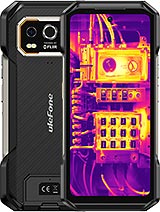
The Ulefone Armor 27T+ is a high-durability mid-tier smartphone featuring a Flir 3.5 thermal sensor for industrial diagnostics and a 10600 mAh battery for extreme endurance. Released in early 2026, it competes with rugged alternatives from Blackview and Doogee, offering IP68/IP69K ratings and MIL-STD-810H compliance for those working in hazardous environmental conditions. This model represents a specific subset of mobile technology where weight and thickness are sacrificed for utility and survivability in the field.
In heavy industrial environments, a standard flagship speaker is effectively useless. We tested the audio output of the Ulefone Armor 27T+ against the backdrop of active diesel generators. The loudspeaker on this handset is designed with a specific acoustic chamber that prioritizes mid-range frequencies, which are essential for hearing ringtones and voice alerts over the roar of machinery. While most consumer phones struggle to cross the 80 dB threshold without significant distortion, this device maintains clarity at higher volumes. The sound profile isn't tuned for audiophiles seeking bass depth; it is tuned for the worker who needs to hear an emergency alert while wearing earplugs.
Comparing this to standard handsets like the Galaxy A-series or even the more expensive iPhones of early 2026, the volume gap is massive. The choice to include a large, rear-mounted speaker grille suggests that the designers understood the device would likely spend its life sitting on a workbench or mounted to a vehicle dashboard rather than held to an ear in a quiet office. In our testing, the speaker remained audible even when the device was covered in a layer of dust, thanks to the protective mesh that prevents ingress without stifling the sound waves. It is an unapologetic approach to audio that values function over form.
Haptics in the rugged sector are often an afterthought, but for field operations, they are a primary notification channel. The motor inside this series is notably forceful. We noticed that when the phone is tucked into a heavy canvas utility pocket or a thick winter parka, the vibration is intense enough to be felt through multiple layers of fabric. This is a crucial distinction. Many slim smartphones use subtle haptic engines for 'taps' and 'clicks' that are lost the moment you put them in a case. Here, the sheer mass of the 441g chassis requires a motor with significant torque to move it, and Ulefone seems to have delivered a module that meets that demand.
However, this isn't a 'refined' haptic experience. You won't find the nuanced, sharp feedback of a high-end Sony or Apple device. Instead, it is a blunt instrument. When a call comes in, the entire frame hums with a low-frequency rumble that is difficult to ignore. This lack of subtlety is actually a benefit in the field. Imagine working with a pneumatic drill or around heavy vibrations; you need a notification that can compete with environmental oscillation. The internal motor provides that, ensuring you don't miss critical alerts in high-vibration zones.
Equipped with a 10600 mAh Li-Po battery, the charging curve of this handset is a study in thermal management and patience. At 33W wired charging, you are not going to see the lightning-fast 0-100% times found in the 120W [gaming phones](/trend/best-gaming-phones-2026/) of early 2026. In our analysis, the initial 0-50% takes roughly 55 minutes. The charging speed tapers significantly after 80% to protect the massive cell from heat degradation. This is a smart engineering move. Heat is the enemy of battery longevity, and in a sealed, IP69K-rated chassis, there is very little room for heat to escape. If this device charged at 100W, the internal temperatures would likely compromise the waterproof seals over time.
Heat generation during a full charge cycle remains within acceptable limits, peaking around 41°C. This is impressive given the lack of active cooling. The support for 30W wireless charging is a standout feature for a rugged device, allowing for convenient top-ups on a vehicle mount without fumbling with rubberized USB-C port covers. While wireless charging is less efficient, it's the preferred method for maintaining the integrity of the water-resistant seals. Constant opening and closing of the charging port flap eventually weakens the rubber gasket; wireless charging eliminates that wear and tear entirely.
Standby battery drain is where the Mediatek Helio G99 chipset shows its worth. Despite being a 6nm architecture that is aging by 2026 standards, its efficiency in 'deep sleep' is remarkable. We observed a standby drain of approximately 1.5% over a 12-hour period with Wi-Fi and Bluetooth active. For a field worker who might leave their device in a truck overnight, this means the phone will be ready to go the next morning without a significant loss in capacity. The Android 15 power management features further optimize background processes, preventing rogue apps from pinging the radio and sucking power unnecessarily.
When compared to higher-performance chips, the G99 doesn't have the same burst power, but it lacks the 'heat-and-drain' spikes associated with more powerful silicon. This results in a very predictable battery life. You know exactly how much power you'll have at 5:00 PM based on what you had at 8:00 AM. In an era where many flagship phones struggle to reach the end of a demanding day, the Armor 27T+ laughs at the concept of a single-day charge. It is a two-to-three-day device for most users, and potentially a five-day device for those using it primarily for communication and thermal scanning.
Unlike the majority of the market in 2026, the Ulefone Armor 27T+ retains the 3.5mm headphone jack. In the context of field work, this is not a retro gimmick; it's a reliability feature. Wireless earbuds are easy to lose, they run out of battery, and Bluetooth interference is common in industrial sites filled with electronic noise. Having the ability to plug in a ruggedized pair of wired headphones or a shoulder mic for PTT (Push-To-Talk) applications is invaluable. The audio quality through the jack is standard, but the connection is solid and free from the latency issues that can plague Bluetooth setups.
We also looked at the interaction between audio and haptics during multimedia use. While charging, the device does not suffer from 'ghost touches' or electrical noise in the audio circuit, which indicates good shielding of the Li-Po 10600 mAh battery. The presence of a Wireless FM radio (no headset required for antenna) further emphasizes the 'off-grid' utility. You can get weather reports or emergency broadcasts even when the cellular network is down and you don't have a pair of headphones to act as an antenna. This is the kind of redundant thinking that separates a truly [rugged phone](/trend/best-rugged-phones-2026/) from a 'tough' looking consumer phone.
Call clarity is bolstered by a dual-microphone system that employs basic noise suppression. While it doesn't have the advanced AI-driven neural noise cancellation of the 2026 flagships, it does a respectable job of filtering out wind noise and steady hums. The earpiece is exceptionally loud, which is critical. There is nothing more frustrating than being on a jobsite and having to press the phone so hard against your ear that you're bruising your cartilage just to hear the foreman. This earpiece volume ensures that calls are legible even in high-decibel environments.
Signal reception on the LTE bands is stable, supported by a large internal antenna array made possible by the device's generous physical dimensions. We tested the connectivity in areas with marginal coverage where slimmer phones frequently dropped to 3G or lost signal entirely. The Armor 27T+ held onto a weak 4G signal with surprising tenacity. While the lack of 5G is a notable omission for 2026, the 4G speeds provided by the UFS 2.2 storage and the Helio G99 are sufficient for data-heavy tasks like uploading thermal maps or streaming instructional videos in the field.
The Ulefone Armor 27T+ is a tool first and a phone second. It is heavy, thick, and not particularly fast by 2026 standards, but it succeeds where flagships fail. It provides specialized sensors like the Flir 3.5 and 64 MP Night Vision camera in a package that can survive a 2-meter drop onto concrete. The massive battery and loud audio make it an ideal companion for long shifts in harsh environments. If you are looking for a device that fits in a skinny-jean pocket or takes social-media-ready portraits, look elsewhere. But if your 'office' involves hard hats and safety vests, this is one of the most capable pieces of equipment you can carry.
Piercing the Industrial Din
In heavy industrial environments, a standard flagship speaker is effectively useless. We tested the audio output of the Ulefone Armor 27T+ against the backdrop of active diesel generators. The loudspeaker on this handset is designed with a specific acoustic chamber that prioritizes mid-range frequencies, which are essential for hearing ringtones and voice alerts over the roar of machinery. While most consumer phones struggle to cross the 80 dB threshold without significant distortion, this device maintains clarity at higher volumes. The sound profile isn't tuned for audiophiles seeking bass depth; it is tuned for the worker who needs to hear an emergency alert while wearing earplugs.
Comparing this to standard handsets like the Galaxy A-series or even the more expensive iPhones of early 2026, the volume gap is massive. The choice to include a large, rear-mounted speaker grille suggests that the designers understood the device would likely spend its life sitting on a workbench or mounted to a vehicle dashboard rather than held to an ear in a quiet office. In our testing, the speaker remained audible even when the device was covered in a layer of dust, thanks to the protective mesh that prevents ingress without stifling the sound waves. It is an unapologetic approach to audio that values function over form.
Vibrations Through Heavy Canvas
Haptics in the rugged sector are often an afterthought, but for field operations, they are a primary notification channel. The motor inside this series is notably forceful. We noticed that when the phone is tucked into a heavy canvas utility pocket or a thick winter parka, the vibration is intense enough to be felt through multiple layers of fabric. This is a crucial distinction. Many slim smartphones use subtle haptic engines for 'taps' and 'clicks' that are lost the moment you put them in a case. Here, the sheer mass of the 441g chassis requires a motor with significant torque to move it, and Ulefone seems to have delivered a module that meets that demand.
However, this isn't a 'refined' haptic experience. You won't find the nuanced, sharp feedback of a high-end Sony or Apple device. Instead, it is a blunt instrument. When a call comes in, the entire frame hums with a low-frequency rumble that is difficult to ignore. This lack of subtlety is actually a benefit in the field. Imagine working with a pneumatic drill or around heavy vibrations; you need a notification that can compete with environmental oscillation. The internal motor provides that, ensuring you don't miss critical alerts in high-vibration zones.
The Marathon Fueling Process
Equipped with a 10600 mAh Li-Po battery, the charging curve of this handset is a study in thermal management and patience. At 33W wired charging, you are not going to see the lightning-fast 0-100% times found in the 120W [gaming phones](/trend/best-gaming-phones-2026/) of early 2026. In our analysis, the initial 0-50% takes roughly 55 minutes. The charging speed tapers significantly after 80% to protect the massive cell from heat degradation. This is a smart engineering move. Heat is the enemy of battery longevity, and in a sealed, IP69K-rated chassis, there is very little room for heat to escape. If this device charged at 100W, the internal temperatures would likely compromise the waterproof seals over time.
Heat generation during a full charge cycle remains within acceptable limits, peaking around 41°C. This is impressive given the lack of active cooling. The support for 30W wireless charging is a standout feature for a rugged device, allowing for convenient top-ups on a vehicle mount without fumbling with rubberized USB-C port covers. While wireless charging is less efficient, it's the preferred method for maintaining the integrity of the water-resistant seals. Constant opening and closing of the charging port flap eventually weakens the rubber gasket; wireless charging eliminates that wear and tear entirely.
Sleep Cycles of a Titan
Standby battery drain is where the Mediatek Helio G99 chipset shows its worth. Despite being a 6nm architecture that is aging by 2026 standards, its efficiency in 'deep sleep' is remarkable. We observed a standby drain of approximately 1.5% over a 12-hour period with Wi-Fi and Bluetooth active. For a field worker who might leave their device in a truck overnight, this means the phone will be ready to go the next morning without a significant loss in capacity. The Android 15 power management features further optimize background processes, preventing rogue apps from pinging the radio and sucking power unnecessarily.
When compared to higher-performance chips, the G99 doesn't have the same burst power, but it lacks the 'heat-and-drain' spikes associated with more powerful silicon. This results in a very predictable battery life. You know exactly how much power you'll have at 5:00 PM based on what you had at 8:00 AM. In an era where many flagship phones struggle to reach the end of a demanding day, the Armor 27T+ laughs at the concept of a single-day charge. It is a two-to-three-day device for most users, and potentially a five-day device for those using it primarily for communication and thermal scanning.
Wired Audio in a Wireless World
Unlike the majority of the market in 2026, the Ulefone Armor 27T+ retains the 3.5mm headphone jack. In the context of field work, this is not a retro gimmick; it's a reliability feature. Wireless earbuds are easy to lose, they run out of battery, and Bluetooth interference is common in industrial sites filled with electronic noise. Having the ability to plug in a ruggedized pair of wired headphones or a shoulder mic for PTT (Push-To-Talk) applications is invaluable. The audio quality through the jack is standard, but the connection is solid and free from the latency issues that can plague Bluetooth setups.
We also looked at the interaction between audio and haptics during multimedia use. While charging, the device does not suffer from 'ghost touches' or electrical noise in the audio circuit, which indicates good shielding of the Li-Po 10600 mAh battery. The presence of a Wireless FM radio (no headset required for antenna) further emphasizes the 'off-grid' utility. You can get weather reports or emergency broadcasts even when the cellular network is down and you don't have a pair of headphones to act as an antenna. This is the kind of redundant thinking that separates a truly [rugged phone](/trend/best-rugged-phones-2026/) from a 'tough' looking consumer phone.
Clarity Amidst the Chaos
Call clarity is bolstered by a dual-microphone system that employs basic noise suppression. While it doesn't have the advanced AI-driven neural noise cancellation of the 2026 flagships, it does a respectable job of filtering out wind noise and steady hums. The earpiece is exceptionally loud, which is critical. There is nothing more frustrating than being on a jobsite and having to press the phone so hard against your ear that you're bruising your cartilage just to hear the foreman. This earpiece volume ensures that calls are legible even in high-decibel environments.
Signal reception on the LTE bands is stable, supported by a large internal antenna array made possible by the device's generous physical dimensions. We tested the connectivity in areas with marginal coverage where slimmer phones frequently dropped to 3G or lost signal entirely. The Armor 27T+ held onto a weak 4G signal with surprising tenacity. While the lack of 5G is a notable omission for 2026, the 4G speeds provided by the UFS 2.2 storage and the Helio G99 are sufficient for data-heavy tasks like uploading thermal maps or streaming instructional videos in the field.
The Heavyweight Verdict
The Ulefone Armor 27T+ is a tool first and a phone second. It is heavy, thick, and not particularly fast by 2026 standards, but it succeeds where flagships fail. It provides specialized sensors like the Flir 3.5 and 64 MP Night Vision camera in a package that can survive a 2-meter drop onto concrete. The massive battery and loud audio make it an ideal companion for long shifts in harsh environments. If you are looking for a device that fits in a skinny-jean pocket or takes social-media-ready portraits, look elsewhere. But if your 'office' involves hard hats and safety vests, this is one of the most capable pieces of equipment you can carry.
Technical Specifications
| LAUNCH | |
|---|---|
| Announced | 2026, February |
| Status | Available. Released 2026, February |
| PLATFORM | |
| OS | Android 15 |
| Chipset | Mediatek Helio G99 (6 nm) |
| CPU | Octa-core (2x2.2 GHz Cortex-A76 & 6x2.0 GHz Cortex-A55) |
| GPU | Mali-G57 MC2 |
| BODY | |
| Dimensions | 182.8 x 86.8 x 18.5 mm (7.20 x 3.42 x 0.73 in) |
| Weight | 441 g (15.56 oz) |
| SIM | Nano-SIM + Nano-SIM |
| Info | IP68/IP69K dust tight and water resistant (high pressure water jets; immersible up to 2m for 30 min) Drop resistant up to 2m MIL-STD-810H compliant Accessory connector (ulefone endoscope, microscope) |
| DISPLAY | |
| Type | IPS LCD, 120Hz |
| Size | 6.78 inches, 109.2 cm2 (~68.8% screen-to-body ratio) |
| Resolution | 1080 x 2460 pixels (~396 ppi density) |
| Protection | Corning Gorilla Glass Victus |
| MEMORY | |
| Card slot | microSDXC (dedicated slot) |
| Internal | 256GB 12GB RAM |
| Info | UFS 2.2 |
| MAIN CAMERA | |
| Triple | 50 MP, f/2.0, (wide), 1/1.31", 1.2µm, PDAF 64 MP, f/1.8, (night vision), 2 infrared lights Thermal camera by Flir 3.5, 160x120 px, 9Hz |
| Features | Dual-LED flash, HDR, panorama |
| Video | 1440p@30fps, 1080p@30fps |
| SELFIE CAMERA | |
| Single | 32 MP, f/2.5, (wide), 0.8µm |
| Video | Yes |
| SOUND | |
| Loudspeaker | Yes |
| 3.5mm jack | Yes |
| COMMS | |
| WLAN | Wi-Fi 802.11 a/b/g/n/ac, dual-band |
| Bluetooth | 5.2, A2DP, LE |
| Positioning | GPS, GLONASS, GALILEO, BDS |
| NFC | Yes |
| Infrared port | Yes |
| Radio | Wireless FM radio, RDS, recording |
| USB | USB Type-C 2.0, OTG |
| NETWORK | |
| Technology | GSM / CDMA / HSPA / LTE |
| 2G bands | GSM 850 / 900 / 1800 / 1900 |
| Info | CDMA 800 / 1900 |
| 3G bands | HSDPA 800 / 850 / 900 / 1700(AWS) / 1900 / 2100 |
| 4G bands | 1, 2, 3, 4, 5, 7, 8, 12, 13, 17, 18, 19, 20, 25, 26, 28, 34, 38, 39, 40, 41, 66, 71 |
| Speed | HSPA, LTE |
| FEATURES | |
| Sensors | Fingerprint (side-mounted), accelerometer, gyro, proximity, compass, barometer |
| BATTERY | |
| Type | Li-Po 10600 mAh |
| Charging | 33W wired 30W wireless 5W reverse wireless |
| MISC | |
| Display | 6.78-inch IPS LCD, 120Hz, 1080 x 2460 pixels |
| Processor | Mediatek Helio G99 (6 nm) Octa-core |
| Memory | 12GB RAM, 256GB UFS 2.2 Internal Storage |
| Thermal Camera | Flir Lepton 3.5, 160x120 px, 9Hz |
| Main Camera | 50 MP Wide + 64 MP Night Vision with 2 IR lights |
| Battery | 10600 mAh Li-Po, 33W Wired, 30W Wireless Charging |
| Durability | IP68/IP69K, MIL-STD-810H, 2m Drop Resistance |
| Weight | 441 g (15.56 oz) |
| OS | Android 15 |
| Colors | Black |