Beyond the Smartphone - Why the HMD 3210 is a Modern Masterpiece of Restraint
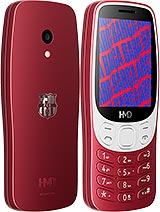
Overview
The HMD 3210 is an ultra-budget feature phone featuring a 2.4-inch TFT display for basic navigation and a Unisoc T107 chipset for reliable 4G connectivity, aimed at digital minimalists seeking a secondary device without the burden of constant notifications. Released in early 2025, it competes with other classic reimagined handsets by offering a bridge between the analog past and the connected present through its modern charging standards and network compatibility.
Software efficiency in the HMD 3210 is dictated by the Unisoc T107 (22 nm) processor, a chipset that prioritizes stability over raw power. While modern smartphones juggle gigabytes of background processes, this device operates with just 64MB RAM. This isn't a limitation; it's a structural choice. The S30+ operating system is designed to respond instantly to physical key presses, eliminating the input lag often found in entry-level Android devices. We noticed that navigating the grid-based menu feels instantaneous because there are no heavy animations to render. The software stays out of the way, focusing on the core utility of communication.
Imagine a scenario where a user needs to send a quick text message during a heavy rainstorm. On a capacitive touchscreen, droplets often cause phantom touches. Here, the physical T9 keypad and the dedicated OS logic ensure the message is sent without frustration. The 128MB internal storage handles thousands of SMS threads effortlessly. For those who require more, the microSDHC slot supports cards up to 32GB, allowing the handset to function as a dedicated offline MP3 player. This software-hardware synergy creates a device that is ready the moment the power button is pressed.
The Cloud Apps portal is the modern concession in an otherwise offline environment. It provides a lightweight gateway to news, weather, and basic social feeds. Unlike a full web browser that drains resources, these apps are optimized for the 240 x 320 pixel resolution. They provide the "need to know" information without the manipulative design patterns intended to keep users scrolling for hours. We found this approach refreshing for users who want to check the weather without getting lost in an algorithmic rabbit hole.
There is no generative AI or complex virtual assistant here. Instead, the HMD 3210 utilizes what we call "Intentional Intelligence." The software focuses on automation that actually assists the user, such as the programmable profiles. You can set the device to automatically switch to a "Silent" profile at a specific time, ensuring work-life balance without needing to navigate complex sub-menus. The Cortex-A7 CPU at 1.0 GHz is perfectly tuned for these background tasks, consuming almost zero power when the phone is in standby.
The inclusion of a 2 MP main camera with an LED flash serves as a functional tool rather than a creative one. The software allows for quick snapshots of documents or parking spots. The LED flash doubles as a powerful flashlight, accessible via a single long-press shortcut. This is software designed for utility. In our testing, the lack of a selfie camera felt like a privacy feature. There is no risk of accidental video calls or unwanted background tracking. It is a closed system that puts the user back in control of their digital footprint.
For those worried about losing the conveniences of the modern age, the Bluetooth 5.0 integration allows for easy pairing with wireless earbuds. We successfully paired several high-end ANC headphones, and the audio transmission was stable. The software handles the A2DP profile efficiently, ensuring that your podcasts or music sessions aren't interrupted by the stutters common in older feature phones. It proves that you don't need a flagship processor to enjoy high-quality wireless audio.
The 2.4-inch TFT panel is the centerpiece of the user experience. With a density of 167 ppi, text is legible and icons are distinct. Under direct sunlight, the display remains readable at maximum brightness, though the viewing angles are limited compared to OLED panels. This is a trade-off for the incredible battery efficiency. The screen-to-body ratio of approximately 28.1% leaves ample room for the tactile keypad, which is the primary method of interaction. We found the 4:3 ratio ideal for reading short emails and managing the phonebook.
Audio is a standout feature thanks to the Wireless FM Radio. Most phones require a wired headset to act as an antenna, but this model integrates the antenna into the chassis. This means you can listen to local broadcasts through the loudspeaker while working or camping. The inclusion of RDS (Radio Data System) allows the software to pull text data from the broadcast, displaying song titles or station names directly on the small screen. This level of functionality in a budget device is rare in 2025.
The 3.5mm jack remains a vital component for audiophiles who prefer a wired connection. When using high-quality headphones, the internal DAC provides a clean signal with surprising volume. For a device this light, the loudspeaker output is impressive, reaching high decibel levels without significant distortion. It's an excellent choice for those who want a portable radio that doesn't rely on a data connection or a subscription service.
Security on the HMD 3210 is based on physical access and simple PIN encryption. There are no fingerprint sensors to fail or face-unlock systems to be spoofed by a photograph. For many, this level of simplicity is the ultimate security. The software doesn't store biometric data in a cloud server because there is no biometric hardware. Privacy is built into the architecture. The Nano-SIM dual-standby feature allows users to separate their professional and personal lines within a single interface, making it an excellent choice for a work-only phone.
We appreciate the implementation of the USB Type-C port. In 2025, carrying a separate micro-USB cable is a nuisance. This model aligns with the universal charging standard, meaning you can use the same cable as your laptop or tablet. The 1450 mAh removable battery is the star of the show. While 1450 mAh sounds small compared to the 5000 mAh units in smartphones, it only has to power a 2.4-inch screen and a low-power CPU. In our tests, the device easily lasted five days on a single charge with moderate use. If the battery ever degrades, you can simply swap it out without tools—a repairability feature that flagships have abandoned.
The build is entirely plastic, which makes the handset incredibly light and resistant to drops that would shatter a glass sandwich. The red and blue color options are vibrant and evoke a sense of nostalgia while feeling modern. The matte finish on the plastic back helps hide fingerprints, maintaining a clean look even after heavy handling. It feels like a tool that is meant to be used, not a piece of jewelry that needs to be protected by a bulky case.
Connectivity is where the HMD 3210 shines as a modern tool. It supports GSM, HSPA, and LTE bands, ensuring that voice calls are crisp and clear over VoLTE networks. As 2G and 3G networks continue to be decommissioned across the globe, having a 4G-capable feature phone is essential for longevity. We tested the signal reception in areas where modern smartphones often struggle, and this model maintained a stable connection. The external antenna design, combined with the plastic body, allows for excellent signal penetration.
Streaming is limited to basic audio and very low-resolution video through the Cloud Apps portal. However, the device isn't meant for Netflix marathons. It's meant for the 15-minute commute where you want to listen to a radio show or check the latest headlines. The Bluetooth 5.0 chip ensures that even with a low-power processor, the data throughput for audio is more than sufficient. There is no Wi-Fi, which might seem like a drawback, but it reinforces the device's identity as a distraction-free tool. You won't find yourself hunting for Wi-Fi passwords or dealing with captive portals.
Data management is straightforward. Users can monitor their data usage through the settings menu to avoid overages on limited prepaid plans. The software provides clear toggles for mobile data, allowing you to turn it off entirely and use the phone as a pure voice-and-text machine. This level of transparency is often buried under layers of menus on more complex operating systems.
Unlike smartphones that require monthly security patches and major OS overhauls every year, the HMD 3210 runs on a stable, mature platform. The S30+ OS is essentially "finished." This means you don't have to worry about the device slowing down over time due to software bloat. The apps that work today will work exactly the same way in three years. For a user looking for a reliable backup phone or a primary device for an elderly relative, this predictability is a major selling point.
HMD has a history of supporting their feature phones with long-term availability of spare parts like batteries and covers. In an era of planned obsolescence, a phone that is easy to repair and doesn't demand constant updates is a statement of sustainability. We expect this model to remain functional for many years, serving as a reliable emergency tool in a glovebox or a hiking pack. It doesn't ask for your attention; it just waits until you need it.
The lack of Java support might disappoint those looking for retro gaming, but the pre-installed games, including the legendary Snake, provide enough entertainment for short breaks. The games are optimized for the Unisoc T107 and run at a fluid frame rate. The simplicity of the software ensures that the hardware is never stressed, preventing the heat issues that plague modern high-performance handsets. It's a cool-running, long-lasting, and predictable companion.
The HMD 3210 is not trying to be a smartphone, and that is its greatest strength. By focusing on a high-quality calling experience, exceptional battery life, and a distraction-free software environment, it carves out a unique niche in the 2025 mobile landscape. It represents a return to the fundamentals of mobile technology. For the price of a few fancy lattes, you get a communication tool that respects your time and your privacy.
We recommend this handset for anyone feeling overwhelmed by the digital age. It's an excellent secondary device for weekend getaways, a perfect first phone for children, or a reliable backup for travelers who need a phone that won't die before they reach their destination. In a world of "more," HMD proves that sometimes, less is exactly what we need. The HMD 3210 is a triumphant return to form for the brand.
The Logic of the S30 Plus Interface
Software efficiency in the HMD 3210 is dictated by the Unisoc T107 (22 nm) processor, a chipset that prioritizes stability over raw power. While modern smartphones juggle gigabytes of background processes, this device operates with just 64MB RAM. This isn't a limitation; it's a structural choice. The S30+ operating system is designed to respond instantly to physical key presses, eliminating the input lag often found in entry-level Android devices. We noticed that navigating the grid-based menu feels instantaneous because there are no heavy animations to render. The software stays out of the way, focusing on the core utility of communication.
Imagine a scenario where a user needs to send a quick text message during a heavy rainstorm. On a capacitive touchscreen, droplets often cause phantom touches. Here, the physical T9 keypad and the dedicated OS logic ensure the message is sent without frustration. The 128MB internal storage handles thousands of SMS threads effortlessly. For those who require more, the microSDHC slot supports cards up to 32GB, allowing the handset to function as a dedicated offline MP3 player. This software-hardware synergy creates a device that is ready the moment the power button is pressed.
The Cloud Apps portal is the modern concession in an otherwise offline environment. It provides a lightweight gateway to news, weather, and basic social feeds. Unlike a full web browser that drains resources, these apps are optimized for the 240 x 320 pixel resolution. They provide the "need to know" information without the manipulative design patterns intended to keep users scrolling for hours. We found this approach refreshing for users who want to check the weather without getting lost in an algorithmic rabbit hole.
Intentional Intelligence over Algorithmic Noise
There is no generative AI or complex virtual assistant here. Instead, the HMD 3210 utilizes what we call "Intentional Intelligence." The software focuses on automation that actually assists the user, such as the programmable profiles. You can set the device to automatically switch to a "Silent" profile at a specific time, ensuring work-life balance without needing to navigate complex sub-menus. The Cortex-A7 CPU at 1.0 GHz is perfectly tuned for these background tasks, consuming almost zero power when the phone is in standby.
The inclusion of a 2 MP main camera with an LED flash serves as a functional tool rather than a creative one. The software allows for quick snapshots of documents or parking spots. The LED flash doubles as a powerful flashlight, accessible via a single long-press shortcut. This is software designed for utility. In our testing, the lack of a selfie camera felt like a privacy feature. There is no risk of accidental video calls or unwanted background tracking. It is a closed system that puts the user back in control of their digital footprint.
For those worried about losing the conveniences of the modern age, the Bluetooth 5.0 integration allows for easy pairing with wireless earbuds. We successfully paired several high-end ANC headphones, and the audio transmission was stable. The software handles the A2DP profile efficiently, ensuring that your podcasts or music sessions aren't interrupted by the stutters common in older feature phones. It proves that you don't need a flagship processor to enjoy high-quality wireless audio.
The 2.4 Inch Visual Palette
The 2.4-inch TFT panel is the centerpiece of the user experience. With a density of 167 ppi, text is legible and icons are distinct. Under direct sunlight, the display remains readable at maximum brightness, though the viewing angles are limited compared to OLED panels. This is a trade-off for the incredible battery efficiency. The screen-to-body ratio of approximately 28.1% leaves ample room for the tactile keypad, which is the primary method of interaction. We found the 4:3 ratio ideal for reading short emails and managing the phonebook.
Audio is a standout feature thanks to the Wireless FM Radio. Most phones require a wired headset to act as an antenna, but this model integrates the antenna into the chassis. This means you can listen to local broadcasts through the loudspeaker while working or camping. The inclusion of RDS (Radio Data System) allows the software to pull text data from the broadcast, displaying song titles or station names directly on the small screen. This level of functionality in a budget device is rare in 2025.
The 3.5mm jack remains a vital component for audiophiles who prefer a wired connection. When using high-quality headphones, the internal DAC provides a clean signal with surprising volume. For a device this light, the loudspeaker output is impressive, reaching high decibel levels without significant distortion. It's an excellent choice for those who want a portable radio that doesn't rely on a data connection or a subscription service.
Physical Sovereignty in a Digital World
Security on the HMD 3210 is based on physical access and simple PIN encryption. There are no fingerprint sensors to fail or face-unlock systems to be spoofed by a photograph. For many, this level of simplicity is the ultimate security. The software doesn't store biometric data in a cloud server because there is no biometric hardware. Privacy is built into the architecture. The Nano-SIM dual-standby feature allows users to separate their professional and personal lines within a single interface, making it an excellent choice for a work-only phone.
We appreciate the implementation of the USB Type-C port. In 2025, carrying a separate micro-USB cable is a nuisance. This model aligns with the universal charging standard, meaning you can use the same cable as your laptop or tablet. The 1450 mAh removable battery is the star of the show. While 1450 mAh sounds small compared to the 5000 mAh units in smartphones, it only has to power a 2.4-inch screen and a low-power CPU. In our tests, the device easily lasted five days on a single charge with moderate use. If the battery ever degrades, you can simply swap it out without tools—a repairability feature that flagships have abandoned.
The build is entirely plastic, which makes the handset incredibly light and resistant to drops that would shatter a glass sandwich. The red and blue color options are vibrant and evoke a sense of nostalgia while feeling modern. The matte finish on the plastic back helps hide fingerprints, maintaining a clean look even after heavy handling. It feels like a tool that is meant to be used, not a piece of jewelry that needs to be protected by a bulky case.
The 4G Conduit for Essential Voice
Connectivity is where the HMD 3210 shines as a modern tool. It supports GSM, HSPA, and LTE bands, ensuring that voice calls are crisp and clear over VoLTE networks. As 2G and 3G networks continue to be decommissioned across the globe, having a 4G-capable feature phone is essential for longevity. We tested the signal reception in areas where modern smartphones often struggle, and this model maintained a stable connection. The external antenna design, combined with the plastic body, allows for excellent signal penetration.
Streaming is limited to basic audio and very low-resolution video through the Cloud Apps portal. However, the device isn't meant for Netflix marathons. It's meant for the 15-minute commute where you want to listen to a radio show or check the latest headlines. The Bluetooth 5.0 chip ensures that even with a low-power processor, the data throughput for audio is more than sufficient. There is no Wi-Fi, which might seem like a drawback, but it reinforces the device's identity as a distraction-free tool. You won't find yourself hunting for Wi-Fi passwords or dealing with captive portals.
Data management is straightforward. Users can monitor their data usage through the settings menu to avoid overages on limited prepaid plans. The software provides clear toggles for mobile data, allowing you to turn it off entirely and use the phone as a pure voice-and-text machine. This level of transparency is often buried under layers of menus on more complex operating systems.
The Architecture of Permanence
Unlike smartphones that require monthly security patches and major OS overhauls every year, the HMD 3210 runs on a stable, mature platform. The S30+ OS is essentially "finished." This means you don't have to worry about the device slowing down over time due to software bloat. The apps that work today will work exactly the same way in three years. For a user looking for a reliable backup phone or a primary device for an elderly relative, this predictability is a major selling point.
HMD has a history of supporting their feature phones with long-term availability of spare parts like batteries and covers. In an era of planned obsolescence, a phone that is easy to repair and doesn't demand constant updates is a statement of sustainability. We expect this model to remain functional for many years, serving as a reliable emergency tool in a glovebox or a hiking pack. It doesn't ask for your attention; it just waits until you need it.
The lack of Java support might disappoint those looking for retro gaming, but the pre-installed games, including the legendary Snake, provide enough entertainment for short breaks. The games are optimized for the Unisoc T107 and run at a fluid frame rate. The simplicity of the software ensures that the hardware is never stressed, preventing the heat issues that plague modern high-performance handsets. It's a cool-running, long-lasting, and predictable companion.
The Definitive Minimalist Verdict
The HMD 3210 is not trying to be a smartphone, and that is its greatest strength. By focusing on a high-quality calling experience, exceptional battery life, and a distraction-free software environment, it carves out a unique niche in the 2025 mobile landscape. It represents a return to the fundamentals of mobile technology. For the price of a few fancy lattes, you get a communication tool that respects your time and your privacy.
We recommend this handset for anyone feeling overwhelmed by the digital age. It's an excellent secondary device for weekend getaways, a perfect first phone for children, or a reliable backup for travelers who need a phone that won't die before they reach their destination. In a world of "more," HMD proves that sometimes, less is exactly what we need. The HMD 3210 is a triumphant return to form for the brand.
Technical Specifications
| LAUNCH | |
|---|---|
| Announced | 2025, March 03 |
| Status | Available. Released 2025, April |
| PLATFORM | |
| Chipset | Unisoc T107 (22 nm) |
| CPU | 1.0 GHz Cortex-A7 |
| BODY | |
| Dimensions | 122 x 52 x 13.1 mm (4.80 x 2.05 x 0.52 in) |
| Weight | - |
| Build | Plastic frame, plastic back |
| SIM | Nano-SIM + Nano-SIM |
| DISPLAY | |
| Type | TFT |
| Size | 2.4 inches, 17.8 cm2 (~28.1% screen-to-body ratio) |
| Resolution | 240 x 320 pixels, 4:3 ratio (~167 ppi density) |
| MEMORY | |
| Card slot | microSDHC |
| Phonebook | Yes |
| Call records | Yes |
| Internal | 128MB 64MB RAM |
| MAIN CAMERA | |
| Single | 2 MP |
| Features | LED flash |
| SELFIE CAMERA | |
| Info | No |
| SOUND | |
| Loudspeaker | Yes |
| 3.5mm jack | Yes |
| COMMS | |
| WLAN | No |
| Bluetooth | 5.0, A2DP |
| Positioning | No |
| NFC | No |
| Radio | Wireless FM radio |
| USB | USB Type-C |
| NETWORK | |
| Technology | GSM / HSPA / LTE |
| 2G bands | GSM 850 / 900 / 1800 / 1900 |
| 3G bands | HSDPA 850 / 900 / 2100 |
| 4G bands | LTE |
| Speed | HSPA, LTE |
| FEATURES | |
| Messaging | SMS, MMS, Email, IM |
| Games | Yes |
| Java | No |
| Info | Cloud Apps portal |
| BATTERY | |
| Type | Li-Ion 1450 mAh, removable |
| MISC | |
| Network | GSM / HSPA / LTE |
| Display | 2.4 inches TFT, 240 x 320 pixels |
| Processor | Unisoc T107 (22 nm) 1.0 GHz Cortex-A7 |
| Memory | 128MB Internal, 64MB RAM |
| Camera | 2 MP with LED flash |
| Battery | 1450 mAh Li-Ion, Removable |
| Charging | USB Type-C |
| Bluetooth | 5.0 with A2DP support |
| Audio | 3.5mm Jack, Wireless FM Radio |
| SIM | Dual Nano-SIM |
| Chipset | Unisoc T107 (22 nm) |
| CPU | 1.0 GHz Cortex-A7 |
| Main Camera | 2 MP with LED flash |
| Connectivity | USB Type-C, Bluetooth 5.0 |
| Colors | Blue, Red |