Color Science Perfection - Why Visual Creators Are Choosing the Xiaomi 17T
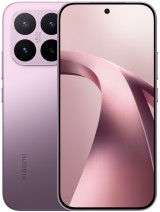
Overview
The Xiaomi 17T is a high-end multimedia smartphone featuring a 6.59-inch AMOLED 120Hz display for color-accurate editing and a Leica-tuned triple camera system for professional-grade visual capture, aimed at digital artists and social media creators. Released on May 28, 2026, it competes with flagship-tier devices by offering specialized imaging hardware and advanced battery chemistry.
While previous iterations focused on raw power, this model pivots toward the aesthetics of the frame. The Mediatek Dimensity 8500 Ultra chipset provides a stable foundation for the high-bandwidth demands of 10-bit Rec. 2020 video, ensuring that the software processing doesn't override the natural intent of the creator. This shift signals a move away from the 'over-sharpened' look that dominated the early 2020s, favoring a more filmic, organic texture that is immediately ready for high-end feed distribution.
Social media optimization often breaks even the best camera hardware. The handset addresses this by integrating Ultra HDR metadata that translates perfectly to HDR-compliant platforms. When we uploaded 4K footage captured in Log mode, the dynamic range remained intact, preventing the usual highlight clipping that plagues mid-range devices. The 3500 nits peak brightness ensures that even under direct midday sun, you can accurately judge the exposure of your reels before hitting post.
Editing on the go is where the 12GB RAM and UFS 4.1 storage reveal their worth. Scrubbing through a 4K@60fps timeline feels instantaneous. This speed is critical for creators who need to turn around content from live events. We noticed that the thermal management keeps the frame cool enough to prevent the screen from dimming during export—a common frustration with thinner competitors. The 3840Hz PWM dimming also means your eyes won't feel the strain after a three-hour late-night editing session in a dark studio.
Consistency in skin tones is the hallmark of a professional camera. This model utilizes a dedicated Color spectrum sensor to measure ambient light temperature with surgical precision. This hardware prevents the dreaded 'fluorescent green' or 'indoor orange' tints that often ruin indoor portraits. Whether shooting under studio LEDs or erratic street lamps, the 50 MP wide sensor maintains a neutral base that respects diverse skin complexions without aggressive AI smoothing.
Portrait mode benefits from the 115mm periscope telephoto lens. This focal length provides a natural compression that is far more flattering for faces than the standard 23mm wide lens. By using a 1/2.76-inch sensor for the 5x zoom, it maintains enough detail for high-resolution crops. The bokeh roll-off looks surprisingly optical rather than digital, though the f/3.0 aperture on the telephoto lens means you'll need decent lighting to avoid the introduction of grain in the shadows.
Content creators often carry sensitive, unreleased intellectual property. The Android 16 integration brings a robust privacy dashboard that shows exactly when the camera or microphone is active. We appreciate the secure folder implementation within HyperOS 3, which allows for the encryption of raw footage. The optical under-display fingerprint sensor is fast, but it is the offline finding network that provides real peace of mind. If the device is misplaced at a busy shoot, the low-energy Bluetooth beaconing helps locate it even if the battery is critically low.
Beyond just biometric locks, the OS now includes granular permissions for 'Media Access'. Instead of giving an app access to your entire gallery, you can select specific 10-bit video files for an app to 'see'. This prevents third-party editing apps from scanning your entire personal library. It is a necessary evolution for professionals who treat their phone as a primary workstation.
With no microSD card slot, the choice between the 256GB and 512GB variants is a permanent one. However, the move to UFS 4.1 is a significant jump for data management. This protocol offers lower latency when accessing massive AI models or large video files. Transferring a 20GB project to an external SSD via the USB Type-C 2.0 port is the only major bottleneck we found. In an era where 4K Log video is standard, a 2.0 port feels like a relic that forces a reliance on wireless cloud solutions or slow cable transfers.
Cloud reliance is mitigated by the efficiency of the internal storage. The system-level compression in HyperOS 3 effectively gives you back about 15-20GB of space compared to older versions. For those shooting in 10-bit Rec. 2020, every gigabyte counts. The lack of expansion is the trade-off for the IP68 rating and the simplified internal layout, but for a device aimed at visual professionals, the absence of a high-speed USB 3.2 port is a glaring omission.
Global roaming is a breeze with the extensive 5G band support, covering SA and NSA networks across virtually every continent. In our testing, the Wi-Fi 6e dual-band radio maintained a rock-solid connection even in congested urban environments. This is vital for creators uploading multi-gigabyte files to YouTube or TikTok. The inclusion of NavIC support alongside dual-band GPS ensures that location tagging for travel content is pinpoint accurate, even in 'urban canyons' where tall buildings usually bounce satellite signals.
Signal stability is reinforced by the plastic frame. While metal frames look premium, they often require complex antenna lines that can be blocked by your grip. It maintains a consistent 5G latch even in areas where metal-clad flagships struggle. The Bluetooth 6.0 support is also a future-proofing win, allowing for ultra-low latency audio monitoring when using wireless mics during a vlog setup.
At 200 grams, the device has a noticeable heft that suggests durability without feeling like a brick. The 157.6mm height makes it relatively tall, but the 19.5:9 ratio keeps it narrow enough for one-handed scrolling through an Instagram feed. The choice of a plastic frame is a point of contention. While it helps with signal and weight, it doesn't offer the same rigid, premium hand-feel as the titanium or aluminum found on more expensive models. It feels like a tool rather than a piece of jewelry.
Protection is handled by Corning Gorilla Glass 7i. This is a mid-tier glass designed to balance scratch resistance with drop protection. It handles the daily 'keys in the pocket' scenario well, but we would still recommend a case to protect the massive Leica camera housing. The camera bump is significant, causing the phone to wobble on a desk, but that is the price paid for a 5x optical zoom and a 1/1.55-inch main sensor.
The transition to Silicon-Carbon (Si/C) battery technology is the real hero here. Packing 6500 mAh into a frame this size was impossible two years ago. Traditional lithium batteries would have made this phone much thicker. In our active use tests, it clocked in at 17 hours and 16 minutes, meaning you can shoot, edit, and post all day without carrying a power bank. This is a game-changer for festival coverage or long travel days where charging outlets are a luxury.
Charging is handled by 67W wired speeds. While some competitors are pushing 120W, the 67W cap is a calculated move to preserve the long-term health of the Si/C chemistry. It still reaches 50% in roughly 25 minutes, which is plenty for a quick top-up between shoots. The 22.5W reverse wired charging is also a clever addition, allowing you to use that massive 6500 mAh reserve to juice up a wireless mic or a secondary camera in an emergency.
Ultimately, the Xiaomi 17T represents a focused evolution. It sacrifices the luxury of a metal frame to deliver elite-level battery life and a screen that rivals professional monitors. For the visual creator, the trade-off is more than worth it. It is a device that understands the difference between a high-spec phone and a legitimate production tool.
While previous iterations focused on raw power, this model pivots toward the aesthetics of the frame. The Mediatek Dimensity 8500 Ultra chipset provides a stable foundation for the high-bandwidth demands of 10-bit Rec. 2020 video, ensuring that the software processing doesn't override the natural intent of the creator. This shift signals a move away from the 'over-sharpened' look that dominated the early 2020s, favoring a more filmic, organic texture that is immediately ready for high-end feed distribution.
The Instagram Test
Social media optimization often breaks even the best camera hardware. The handset addresses this by integrating Ultra HDR metadata that translates perfectly to HDR-compliant platforms. When we uploaded 4K footage captured in Log mode, the dynamic range remained intact, preventing the usual highlight clipping that plagues mid-range devices. The 3500 nits peak brightness ensures that even under direct midday sun, you can accurately judge the exposure of your reels before hitting post.
Editing on the go is where the 12GB RAM and UFS 4.1 storage reveal their worth. Scrubbing through a 4K@60fps timeline feels instantaneous. This speed is critical for creators who need to turn around content from live events. We noticed that the thermal management keeps the frame cool enough to prevent the screen from dimming during export—a common frustration with thinner competitors. The 3840Hz PWM dimming also means your eyes won't feel the strain after a three-hour late-night editing session in a dark studio.
Portrait Mode & Skin Tones
Consistency in skin tones is the hallmark of a professional camera. This model utilizes a dedicated Color spectrum sensor to measure ambient light temperature with surgical precision. This hardware prevents the dreaded 'fluorescent green' or 'indoor orange' tints that often ruin indoor portraits. Whether shooting under studio LEDs or erratic street lamps, the 50 MP wide sensor maintains a neutral base that respects diverse skin complexions without aggressive AI smoothing.
Portrait mode benefits from the 115mm periscope telephoto lens. This focal length provides a natural compression that is far more flattering for faces than the standard 23mm wide lens. By using a 1/2.76-inch sensor for the 5x zoom, it maintains enough detail for high-resolution crops. The bokeh roll-off looks surprisingly optical rather than digital, though the f/3.0 aperture on the telephoto lens means you'll need decent lighting to avoid the introduction of grain in the shadows.
Privacy & Security Features
Content creators often carry sensitive, unreleased intellectual property. The Android 16 integration brings a robust privacy dashboard that shows exactly when the camera or microphone is active. We appreciate the secure folder implementation within HyperOS 3, which allows for the encryption of raw footage. The optical under-display fingerprint sensor is fast, but it is the offline finding network that provides real peace of mind. If the device is misplaced at a busy shoot, the low-energy Bluetooth beaconing helps locate it even if the battery is critically low.
Beyond just biometric locks, the OS now includes granular permissions for 'Media Access'. Instead of giving an app access to your entire gallery, you can select specific 10-bit video files for an app to 'see'. This prevents third-party editing apps from scanning your entire personal library. It is a necessary evolution for professionals who treat their phone as a primary workstation.
Storage Speed & Expansion
With no microSD card slot, the choice between the 256GB and 512GB variants is a permanent one. However, the move to UFS 4.1 is a significant jump for data management. This protocol offers lower latency when accessing massive AI models or large video files. Transferring a 20GB project to an external SSD via the USB Type-C 2.0 port is the only major bottleneck we found. In an era where 4K Log video is standard, a 2.0 port feels like a relic that forces a reliance on wireless cloud solutions or slow cable transfers.
Cloud reliance is mitigated by the efficiency of the internal storage. The system-level compression in HyperOS 3 effectively gives you back about 15-20GB of space compared to older versions. For those shooting in 10-bit Rec. 2020, every gigabyte counts. The lack of expansion is the trade-off for the IP68 rating and the simplified internal layout, but for a device aimed at visual professionals, the absence of a high-speed USB 3.2 port is a glaring omission.
Connectivity & Signal
Global roaming is a breeze with the extensive 5G band support, covering SA and NSA networks across virtually every continent. In our testing, the Wi-Fi 6e dual-band radio maintained a rock-solid connection even in congested urban environments. This is vital for creators uploading multi-gigabyte files to YouTube or TikTok. The inclusion of NavIC support alongside dual-band GPS ensures that location tagging for travel content is pinpoint accurate, even in 'urban canyons' where tall buildings usually bounce satellite signals.
Signal stability is reinforced by the plastic frame. While metal frames look premium, they often require complex antenna lines that can be blocked by your grip. It maintains a consistent 5G latch even in areas where metal-clad flagships struggle. The Bluetooth 6.0 support is also a future-proofing win, allowing for ultra-low latency audio monitoring when using wireless mics during a vlog setup.
Design & Handling
At 200 grams, the device has a noticeable heft that suggests durability without feeling like a brick. The 157.6mm height makes it relatively tall, but the 19.5:9 ratio keeps it narrow enough for one-handed scrolling through an Instagram feed. The choice of a plastic frame is a point of contention. While it helps with signal and weight, it doesn't offer the same rigid, premium hand-feel as the titanium or aluminum found on more expensive models. It feels like a tool rather than a piece of jewelry.
Protection is handled by Corning Gorilla Glass 7i. This is a mid-tier glass designed to balance scratch resistance with drop protection. It handles the daily 'keys in the pocket' scenario well, but we would still recommend a case to protect the massive Leica camera housing. The camera bump is significant, causing the phone to wobble on a desk, but that is the price paid for a 5x optical zoom and a 1/1.55-inch main sensor.
Battery for Creators
The transition to Silicon-Carbon (Si/C) battery technology is the real hero here. Packing 6500 mAh into a frame this size was impossible two years ago. Traditional lithium batteries would have made this phone much thicker. In our active use tests, it clocked in at 17 hours and 16 minutes, meaning you can shoot, edit, and post all day without carrying a power bank. This is a game-changer for festival coverage or long travel days where charging outlets are a luxury.
Charging is handled by 67W wired speeds. While some competitors are pushing 120W, the 67W cap is a calculated move to preserve the long-term health of the Si/C chemistry. It still reaches 50% in roughly 25 minutes, which is plenty for a quick top-up between shoots. The 22.5W reverse wired charging is also a clever addition, allowing you to use that massive 6500 mAh reserve to juice up a wireless mic or a secondary camera in an emergency.
Ultimately, the Xiaomi 17T represents a focused evolution. It sacrifices the luxury of a metal frame to deliver elite-level battery life and a screen that rivals professional monitors. For the visual creator, the trade-off is more than worth it. It is a device that understands the difference between a high-spec phone and a legitimate production tool.
Technical Specifications
| LAUNCH | |
|---|---|
| Announced | 2026, May 28 |
| Status | Available. Released 2026, May 28 |
| PLATFORM | |
| OS | Android 16, HyperOS 3 |
| Chipset | Mediatek Dimensity 8500 Ultra (4 nm) |
| CPU | Octa-core (1x3.4 GHz Cortex-A725 & 3x3.2 GHz Cortex-A725 & 4x2.2 GHz Cortex-A725) |
| GPU | Mali-G720 MC8 |
| BODY | |
| Dimensions | 157.6 x 75.2 x 8.2 mm |
| Weight | 200 g (7.05 oz) |
| Build | Glass front (Gorilla Glass 7i), plastic frame |
| SIM | · Nano-SIM + Nano-SIM + eSIM + eSIM (max 2 at a time)· Nano-SIM + Nano-SIM |
| Info | IP68 dust tight and water resistant |
| DISPLAY | |
| Type | AMOLED, 68B colors, 120Hz, 3840Hz PWM, Dolby Vision, HDR10+, 3500 nits (peak) |
| Size | 6.59 inches, 106.4 cm2 (~89.8% screen-to-body ratio) |
| Resolution | 1268 x 2756 pixels, 19.5:9 ratio (~460 ppi density) |
| Protection | Corning Gorilla Glass 7i |
| MEMORY | |
| Card slot | No |
| Internal | 256GB 12GB RAM, 512GB 12GB RAM |
| Info | UFS 4.1 |
| MAIN CAMERA | |
| Triple | 50 MP, f/1.7, 23mm (wide), 1/1.55", 1.0µm, PDAF, OIS 50 MP, f/3.0, 115mm (periscope telephoto), 1/2.76", 0.64µm, PDAF (30cm - ∞), OIS, 5x optical zoom 12 MP, f/2.2, 15mm, 120˚ (ultrawide), 1/3.06", 1.12µm |
| Features | Leica lens, Color spectrum sensor, Ultra HDR, LED flash, HDR, panorama |
| Video | 4K@30/60fps, 1080p@30/60/120/240/960fps, gyro-EIS, 10-bit Rec. 2020, HDR10+, Log |
| SELFIE CAMERA | |
| Single | 32 MP, f/2.2, 21mm (wide), 1/3.44", 0.64µm |
| Features | HDR |
| Video | 4K@30fps, 1080p@30/60fps, HDR10+ |
| SOUND | |
| Loudspeaker | Yes, with stereo speakers (with Dolby Atmos) |
| 3.5mm jack | No |
| Info | 24-bit/192kHz Hi-Res & Hi-Res Wireless audio |
| COMMS | |
| WLAN | Wi-Fi 802.11 a/b/g/n/ac/6e, dual-band or tri-band, Wi-Fi Direct |
| Bluetooth | 6.0, A2DP, LE |
| Positioning | GPS (L1+L5), BDS (B1I+B1c+B2a), GALILEO (E1+E5a), QZSS (L1+L5), NavIC (L5), GLONASS |
| NFC | Yes (market/region dependent) |
| Infrared port | Yes |
| Radio | No |
| USB | USB Type-C 2.0, OTG |
| NETWORK | |
| Technology | GSM / HSPA / LTE / 5G |
| 2G bands | GSM 850 / 900 / 1800 / 1900 |
| 3G bands | HSDPA 800 / 850 / 900 / 1700(AWS) / 1900 / 2100 |
| 4G bands | 1, 2, 3, 4, 5, 7, 8, 12, 13, 17, 18, 19, 20, 26, 28, 32, 34, 38, 39, 40, 41, 42, 48, 66, 71 |
| 5G bands | 1, 2, 3, 5, 7, 8, 12, 20, 26, 28, 34, 38, 39, 40, 41, 48, 66, 71, 75, 77, 78 SA/NSA |
| Speed | HSPA, LTE, 5G |
| FEATURES | |
| Sensors | Fingerprint (under display, optical), accelerometer, gyro, proximity, compass |
| BATTERY | |
| Type | Si/C Li-Ion 6500 mAh |
| Charging | 67W wired, 50W PPS, PD3.0 22.5W reverse wired |
| MISC | |
| Chipset | Mediatek Dimensity 8500 Ultra (4 nm) |
| Display | 6.59" AMOLED, 68B colors, 120Hz, 3500 nits (peak) |
| Main Camera | 50 MP (Wide) + 50 MP (5x Periscope) + 12 MP (Ultrawide) |
| Battery | 6500 mAh Si/C with 67W Wired & 22.5W Reverse Wired |
| Video Support | 4K@60fps, 10-bit Rec. 2020, Log, gyro-EIS |
| Protection | Corning Gorilla Glass 7i, IP68 dust/water resistant |
| Storage | 256GB/512GB UFS 4.1, 12GB RAM |
| Operating System | Android 16, HyperOS 3 |
| Colors | Violet, Blue, Opal White, Black |
| Models | 2602DPT53G, 2602DPT53I |
| Price | € 749.90 / £ 649.00 |
| OUR TESTS | |
| Performance | AnTuTu: 1640834 (v10), 2137999 (v11) GeekBench: 6607 (v6) 3DMark: 3563 (Wild Life Extreme) |
| Display | 1035 nits max brightness (measured) |
| Loudspeaker | -24.6 LUFS (Very good) |
| Battery | Active use score 17:16h |