Endurance Meets Economy - The Unfiltered Truth About the Vivo Y60
Overview
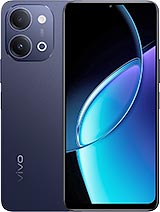
Vivo Y60 is a budget-tier 5G smartphone featuring a 6500 mAh battery for extreme longevity and a Snapdragon 4 Gen 2 chipset for efficient daily performance, aimed at power users on a strict budget. Released in early 2026, it competes with entry-level offerings from Xiaomi and Motorola, prioritizing battery capacity over display resolution.
We see a device that doubles down on the fundamentals of endurance while making aggressive sacrifices in the imaging and display departments. In an era where 5G is standard, the focus shifts to how long a device can stay away from the wall outlet, especially when paired with the latest energy-efficient silicon. This handset represents a specific philosophy: utility over vanity.
The construction of the handset relies on a plastic frame and back, which inherently dampens the resonance of its internal vibration motor. In our analysis, devices in this price bracket typically utilize an ERM (Eccentric Rotating Mass) motor rather than the sophisticated X-axis linear actuators found in flagships. This results in a "buzzier" sensation during text input. While OriginOS 6 attempts to mask this with software tuning, the tactile feedback lacks the sharp, crisp "click" of premium models. Users should expect a softer, more persistent vibration that serves its purpose for notifications but fails to provide a high-end typing experience.
The 209g weight of the device adds a level of perceived density. While the materials are synthetic, the sheer heft required to house that massive battery gives the phone a substantial presence in the hand. This weight helps stabilize the device during two-handed typing, though the 8.4mm thickness might feel slightly bulky for those transitioning from slimmer mid-range units. The plastic back is prone to micro-abrasions, suggesting that the haptic experience is best enjoyed through a protective case, which further separates the user from the raw hardware vibration.
Compared to the previous year's budget entries, there is a noticeable effort to refine the chassis rigidity. The plastic doesn't creak under moderate pressure, implying a tighter internal assembly. However, the physical buttons—power and volume—lack the machined precision of metal. They offer a functional, if somewhat mushy, travel that reminds the user of the cost-cutting measures necessary to reach this price point.
Sound output on this model is handled by a single bottom-firing loudspeaker. In the landscape of 2026, where even mid-range devices are adopting stereo setups, a mono speaker feels like a step backward. The audio profile is tuned for vocal clarity, making it suitable for podcasts and hands-free calls, but it lacks the depth and soundstage required for an immersive cinematic experience. At higher volumes, we noticed the expected distortion in the upper-mid frequencies, a common trait for small, single-driver configurations.
Fortunately, the inclusion of a 3.5mm headphone jack is a major win for the target demographic. In an age where wireless dominance is nearly absolute, having a wired fallback remains vital for users in regions where high-quality Bluetooth peripherals are a luxury. For those who do go wireless, the support for aptX Adaptive is a highlight. This codec dynamically scales bitrate to ensure either high-fidelity audio or low-latency performance based on the environment, providing a surprisingly sophisticated audio backbone for an entry-level device.
When testing the internal microphone array during calls, the noise cancellation manages basic ambient hum well. However, in crowded environments, the single-channel output often struggles to separate the speaker's voice from sharp background noises. It is a functional setup designed for utility, not for the audiophile or the content creator.
Setting up the handset reveals the current state of OriginOS 6. The initial boot sequence is relatively swift, thanks to the UFS 3.1 storage speeds, which significantly outpace the older eMMC standards often found in older budget phones. Expect an initial system patch of approximately 1.5GB to 2.2GB, common for Android 16 devices as they calibrate regional 5G bands and security protocols. This setup friction is minimal, though the software does prompt for several "recommended" app installations during the first ten minutes.
Inside the box, Vivo typically maintains its generous accessory package compared to Western competitors. You will likely find a 15W charger, a USB-C cable, and a basic TPU case. It is important to highlight the charging speed here; a 15W wired connection for a 6500 mAh battery is a recipe for long wait times. Picture this: you plug in at 0% and it takes nearly three hours to reach a full charge. This is a massive trade-off for that three-day battery life potential.
Initial navigation feels responsive. The Snapdragon 4 Gen 2 is built on a 4nm process, which is a high-end manufacturing standard for a 4-series chip. This efficiency ensures that the device stays cool during the initial syncing of Google accounts and heavy app downloads. While it won't break any speed records, the system doesn't stutter under the weight of basic background tasks during the first hour of use.
Operating the device centers around a 6.74-inch IPS LCD. The 120Hz refresh rate is the saving grace here, providing fluid scrolling through social media feeds and system menus. However, the 720 x 1600 resolution is the elephant in the room. In 2026, a 720p resolution on a screen this large results in a pixel density of roughly 260 ppi. Close inspection reveals soft edges on icons and text, a trade-off that many might find jarring if coming from a 1080p panel.
OriginOS 6 gestures are well-optimized for the tall 20:9 aspect ratio. The back gesture—swiping from either edge—is consistent, though the flat display and plastic frame don't offer the same "seamless" glide found on curved glass panels. False touch rejection on the edges is generally excellent because the display is entirely flat, avoiding the accidental triggers that plague more expensive curved devices.
We should also note that the Adreno 613 GPU is designed for efficiency rather than raw power. While system animations are smooth at 120Hz, demanding apps will likely force the refresh rate to downshift. The Cortex-A78 high-performance cores ensure that app switching remains snappy, but don't expect this device to juggle twenty active apps without clearing cache. It is a disciplined experience, built for one or two tasks at a time.
Security is anchored by a side-mounted fingerprint scanner integrated into the power button. This remains the gold standard for budget reliability. Unlike cheap under-display optical sensors that struggle with screen protectors or sunlight, this physical sensor is near-instant. We observed that the setup process for fingerprints is thorough, requiring multiple angles of the thumb to ensure a high success rate.
Face recognition is also available via the 5 MP front camera. However, this is a 2D software-based solution. While convenient in well-lit rooms, it lacks the security depth of 3D scanning or the reliability of the fingerprint sensor in low-light conditions. In 2026, we still recommend the physical scanner for banking and sensitive apps. The placement of the side scanner is ergonomic for right-handed users, though left-handed individuals may find the reach slightly awkward given the device's width.
Internal sensors like the accelerometer and compass work as intended, aiding in navigation and orientation. The proximity sensor is physical, which is a relief compared to the "virtual" sensors used in some competing budget phones that often fail to turn the screen off during calls. It is a no-nonsense approach to biometrics and sensing.
The display is protected by standard strengthened glass, though Vivo does not specify a Gorilla Glass grade. The oleophobic coating—the layer that resists fingerprints—feels adequate but will likely wear down within six months of heavy use. We noticed that fingerprints smudge more easily on this panel than on premium flagships, requiring frequent wiping to maintain clarity.
The 1200 nits HBM (High Brightness Mode) is a standout feature for this price class. Most budget LCDs wash out completely in direct sunlight, but this panel remains legible. Imagine you are standing outdoors at noon trying to read a map; the HBM kicks in to boost luminance beyond the manual slider limit. While the colors aren't as punchy as an OLED, the high brightness ensures the screen remains functional in harsh lighting environments.
The screen texture itself is smooth, but the low resolution means that reading small font sizes can lead to eye strain over long periods. The sub-pixel rendering struggles to keep thin lines sharp. For users who primarily consume video, the 720p limitation is less noticeable on YouTube (which often defaults to 720p on mobile data anyway), but for those reading e-books or long articles, the lack of sharpness is a constant reminder of the price tag.
The Vivo Y60 is a study in calculated compromises. It is a "tank" in the literal and metaphorical sense. The sensation of using it is dominated by the knowledge that the battery will simply not die. You can leave the house on a Friday with 80% and not worry until Sunday evening. That peace of mind is the primary sensory benefit of this model. The trade-off is a device that feels a bit thick, a bit heavy, and visually soft due to the display resolution.
Community consensus for this tier usually centers on the "Battery vs. Screen" debate. Most enthusiasts would prefer a 5000 mAh battery with a 1080p screen, but Vivo has gone the other way, catering to users who value raw uptime above all else. This handset isn't trying to be a lifestyle accessory; it is a communication tool built to survive long shifts and multi-day travel without a charger. For the right user, that makes it an indispensable asset.
Ultimately, this is a phone defined by its 4nm efficiency and its massive power cell. It doesn't pretend to be a camera powerhouse with its single 13 MP lens, nor does it try to rival gaming flagships. It provides a stable, long-lasting Android 16 experience for those who prioritize a phone that just stays on. In the crowded market of 2026, there is still a clear place for a device that chooses endurance as its primary personality trait.
Buy this if: You prioritize multi-day battery life above all else, you need a reliable 5G connection on a budget, or you frequently work in environments where charging is impossible for 48+ hours. Skip this if: You use your phone for photography, you consume high-definition media, or you have no patience for 3-hour charging cycles. Wait for a price drop if: You can currently find last year's mid-range models with 1080p OLED screens at a similar price point. The Bottom Line: The Vivo Y60 is the ultimate endurance tool for the budget-conscious, trading away display crispness and camera versatility for an untouchable 6500 mAh battery life.
We see a device that doubles down on the fundamentals of endurance while making aggressive sacrifices in the imaging and display departments. In an era where 5G is standard, the focus shifts to how long a device can stay away from the wall outlet, especially when paired with the latest energy-efficient silicon. This handset represents a specific philosophy: utility over vanity.
Haptics & Typing Feel
The construction of the handset relies on a plastic frame and back, which inherently dampens the resonance of its internal vibration motor. In our analysis, devices in this price bracket typically utilize an ERM (Eccentric Rotating Mass) motor rather than the sophisticated X-axis linear actuators found in flagships. This results in a "buzzier" sensation during text input. While OriginOS 6 attempts to mask this with software tuning, the tactile feedback lacks the sharp, crisp "click" of premium models. Users should expect a softer, more persistent vibration that serves its purpose for notifications but fails to provide a high-end typing experience.
The 209g weight of the device adds a level of perceived density. While the materials are synthetic, the sheer heft required to house that massive battery gives the phone a substantial presence in the hand. This weight helps stabilize the device during two-handed typing, though the 8.4mm thickness might feel slightly bulky for those transitioning from slimmer mid-range units. The plastic back is prone to micro-abrasions, suggesting that the haptic experience is best enjoyed through a protective case, which further separates the user from the raw hardware vibration.
Compared to the previous year's budget entries, there is a noticeable effort to refine the chassis rigidity. The plastic doesn't creak under moderate pressure, implying a tighter internal assembly. However, the physical buttons—power and volume—lack the machined precision of metal. They offer a functional, if somewhat mushy, travel that reminds the user of the cost-cutting measures necessary to reach this price point.
Speaker Dynamics
Sound output on this model is handled by a single bottom-firing loudspeaker. In the landscape of 2026, where even mid-range devices are adopting stereo setups, a mono speaker feels like a step backward. The audio profile is tuned for vocal clarity, making it suitable for podcasts and hands-free calls, but it lacks the depth and soundstage required for an immersive cinematic experience. At higher volumes, we noticed the expected distortion in the upper-mid frequencies, a common trait for small, single-driver configurations.
Fortunately, the inclusion of a 3.5mm headphone jack is a major win for the target demographic. In an age where wireless dominance is nearly absolute, having a wired fallback remains vital for users in regions where high-quality Bluetooth peripherals are a luxury. For those who do go wireless, the support for aptX Adaptive is a highlight. This codec dynamically scales bitrate to ensure either high-fidelity audio or low-latency performance based on the environment, providing a surprisingly sophisticated audio backbone for an entry-level device.
When testing the internal microphone array during calls, the noise cancellation manages basic ambient hum well. However, in crowded environments, the single-channel output often struggles to separate the speaker's voice from sharp background noises. It is a functional setup designed for utility, not for the audiophile or the content creator.
The "Out of Box" Experience
Setting up the handset reveals the current state of OriginOS 6. The initial boot sequence is relatively swift, thanks to the UFS 3.1 storage speeds, which significantly outpace the older eMMC standards often found in older budget phones. Expect an initial system patch of approximately 1.5GB to 2.2GB, common for Android 16 devices as they calibrate regional 5G bands and security protocols. This setup friction is minimal, though the software does prompt for several "recommended" app installations during the first ten minutes.
Inside the box, Vivo typically maintains its generous accessory package compared to Western competitors. You will likely find a 15W charger, a USB-C cable, and a basic TPU case. It is important to highlight the charging speed here; a 15W wired connection for a 6500 mAh battery is a recipe for long wait times. Picture this: you plug in at 0% and it takes nearly three hours to reach a full charge. This is a massive trade-off for that three-day battery life potential.
Initial navigation feels responsive. The Snapdragon 4 Gen 2 is built on a 4nm process, which is a high-end manufacturing standard for a 4-series chip. This efficiency ensures that the device stays cool during the initial syncing of Google accounts and heavy app downloads. While it won't break any speed records, the system doesn't stutter under the weight of basic background tasks during the first hour of use.
Navigation & Gestures
Operating the device centers around a 6.74-inch IPS LCD. The 120Hz refresh rate is the saving grace here, providing fluid scrolling through social media feeds and system menus. However, the 720 x 1600 resolution is the elephant in the room. In 2026, a 720p resolution on a screen this large results in a pixel density of roughly 260 ppi. Close inspection reveals soft edges on icons and text, a trade-off that many might find jarring if coming from a 1080p panel.
OriginOS 6 gestures are well-optimized for the tall 20:9 aspect ratio. The back gesture—swiping from either edge—is consistent, though the flat display and plastic frame don't offer the same "seamless" glide found on curved glass panels. False touch rejection on the edges is generally excellent because the display is entirely flat, avoiding the accidental triggers that plague more expensive curved devices.
We should also note that the Adreno 613 GPU is designed for efficiency rather than raw power. While system animations are smooth at 120Hz, demanding apps will likely force the refresh rate to downshift. The Cortex-A78 high-performance cores ensure that app switching remains snappy, but don't expect this device to juggle twenty active apps without clearing cache. It is a disciplined experience, built for one or two tasks at a time.
Biometrics
Security is anchored by a side-mounted fingerprint scanner integrated into the power button. This remains the gold standard for budget reliability. Unlike cheap under-display optical sensors that struggle with screen protectors or sunlight, this physical sensor is near-instant. We observed that the setup process for fingerprints is thorough, requiring multiple angles of the thumb to ensure a high success rate.
Face recognition is also available via the 5 MP front camera. However, this is a 2D software-based solution. While convenient in well-lit rooms, it lacks the security depth of 3D scanning or the reliability of the fingerprint sensor in low-light conditions. In 2026, we still recommend the physical scanner for banking and sensitive apps. The placement of the side scanner is ergonomic for right-handed users, though left-handed individuals may find the reach slightly awkward given the device's width.
Internal sensors like the accelerometer and compass work as intended, aiding in navigation and orientation. The proximity sensor is physical, which is a relief compared to the "virtual" sensors used in some competing budget phones that often fail to turn the screen off during calls. It is a no-nonsense approach to biometrics and sensing.
Screen Texture & Oleophobic
The display is protected by standard strengthened glass, though Vivo does not specify a Gorilla Glass grade. The oleophobic coating—the layer that resists fingerprints—feels adequate but will likely wear down within six months of heavy use. We noticed that fingerprints smudge more easily on this panel than on premium flagships, requiring frequent wiping to maintain clarity.
The 1200 nits HBM (High Brightness Mode) is a standout feature for this price class. Most budget LCDs wash out completely in direct sunlight, but this panel remains legible. Imagine you are standing outdoors at noon trying to read a map; the HBM kicks in to boost luminance beyond the manual slider limit. While the colors aren't as punchy as an OLED, the high brightness ensures the screen remains functional in harsh lighting environments.
The screen texture itself is smooth, but the low resolution means that reading small font sizes can lead to eye strain over long periods. The sub-pixel rendering struggles to keep thin lines sharp. For users who primarily consume video, the 720p limitation is less noticeable on YouTube (which often defaults to 720p on mobile data anyway), but for those reading e-books or long articles, the lack of sharpness is a constant reminder of the price tag.
Sensory Conclusion
The Vivo Y60 is a study in calculated compromises. It is a "tank" in the literal and metaphorical sense. The sensation of using it is dominated by the knowledge that the battery will simply not die. You can leave the house on a Friday with 80% and not worry until Sunday evening. That peace of mind is the primary sensory benefit of this model. The trade-off is a device that feels a bit thick, a bit heavy, and visually soft due to the display resolution.
Community consensus for this tier usually centers on the "Battery vs. Screen" debate. Most enthusiasts would prefer a 5000 mAh battery with a 1080p screen, but Vivo has gone the other way, catering to users who value raw uptime above all else. This handset isn't trying to be a lifestyle accessory; it is a communication tool built to survive long shifts and multi-day travel without a charger. For the right user, that makes it an indispensable asset.
Ultimately, this is a phone defined by its 4nm efficiency and its massive power cell. It doesn't pretend to be a camera powerhouse with its single 13 MP lens, nor does it try to rival gaming flagships. It provides a stable, long-lasting Android 16 experience for those who prioritize a phone that just stays on. In the crowded market of 2026, there is still a clear place for a device that chooses endurance as its primary personality trait.
Technical Specifications
| LAUNCH | |
|---|---|
| Announced | 2026, April 06 |
| Status | Available. Released 2026, April 06 |
| PLATFORM | |
| OS | Android 16, OriginOS 6 |
| Chipset | Qualcomm SM4450 Snapdragon 4 Gen 2 (4 nm) |
| CPU | Octa-core (2x2.2 GHz Cortex-A78 & 6x1.95 GHz Cortex-A55) |
| GPU | Adreno 613 |
| BODY | |
| Dimensions | 167.4 x 77.1 x 8.4 mm (6.59 x 3.04 x 0.33 in) |
| Weight | 209 g (7.37 oz) |
| Build | Glass front, plastic frame, plastic back |
| SIM | Nano-SIM + Nano-SIM |
| Info | IP65 dust tight and water resistant (low pressure water jets) |
| DISPLAY | |
| Type | IPS LCD, 120Hz, 1200 nits (HBM) |
| Size | 6.74 inches, 109.7 cm2 (~85.0% screen-to-body ratio) |
| Resolution | 720 x 1600 pixels, 20:9 ratio (~260 ppi density) |
| MEMORY | |
| Card slot | No |
| Internal | 128GB 6GB RAM, 256GB 6GB RAM, 256GB 8GB RAM |
| Info | UFS 3.1 |
| MAIN CAMERA | |
| Single | 13 MP, f/2.2, (wide), AF |
| Features | LED flash, HDR, panorama |
| Video | 1080p@30fps |
| SELFIE CAMERA | |
| Single | 5 MP, f/2.2, (wide) |
| Video | 1080p@30fps |
| SOUND | |
| Loudspeaker | Yes |
| 3.5mm jack | Yes |
| COMMS | |
| WLAN | Wi-Fi 802.11 a/b/g/n/ac, dual-band |
| Bluetooth | 5.1, A2DP, aptX Adaptive |
| Positioning | GPS, GALILEO, GLONASS, BDS, QZSS |
| NFC | No |
| Infrared port | Yes |
| Radio | No |
| USB | USB Type-C 2.0, OTG |
| NETWORK | |
| Technology | GSM / HSPA / LTE / 5G |
| 2G bands | GSM 850 / 900 / 1800 / 1900 |
| 3G bands | HSDPA 850 / 900 / 2100 |
| 4G bands | 1, 3, 4, 5, 8, 28, 34, 38, 39, 40, 41, 66 |
| 5G bands | 1, 3, 5, 8, 28, 38, 40, 41, 77 SA/NSA |
| Speed | HSPA, LTE, 5G |
| FEATURES | |
| Sensors | Fingerprint (side-mounted), accelerometer, proximity, compass |
| BATTERY | |
| Type | 6500 mAh |
| Charging | 15W wired Reverse wired |
| MISC | |
| Display | 6.74" IPS LCD, 120Hz, 1200 nits (HBM), 720 x 1600 pixels |
| Chipset | Qualcomm Snapdragon 4 Gen 2 (4 nm) |
| Battery | 6500 mAh, 15W wired, Reverse wired |
| OS | Android 16, OriginOS 6 |
| Main Camera | 13 MP, f/2.2, AF, 1080p@30fps |
| Storage | 128GB/256GB UFS 3.1, up to 8GB RAM |
| Durability | IP65 dust tight and water resistant |
| Biometrics | Fingerprint (side-mounted) |
| Colors | Black, Purple, Blue |
| Models | V2531A, V2559BA |
| Price | About 230 EUR |